
Money
YouTube Automation: Make $10K Monthly Without Even Showing Your Face

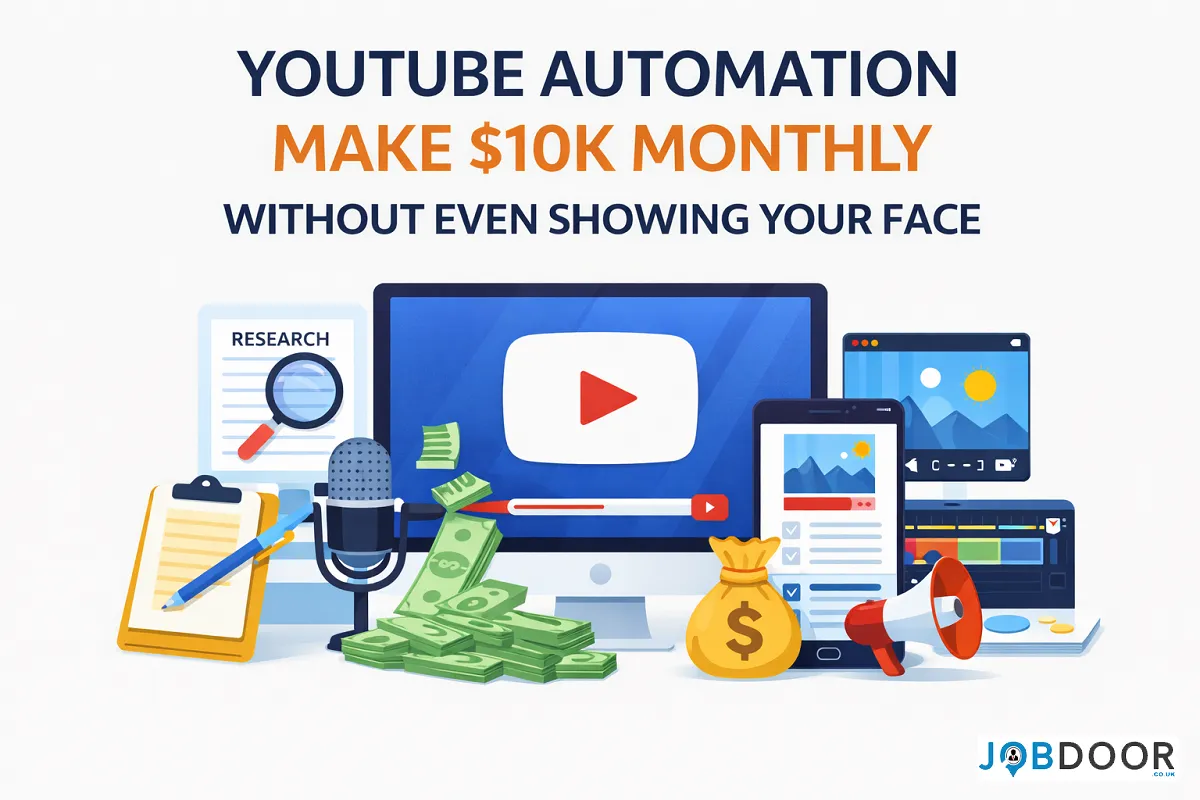
What if you could build a profitable YouTube channel… without filming yourself, buying expensive gear, or becoming an on-camera personality?
That’s exactly why YouTube automation has exploded in popularity. Many people dream of earning online income, but fear holds them back — fear of cameras, editing complexity, or not being “charismatic enough.” Sound familiar?
Here’s the encouraging truth: you don’t need to show your face to succeed on YouTube. You don’t even need to do everything yourself. With the right system, strategy, and consistency, you can create content that attracts views, builds authority, and generates income — often passively.
This guide will walk you through YouTube automation step-by-step, from understanding how it works to choosing profitable niches, creating content, outsourcing, monetizing, and scaling toward the goal of $10K monthly income.
No confusion. No intimidation. Just a clear roadmap you can follow — even if you’re starting from zero.
Let’s dive in.
What Is YouTube Automation?
YouTube automation means running a YouTube channel where most or all tasks are systemized, outsourced, or simplified.
You focus on strategy.
Others (or tools) handle production.
Typical automated tasks include:
- Scriptwriting
- Voiceovers
- Video editing
- Thumbnail design
- Upload scheduling
Think of it like managing a small digital media company — not being the performer.
And the best part? You can remain completely anonymous.
Is Making $10K Monthly With YouTube Automation Realistic?
Yes — but with realistic expectations.
The goal isn’t overnight success. It’s consistent growth + scalable systems.
Successful automated channels earn through:
- YouTube ad revenue
- Affiliate marketing
- Sponsorships
- Digital products
- Channel flipping (selling profitable channels)
Many creators reach $10K monthly by running multiple channels instead of relying on one.
Why People Love Faceless YouTube Channels?
1. No camera anxiety:
You can build income without worrying about appearance or confidence on video.
2. Scalable:
You can run several channels simultaneously.
3. Flexible:
Work from anywhere. No strict schedule.
4. Team-friendly:
Tasks can be outsourced easily.
For introverts, busy professionals, or students — this model feels liberating.
How YouTube Automation Works (The Simple System):
Here’s the core workflow:
- Choose a profitable niche
- Research trending topics
- Create scripts
- Add voiceovers
- Edit videos with stock footage
- Design thumbnails
- Upload and optimize
- Monetize and scale
Simple structure. Powerful results.
Best Niches for YouTube Automation:
Not every niche works equally well. The best niches combine high demand + evergreen content.
High-performing automation niches:
- Personal finance
- Motivation
- Tech and AI tools
- Health and wellness
- Luxury lifestyle
- Facts and documentaries
- Business and entrepreneurship
- Celebrity stories
- Education and explainers
How to choose the right niche?
Ask yourself:
- Is there ongoing search demand?
- Can content be created without filming?
- Are advertisers interested in this topic?
If yes — you’re in a strong niche.
Step-by-Step: How to Start a YouTube Automation Channel:
Step 1: Create Your Channel Foundation
- Pick a memorable channel name
- Design a clean logo and banner
- Write keyword-rich channel description
Focus on clarity, not perfection.
Step 2: Topic and Competitor Research
Look at successful faceless channels.
Study:
- Video titles
- Thumbnail styles
- Content formats
- Posting frequency
Don’t copy — analyze patterns.
Step 3: Script Creation
Your script determines retention.
Tips for strong scripts:
- Start with a curiosity hook
- Use simple storytelling
- Keep sentences short
- Add pattern interrupts (questions, facts, surprises)
Step 4: Voiceover Production
You can use:
- Freelance voice artists
- AI voice tools
- Your own voice (optional)
Natural pacing matters more than perfection.
Step 5: Video Editing
Combine:
- Stock footage
- Animations
- Text overlays
- Background music
The goal is engagement, not cinematic perfection.
Step 6: Thumbnail Design
Your thumbnail decides clicks.
Strong thumbnails are:
- Simple
- Emotion-driven
- High contrast
- Curiosity-focused
Remember: thumbnail = first impression.
Step 7: SEO Optimization for YouTube Automation
YouTube is a search engine.
Optimize:
- Titles with keywords
- Description with context
- Tags and keywords
- Chapters for retention
Good SEO brings free traffic for years.
How YouTube Automation Makes Money?
1. YouTube Ad Revenue:
Earn when viewers watch ads on your videos.
2. Affiliate Marketing:
Promote products and earn commission.
3. Sponsorships:
Brands pay for exposure.
4. Digital Products:
Sell guides, templates, or courses.
5. YouTube Shorts Monetization:
Short-form content can drive fast growth.
Multiple income streams create stability.
How Many Videos Do You Need to Reach $10K Monthly?
There’s no fixed number — but consistency matters.
Typical growth pattern:
| Stage | Videos Needed | Focus |
|---|---|---|
| Beginner | 20–40 | Learning and testing |
| Growth | 50–100 | Building authority |
| Scaling | 100+ | Monetization and outsourcing |
Consistency beats perfection every time.
Outsourcing: The Key to True Automation
You don’t need to do everything yourself.
Tasks you can outsource:
- Scriptwriting
- Voiceovers
- Editing
- Thumbnail design
- Upload scheduling
Start solo. Outsource once income begins.
Common Mistakes Beginners Make:
1. Choosing the wrong niche:
Low demand = slow growth.
2. Uploading inconsistently:
Consistency builds algorithm trust.
3. Ignoring thumbnails:
Great content without clicks won’t grow.
4. Expecting fast results:
Automation is a long-term asset.
How Long Does It Take to Succeed With YouTube Automation?
Typical timeline:
- 1–2 months: Learning phase
- 3–6 months: Audience growth
- 6–12 months: Monetization and scaling
Some succeed faster. Some slower. Persistence wins.
Mindset Tips That Make the Biggest Difference:
- Focus on progress, not perfection
- Treat your channel like a business
- Learn from analytics, not emotions
- Stay consistent even when growth feels slow
Remember: every successful channel once had zero subscribers.
Beginner Action Plan (Start Today):
- Choose one niche
- Research 20 video ideas
- Publish your first 5 videos
- Improve thumbnails
- Stay consistent for 60 days
Simple steps. Powerful momentum.
Conclusion:
YouTube automation offers one of the most exciting opportunities in today’s digital world — the ability to build income, impact, and freedom without being on camera. While the idea of making $10K monthly with faceless YouTube channels may feel overwhelming at first, the truth is that success comes from simple actions repeated consistently.
By choosing the right niche, focusing on engaging content, optimizing for search, and gradually outsourcing production tasks, you can transform a small channel into a scalable digital asset. You don’t need perfect skills, expensive equipment, or years of experience — just patience, strategy, and persistence.
The biggest barrier isn’t competition. It’s hesitation.
So take the first step today. Pick your niche. Create your first video. Learn as you go.
Your future channel — and the opportunities it creates — start with that single decision.










“Stop ignoring this.”
“Boost your income.”
“Get paid while you sleep.”
You’ve seen headlines like that everywhere. Screenshots of large payouts. Smiling creators. Claims of effortless money.
But here’s the truth:
There are ways to build income that continues flowing while you’re not actively working — but it’s not magic, and it’s not instant.
It’s automation + leverage + smart positioning.
In this guide, I’ll show you exactly how modern online earners are building semi-automated income streams in 2026, using strategies that are sustainable, scalable, and realistic.
No recycled ideas. No vague “start a dropshipping store” advice. Just practical systems.
What Is a “Sleepy” Side Hustle?
Let’s redefine it properly.
A “sleepy” side hustle is:
A digital asset that earns revenue with minimal daily involvement after setup and optimization.
It’s not passive from day one.
It becomes passive after:
- Systems are built
- Traffic flows consistently
- Conversions are optimized
- Automation replaces manual work
The goal is low-maintenance income, not lottery-style earnings.
Why 2026 Is the Best Time to Build Automated Income?
Three major shifts have created new opportunities:
1. AI Reduced Entry Barriers:
Content creation, product research, coding, editing — all faster than ever.
2. Global Digital Payments Expanded:
Stripe, PayPal, Wise, Gumroad, Lemon Squeezy — monetization is frictionless.
3. Search + Social Algorithms Reward Value:
You don’t need millions of followers. You need targeted relevance.
If you build smart systems now, you’re ahead of late adopters.
The 5 Most Realistic “Sleepy” Side Hustles Right Now:
Let’s skip the hype and focus on sustainable models.
1. Digital Asset Blogging (Niche Authority Sites):
Forget random blogging.
Modern SEO blogging in 2026 focuses on:
- Deep topical authority
- Problem-solving content clusters
- Long-tail search domination
- Affiliate + digital product layering
Why It Works?
Google prioritizes:
- Expertise
- Depth
- Freshness
- Structure
Instead of writing 300 shallow articles, build:
- 30 high-quality topical clusters
- Internal linking strategy
- Conversion funnels inside articles
Revenue streams:
- Affiliate commissions
- Display ads
- Digital downloads
- Email marketing
Once traffic stabilizes, income becomes predictable.
2. Automated Digital Product Sales:
This is exploding in 2026.
Examples:
- Notion templates
- Resume templates
- AI prompts packs
- Financial calculators
- Canva design kits
- Niche planners
Create once. Sell repeatedly.
The Smart Strategy:
Don’t create “general” templates.
Create hyper-specific solutions.
Example:
Instead of:
Budget planner
Create:
Budget planner for first-year college students living off-campus
Specificity sells.
Use:
- Pinterest SEO
- Short-form video content
- Email list funnels
You build once. Automate checkout. Automate delivery.
3. Faceless YouTube Automation (Done Correctly):
Not clickbait cash cow channels.
Instead:
- Educational explainer channels
- Data storytelling
- Industry breakdowns
- Tool tutorials
Why it works:
YouTube is the second largest search engine.
Ad revenue + affiliate links + digital products = stacked monetization.
Use AI for:
- Script drafting
- Research summaries
- Editing assistance
But always add human refinement.
Consistency wins here.
4. Micro SaaS Tools (No Coding Required):
This is underutilized.
You can build simple tools using:
- No-code platforms
- AI-assisted coding
- Automation tools
Examples:
- Niche pricing calculator
- Proposal generator
- Instagram caption optimizer
- Small business profit tracker
Charge:
- $5–$20 per month
100 users = real recurring income.
Recurring revenue is the ultimate “sleepy” model.
5. Print-on-Demand with Brand Positioning:
Not random t-shirts.
Instead:
- Identity-driven brands
- Community-focused niches
- Emotionally resonant messaging
Example:
Instead of:
Gym shirt
Create:
Shirts specifically for first-time dads starting fitness again
Emotion > product.
Use:
- Organic TikTok
- Instagram Reels
- Pinterest SEO
Build audience first. Sell second.
The 2026 Strategy Shift: Build Systems, Not Just Products
Most people fail because they chase products.
Successful online earners build:
1. Traffic System:
SEO
Short-form video
Email list
Pinterest
2. Conversion System:
Landing page
Offer clarity
Testimonials
Clear CTA
3. Automation System:
Email sequences
Auto-delivery
Payment integration
Analytics tracking
4. Optimization Loop:
Test → Measure → Improve
This loop creates momentum.
The “One Hour a Day” Reality Plan:
Here’s how to realistically build this while working a job:
Month 1:
- Choose one model
- Research deeply
- Validate demand
- Create MVP version
Month 2:
- Launch
- Drive small traffic
- Improve conversion
Month 3:
- Scale traffic
- Automate tasks
- Improve offer
Consistency beats intensity.
Avoid These Fake “Passive Income” Traps:
Let’s be honest.
If it sounds too easy, it is.
Avoid:
- Crypto pump schemes
- Reselling mystery “courses”
- AI spam blogs
- Over-saturated dropshipping clones
- Buying pre-made websites
Real wealth compounds.
Shortcuts collapse.
How to Actually Reach $20K+ Online?
Let’s break down math instead of hype.
Option A:
- 1,000 customers
- $20 product
= $20,000
Option B:
- 200 customers
- $100 product
= $20,000
Option C:
- 100 customers
- $200 subscription
= $20,000
The goal is not viral fame.
The goal is:
Clear offer × Clear audience × Consistent traffic
Mindset: The Hidden Multiplier
You don’t need:
- 10 income streams
- 12 businesses
- 5 platforms
You need:
One system that works.
Focus > distraction.
Build slow. Scale smart.
SEO Blueprint for Ranking Your Side Hustle Content:
If you’re blogging or building organic traffic:
Use Long-Tail Keywords
Instead of:
Make money online
Target:
Best automated online income ideas for beginners 2026
Specific = less competition.
Use Structured Content:
- Clear H2/H3 headings
- Bullet lists
- FAQs
- Internal links
Google loves structure.
Add Value Density:
Don’t fluff.
Give:
- Frameworks
- Templates
- Numbers
- Case breakdowns
Depth wins rankings.
Is “Money While You Sleep” Real?
Yes — but it’s delayed gratification.
First:
You work without income.
Then:
Income starts slowly.
Then:
It compounds.
Finally:
Maintenance replaces effort.
It’s not sleep-from-day-one.
It’s earn-while-you-rest-after-building.
Final Thoughts:
The people earning online in 2026 aren’t lucky.
They:
- Solve real problems
- Build digital assets
- Optimize relentlessly
- Think long-term
- Ignore noise
If you want automated income, stop chasing shiny trends.
Pick one strategy.
Master it.
Systematize it.
Scale it.
That’s the blueprint.
If you start today, your future self — the one waking up to payment notifications — will thank you.
Not because it was easy.
But because you built something real.
Money
How to Sell on Amazon FBA in 2026: The Complete, Future-Proof Blueprint for Beginners & Growth Sellers

Amazon FBA (Fulfillment by Amazon) is no longer just a side-hustle trend. It’s a sophisticated eCommerce ecosystem where brand building, data intelligence, logistics optimization, and customer psychology all play a role. If you want to sell on Amazon successfully in 2026, you need more than basic product research and PPC ads.
This guide goes beyond outdated tactics and walks you through modern Amazon FBA strategies, advanced positioning techniques, AI-driven optimization, and scalable systems that work today.
What Is Amazon FBA (And Why It Still Works in 2026)?
Amazon FBA allows you to:
- Send inventory to Amazon warehouses
- Let Amazon handle storage, packing, shipping
- Access Prime customers
- Outsource customer service and returns
But here’s what most people miss:
FBA is not just logistics. It’s a distribution advantage.
You are plugging into:
- 300+ million active customers
- The world’s most trusted online marketplace
- Built-in conversion infrastructure
Yet competition is tougher. So strategy matters more than ever.
Step 1: Stop “Product Hunting.” Start Solving Micro-Problems.
Old strategy:
Find high demand + low competition products.
New strategy:
Identify overlooked customer frustrations within existing categories.
How to Find Winning Micro-Opportunities?
Instead of browsing random tools, try this framework:
1. Review Mining 2.0:
Look at 3-star reviews (not 1-star).
- These customers didn’t hate the product.
- They saw potential.
- They mention fixable flaws.
Extract patterns like:
- “Wish it was slightly bigger.”
- “Cable too short.”
- “Instructions unclear.”
That’s your opportunity.
2. Niche Within a Niche:
Don’t sell:
“Yoga mat”
Sell:
“Extra thick non-slip yoga mat for knee pain recovery”
Specificity converts.
3. Use Search Intent Layers:
Instead of chasing:
- “Best water bottle”
Target:
- “Water bottle for long-distance cycling”
- “Water bottle for school kids stainless steel”
Long-tail = lower CPC + higher conversion.
Step 2: Build a Brand Before You Launch:
Amazon in 2026 rewards brands — not random listings.
Register Your Brand Early:
- Trademark your brand name.
- Enroll in Amazon Brand Registry.
- Unlock A+ content, storefront, and protection.
Create Brand Assets:
Before listing, prepare:
- Logo
- Packaging identity
- Brand story
- Product positioning angle
Ask:
What does my brand stand for?
Speed?
Minimalism?
Durability?
Eco-friendly?
Premium?
You need emotional differentiation.
Step 3: AI-Powered Product Research (Without Guesswork)
AI tools are reshaping Amazon FBA. But don’t rely blindly.
Use AI to:
- Analyze keyword clusters
- Predict seasonality
- Compare competitor listing structure
- Generate improved bullet points
- Optimize pricing models
But verify with:
- Actual sales data
- Historical trend tracking
- Amazon search volume
AI is your assistant — not your decision maker.
Step 4: Listing Optimization That Converts (Not Just Ranks)
Ranking is half the battle.
Conversion wins the war.
The 2026 Amazon Listing Structure:
1. Title Strategy:
Structure:
Primary Keyword + Benefit + Unique Feature + Use Case
Example:
Stainless Steel Insulated Water Bottle – 24hr Cold Retention – Leakproof for Gym & Travel
Avoid keyword stuffing.
Focus on clarity + scannability.
2. Bullet Points: Use the “Pain–Promise–Proof” Method:
Instead of:
- Durable material
- High quality steel
Write:
- ✔ No More Lukewarm Drinks – Keeps beverages cold for 24 hours
- ✔ Built for Daily Abuse – Premium 18/8 food-grade steel
Show benefit first.
Explain feature second.
3. Product Images: Your Real Sales Team
Include:
- Main white background image
- Lifestyle images
- Infographic explaining benefits
- Comparison chart
- Use-case image
- Dimensions clarity image
In 2026, short product videos outperform static images.
If you can:
Add:
- 15–30 second demo video
- Quick benefit reel
Step 5: Launch Strategy That Doesn’t Burn Cash
Old method:
- Massive PPC spend
- Fake rebates
- Random giveaways
New method:
Controlled velocity launch.
Phase 1: Keyword Ranking Test
- Target 5–8 main keywords
- Low budget PPC campaigns
- Analyze conversion per keyword
Phase 2: External Traffic Boost
Drive:
- Pinterest traffic
- TikTok niche audience
- Email list
- Micro-influencers
Amazon rewards listings that convert from external sources.
Step 6: Amazon PPC in 2026 – Smarter Structure
Don’t run one big campaign.
Use layered campaigns:
1. Discovery Campaign:
- Auto targeting
- Broad match
- Small budget
Purpose:
Find converting search terms.
2. Exact Match Campaign:
Move winning keywords here.
Increase bids gradually.
3. Defensive Campaign:
Bid on:
- Your brand name
- Your product ASIN
Protect your territory.
4. Product Targeting Ads:
Target competitor listings directly.
Steal traffic from weak listings.
Step 7: Profit Optimization Strategy (Advanced Sellers Only)
Revenue is vanity.
Profit is survival.
Reduce Costs by:
- Negotiating suppliers after first 2 orders
- Optimizing packaging size
- Reducing dimensional weight
- Splitting shipments strategically
- Monitoring storage fees monthly
Small savings compound massively.
Step 8: The 90-Day Scale Plan
Once you’re stable:
Month 1:
- Improve listing
- Reduce ACoS
- Increase reviews organically
Month 2:
- Launch variation (color/size)
- Bundle product
- Test price increase
Month 3:
- Add complementary product
- Build storefront
- Run brand ads
Never depend on one SKU.
Step 9: Review Strategy That’s Ethical and Powerful
Never buy reviews.
Amazon bans aggressively.
Instead:
- Use Amazon’s “Request Review” button
- Insert thank-you card (no manipulation)
- Improve product quality
- Respond to negative reviews professionally
- Track feedback patterns
Better product = better reviews.
Simple.
Step 10: Build an Exit-Ready Brand
Smart sellers think long-term.
If you build:
- Consistent revenue
- Strong brand identity
- Clean financials
- Multiple SKUs
- Good margins
You can sell your brand for 2x–4x annual profit.
That’s the real wealth strategy.
Common Mistakes Beginners Still Make:
- Choosing products based only on tools
- Ignoring branding
- Competing on price alone
- Over-ordering inventory
- Not calculating real profit after fees
- Quitting too early
Amazon FBA is not a lottery.
It’s a business.
Is Amazon FBA Still Worth It?
Yes — if you treat it professionally.
No — if you treat it like a shortcut.
The opportunity remains massive because:
- Amazon continues expanding
- Prime membership grows
- Customers trust the platform
But competition filters out lazy sellers.
Final Thoughts: The Real Amazon FBA Advantage
The biggest shift in 2026:
Winning sellers combine:
- Data intelligence
- Branding
- AI assistance
- Strong logistics
- Emotional marketing
If you follow outdated strategies, you’ll struggle.
If you build a brand with systems, research, and optimization — you win.
Quick Action Checklist:
✔ Find micro-problem product
✔ Validate demand with real data
✔ Register brand
✔ Optimize listing for conversion
✔ Structured PPC launch
✔ Monitor profit weekly
✔ Expand SKU line
✔ Think long-term
If you’re serious about selling on Amazon FBA, treat it like building an asset — not chasing quick money.
Because when done right, Amazon FBA is not just selling products.
It’s building leverage.
And leverage changes everything.

“$300 per day.”
“Build a simple website.”
“Make easy money online.”
You’ve seen headlines like this everywhere. And while most of them are exaggerated, here’s the truth:
Making $300 per day from a website is absolutely possible.
But not because you threw up a random blog, added ads, and waited.
In 2026, the game has changed. The winners are building lean, highly targeted websites designed for conversion and automation, not just traffic.
This guide breaks down exactly how to do it — step by step — using modern strategies that actually work.
First: Let’s Do the Math
Before strategy, let’s simplify the target.
$300 per day = $9,000 per month.
You don’t need millions of visitors.
Here are realistic models:
- 3 sales per day × $100 product = $300
- 10 sales per day × $30 product = $300
- 50 affiliate conversions × $6 commission = $300
- 100 ad clicks × $3 per click = $300
The key isn’t traffic volume.
It’s traffic quality + offer alignment.
The 2026 Website Strategy Shift:
Old model:
Build a blog → write 200 articles → add ads → hope for traffic.
New model:
Build a focused micro-authority site around a high-value problem and monetize strategically from day one.
This is the difference between hobby blogging and digital asset building.
Step 1: Pick a Profitable Problem (Not a Random Niche)
Most beginners choose “niches.”
Instead, choose problems people actively spend money to solve.
Examples of strong website angles:
- Remote workers improving productivity
- Parents helping kids with math
- Home gym beginners
- Side hustle beginners
- Credit score repair
- AI tools for small businesses
Ask yourself:
Does this audience already spend money?
If yes, you’re on the right track.
Step 2: Choose a Monetization Model Before Building
Don’t build first. Monetize first.
Here are the most powerful 2026 models:
1. High-Intent Affiliate Website:
This works best when targeting:
- “Best X for Y”
- “X vs Y comparison”
- “Is X worth it?”
Example:
Instead of:
Fitness blog
Build:
Home Gym Equipment Reviews for Small Apartments
High purchase intent = high earnings.
2. Digital Product Website:
Sell:
- Templates
- Guides
- Toolkits
- Calculators
- Resource bundles
Example:
Instead of:
Personal finance blog
Create:
First-Time Homebuyer Toolkit Bundle ($49)
Even 7 sales per day hits $300+.
3. Lead Generation Website:
This is highly underrated.
You build a website that:
- Ranks locally
- Captures leads
- Sells those leads to service providers
Examples:
- Roofing leads
- Legal leads
- Real estate leads
One qualified lead can sell for $20–$100+.
Low traffic. High revenue.
4. Programmatic SEO Micro Sites:
Advanced but powerful.
You create hundreds of structured pages targeting:
- City + service
- Tool + use case
- Product + location
With AI assistance and structured templates, this scales faster than ever in 2026.
Step 3: Build for Conversion, Not Just Design
Your website should be simple.
In fact, simple converts better.
Here’s the ideal structure:
Homepage
→ Problem clarity
→ Clear solution
→ Social proof
→ Strong CTA
Internal pages:
- Comparison pages
- Product reviews
- Tutorials
- Case studies
Add:
- Email capture form
- Lead magnet
- Clear call to action on every page
Most websites fail because they don’t tell visitors what to do next.
Step 4: Traffic Strategy That Actually Works in 2026
You need one primary channel.
Trying to dominate everything = failure.
Here are the strongest channels:
1. SEO (Still King):
Target long-tail keywords:
Instead of:
Make money online
Target:
How to make money online as a college student in 2026
Long-tail = less competition + higher intent.
Focus on:
- Search volume
- Ranking difficulty
- Commercial intent
Depth beats quantity.
2. Pinterest SEO (Underrated):
Pinterest drives long-term traffic.
Best for:
- Digital products
- Finance
- Home
- Productivity
- Side hustles
Create:
- High-quality vertical pins
- Link to optimized blog posts
It compounds over time.
3. Short-Form Video Funnels:
YouTube Shorts, TikTok, Instagram Reels.
Instead of:
“Follow for more tips!”
Say:
“Link in bio for full step-by-step guide.”
Drive traffic into your owned platform.
Step 5: Build an Email List From Day One:
If you want stable income, build an email list.
Offer:
- Free checklist
- Free template
- Mini guide
- Resource list
Automate:
- Welcome sequence
- Value emails
- Offer promotion
Email converts better than random website traffic.
Step 6: Optimize for Revenue Early
Most beginners wait too long to optimize.
Track:
- Click-through rate
- Conversion rate
- Time on page
- Revenue per visitor
If 100 visitors generate $50,
1,000 visitors generate $500.
Scale what works.
Step 7: The $300/Day Scaling Blueprint
Once you hit:
$20/day → Optimize
$50/day → Expand content
$100/day → Add new product
$150/day → Raise prices
$200/day → Add complementary offer
Stack income streams on one website.
Not multiple random projects.
Mistakes That Keep People Stuck:
Let’s be honest.
Most fail because they:
- Build without research
- Don’t validate monetization
- Quit too early
- Obsess over design
- Ignore SEO
- Never build email list
Online income is math + psychology + patience.
Not luck.
How Long Does It Take?
Realistically:
Month 1:
Research + Build + Launch
Month 2–3:
Traffic growth + small earnings
Month 4–6:
Optimization + scaling
Month 6–12:
Compounding income
Some hit faster.
Most take 6–12 months.
But once it works, it keeps working.
Why Simple Websites Win in 2026?
You don’t need:
- Complex funnels
- Fancy animations
- Huge teams
You need:
- Clear message
- Clear audience
- Clear offer
- Strong intent traffic
Clarity converts.
Advanced Strategy: Build for Exit Value
Think bigger.
A website making:
$300 per day = $9,000/month
= $108,000/year
Online businesses sell for 2x–4x annual profit.
That’s a six-figure asset.
The real goal isn’t daily income.
It’s building sellable digital property.
Final Thoughts:
Yes — if:
- You treat it like a business
- You solve real problems
- You focus on one system
- You commit long-term
No — if:
- You expect instant results
- You chase shiny trends
- You quit after 30 days
The internet rewards builders.
If you build one strong website with:
- Smart niche positioning
- Intent-driven content
- Strategic monetization
- Traffic system
- Email automation
$300 per day becomes achievable.
Not overnight.
But absolutely possible.
Start small. Optimize relentlessly. Scale intelligently.
That’s the real blueprint.

How to Build Businesses Faster with AI?
1. What is the main idea? The article explains that AI (Artificial Intelligence) can help companies build new businesses much...

Majority of Americans Believe AI Will Cause More Harm Than Good
A recent survey by Quinnipiac University shows that many people in the United States are worried about artificial intelligence (AI)....


5 AI Tools for HR Professionals: Simplify Hiring & Management
Human Resources has always been about people. But today, HR professionals are expected to manage recruitment, employee engagement, performance tracking,...


How to Make Viral AI Solo Camping ASMR Videos?
Creating AI solo camping ASMR videos has become one of the fastest-growing content niches on YouTube and short-form platforms. Videos...


7 AI Tools Every Software Engineer Should Learn Before 2026
Artificial Intelligence is no longer a futuristic concept. It is already transforming how software is built, tested, and deployed. If...


How to Use SORA 2 to Create Viral Faceless YouTube Videos?
Have you ever wondered how some YouTube channels grow incredibly fast without ever showing a face on camera? You see...


Companies Pay $10K for This AI Masterclass: Learn the Skills That Are Reshaping the Future
Companies don’t pay for tools. They pay for systems, strategy, and transformation. A high-end AI masterclass teaches employees how to...


AI for Kids: The Fun and Easy Way to Understand Artificial Intelligence
Artificial Intelligence sounds like something from a science-fiction movie. Robots. Smart computers. Machines that think like humans. For many people,...


10 AI Myths and Facts Most People Still Believe (And the Truth Behind Them)
Artificial Intelligence is everywhere right now. You hear about it in the news. You see it in social media discussions....

5 Simple Things Successful People Do Before 8 AM
Have you ever wondered why some people seem to start their day full of energy, focus, and confidence? While others...
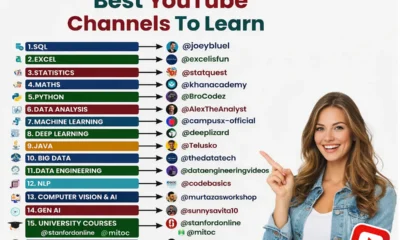

Best YouTube Channels to Learn Tech Skills for Free
Learning technology skills today is easier than ever. You don’t need expensive courses or a computer science degree anymore. YouTube...


12 Underrated Apps To Learn Something New Every Day
Let’s be honest. Most of us spend 3–5 hours a day on our phones. Scrolling social media. Watching random videos....


Google Launches Gemini 3.1 Pro: A Big Step Forward in Artificial Intelligence
Google has officially introduced Gemini 3.1 Pro, its newest and most powerful artificial intelligence model. This launch is part of...


How to Create Unlimited AI Videos in One Click for Free (2026 Guide)
Artificial Intelligence is changing how we create content online. Today, you don’t need expensive software, video editing skills, or hours...


How to Make AI Survival ASMR Videos in 2026: New Viral YouTube Niche
YouTube trends change very quickly. Every few months, a new content style appears and suddenly thousands of creators start using...


How to Run Meta Ads on a Small Budget ($100/Day Strategy That Actually Works)
Most businesses believe you need a huge advertising budget to get results from Meta Ads. That’s simply not true. In...


5 Free Facebook AI Tools to Solve 90% of Your Ad Problems
Running Facebook ads used to mean endless guesswork. You would test audiences manually, duplicate ad sets endlessly, refresh creatives every...

How to Automate Meta Ads Using Manus AI?
Meta Ads are evolving faster than ever. Manual optimization, endless A/B testing, creative fatigue, reporting stress — all of it...


How to Build Automated Online Income in 2026 – The “Sleepy” Side Hustle Blueprint
“Stop ignoring this.”“Boost your income.”“Get paid while you sleep.” You’ve seen headlines like that everywhere. Screenshots of large payouts. Smiling...


How to Sell on Amazon FBA in 2026: The Complete, Future-Proof Blueprint for Beginners & Growth Sellers
Amazon FBA (Fulfillment by Amazon) is no longer just a side-hustle trend. It’s a sophisticated eCommerce ecosystem where brand building,...
-
 Career2 years ago
Career Opportunities for Seniors: 7 Jobs that are Perfect for Older Adults
-

 Career1 year ago
5 Free Job Posting Sites in the UK (For Employers)
-
 Money2 months ago
26 Lucrative Passive Income Ideas to Build Wealth in 2026
-
 Job Description2 years ago
Graphic Designer Job Description: Education, Salary, Skills, Work Hours
-
 Jobs2 months ago
15 Best Second Jobs to Boost Your Income in the UK for 2026
-
 News1 year ago
UK Government Offers £300 to Households: How to Claim Your Payment?
-

 AI & Tools2 months ago
ChatGPT vs Copilot: Which AI Is Best for You in 2026?
-

 Career2 years ago
13 Best Jobs That AI Can’t Replace: A Guide to Future-proof Careers