
Motivation
8 Fresh Start Habits for Positive Change and Long-Term Progress
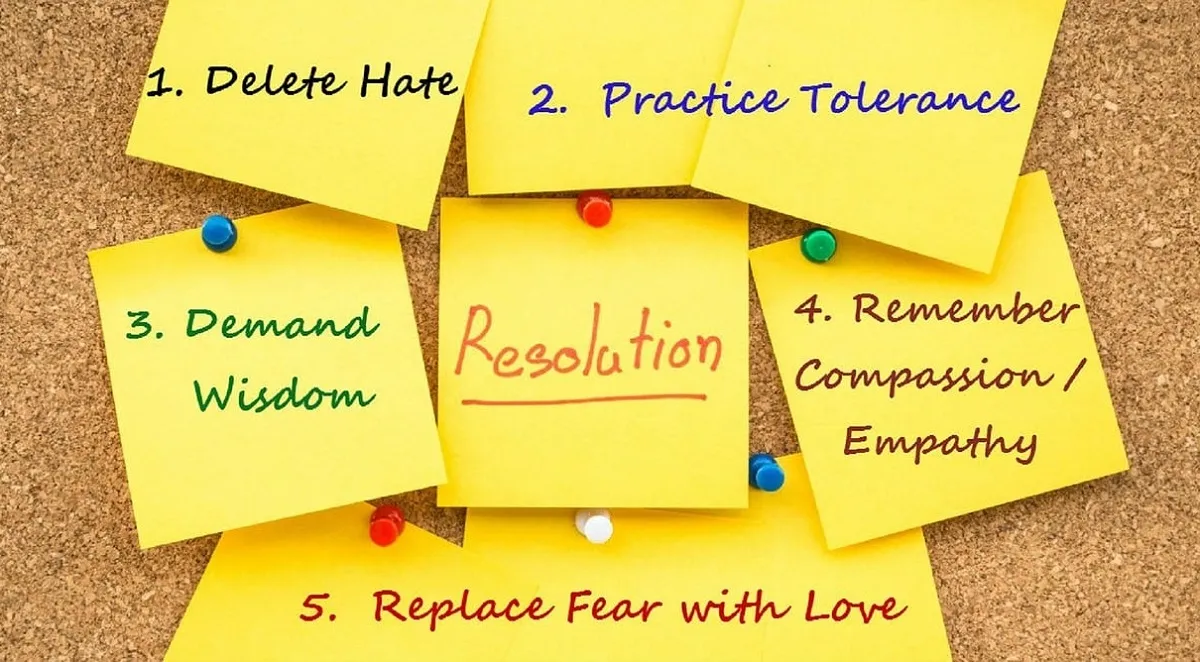
You do not need to wait for a new year, a new month or a special milestone to make a positive change. A fresh start can begin whenever you decide that an area of your life or work needs more attention.
The most useful changes are usually realistic enough to continue. Instead of trying to improve everything at once, focus on a few priorities and build habits that can work with your actual responsibilities and circumstances.
Why You Do Not Need a New Year to Make a Fresh Start
New beginnings can feel motivating because they create a clear point for reflection. However, waiting for a particular date can also delay changes you are already ready to make.
A fresh start does not require a perfect plan. It can begin with one practical decision: reviewing a habit, improving a skill, organising an important task or giving more attention to something that matters to you.
1. Start With One Clear Change
Broad intentions such as “improve my life” or “be more successful” can be difficult to act on. Choose one area where a change would make a meaningful difference.
For example, you might decide to improve your job-search routine, manage your finances more carefully, develop a professional skill or create more time for an important responsibility.
2. Prioritise What Matters Most
Not every goal deserves the same amount of time. Trying to treat every ambition as equally urgent can lead to exhaustion and unfinished plans.
Ask yourself which responsibilities and goals matter most at the moment. Priorities can change over time, so review them rather than assuming the same plan must always continue.
3. Make Your Plan Realistic
A good plan should take account of your available time, energy, money and responsibilities. An ambitious goal is not automatically a useful goal if the plan required to reach it cannot realistically be maintained.
Break larger goals into smaller actions and choose a pace you can continue.
4. Improve Your Financial Habits Gradually
Financial progress often begins with understanding your current position. Review regular spending, important commitments and realistic opportunities to save or reduce unnecessary costs.
Avoid comparing your financial situation with other people’s public image. Circumstances differ, and sustainable progress is usually more useful than dramatic short-term changes.
5. Create More Time Away From Constant Distractions
Messages, notifications and endless online content can divide attention throughout the day. You do not need to remove all technology, but it can help to decide when you want to focus without unnecessary interruptions.
Protecting a small amount of uninterrupted time can be valuable for important work, learning or personal responsibilities.
6. Make Space for Important Relationships and Activities
Progress is not only about career or financial goals. Relationships, family responsibilities, interests and rest can also be important parts of a meaningful life.
Consider whether your current routine leaves reasonable space for the people and activities you value.
7. Use Simple Systems to Stay Consistent
Motivation naturally changes. Simple systems can make important actions easier to remember when enthusiasm is lower.
- Keep important tasks in one reliable place.
- Set reminders for deadlines and recurring responsibilities.
- Prepare what you need before starting a task.
- Make the next action clear and specific.
- Reduce unnecessary steps where possible.
8. Review Your Progress and Adjust Your Plan
A plan is not a contract that must remain unchanged. Review what is working and what is not. If circumstances change, adjust the goal or the method rather than assuming that changing direction means failure.
How to Turn Good Intentions Into Practical Habits
Good intentions are easier to follow when they are connected to specific actions.
Make the Next Step Small
Choose an action that is clear enough to begin. “Read for twenty minutes” is easier to act on than “become more knowledgeable”.
Connect the Habit to Your Routine
Consider when the action can realistically happen. A plan that ignores your normal responsibilities is less likely to last.
Review the Environment
Make useful actions easier and unnecessary distractions harder. Preparing materials in advance or choosing a quiet time can reduce friction.
Expect Imperfect Consistency
Missing a day or falling behind does not mean the entire plan has failed. Restart with the next practical action.
What to Do When You Lose Momentum
Loss of momentum is common, particularly when a goal takes longer than expected.
- Review whether the goal is still important to you.
- Reduce the size of the next action.
- Identify practical barriers rather than blaming yourself immediately.
- Ask whether your plan needs more time, support or information.
- Restart without trying to compensate for every missed step.
Common Mistakes When Setting Personal Goals
- Trying to change every area of life at the same time.
- Setting goals without considering available time and responsibilities.
- Relying entirely on motivation.
- Expecting progress to happen at a constant pace.
- Comparing your progress constantly with other people.
- Giving up after a short interruption.
Frequently Asked Questions
When is the best time to make a fresh start?
Whenever you have identified a meaningful change and are ready to take a practical step. You do not need to wait for a new year or another special date.
How many goals should I focus on at once?
There is no single number that suits everyone. Focus on enough priorities that you can realistically support them without neglecting important responsibilities.
What should I do if I lose motivation?
Reduce the next step, review why the goal matters and rely on a simple routine rather than expecting motivation to remain constant.
Does changing a goal mean I have failed?
No. Circumstances, information and priorities can change. Adjusting a plan can be a sensible response when the original approach is no longer suitable.
Final Thoughts
A fresh start does not need to be dramatic. Meaningful progress can begin with one clear change, a realistic plan and a willingness to review what happens.
Choose priorities that matter to you, build manageable habits and adjust when circumstances change. The goal is not perfect consistency but steady progress that can be maintained over time.
For related guidance, read 10 Habits That Can Help You Make Steady Progress in Life and Work, 10 Things That May Be Holding Back Your Personal and Career Progress and How to Build Self-Confidence: Practical Steps for Work and Life.


How to Use AI to Identify Your Transferable Skills
Changing careers can feel difficult because job titles often make people focus on what they have not done instead of...

How to Use AI Responsibly When Applying for Jobs
AI can help job seekers save time when researching roles, improving a CV, preparing a cover letter and practising for...

AI Skills Every Job Seeker Should Learn (Without Becoming an AI Expert)
Artificial intelligence is becoming part of everyday work in many industries. You do not need to become a programmer, data...


How to Get a Job in the UK: A Complete Step-by-Step Guide
Finding a job in the UK can feel difficult, especially when you are competing with many other applicants. The process...

How to Write a CV With No Experience
Find out how to write a CV with no experience, what to include and how students, graduates and first-time job...


What Is a Job Description and What Should You Look For?
What is a job description? Understand what it means, what to look for and how to use it to decide...
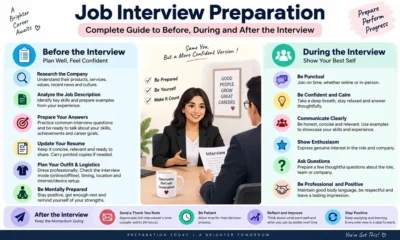

Job Interview Preparation: Complete Guide to Before, During and After the Interview
A complete job interview preparation guide covering common questions, competency answers, remote interviews, interview mistakes and what to do after...
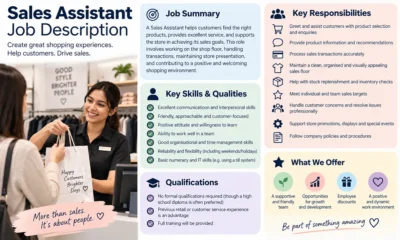

Sales Assistant Job Description: Duties, Skills, Salary and Career Guide UK
A Sales Assistant helps customers, processes purchases and supports the day-to-day running of a retail environment.


Web Developer Job Description: Duties, Skills, Salary and Career Guide UK
A Web Developer builds, maintains and improves websites and web applications. See the main duties, skills, qualifications, salary expectations and...
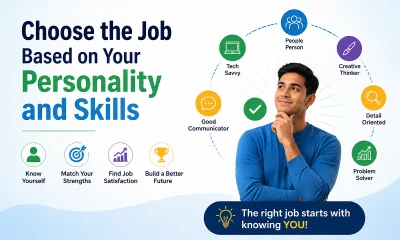

Choose an Entry-Level Job Based on Your Personality and Skills
Choosing your first job can be confusing. There are hundreds of entry-level jobs in the UK, but the best option...
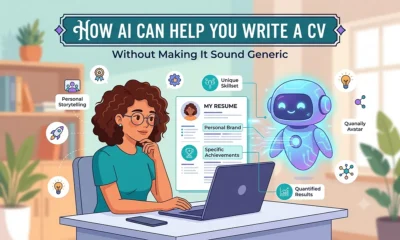

How AI Can Help You Write a CV Without Making It Sound Generic
Find out how to use AI to improve your CV, tailor your experience and write clearer applications without adding false...


Python Interview Cheat Sheet: 30 Python Concepts You Should Know Before Your Next Coding Interview
Python is one of the most popular programming languages for beginners and professional developers. It is widely used in web...


AI Could Replace Millions of Entry-Level Jobs in the UK by 2035: Which Roles Are Most at Risk?
Artificial intelligence is changing the way people work across the UK. From customer service and administration to data processing and...


How to Get a Job When There Are Fewer Vacancies
Finding a job can become more difficult when fewer suitable vacancies are available. You may see the same roles repeatedly,...

How UK Job Seekers Can Use LinkedIn to Find More Job Opportunities
Use LinkedIn more effectively in your UK job search with practical advice on improving your profile, finding jobs, networking and...

Why Is It So Hard to Get a Job in the UK?
If you have been applying for jobs in the UK and getting very few replies, you are not alone. Many...


Entry-Level Jobs in the UK Compared: Pay, Difficulty, Stress and Career Growth
Starting your career can be confusing, especially when there are so many entry-level jobs available in the UK. While some...


Why Are Graduate Jobs Becoming Harder to Find in the UK?
Graduating from university is supposed to feel like the beginning of a new chapter. You finish your degree, prepare your...

Why Good Candidates Fail Job Interviews: 10 Reasons You May Not Get the Job
Find out why good candidates can fail job interviews, what may affect an employer's decision and how to improve before...


30 Entry-Level Jobs in the UK for People With Little or No Experience
Finding your first job can feel difficult, especially when many vacancies ask for previous work experience. The good news is...
-
 Career3 years ago
Career Opportunities for Seniors: 7 Jobs that are Perfect for Older Adults
-
 Jobs8 months ago
15 Best Second Jobs to Boost Your Income in the UK for 2026
-

 Career2 years ago
5 Free Job Posting Sites in the UK (For Employers)
-
 How-to8 months ago
How to Make Money with Google Gemini: Practical Methods Anyone Can Start
-

 AI & Tools7 months ago
10 Insane Ways Google Gemini Will Explode Your Productivity in 2026
-

 Job Description2 years ago
Support Worker Job Description: Duties, Skills, Salary and Career Guide UK
-

 AI & Tools7 months ago
ChatGPT vs Microsoft Copilot: Which AI Is Best for You?
-

 Career3 years ago
13 Best Jobs That AI Can’t Replace: A Guide to Future-proof Careers