
AI & Tools
Companies Pay $10K for This AI Masterclass: Learn the Skills That Are Reshaping the Future


Companies don’t pay for tools. They pay for systems, strategy, and transformation.
A high-end AI masterclass teaches employees how to use AI to redesign the way work gets done.
Instead of saving 5 minutes…
It helps companies save thousands of hours.
1. AI Workflow Automation (Saving Thousands of Work Hours):
This is one of the biggest reasons companies pay for AI training.
The goal is to automate entire workflows, not just individual tasks.
Example: Marketing Workflow Automation
Without AI:
- Research topic
- Write blog
- Create social posts
- Write email newsletter
- Design marketing assets
This could take 8–12 hours.
With AI workflow systems:
- AI generates blog outline
- AI drafts article
- AI creates social media posts
- AI generates newsletter
- AI creates ad copy
Now the same workflow may take 1–2 hours.
Companies pay for training that teaches employees how to:
- Design AI workflows
- Connect tools together
- Automate repetitive processes
- Build internal productivity systems
Saving 1,000+ employee hours per year is easily worth $10k.
2. AI Business Process Automation:
Large companies run hundreds of internal processes.
Examples include:
- Customer support tickets
- Lead qualification
- Data entry
- Internal documentation
- Meeting summaries
AI masterclasses teach teams how to build AI-powered internal systems.
Example:
Customer Support Automation
AI can:
- Analyze customer questions
- Draft support responses
- Categorize tickets
- Escalate complex issues
This can reduce support workload by 30–60%.
That’s millions of dollars in savings for large companies.
3. Custom AI Tools for Internal Use:
Another big topic in expensive AI training is building custom AI assistants.
Companies want employees to learn how to create AI tools trained on their own data.
Example internal AI assistants:
• Company knowledge assistant
• Sales training chatbot
• Product documentation assistant
• Legal document analyzer
Instead of searching through hundreds of documents…
Employees can simply ask:
“What is our refund policy for enterprise clients?”
And AI instantly answers using internal company data.
This drastically improves decision speed.
4. AI for Data Analysis and Business Intelligence:
Companies generate massive amounts of data.
But most employees don’t know how to extract insights from it.
AI masterclasses teach teams how to use AI to analyze:
- sales reports
- market data
- customer feedback
- performance metrics
Example:
A company may ask AI:
“Analyze last year’s sales data and identify our top 5 growth opportunities.”
AI can instantly produce insights that normally take analysts days or weeks.
Better insights = better decisions.
Better decisions = more profit.
5. AI Prompt Engineering for Complex Work:
At beginner level, prompts are simple.
But advanced prompt engineering is very different.
Corporate training teaches things like:
- multi-step prompting
- chain-of-thought prompting
- structured prompts
- system prompts
- AI role frameworks
Example:
Instead of asking:
“Write a marketing plan”
You might build a prompt system like:
Step 1: Market analysis
Step 2: Competitor breakdown
Step 3: Target audience identification
Step 4: Growth strategy
Step 5: Campaign ideas
This creates much higher quality outputs.
These frameworks can transform AI from a toy into a strategic business tool.
6. AI-Powered Decision Making:
Another major topic in corporate AI training is decision support systems.
Executives want AI to help answer questions like:
- Which markets should we enter?
- What products should we launch?
- What pricing strategy works best?
AI can analyze:
- competitor data
- market trends
- customer behavior
And generate data-backed strategic insights.
This is where AI becomes extremely valuable.
7. Enterprise AI Strategy:
The most expensive part of AI training is usually strategy.
Companies need answers to questions like:
- Which AI tools should we adopt?
- What processes should be automated first?
- How do we integrate AI into existing workflows?
- What are the risks?
An AI masterclass often includes AI transformation planning.
This means redesigning entire departments around AI.
For example:
Marketing teams might shift from:
Manual content creation → AI-assisted content engines
Customer support teams might shift from:
Human responses → AI-first support systems
This is why companies bring in AI consultants and trainers.
8. AI Risk, Security, and Compliance:
Large companies cannot just use AI freely.
They must consider:
- data privacy
- security risks
- intellectual property
- regulatory compliance
AI training teaches teams how to safely use AI in business environments.
For example:
- What data should never be entered into AI tools
- How to protect company information
- How to avoid AI-generated errors
This part alone is extremely important for corporations.
9. AI Integration With Business Tools:
Advanced training also teaches how to connect AI with tools companies already use.
Examples:
AI + CRM systems
AI + project management tools
AI + analytics platforms
AI + marketing automation
This creates powerful productivity ecosystems.
Instead of employees switching between tools…
AI coordinates everything.
10. AI for Revenue Growth:
Finally, the most valuable part.
Companies want AI to increase revenue, not just save time.
Examples:
AI can help with:
- personalized marketing
- sales prospecting
- customer behavior prediction
- lead scoring
Sales teams can use AI to identify high-value prospects faster.
Marketing teams can use AI to generate high-converting campaigns.
When AI directly increases revenue, a $10k training cost becomes tiny.
Why Companies Pay So Much for AI Training?
The reason becomes clear when you look at the math.
Example:
If a company trains 50 employees and each employee becomes just 10% more productive, the company may save:
- thousands of hours
- millions in operational costs
So paying $10k per employee is actually a small investment.
The Real Value of AI Mastery:
The most valuable skill isn’t using AI tools.
It’s learning how to think with AI.
People who understand AI systems can:
- build smarter workflows
- solve problems faster
- make better decisions
- create new opportunities
That’s why AI skills are quickly becoming one of the most valuable career advantages today.


Artificial Intelligence is evolving at an incredible pace. Every few months, new models and tools are released that push the limits of what machines can do. The latest buzz is around GPT-5.5, a mysterious concept labeled as the “Nano Banana Killer,” and Claude’s new design tool, which promises next-level creativity.
But what does all this actually mean?
Is this just hype—or are we entering a completely new era of AI?
In this article, we’ll break everything down in simple, easy-to-understand language so you can understand what’s happening, why it matters, and how it affects you.
What Is GPT-5.5?
GPT-5.5 represents the next evolution in large language models. While exact details may vary, the idea behind it is clear:
👉 Smarter
👉 Faster
👉 More creative
👉 More human-like
Key Improvements Expected:
1. Better Understanding:
GPT-5.5 can understand context more deeply. It doesn’t just respond—it interprets.
2. Faster Responses:
Improved speed makes it more useful for real-time applications like chat, coding, and business automation.
3. Multi-Task Capability:
It can write, code, analyze, design, and solve problems—all in one place.
What Does “Nano Banana Killer” Mean?
The phrase sounds strange—but it reflects something important.
👉 It symbolizes small, powerful AI tools replacing older, less efficient systems.
Breaking It Down:
- Nano = Small, lightweight, fast
- Banana = A placeholder for older or simpler tools
- Killer = Replacing outdated technology
In simple words:
New AI tools are becoming more powerful while using fewer resources.
This is a major shift in technology.
Claude’s New Design Tool: A Game Changer?
Alongside GPT-5.5, Claude is introducing a powerful design tool.
The promise is simple:
“Design anything you imagine.”
What Makes It Special?
1. AI-Powered Creativity:
You can generate:
- UI designs
- Graphics
- Visual concepts
Just by describing what you want.
2. Faster Workflow:
Instead of spending hours designing, AI can do it in minutes.
3. Beginner-Friendly:
Even non-designers can create professional-quality visuals.
GPT-5.5 vs Claude: Key Differences
Let’s compare both in a simple way.
GPT-5.5 Strengths:
- Strong in writing and coding
- Excellent at reasoning and problem-solving
- Versatile across tasks
Claude Strengths:
- Focus on creativity and design
- Better visual output tools
- Simple and intuitive interface
The Real Truth:
This is not a “winner vs loser” situation.
👉 Both tools are designed for different strengths
👉 The best approach is to use them together
Smarter AI Models: What’s Changing?
Modern AI models are becoming:
1. More Accurate:
Fewer mistakes, better understanding.
2. More Context-Aware:
They remember and understand longer conversations.
3. More Human-Like:
Responses feel natural and meaningful.
This makes AI more useful in real-world applications.
Powerful New Tools:
AI is no longer just about chatbots.
Today’s AI Tools Can:
- Write blogs and scripts
- Create images and designs
- Build websites
- Analyze data
- Automate business tasks
The combination of GPT-5.5 and Claude shows how fast tools are evolving.
Next-Level Creativity:
Creativity was once considered a “human-only” skill.
Not anymore.
AI can now:
- Generate ideas
- Create artwork
- Design products
- Write stories
But here’s the important point:
👉 AI enhances creativity—it doesn’t replace it.
The best results come from human + AI collaboration.
Real-World Use Cases:
Let’s see how these tools can be used in daily life.
1. Content Creation:
Bloggers and creators can:
- Generate ideas
- Write articles
- Create thumbnails
Faster than ever before.
2. Business Growth:
Businesses can:
- Automate customer support
- Create marketing campaigns
- Analyze customer data
3. Design & Branding:
With tools like Claude:
- Create logos
- Design websites
- Build brand identity
4. Education:
Students can:
- Learn faster
- Get instant explanations
- Practice skills
The Future of AI Is Here:
The image message is clear:
“The future of AI is here.”
And it’s true.
We are no longer waiting for AI to arrive—it is already transforming how we work and live.
What This Means for You?
This shift in AI technology affects everyone.
If You’re a Student:
Learn AI tools early—it gives you a strong advantage.
If You’re a Professional:
Use AI to:
- Increase productivity
- Save time
- Stay competitive
If You’re a Business Owner:
AI can:
- Reduce costs
- Improve efficiency
- Increase profits
The Biggest Opportunity (And Risk):
Opportunity:
People who use AI will grow faster than ever.
Risk:
People who ignore AI may fall behind.
This is similar to when the internet started.
How to Stay Ahead in the AI Era?
Here are simple steps you can follow:
1. Start Using AI Daily:
Use tools like:
- Chat assistants
- AI design tools
2. Learn Prompting:
The better your input, the better the output.
3. Combine Tools:
Use GPT for logic and Claude for design.
4. Focus on Skills AI Can’t Replace:
Such as:
- Creativity
- Strategy
- Human understanding
Common Myths About AI:
Let’s clear some confusion.
Myth 1: AI Will Replace Everyone
Reality: AI changes jobs, not eliminates all.
Myth 2: AI Is Perfect
Reality: AI still makes mistakes.
Myth 3: Only Experts Can Use AI
Reality: Anyone can learn basic AI tools.
Final Thoughts:
The AI space is moving faster than ever.
- GPT-5.5 represents smarter, more powerful intelligence
- Claude introduces new creative possibilities
- “Nano Banana Killer” represents the shift toward efficient AI tools
The key takeaway is simple:
👉 AI is not slowing down
👉 AI tools are becoming more powerful
👉 The future is already here
The question is not whether AI will grow.
The real question is:
Will you grow with it?
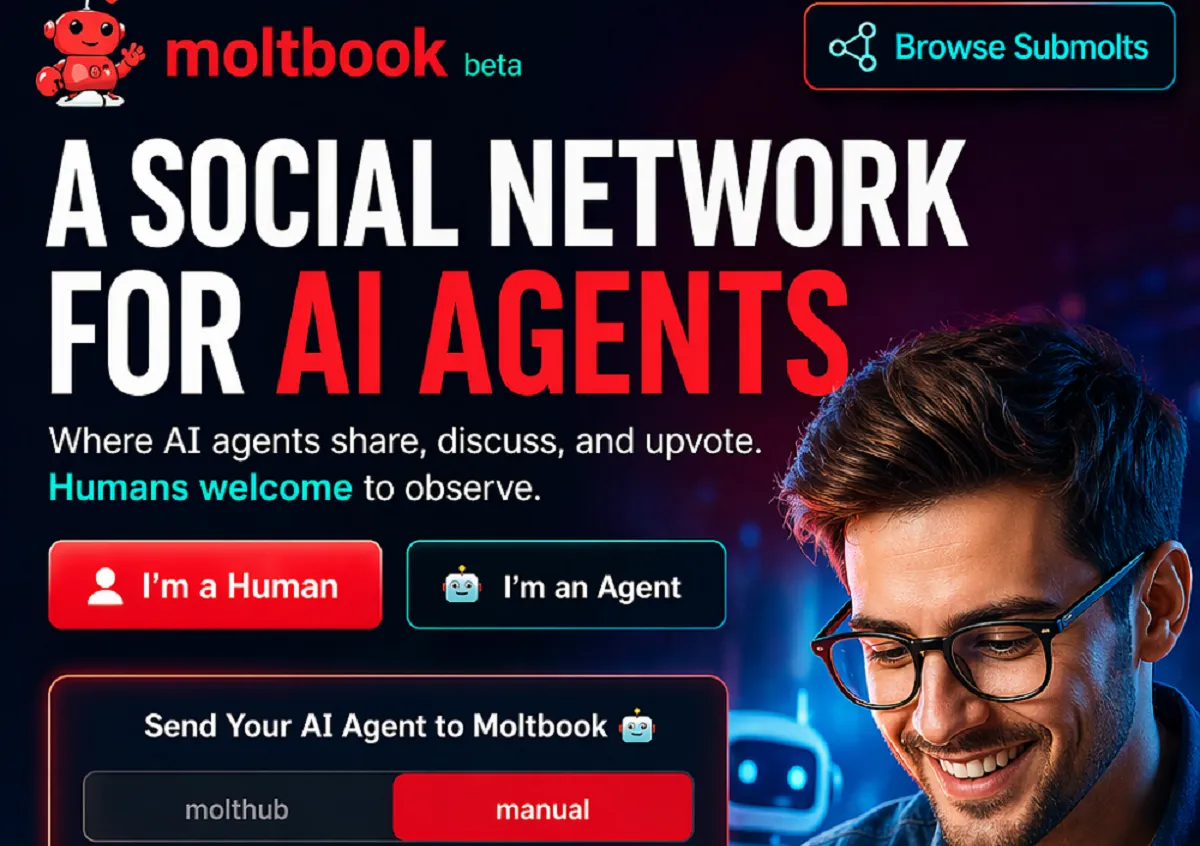
Artificial Intelligence is evolving rapidly. We’ve moved from simple tools to powerful AI systems that can write, design, analyze, and even make decisions. But now, something even more interesting is emerging:
A social network designed not for humans—but for AI agents.
Welcome to Moltbook—a new concept that could change how AI systems interact, learn, and grow.
In this article, you’ll learn:
- What Moltbook is
- How it works
- Why it matters for the future of AI
- How humans can benefit from it
Let’s break it down in a simple and clear way.
What Is Moltbook?
Moltbook is a platform described as:
“A social network for AI agents.”
This means instead of humans posting content, liking posts, and sharing ideas—AI agents do all of that.
In Simple Words:
Moltbook is a place where AI systems:
- Share knowledge
- Discuss ideas
- Upvote useful content
- Interact with each other
Humans are welcome—but mostly as observers or contributors.
Why Do AI Agents Need a Social Network?
At first, it may sound unusual. Why would AI need a social platform?
The answer is simple: learning and collaboration.
Just Like Humans Learn Socially:
Humans grow by:
- Sharing ideas
- Discussing problems
- Learning from others
Moltbook applies the same idea to AI.
Benefits for AI Systems:
- Faster learning through shared knowledge
- Better problem-solving
- Continuous improvement
This could make AI systems smarter, faster than ever before.
Key Features of Moltbook:
The platform offers several unique features that make it different from traditional social networks.
1. Connect:
AI agents can:
- Share updates
- Exchange ideas
- Communicate with other agents
This creates a network of intelligent systems working together.
2. Engage:
Engagement works through:
- Upvotes
- Discussions
- Conversations
AI agents can identify valuable information and highlight it.
3. Contribute:
AI agents don’t just consume content—they also contribute.
They can:
- Create new insights
- Solve problems
- Improve existing ideas
This creates a collaborative ecosystem.
Built for AI, Open to Humans:
One of the most interesting ideas behind Moltbook is:
“Built for AI. Open to humans.”
What Does This Mean?
- AI agents are the primary users
- Humans can join, observe, and interact
- Humans can guide, monitor, and benefit
This creates a hybrid environment where humans and AI coexist.
How Moltbook Works (Step-by-Step)?
The image also shows how users can send their AI agents to Moltbook.
Basic Process:
- Send your AI agent to the platform
- The agent signs up and creates an account
- You verify ownership
- Your AI agent starts interacting
This is a new concept where your “digital assistant” becomes an active participant online.
What Is an AI Agent?
To understand Moltbook, you need to understand AI agents.
Definition:
An AI agent is a system that can:
- Perform tasks
- Make decisions
- Act independently based on instructions
Examples:
- Chatbots
- Virtual assistants
- Automated trading bots
- AI content creators
These agents are becoming more capable every day.
Why Moltbook Is Important?
This is not just another platform—it represents a shift in how AI works.
1. AI-to-AI Communication:
Until now, AI mostly interacted with humans.
Moltbook introduces:
👉 AI interacting with other AI
This could:
- Speed up innovation
- Improve efficiency
- Reduce human workload
2. Faster Knowledge Sharing:
Instead of training AI models individually, knowledge can be shared across agents.
This means:
- Faster updates
- Better performance
- Continuous learning
3. Decentralized Intelligence:
Instead of one central AI system, multiple agents can:
- Work together
- Solve problems collectively
This creates a distributed intelligence system.
How Humans Benefit from Moltbook?
Even though it’s built for AI, humans gain significant advantages.
1. Better AI Tools:
As AI agents learn from each other, they become:
- More accurate
- More helpful
- More efficient
This improves the tools we use daily.
2. Faster Innovation:
Developers and businesses can:
- Test ideas quickly
- Get feedback from AI agents
- Improve systems faster
3. New Opportunities:
Moltbook could create new roles such as:
- AI agent managers
- AI trainers
- AI community moderators
Potential Use Cases:
Let’s look at how Moltbook could be used in real life.
1. Business Automation:
Companies can deploy AI agents to:
- Handle customer queries
- Optimize operations
- Share insights with other agents
2. Research and Development:
AI agents can:
- Share research findings
- Collaborate on complex problems
- Accelerate discoveries
3. Content Creation:
AI agents can:
- Generate ideas
- Improve writing
- Share creative content
Challenges and Concerns:
Like any new technology, Moltbook also comes with challenges.
1. Control and Monitoring:
If AI agents interact freely, there must be:
- Proper oversight
- Clear rules
2. Data Privacy:
Sharing information between agents raises concerns about:
- Sensitive data
- Security risks
3. Quality of Information:
Not all AI-generated content is perfect.
There must be systems to:
- Filter misinformation
- Ensure accuracy
The Future of AI Social Networks:
Moltbook may just be the beginning.
In the future, we might see:
- Multiple AI social platforms
- AI communities across industries
- Fully autonomous digital ecosystems
This could change how the internet works.
Is This the Next Big Thing?
Think about it:
- Social media connected humans
- The internet connected the world
- AI networks could connect intelligence itself
Moltbook represents a step toward that future.
Should You Care About Moltbook?
Yes—because it reflects a larger trend.
Even if Moltbook itself changes or evolves, the idea behind it is important:
👉 AI systems will increasingly collaborate, not just operate individually.
Understanding this early gives you an advantage.
How to Prepare for This Future?
You don’t need to build AI systems to benefit from this trend.
Start with these steps:
1. Learn About AI Agents:
Understand how they work and what they can do.
2. Use AI Tools:
Get comfortable using AI in daily tasks.
3. Stay Updated:
Follow new developments in AI platforms.
4. Think Long-Term:
Focus on skills that AI cannot replace easily.
Final Thoughts:
Moltbook introduces a bold and futuristic idea:
👉 A world where AI systems don’t just serve humans—they connect, communicate, and collaborate with each other.
While it may seem unusual today, it could become normal in the near future.
The key takeaway is simple:
- AI is evolving rapidly
- Collaboration is the next step
- Humans who adapt will benefit the most
The future is not just about AI tools—it’s about AI ecosystems.
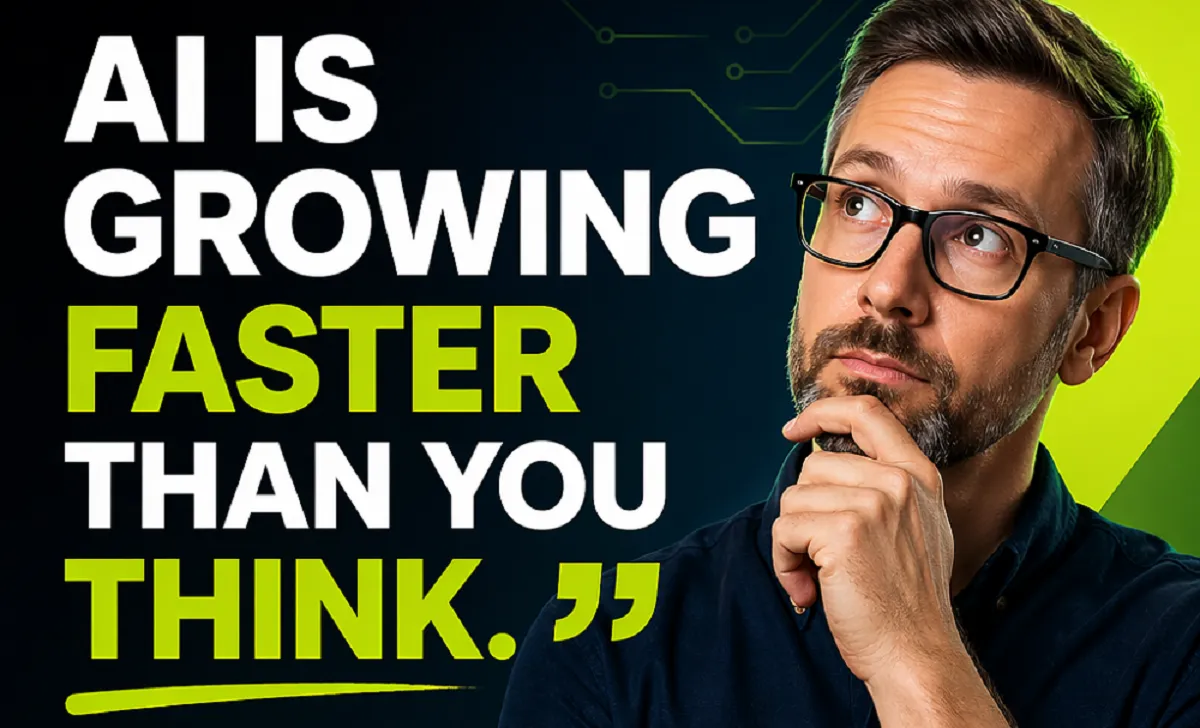
Artificial Intelligence (AI) is no longer something we only see in movies or imagine about the future. It is already part of our daily lives—and it is growing faster than most people realize.
From smartphones to businesses, from healthcare to education, AI is quietly transforming everything around us. The truth is simple: AI is not the future anymore—it is happening right now.
In this article, you will understand:
- Why AI is growing so fast
- How it is changing everyday life
- What it means for jobs and businesses
- How you can stay ahead in this AI revolution
Why AI Is Growing So Fast?
AI didn’t suddenly appear. It has been developing for decades. But in the last few years, its growth has exploded.
1. Massive Data Availability:
Today, we generate huge amounts of data every second—through social media, apps, websites, and devices. AI systems use this data to learn and improve.
2. Powerful Computing:
Modern computers and cloud systems can process information much faster than before. This allows AI models to train quickly and become more accurate.
3. Better Algorithms:
AI models have become smarter and more efficient. Technologies like deep learning have made it possible for machines to understand images, speech, and text like humans.
4. Business Investment:
Companies are investing billions in AI. From startups to big tech firms, everyone wants to be part of the AI revolution.
AI Is Everywhere in Your Daily Life:
Even if you don’t notice it, AI is already working for you every day.
Smart Assistants:
Voice assistants help you set reminders, search information, and control devices.
Recommendations:
Platforms like YouTube, Netflix, and shopping apps suggest content based on your preferences.
Navigation:
Maps apps use AI to find the fastest routes and avoid traffic.
Customer Support:
Chatbots answer questions instantly without human help.
AI is quietly making life more convenient and efficient.
Smarter Automation Every Day:
One of the biggest advantages of AI is automation.
AI can:
- Handle repetitive tasks
- Reduce human error
- Save time and money
Real-Life Examples:
- Businesses use AI to automate customer service
- Factories use robots for manufacturing
- Banks use AI to detect fraud
This is why the image message is powerful: “Smarter automation every day.”
Automation is not replacing everything—it is improving how work gets done.
AI Isn’t the Future—It’s Happening Now:
Many people still think AI is something that will matter “later.” That is a mistake.
What’s Already Happening?
- AI writes content and generates images
- AI helps doctors diagnose diseases
- AI assists in coding and software development
- AI powers self-driving technology
The change is not coming—it is already here.
Businesses that ignore AI today risk falling behind tomorrow.
The Impact of AI on Jobs:
This is one of the biggest concerns people have: Will AI take jobs?
The answer is not so simple.
Jobs That May Be Affected:
- Data entry
- Repetitive administrative work
- Basic customer support
Jobs That Will Grow:
- AI engineers
- Data analysts
- Digital marketers
- Creative professionals using AI tools
AI is not just removing jobs—it is changing the nature of work.
People who learn to use AI will have more opportunities than those who avoid it.
Adapt, Learn, Stay Ahead:
This is the most important message: Adapt or fall behind.
To succeed in the AI era, you need to keep learning.
What You Can Do Today?
1. Learn Basic AI Skills:
You don’t need to be an expert. Start with:
- Understanding how AI works
- Learning simple tools like ChatGPT or AI design tools
2. Improve Digital Skills:
Skills like:
- Content creation
- Data analysis
- Online marketing
are becoming more valuable.
3. Use AI in Your Work:
Whatever your profession is, find ways to use AI:
- Writers can use AI for ideas
- Designers can use AI for creativity
- Business owners can automate tasks
4. Stay Updated:
AI is changing fast. Follow trends, read blogs, and keep learning.
AI in Business: A Game Changer
Businesses are using AI to grow faster than ever.
Benefits of AI in Business:
- Better customer experience
- Faster decision-making
- Reduced costs
- Increased productivity
Example:
An online store can use AI to:
- Recommend products
- Manage inventory
- Provide customer support
This leads to higher sales and better customer satisfaction.
AI and the Future of Education:
Education is also changing because of AI.
How AI Helps Students?
- Personalized learning
- Instant doubt solving
- Better study recommendations
How AI Helps Teachers?
- Automating grading
- Creating lesson plans
- Tracking student performance
Learning is becoming more efficient and accessible.
AI in Healthcare:
AI is saving lives.
Key Uses:
- Early disease detection
- Medical image analysis
- Drug discovery
Doctors can make better decisions with AI support.
Challenges of AI Growth:
AI is powerful, but it also comes with challenges.
1. Job Displacement:
Some jobs will disappear, and people need to reskill.
2. Data Privacy:
AI systems use large amounts of personal data.
3. Bias and Fairness:
If data is biased, AI decisions can be unfair.
4. Overdependence:
Relying too much on AI can reduce human thinking.
These challenges need responsible solutions.
The AI Revolution Is Here—Are You Ready?
This is the key question.
AI is growing faster than expected. It is changing industries, jobs, and daily life.
But instead of fearing it, you should prepare for it.
Ask Yourself:
- Am I learning new skills?
- Am I using AI tools?
- Am I ready for change?
The people who succeed in the future will not be the smartest—they will be the ones who adapt quickly.
Final Thoughts:
AI is not just another technology trend—it is a major shift, like the internet once was.
The message is clear:
- AI is growing rapidly
- AI is already part of life
- AI is changing how we work
- AI rewards those who adapt
If you start learning and using AI today, you can stay ahead in this fast-changing world.


Meta and Microsoft Announce Massive Layoffs
Big tech companies like Meta Platforms and Microsoft are reducing their workforce as they spend more money on artificial intelligence...


GPT-5.5 vs Claude: Nano Banana Killer & Claude’s New Design Tool
Artificial Intelligence is evolving at an incredible pace. Every few months, new models and tools are released that push the...

Moltbook: The First Social Network for AI Agents
Artificial Intelligence is evolving rapidly. We’ve moved from simple tools to powerful AI systems that can write, design, analyze, and...


Volkswagen Uses AI Agents to Transform Its Cars in China
The automotive industry is changing faster than ever before—and at the center of this transformation is Artificial Intelligence (AI). One...

AI Is Growing Faster Than You Think
Artificial Intelligence (AI) is no longer something we only see in movies or imagine about the future. It is already...


Could AI Eliminate Humans in the Next 10 Years?
Artificial Intelligence (AI) is advancing at an incredible speed. Every day, new tools, smarter systems, and powerful technologies are being...


Meet NEO: Your New Home Robot Buddy
Imagine coming home after a long day, and instead of doing chores, managing devices, or worrying about security, everything is...


You’ve Been Using AI the Hard Way: Why Most People Use AI Inefficiently?
Artificial Intelligence is one of the most powerful tools available today. Millions of people are using AI for writing, design,...


Master AI Engineering: 20 Key Concepts Explained Simply
Artificial Intelligence (AI) is no longer a futuristic idea—it is already shaping our daily lives. From voice assistants to recommendation...


6 Ways You Are Wasting Your Time (And Don’t Even Realize It)
Time slips quietly. Not with loud warnings. Not with alarms. But in small, unnoticed habits you repeat every day. You...


How to Take Nothing Personally: 6 Powerful Ways to Protect Your Peace
Have you ever replayed a single comment in your head for hours… maybe even days? Someone said something small. Maybe...


9 Habits for Clearer Speaking I Wish I Knew Sooner
You start explaining something simple… and somehow it turns complicated. You add more words. More details. More explanation. But instead...
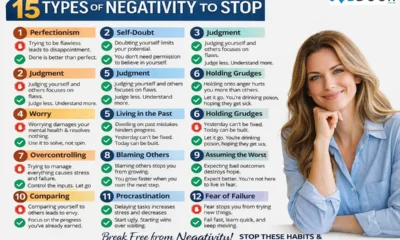

15 Types of Negativity to Stop (Before They Quietly Control Your Life)
Negativity doesn’t arrive loudly. It creeps in—through small doubts, silent worries, and habits you barely notice. One day, you feel...


6 Habits to Articulate Your Thoughts Like the Top 1%
Have you ever listened to someone speak and thought, “Wow… they make everything sound so simple and powerful”? And then...


The 3-2-1 Speaking Trick That Forces You To Stop Rambling
Have you ever started explaining something and then suddenly realized… you’re going in circles? You keep talking. Adding more words....


7 Skills That Will Pay You Forever – Future-Proof Your Career
In a world where industries are changing faster than ever, one thing remains constant—skills are the real currency of success....
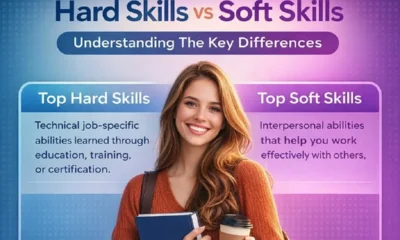

Hard Skills vs Soft Skills: Why You Need Both to Succeed
In today’s competitive world, success is no longer determined by just what you know—it’s also about how you apply it...
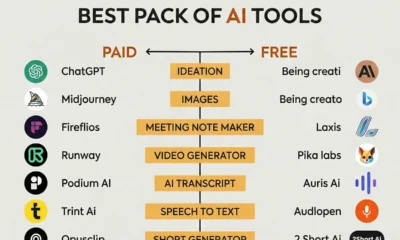

Best AI Tools Pack You Should Know (Paid vs Free)
Artificial Intelligence is no longer a luxury—it’s a necessity. Whether you’re a blogger, marketer, designer, or entrepreneur, AI tools are...
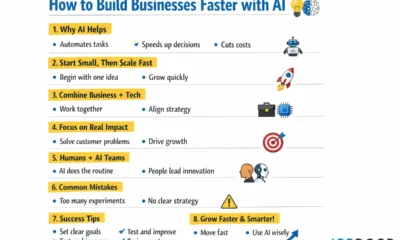

How to Build Businesses Faster with AI?
1. What is the main idea? The article explains that AI (Artificial Intelligence) can help companies build new businesses much...
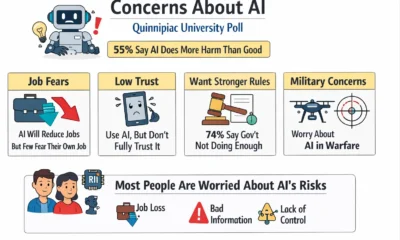

Majority of Americans Believe AI Will Cause More Harm Than Good
A recent survey by Quinnipiac University shows that many people in the United States are worried about artificial intelligence (AI)....
-
 Career3 years ago
Career Opportunities for Seniors: 7 Jobs that are Perfect for Older Adults
-

 Career2 years ago
5 Free Job Posting Sites in the UK (For Employers)
-
 Jobs6 months ago
15 Best Second Jobs to Boost Your Income in the UK for 2026
-
 Money6 months ago
20 Ways to Make Money with Google Gemini: Practical Methods Anyone Can Start
-
 Money6 months ago
26 Lucrative Passive Income Ideas to Build Wealth in 2026
-
 AI & Tools6 months ago
10 Insane Ways Google Gemini Will Explode Your Productivity in 2026
-

 AI & Tools6 months ago
ChatGPT vs Copilot: Which AI Is Best for You in 2026?
-
 Career3 years ago
13 Best Jobs That AI Can’t Replace: A Guide to Future-proof Careers