
Jobs
5 Most Common Job Interview Mistakes to Avoid


Job interviews can be nerve-wracking, but they’re your golden ticket to landing the dream role you’ve been eyeing. While the pressure is real, many job seekers sabotage their chances by making avoidable mistakes.
As a career coach, I often see people making the same interview mistakes. Let’s break down some common blunders and how to dodge them like a pro. By the end of this article, you’ll be ready to walk into any interview with confidence and clarity. Here’s what to do!
5 Most Common Job Interview Mistakes:
Mistake #1: Being Too Open to “Any Opportunity”:
One of the biggest red flags for recruiters is when candidates seem desperate or unfocused by saying they’re open to “any opportunity.” This vague response makes it look like you haven’t thought about your career goals.
What to Do Instead:
- Tailor your pitch to the specific role you’re applying for.
- Mention the aspects of the role or company that genuinely excite you.
- Prepare a clear narrative about your career path and how this job fits in.
Example: Instead of saying, “I’ll take anything,” say, “I’m particularly drawn to this role because of its focus on specific responsibility. It aligns perfectly with my skills and long-term goals.”
Mistake #2: Not Answering Questions Directly:
Dodging or providing vague answers during an interview can come across as unprepared or evasive. Employers are looking for clear, concise, and honest responses.
What to Do Instead:
- Practice common interview questions and develop structured answers.
- Use the STAR method (Situation, Task, Action, Result) to frame your responses.
- If you don’t know an answer, admit it honestly and pivot to how you’d solve the problem.
Example: If asked about a skill you’re still learning, avoid dodging the question. Instead, say, “While I’m not an expert, I’ve been taking online courses and practicing it in smaller projects.”
Mistake #3: Not Preparing Questions for the Interviewer:
When the interviewer asks, “Do you have any questions for us?” and you reply with, “No, you covered everything,” it’s a missed opportunity to showcase your curiosity and enthusiasm.
What to Do Instead:
- Research the company and role to develop meaningful questions.
- Focus on questions that demonstrate your interest in their culture, goals, or challenges.
- Avoid generic or self-serving questions like, “How much will I get paid?” (Save the salary question for after receiving an offer.)
Example Questions:
- “What does success look like in this role over the first 90 days?”
- “What are some challenges the team is currently facing?”
- “How would you describe the company culture?”
Mistake #4: Having No Value Proposition:
Employers want to know what makes you unique and how you’ll contribute to their team. If you fail to communicate your value, they may struggle to see why you’re the right fit.
What to Do Instead:
- Identify your key strengths and skills relevant to the role.
- Prepare a personal “elevator pitch” that summarizes your unique value.
- Highlight specific achievements or experiences that demonstrate your impact.
Example: Instead of vaguely saying, “I’m a hard worker,” say, “In my previous role, I increased team efficiency by 15% by streamlining our workflow and implementing new tools.”
Mistake #5: Doing Minimal Research on the Role and Company:
Walking into an interview unprepared is a sure way to leave a bad impression. It’s essential to understand the company’s mission, values, and challenges, as well as the specifics of the job description.
What to Do Instead:
- Visit the company’s website, social media pages, and recent news articles.
- Study the job description thoroughly and match it with your skills.
- Learn about the industry trends and competitors to showcase your knowledge.
Example: If interviewing for a marketing role, you could say, “I noticed your recent campaign on social media, and I’d love to contribute by bringing in my experience with my social media marketing skill.
Additional Tips for Nailing Your Job Interview:
Here are some bonus strategies to boost your performance:
- Dress the Part: Even if the company has a casual dress code, showing up polished and professional creates a strong first impression.
- Practice Active Listening: Pay attention to the interviewer’s questions and respond thoughtfully.
- Show Enthusiasm: A genuine smile and positive attitude can go a long way.
- Follow Up: Send a thank-you email within 24 hours, mentioning specific moments from the interview.
Final Words:
Avoiding these common mistakes can make a world of difference in your next job interview. The key is preparation, clarity, and confidence. Tailor your approach to the role, practice answering questions, and show genuine interest in the company. Remember, interviews are a two-way street—it’s not just about them choosing you but also about you choosing them.
By implementing these tips, you’re not just preparing for an interview; you’re setting yourself up for success. Good luck, and go ace that interview!

Finding a job between the ages of 12 and 15 can feel confusing—for teens and parents.
You may be wondering:
- “Is my child too young to work?”
- “What jobs are safe at this age?”
- “How can a teen earn money without harming studies?”
- “Where do we even start?”
These are valid concerns.
The good news is this: earning early does not mean pressure, stress, or long hours. When done the right way, small jobs can teach responsibility, confidence, and money sense—without taking away childhood.
This guide is written for complete beginners.
No assumptions. No pressure.
By the end of this post, you will know:
- The best jobs for teens aged 12–15
- How to choose the right job safely
- How much teens can realistically earn
- How to track progress without stress
- How parents can stay involved and supportive
Let’s start calmly, one step at a time.
Why Small Jobs Are Good for Teens?
Work at this age is not about money alone.
It’s about learning life skills early.
A few hours of simple work can help teens:
- Understand the value of money
- Learn responsibility and time management
- Build confidence and independence
- Develop basic communication skills
Most importantly, it teaches a powerful lesson:
👉 Money is earned, not handed over.
When work is age-appropriate and balanced, it strengthens character—not pressure.
Important Rules Before Choosing a Job (Read This First):
Before we talk about job ideas, let’s set some ground rules.
For ages 12–15, work should always be:
- Safe
- Legal (check local laws)
- Part-time
- Study-first
Simple Safety Checklist
Before starting any job, ask:
- Is an adult supervising or aware?
- Does it involve safe environments only?
- Are work hours limited?
- Does it interfere with school or rest?
If the answer to any is “no,” pause and rethink.
Step 1: Choose the Right Type of Job (Mindset First)
Not every job is suitable for every teen.
Some are:
- Good with kids
- Comfortable with animals
- Better at studies
- Physically active
There is no “best” job for everyone—only the right fit.
Ask the teen:
- What do I enjoy?
- What am I comfortable doing?
- Do I want indoor or outdoor work?
This small self-check reduces anxiety and builds confidence.
Best Jobs for Teens Aged 12–15 (Safe & Proven Options):
Below are 20+ beginner-friendly jobs shown or inspired by the image, expanded with practical guidance.
1. Babysitting:
Babysitting is one of the most trusted teen jobs.
Why it works:
- Flexible hours
- Builds responsibility
- Usually supervised by parents initially
Best for:
- Teens who like children
- Calm and patient personalities
Tip: Start with family or neighbors.
2. Pet Sitting:
Pet sitting includes:
- Feeding pets
- Walking dogs
- Short-term care during travel
Why it works:
- Fun and low stress
- Teaches care and discipline
Best for:
- Animal lovers
3. Yard Work:
Yard work includes:
- Raking leaves
- Watering plants
- Simple gardening
- Cleaning outdoor areas
Why it works:
- Physical activity
- Immediate payment
Best for:
- Energetic teens
4. Tutoring (Beginner Level):
Tutoring does not mean teaching advanced topics.
It can be:
- Helping younger kids with homework
- Reading practice
- Basic math
Why it works:
- Strengthens own knowledge
- Builds confidence
Best for:
- Academically strong students
5. Helping at Family Business:
If a family runs a shop, office, or service:
- Organizing
- Cleaning
- Simple tasks
Why it works:
- Safe environment
- Learning work ethics
6. Newspaper Delivery:
Still available in many areas.
Why it works:
- Early morning routine
- Builds discipline
7. House Cleaning Help:
Light cleaning only:
- Sweeping
- Organizing rooms
- Dusting
Best for:
- Organized teens
8. Car Washing:
Simple and popular.
Why it works:
- No special skills needed
- Quick cash
9. Gardening Assistant:
Helping elderly neighbors with:
- Watering plants
- Removing weeds
Gentle and respectful work.
10. Library Helper (Where Allowed):
Some local libraries allow young helpers.
Why it works:
- Quiet
- Study-friendly
11. Art & Craft Selling:
Teens good at:
- Drawing
- Painting
- Handmade items
Can sell locally or through parents.
12. Online Surveys (With Parental Permission):
Very limited but possible.
Important:
- Adult supervision required
- Avoid suspicious sites
13. Social Media Help (Very Basic):
Helping family businesses with:
- Posting photos
- Simple captions
No personal accounts required.
14. Recycling Collection:
Collecting:
- Paper
- Bottles
- Cans
Eco-friendly and educational.
15. Event Help (Family Functions):
Helping at:
- Small gatherings
- Community events
Safe and supervised.
16. Plant Nursery Helper:
Simple tasks like:
- Watering
- Arranging pots
17. Homework Helper:
Different from tutoring—more casual.
18. Delivery Assistant (With Adult):
Helping adults with short deliveries.
19. Garage Sale Assistant:
Helping organize and sell items.
20. Seasonal Jobs:
During:
- Holidays
- Festivals
- Summer breaks
Short-term and flexible.
Step 2: How Much Can Teens Earn? (Realistic View)
Let’s be honest.
At this age, income is small but meaningful.
Typical earnings:
- Babysitting: small hourly pay
- Yard work: per task
- Tutoring: per session
The goal is learning, not income pressure.
Even small earnings build pride.
Step 3: How Parents Can Support (Without Pressure)
Parents play a key role.
Best Ways to Support:
- Help find safe opportunities
- Set clear limits on hours
- Teach saving habits
- Celebrate effort, not money
Avoid:
- Comparing with other kids
- Setting income targets
- Pushing too hard
Support builds confidence.
Pressure destroys motivation.
Step 4: Simple Way to Track Progress (No Stress)
Tracking should be easy.
Use a small notebook or notes app.
Track:
- Date
- Work done
- Money earned
- What was learned
That’s it.
This builds awareness without obsession.
Common Mistakes to Avoid:
Many beginners make these mistakes:
- Working too many hours
- Ignoring school priorities
- Taking unsafe online jobs
- Chasing money instead of skills
Slow and steady always wins.
Life Skills Teens Learn From Early Jobs:
Beyond money, teens learn:
- Time management
- Respect for work
- Communication
- Responsibility
- Confidence
These lessons last longer than money.
Final Thoughts: Start Small, Start Safe, Start Today
Teen jobs are not about growing up too fast.
They are about growing wisely.
With the right guidance, simple jobs between ages 12–15 can:
- Reduce financial dependence
- Build character
- Teach discipline
- Create confidence
No pressure.
No fear.
No rush.
Just small steps, taken safely.
Your next step?
Pick one simple job.
Talk it through with a parent.
And begin.
Because learning early—done right—is a lifelong advantage.

You want to earn money.
Not just pocket change—but your own income, something that gives you freedom and confidence.
But then the questions hit.
“What jobs even hire teenagers?”
“Do I need experience?”
“What if I mess up?”
If you’re feeling confused or overwhelmed, take a breath. You’re not behind. You’re exactly where most people start.
This guide is designed for complete beginners. No experience. No complicated systems. No pressure.
By the end of this post, you’ll know:
- The right mindset to start earning without fear
- 31 real jobs that hire teenagers
- How to choose the best option for you
- How to track your progress and grow with confidence
Think of this as a friendly roadmap—not a lecture. Let’s get started.
The Right Mindset: Why Teen Jobs Are About More Than Money
Before we talk about jobs, let’s talk about you.
Your first job isn’t just about cash. It’s about:
- Learning responsibility
- Building confidence
- Proving to yourself that you can do this
You don’t need to be perfect. You just need to start.
Here’s a simple mindset shift that reduces anxiety:
Your first job is a practice round, not a final exam.
You’re allowed to learn as you go. Everyone does.
How to Choose the Right Job (Without Overthinking)?
Before jumping into the list, ask yourself three simple questions:
1. How old am I?
Some jobs hire at 13–14, others at 16–18.
2. Do I want flexibility or structure?
- Flexible = choose your own hours
- Structured = fixed shifts and routines
3. What do I enjoy (even a little)?
You don’t need passion. Just tolerance.
Like pets? Try dog walking.
Like being online? Try digital work.
Like moving around? Try outdoor jobs.
Now let’s explore your options.
Offline Jobs That Hire Teenagers (Traditional & Reliable):
These are classic, trusted jobs that parents and communities respect.
1. Babysitting:
One of the most common teen jobs.
Why it works:
- High trust
- Flexible hours
- Good pay per hour
Best for: Responsible teens who like kids.
2. Dog Walking:
People love their pets and will pay for help.
Why it works:
- Easy to start
- No special skills needed
- Great exercise
Best for: Animal lovers.
3. Yard Work:
Includes mowing lawns, raking leaves, or watering plants.
Why it works:
- High demand
- Immediate payment
- No interviews
Best for: Teens who don’t mind physical work.
4. House Cleaning Helper:
Assisting with light cleaning tasks.
Why it works:
- Repeat clients
- Builds trust
- Simple tasks
5. Car Washing:
A weekend favorite in many neighborhoods.
Tip: Offer package deals (weekly or monthly).
6. Snow Shoveling (Seasonal):
Perfect for winter months.
Why it works: Urgent demand = fast cash.
7. Moving Helper:
Helping neighbors move boxes (with supervision).
8. Gardening Assistant:
Planting, trimming, or watering.
9. Pet Sitting:
Feeding pets while owners are away.
10. Errand Runner:
Helping elderly neighbors with small tasks.
Retail & Part-Time Jobs for Teens (Structured Jobs):
These jobs teach discipline and teamwork.
11. Grocery Store Assistant:
Bagging, stocking shelves, or carts.
12. Fast Food Crew Member:
Yes, it’s busy—but you learn fast.
Hidden benefit: Confidence and communication skills.
13. Ice Cream Shop Worker:
Seasonal and fun.
14. Movie Theater Staff:
Free movies are a bonus.
15. Clothing Store Assistant:
Great for social skills.
16. Local Café Helper:
Often hires teens for weekends.
17. Gas Station Assistant:
Depends on local labor laws.
Online & Digital Jobs for Teenagers (Modern & Flexible):
These jobs are perfect if you like working from home.
18. Social Media Assistant:
Helping small businesses post content.
You already know how social media works—use it.
19. Content Writing (Beginner Level):
Writing simple blog posts or captions.
No experience? Start small. Learn as you go.
20. Graphic Design (Canva-Based):
Using simple tools like Canva.
21. Video Editing (Beginner):
Short-form video edits for creators.
22. Online Tutoring:
Helping younger students with homework.
23. Selling Digital Products:
Examples:
- Study notes
- Simple planners
- Templates
Once created, they can sell again and again.
24. Online Surveys & Microtasks:
Low pay, but easy entry.
25. Game Testing:
Testing apps or games and giving feedback.
Creative & Skill-Based Teen Jobs:
If you enjoy creating or performing, these are powerful options.
26. Photography Helper:
Assisting local photographers.
27. Music or Art Lessons:
Teaching beginners what you already know.
28. Handmade Crafts Seller:
Selling items online or at local markets.
29. YouTube or Content Creation:
Slow start, but long-term potential.
30. Blogging:
Sharing experiences, hobbies, or tips.
31. Reselling Items Online:
Buy low, sell higher (with permission).
How to Start in 5 Simple Steps?
Step 1: Pick ONE Job:
Not three. Not five. Just one.
Step 2: Tell People:
Most teen jobs come from word of mouth.
Parents. Neighbors. Teachers.
Step 3: Start Small:
Your first job doesn’t need to be perfect.
Done is better than perfect.
Step 4: Track Your Progress:
Use a simple notebook or phone note.
Track:
- Hours worked
- Money earned
- What you learned
This builds confidence fast.
Step 5: Improve or Upgrade
Once comfortable:
- Raise your rates
- Add another service
- Switch to a better option
Common Fears (And Why They’re Normal):
“What if I fail?”
You won’t. You’ll learn.
“What if people say no?”
They will. And that’s okay.
“What if I’m not good enough?”
No one starts good. They start willing.
Simple Money Rule for Teens (No Stress):
Here’s a beginner-friendly rule:
Save 20%. Spend 70%. Enjoy 10%.
No spreadsheets. No pressure.
Just balance.
Conclusion: Your First Job Is Your First Win
Earning your own money changes something inside you.
It’s not just cash.
It’s confidence.
It’s independence.
It’s proof that you can take control.
You don’t need to figure out your entire future today.
Just take one small step.
Pick one job from this list.
Tell one person.
Start this week.
Your future self will thank you.
You’ve got this. 💪

Need extra cash without quitting your day job? Discover 15 flexible second jobs—remote, part-time, or creative—that fit your life and pay well. From freelancing to pet sitting, we’ve got you covered with salaries, steps to start, and insider tips to succeed in the UK’s 2026 job market.
With the cost of living squeezing wallets and Labour’s National Insurance hikes raising employer costs, one in ten UK workers is eyeing a second job to make ends meet. Whether you’re saving for a holiday, paying off debt, or exploring a passion, a side hustle can be a game-changer. But how do you pick the right one? This guide rounds up 15 top second jobs—some from home, others out and about—that offer flexibility, decent pay, and growth potential. We’ve included average salaries, UK-specific platforms, tax tips, and practical steps to get started, so you can earn extra in 2026 without burning out.
Why Take a Second Job in 2026?
Before diving in, let’s look at why side hustles are booming:
- Financial Boost: Supplement income as costs rise (UK inflation hit 2.3% in Q1 2026).
- Skill Building: Learn skills like coding or design to future-proof your career.
- Flexibility: Remote and part-time roles fit around your 9-to-5.
- Passion Pursuit: Turn hobbies (e.g., photography) into profit.
- Career Transition: Test new industries without quitting your main gig.
But beware: check your primary contract for restrictions, manage time wisely, and declare earnings to HMRC (more on taxes later). Ready? Here are the 15 best second jobs for UK workers in 2026.
Remote Second Jobs for Flexibility:
These roles let you work from your sofa, saving on commute costs and time.
1. Freelance Writer:
- Average Salary: £27,871/year (or £20-£50/hour freelance).
- What You Do: Write blogs, marketing copy, or news articles for clients. Edit colleagues’ work for extra gigs.
How to Start?
- Build a portfolio on Google Docs with 3-5 sample pieces (e.g., a career tips blog).
- Join UK platforms like PeoplePerHour or ProBlogger.
- Pitch small businesses via LinkedIn for £100-£300 per article.
Pros: High demand for SEO content; work evenings/weekends.
Cons: Slow to build clients; tight deadlines.
Tip: Use Grammarly to polish work and pitch UK startups for steady gigs.
2. Graphic Designer:
- Average Salary: £26,621/year (or £30-£60/hour freelance).
- What You Do: Create logos, social media visuals, or website graphics per client briefs.
How to Start?
- Learn basics via free Canva tutorials or Adobe Creative Cloud (£20/month).
- List services on Fiverr or Upwork; start at £15/hour.
- Showcase designs on Instagram to attract UK brands.
Pros: Creative freedom; high hourly rates.
Cons: Needs software investment; client revisions can drag.
Tip: Offer package deals (e.g., logo + business card for £200) to stand out.
3. Data Analyst:
- Average Salary: £33,701/year (or £25-£50/hour freelance).
- What You Do: Analyze sales or customer data, create reports, and suggest strategies.
How to Start?
- Take a £50-£200 Udemy course on Excel or Python.
- Find part-time gigs on Indeed or Freelancer.com.
- Network at UK data meetups (e.g., Data Science London).
Pros: High pay; growing demand in tech and retail.
Cons: Steep learning curve; needs focus.
Tip: Specialize in e-commerce data for UK startups to charge premium rates.
4. Virtual Tutor:
- Average Salary: £26,238/year (or £15-£40/hour).
- What You Do: Teach students (Math’s, English, coding) one-on-one or in groups via Zoom.
How to Start?
- Sign up on Tutorful or MyTutor (£10-£30/hour).
- Create a profile highlighting your expertise (no degree needed for non-academic subjects).
- Offer a free 15-minute trial to hook clients.
Pros: Flexible hours; rewarding work.
Cons: Scheduling clashes; parent communication.
Tip: Teach niche skills (e.g., GCSE prep) for higher rates in the UK.
5. Virtual Assistant:
- Average Salary: £22,104-£30,000/year (or £10-£25/hour).
- What You Do: Manage emails, schedules, or social media for businesses.
How to Start?
- List services on Bark or Virtual Assistant Jobs.
- Learn basic tools like Trello (free) or Hootsuite (£49/month).
- Target UK SMEs needing part-time help (10 hours/week).
Pros: Low entry barrier; remote.
Cons: Repetitive tasks; client demands.
Tip: Bundle services (e.g., email + social media) for £200/month contracts.
6. SEO Specialist:
- Average Salary: £28,000-£35,000/year (or £20-£50/hour freelance).
- What You Do: Optimize websites to rank higher on Google using keywords and analytics.
How to Start?
- Take a free Semrush Academy course or Moz’s SEO guide.
- Offer audits on Upwork (£50-£100 per project).
- Pitch local UK businesses (e.g., cafes) for quick wins.
Pros: High demand; scalable income.
Cons: Constant learning; results take time.
Tip: Focus on local SEO for UK towns to charge £300/month retainers.
Part-Time Gigs for Hands-On Hustlers:
Prefer getting out or using practical skills? These jobs offer variety.
7. Babysitter:
- Average Salary: £10-£15/hour.
- What You Do: Care for kids, help with homework, or drive them to activities.
How to Start?
- Get a DBS check (£18-£40 via Gov.uk).
- Advertise on Childcare.co.uk or local Facebook groups.
- Take a £20 first aid course for credibility.
Pros: Flexible evenings/weekends; fun for kid-lovers.
Cons: Unpredictable hours; high responsibility.
Tip: Offer group babysitting for multiple families to earn £30+/hour.
8. Pet Sitter:
- Average Salary: £10-£20/hour or £25-£50/day.
- What You Do: Feed, walk, or board pets while owners are away.
How to Start?
- Join Rover or Pawshake (£5-£10 signup fees).
- Post flyers in UK pet shops or vet clinics.
- Build reviews with 2-3 free trials for neighbors.
Pros: Low startup cost; animal bonding.
Cons: Messy moments; last-minute bookings.
Tip: Charge extra for overnight stays (£50/night) in pet-heavy cities like London.
9. Delivery Driver:
- Average Salary: £54,198/year full-time (or £12-£20/hour part-time).
- What You Do: Deliver food, parcels, or goods via car or bike.
How to Start?
- Sign up with Deliveroo or Uber Eats (needs UK driving license).
- Ensure bike/car insurance covers deliveries (£20+/month extra).
- Start evenings for peak tips (£5-£10/hour).
Pros: Instant pay; active work.
Cons: Fuel costs; weather woes.
Tip: Focus on busy UK areas (e.g., Manchester) for £100+/week.
10. House Cleaner:
- Average Salary: £33,300/year full-time (or £10-£15/hour part-time).
- What You Do: Clean homes, sanitize surfaces, or do laundry.
How to Start?
- Advertise on Gumtree or Nextdoor for local clients.
- Buy basic supplies (£50 startup).
- Charge £12/hour; offer deep cleans for £100.
Pros: Steady demand; cash-in-hand option.
Cons: Physically tiring; client fussiness.
Tip: Team up with another cleaner to tackle bigger jobs faster.
Creative and Emerging Side Hustles:
Want to stand out or tap 2026 trends? Try these.
11. Voiceover Artist:
- Average Salary: £25-£100/hour (project-based).
- What You Do: Record ads, audiobooks, or e-learning scripts.
How to Start?
- Buy a £50 USB mic (e.g., Blue Yeti).
- Join Voices.com or Mandy Voices (£100-£500/gig).
- Record a demo reel using Audacity (free).
Pros: Lucrative; home-based.
Cons: Competitive; needs vocal confidence.
Tip: Target UK e-learning firms for £200+ projects.
12. Eco-Consultant:
- Average Salary: £30-£60/hour (freelance).
- What You Do: Advise businesses on sustainability (e.g., carbon audits).
How to Start?
- Take a £100 online course from Carbon Trust.
- Pitch SMEs via LinkedIn for £500 audits.
- Join Green Economy UK events for clients.
Pros: Aligns with Labour’s net-zero push; high rates.
Cons: Niche; needs research.
Tip: Focus on small UK retailers to build a £1,000/month side gig.
13. Content Creator:
- Average Salary: £500-£5,000/month (varies by platform).
- What You Do: Post TikTok, YouTube, or Instagram content for sponsorships.
How to Start?
- Pick a niche (e.g., UK career tips).
- Use CapCut (free) for editing; post weekly.
- Pitch brands after 1,000 followers (£50-£200/post).
Pros: Creative; passive income potential.
Cons: Slow growth; algorithm changes.
Tip: Focus on LinkedIn for B2B UK audiences to land £500 deals faster.
14. Online Survey Taker:
How to Start?
- Join Swagbucks, YouGov, or Prolific (free).
- Set aside 1 hour/day for £5-£20.
- Avoid paid survey sites promising “£1,000/week.”
Pros: No skills needed; easy start.
Cons: Low pay; repetitive.
Tip: Combine with other gigs for £50/week pocket money.
15. Transcriptionist:
- Average Salary: £34,270/year full-time (or £8-£20/hour part-time).
- What You Do: Convert audio to text for podcasts or legal firms.
How to Start?
- Practice typing (aim for 60 WPM).
- Join Rev or TranscribeMe (£0.50-£2/audio minute).
- Buy noise-canceling headphones (£30).
Pros: Steady work; home-based.
Cons: Eye strain; tight deadlines.
Tip: Specialize in UK legal transcription for £25/hour rates.
Tips to Succeed with Your Second Job:
To make your side hustle thrive without derailing your main job:
- Check Contracts: Ensure your employer allows moonlighting. Some UK firms ban competing work.
- Manage Time: Use apps like Toggl (free) to track hours; cap at 10-15 hours/week to avoid burnout.
- Avoid Scams: Stick to verified platforms (e.g., Upwork, Rover). Never pay upfront for “job access.”
- Network Smart: Join UK-focused groups (e.g., Freelance UK on LinkedIn) for referrals.
- Upskill Fast: Free YouTube tutorials or £20 Udemy courses can boost earnings in 4-6 weeks.
- Stay Legal: Register as self-employed with HMRC if earning over £1,000/year. Income below £12,570 is tax-free (2026 threshold).
Tax Tip: Earnings from second jobs count toward your total income. Use HMRC’s online calculator to estimate tax. For freelancers, set aside 20% of earnings for tax/National Insurance. Unsure? Book a free HMRC webinar for side hustle advice.
2026 Trends to Watch:
The UK job market is shifting—here’s what to leverage:
- Green Gigs: Labour’s 100 million solar panel goal by 2035 boosts eco-consulting and renewable energy roles. Check out our recent article: How to Find Your Perfect Green Job?
- AI Tools: Use ChatGPT for content ideas or Canva’s AI for quick graphics to save time.
- Gig Economy: Platforms like TaskRabbit (odd jobs) and Airtasker are growing in UK cities.
- Hybrid Skills: Roles blending creativity and tech (e.g., content creation with SEO) pay 30% more.
Real Talk: A Success Story
Meet Sarah, a Manchester admin assistant earning £25,000/year. She started pet sitting on Rover in 2024, working 10 hours/week. By 2026, she’s banking £500/month, covering her car loan and saving for a holiday. “It’s hard work, but I love dogs, and the extra cash feels empowering,” she says. Her tip? “Start small, get reviews, and raise rates once you’re booked solid.”
Which Second Job Fits You?
- Tech-Savvy? Try data analysis or SEO for £30+/hour.
- People Person? Babysitting or tutoring brings £15-£40/hour.
- Creative? Voiceovers or content creation offer £100+/project.
- Low Commitment? Surveys or transcription need just 1-2 hours/day.
Not sure where to start? Download our free Side Hustle Starter Checklist for a step-by-step plan, including UK platforms, tax tips, and time management hacks.
Your Next Step:
A second job isn’t just about cash—it’s about freedom, skills, and confidence. Pick one from this list, spend 2-3 hours setting up a profile, and test it for a month. You could be earning £100-£1,000 extra by summer 2026.
What’s your plan? Tried a side hustle before, or eyeing one above? Share your thoughts below—we’d love to hear! For more career tips, check our guides on The Most In-Demand Jobs in the UK or Career Success.


Top 10 Hosting Providers for Developers
Developers assess hosting differently from most other webmasters. While absolute costs and total disk space matter, the best web hosting...


Meta and Microsoft Announce Massive Layoffs
Big tech companies like Meta Platforms and Microsoft are reducing their workforce as they spend more money on artificial intelligence...


GPT-5.5 vs Claude: Nano Banana Killer & Claude’s New Design Tool
Artificial Intelligence is evolving at an incredible pace. Every few months, new models and tools are released that push the...


Moltbook: The First Social Network for AI Agents
Artificial Intelligence is evolving rapidly. We’ve moved from simple tools to powerful AI systems that can write, design, analyze, and...


Volkswagen Uses AI Agents to Transform Its Cars in China
The automotive industry is changing faster than ever before—and at the center of this transformation is Artificial Intelligence (AI). One...


AI Is Growing Faster Than You Think
Artificial Intelligence (AI) is no longer something we only see in movies or imagine about the future. It is already...


Could AI Eliminate Humans in the Next 10 Years?
Artificial Intelligence (AI) is advancing at an incredible speed. Every day, new tools, smarter systems, and powerful technologies are being...


Meet NEO: Your New Home Robot Buddy
Imagine coming home after a long day, and instead of doing chores, managing devices, or worrying about security, everything is...


You’ve Been Using AI the Hard Way: Why Most People Use AI Inefficiently?
Artificial Intelligence is one of the most powerful tools available today. Millions of people are using AI for writing, design,...


Master AI Engineering: 20 Key Concepts Explained Simply
Artificial Intelligence (AI) is no longer a futuristic idea—it is already shaping our daily lives. From voice assistants to recommendation...


6 Ways You Are Wasting Your Time (And Don’t Even Realize It)
Time slips quietly. Not with loud warnings. Not with alarms. But in small, unnoticed habits you repeat every day. You...


How to Take Nothing Personally: 6 Powerful Ways to Protect Your Peace
Have you ever replayed a single comment in your head for hours… maybe even days? Someone said something small. Maybe...


9 Habits for Clearer Speaking I Wish I Knew Sooner
You start explaining something simple… and somehow it turns complicated. You add more words. More details. More explanation. But instead...
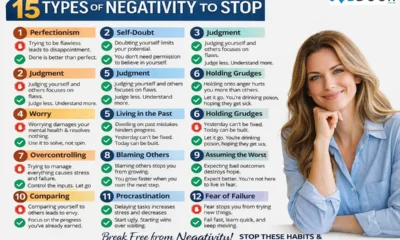

15 Types of Negativity to Stop (Before They Quietly Control Your Life)
Negativity doesn’t arrive loudly. It creeps in—through small doubts, silent worries, and habits you barely notice. One day, you feel...


6 Habits to Articulate Your Thoughts Like the Top 1%
Have you ever listened to someone speak and thought, “Wow… they make everything sound so simple and powerful”? And then...


The 3-2-1 Speaking Trick That Forces You To Stop Rambling
Have you ever started explaining something and then suddenly realized… you’re going in circles? You keep talking. Adding more words....


7 Skills That Will Pay You Forever – Future-Proof Your Career
In a world where industries are changing faster than ever, one thing remains constant—skills are the real currency of success....


Hard Skills vs Soft Skills: Why You Need Both to Succeed
In today’s competitive world, success is no longer determined by just what you know—it’s also about how you apply it...
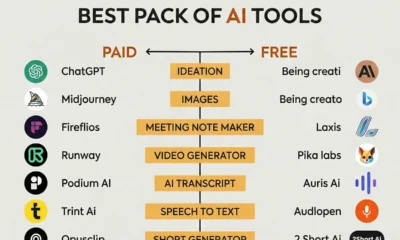

Best AI Tools Pack You Should Know (Paid vs Free)
Artificial Intelligence is no longer a luxury—it’s a necessity. Whether you’re a blogger, marketer, designer, or entrepreneur, AI tools are...
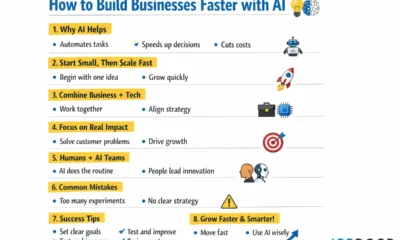

How to Build Businesses Faster with AI?
1. What is the main idea? The article explains that AI (Artificial Intelligence) can help companies build new businesses much...
-
 Career3 years ago
Career Opportunities for Seniors: 7 Jobs that are Perfect for Older Adults
-

 Career2 years ago
5 Free Job Posting Sites in the UK (For Employers)
-
Jobs7 months ago
15 Best Second Jobs to Boost Your Income in the UK for 2026
-
 Money7 months ago
20 Ways to Make Money with Google Gemini: Practical Methods Anyone Can Start
-
 Money7 months ago
26 Lucrative Passive Income Ideas to Build Wealth in 2026
-

 AI & Tools7 months ago
10 Insane Ways Google Gemini Will Explode Your Productivity in 2026
-

 Job Description2 years ago
Support Worker Job Description: Qualifications, Skills, Salary, Working Hours
-

 AI & Tools7 months ago
ChatGPT vs Copilot: Which AI Is Best for You in 2026?