Career
7 Reasons: How Work Experience Can Help You to Get Employed?


Work experience is like preparing young people for the adult world. Think of it as a test drive for your future career. Work experience helps you become more realistic and informed about your career choices. Even if the work experience isn’t your perfect match, it’s still incredibly useful. Figuring out what you don’t like is just as important as discovering what you do enjoy. It’s all part of the journey to finding your dream job.
Plus, work experience is a two-way street. While you’re figuring out if a job or employer is right for you, employers are also checking you out to see if you’re a good fit for them. If you shine in your role, it could even lead to a permanent or longer-term position.
What does it do for you?
- Gives you an edge over others in the job market
- Teaches you valuable things about your industry
- Let’s you meet and connect with people who can help you
- Helps you develop skills that are useful in many areas of life
- Makes your resume stronger and more attractive to employers
Whether you’re a recent graduate, or thinking about switching careers, having the right work experience can really improve your job prospects. So, don’t underestimate the power of hands-on experience—it could be the key to landing your dream job in the UK.
| Also Read: 7 Jobs that are Perfect for Older Adults |
Courses That Offer Work Experience:
| 1. T Levels and Traineeships: | These programs always include work experience as a key part of your learning journey. |
| 2. Vocational Technical Qualifications (VTQs): | Some VTQs give you the chance to get work experience as part of your coursework. |
| 3. Degree Courses: | Sometimes, degree programs include work experience as part of the curriculum. |

7 Reasons Why Work Experience is Important:
1 # A Competitive Advantage:
Having experience in a job can help you stand out when looking for a new job. It shows potential employers that you don’t just know things from a book, but you also have real skills that you can use right away to help their company.
In the UK, many bosses prefer to hire people who have already worked in a similar job. This is because they think it’s less risky to hire someone who has already done the job, rather than someone who has never done it before.
2 # Industry Knowledge:
Working in your chosen field helps you learn a lot about it. You get to see the latest changes, new ways of doing things, and the best ways to get things done. This knowledge helps you become a more desirable person to hire and sets you apart from others looking for a job.
Employers like it when you already know a lot about their field. It means you can start working right away, without needing to learn everything from scratch.
3 # Networking Opportunities:
When you work, you meet people who can help you find a job in the future. These people are like friends who can introduce you to new job opportunities. In the UK, many jobs are not advertised publicly, but are given to people who are recommended by others.
Building a group of people who know you and like your work can help you find jobs that are not advertised. It’s like having a secret key that opens doors to new job opportunities. And don’t forget, if you want to build connections in your industry, create a LinkedIn profile and start connecting with professionals in your field!
4 # Soft Skills Development:
When you work, you learn more than just how to do a specific job. You also learn important life skills that help you work well with others and handle problems. These skills are called “soft skills” and they include:
- Talking to people and sharing ideas
- Working with a team to get things done
- Managing your time so you can finish tasks on time
- Figuring out solutions to problems
- Being flexible and adapting to new situations
Employers in the UK think these skills are very important. They want to hire people who can work well with others and handle challenges because it makes the workplace a better and more productive place.
5 # CV Enhancement:
When you’re looking for a job, you need to show employers what you can do. One way to do this is to make sure your CV is really good not resume. If you are confused between CV and resume kindly read our previous article on CV vs Resume from here. Employers in the UK look closely at CVs to find the best person for the job.
One of the most important parts of your CV is the section about your work experience. This is where you tell employers about the jobs you’ve had, what you did in those jobs, and what you learned. This information helps employers understand what you can bring to their company.
What should you include in your work experience section?
- What you did in each job
- What you achieved in each job
- What skills you learned in each job
By including this information, you can show employers that you have the skills and experience they need. This can help your application stand out and increase your chances of getting the job. If you are a fresh graduate here are a few simple job searching tips that might help you in finding job.
6 # Increased Confidence:
Work experience is not just about learning new skills and getting knowledge. It also helps you build your self confidence. When you have hands-on experience, you feel more comfortable and self-assured when you’re talking to potential employers or working on the job.
This confidence can make a big difference in helping you get a job and do well in your career. Employers are more likely to hire someone who believes in themselves and their abilities. And when you’re confident, you’re more likely to take on new challenges and succeed in your role.
7 # Adaptation to the UK Job Market:
To succeed in finding a job in the UK, it’s important to understand how the job market works. Work experience in the UK helps you learn about the specific needs, expectations, and way of working in the UK. This is valuable because every country has its own unique work culture and requirements.
By having work experience in the UK, you’ll get a better understanding of what employers in your industry are looking for in a candidate. This can give you an edge when applying for jobs and help you stand out from other applicants.
| Also Read: 11 Things Rich People Do That The Poor Don’t |
How to get work experience?
There are many ways to get experience in the workforce, even if you don’t have a full-time job. Here are some ideas:
VOLUNTEER: Help out at a charity or organization to learn new skills and see how different workplaces operate.
PART-TIME JOB: Get a part-time job in your field to gain hands-on experience and earn money at the same time.
COMPANY EVENTS: Attend company events, open days, or online webinars to learn about the industry and meet people in your field.
HELP FRIENDS OR FAMILY: Assist friends or family members with their businesses to gain experience in a real-world setting.
MY OWN BUSINESS: Start your own small business to develop a range of skills, including entrepreneurial skills.
COMPETITIONS AND CHALLENGES: Take part in competitions and skill challenges to improve your skills and get recognized in your field.
These are just a few examples, but there are many other ways to gain work experience. The important thing is to get out there and start doing something!
Learning from work experience:
- What activities did you enjoy?
- Which activities did you excel at?
- What was simple for you to understand?
- Which activities were you not fond of?
- Have you met anyone whose occupation you’d like to take on?
- Have you recognized any of your strengths?
- What knowledge about employer expectations did you gain?
- What kind of training would you require?
- Would you prefer to work for that employer, in the same sector, or in a similar role? Why?
How can you get started?
- Create a resume and cover letter to send to potential employers.
- Start researching local organizations that that interest you, then get in touch with them.
- Prepare a pitch explaining why they should hire you.
Important Website:


“AI Sounds Important… But Is It Really for Me?”
Let’s be honest.
When you hear Artificial Intelligence, what comes to mind?
Complex math? Coding? Long hours? Expensive courses?
You’re not wrong to feel confused or even intimidated.
Many students and beginners think free AI courses are low quality, too technical, or a waste of time. Some even tried one before… and quietly quit halfway.
Here’s the truth most people don’t tell you:
You don’t need to be smart, technical, or experienced to learn AI. You just need the right starting point.
In this guide, I’ll walk you through:
- What AI really means?
- The right mindset for learning AI without stress
- 9 genuinely free AI courses with certificates in 2026
- How to choose the right course for you
- How to track your progress and stay consistent
No jargon.
No pressure.
Just a clear path forward.
Let’s begin.
What Is AI?
Artificial Intelligence (AI) simply means teaching computers to think and learn like humans—at least a little.
AI is already around you:
- Google search suggestions
- YouTube recommendations
- Chatbots
- Face recognition on phones
- Spam email filters
You don’t need to build AI to benefit from it.
First, you just need to understand how it works and how it’s used.
That’s exactly what these free AI courses with certificates help you do.
The Right Mindset Before You Start Any AI Course:
Most beginners fail not because AI is hard—but because they start with the wrong mindset.
Common Fears (Totally Normal):
- “Free courses won’t be respected”
- “I’m not good at math”
- “I don’t have a technical background”
- “What if I don’t understand anything?”
Take a breath.
The Correct Beginner Mindset:
- You are learning concepts, not becoming a scientist
- Progress matters more than speed
- Certificates are proof of effort, not perfection
Think of AI like learning to drive.
You don’t start with a Formula 1 car.
You start with basics.
Why Free AI Courses with Certificates Are Worth It in 2026?
Let’s clear this doubt once and for all.
Yes, free AI courses can be valuable.
When they come from trusted platforms.
They help you:
- Understand AI fundamentals
- Improve your resume
- Build confidence
- Decide if AI is right for your career
And most importantly…
You lose nothing except time—and you gain clarity.
Now, let’s get to the list you came for.
9 Best Free AI Courses with Certificates in 2026:
Below are carefully chosen courses that are:
- Free (or free with certificate option)
- Beginner-friendly
- Recognized globally
- Easy to follow at your own pace
1. AI for Everyone – Andrew Ng:
Platform: Coursera
This is one of the best starting points for absolute beginners.
What You’ll Learn?
- What AI can and cannot do
- How AI is used in real businesses
- Common myths about AI
Why It’s Beginner-Friendly?
- No coding
- No math
- Pure concepts, explained simply
Certificate:
- Free to learn
- Certificate available via financial aid
Best for: Non-technical learners, students, managers
2. Introduction to Artificial Intelligence – IBM:
Platform: IBM (via Coursera)
What You’ll Learn?
- Basics of AI, ML, and deep learning
- AI use cases in real industries
- Ethics of AI
Key Highlights:
- Taught by a global tech company
- Beginner-level explanations
- Short modules
Certificate:
- Free with financial aid
Best for: Resume builders and corporate learners
3. Google AI for Beginners:
Platform: Google
Google offers simple learning paths under its AI initiative.
What You’ll Learn?
- Machine learning basics
- AI tools used by Google
- Real-world examples
Why It’s Powerful?
- Trusted brand
- Clean explanations
- Practical insights
Certificate:
- Free certificate available
Best for: Students and job seekers
4. Introduction to AI – Microsoft Learn:
Platform: Microsoft
What You’ll Learn?
- AI workloads
- Machine learning basics
- Responsible AI concepts
Why Beginners Love It?
- Short lessons
- Interactive learning
- Clear structure
Certificate:
- Free completion badge
Best for: Beginners who like step-by-step learning
5. AI Basics for Everyone – Udemy (Free):
Platform: Udemy
What You’ll Learn?
- AI terminology
- How AI impacts jobs
- Everyday AI tools
Things to Know:
- Certificate available
- Course quality varies (check ratings)
Best for: Casual learners and fast starters
6. Elements of AI:
Provider: University of Helsinki
This course is famous worldwide.
What You’ll Learn?
- How AI works
- Societal impact of AI
- Logical thinking behind AI
Why It’s Special?
- No coding required
- Used by governments and universities
- Extremely beginner-friendly
Certificate:
- Free certificate
Best for: First-time learners
7. AI Foundations – LinkedIn Learning:
Platform: LinkedIn
What You’ll Learn?
- AI fundamentals
- Career relevance
- Business use cases
Certificate:
- Free certificate during trial period
Best for: Professionals and fresh graduates
8. Machine Learning Crash Course:
Platform: Google Developers
What You’ll Learn?
- Core ML concepts
- Visual explanations
- Practical understanding
Note:
- Slightly technical
- Still beginner-friendly
Certificate:
- Free completion badge
Best for: Curious learners ready to go deeper
9. AI Ethics and Responsible AI:
Platform: Microsoft / IBM
What You’ll Learn?
- Ethical AI use
- Bias and fairness
- Real-world implications
Why It Matters?
AI is not just about technology—it’s about responsibility.
Certificate:
- Free
Best for: Students and future professionals
How to Choose the Right Free AI Course?
Ask yourself three simple questions:
- Do I want concepts or coding?
- Concepts → AI for Everyone
- Coding later → Google or IBM
- Do I need a certificate?
- Yes → Coursera, Microsoft, Google
- How much time can I give daily?
- 30 minutes is enough
👉 Choose ONE course. Not three.
Step-by-Step System to Complete Any AI Course Successfully:
Step 1: Block Small Time Slots
- 20–30 minutes a day
- Same time every day
Step 2: Learn, Don’t Rush
- Pause videos
- Take notes
- Rewatch if needed
Step 3: Apply Light Learning
- Explain concepts in your own words
- Share what you learn with a friend
Step 4: Finish and Claim Certificate
- Certificates boost confidence
- Add them to LinkedIn or resume
How to Track Your AI Learning Progress?
You don’t need fancy tools.
Just track:
- Course started
- Lessons completed
- Date finished
- Certificate earned
Use:
- A notebook
- Google Docs
- Notes app
Consistency beats intensity.
Common Mistakes Beginners Make (Avoid These):
- Starting too many courses
- Quitting halfway
- Comparing yourself to experts
- Expecting instant results
Remember:
You’re building knowledge, not racing.
Conclusion: Start Your AI Journey Today, Not “Someday”
AI is no longer optional.
But learning AI does not have to be hard, expensive, or scary.
With these 9 free AI courses with certificates in 2026, you now have:
- A clear starting point
- Trusted platforms
- Zero financial risk
- A step-by-step system to succeed
Don’t wait for confidence.
Confidence comes from starting.
Choose one free AI course today.
Spend just 20 minutes.
Finish what you start.
Your future self will thank you.
Start now. AI is waiting.
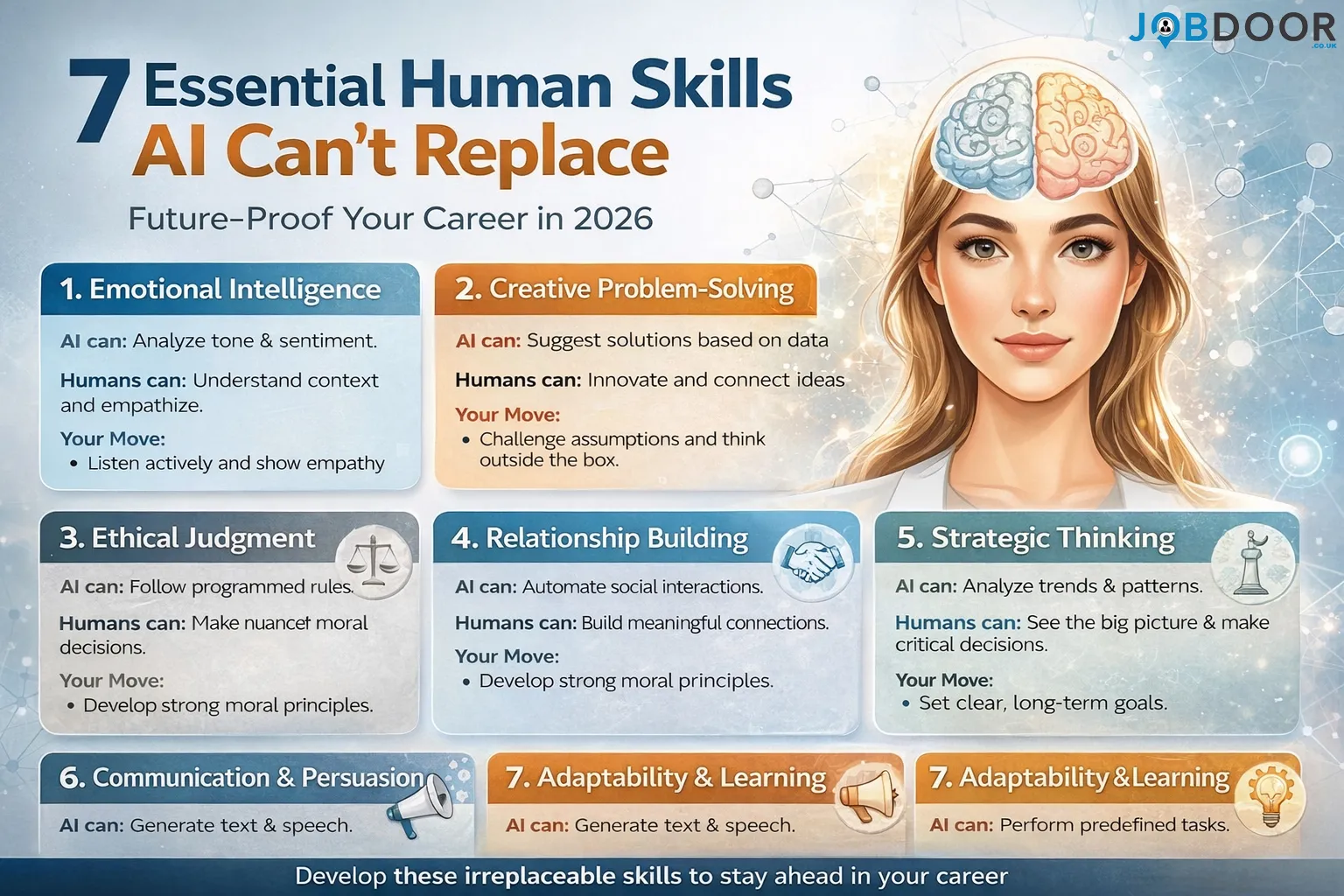
Artificial Intelligence is transforming how work is done. Automation, machine learning, and AI tools now handle tasks that once required large teams and years of experience. While this progress brings efficiency, it also raises a serious question for professionals across industries:
Which skills will still matter when AI becomes more powerful?
The answer is reassuring. Despite rapid technological advances, there are core human skills that AI cannot replace. These skills are not trends—they are timeless qualities that have always defined capable professionals. In 2026 and beyond, these abilities will become even more valuable.
This article breaks down 7 essential skills AI can’t replace, explains why they matter, and shows how you can strengthen them to stay relevant and respected in your career.
Why Human Skills Still Matter in the Age of AI?
AI excels at processing data, identifying patterns, and automating routine work. However, it lacks consciousness, values, lived experience, and moral responsibility. Businesses don’t just run on systems—they run on trust, judgment, relationships, and leadership.
Those who combine AI tools with strong human skills will not be replaced; they will be promoted.
1. Emotional Intelligence:
Emotional intelligence is the ability to understand emotions—both your own and others’—and respond thoughtfully.
What AI can do?
Analyze tone, sentiment, and behavioral data.
What only humans can do?
Show empathy, read context, build trust, and handle sensitive situations with care.
In leadership, customer service, negotiations, and teamwork, emotional intelligence is irreplaceable. People want to work with those who listen, understand, and respond with sincerity.
How to strengthen it?
- Practice active listening
- Improve self-awareness
- Learn to manage emotions under pressure
2. Creative Problem-Solving:
AI can generate ideas based on existing data, but true creativity comes from human insight.
What AI can do?
Suggest solutions based on patterns and probabilities.
What only humans can do?
Think outside the box, challenge assumptions, and connect unrelated ideas in meaningful ways.
Complex problems often require imagination, intuition, and experience—qualities shaped by human life, not algorithms.
How to strengthen it?
- Work on open-ended problems
- Learn across disciplines
- Question “standard” solutions
3. Ethical Judgment:
Ethics cannot be automated.
What AI can do?
Follow programmed rules and guidelines.
What only humans can do?
Make moral decisions, weigh consequences, and act with integrity in uncertain situations.
In areas like business leadership, law, healthcare, and governance, ethical judgment defines credibility. AI lacks accountability; humans do not.
How to strengthen it?
- Study real-world case studies
- Understand long-term consequences
- Commit to principles, not convenience
4. Relationship Building:
Strong relationships are built on trust, consistency, and mutual respect.
What AI can do?
Track connections and suggest networking opportunities.
What only humans can do?
Build genuine bonds, earn loyalty, and maintain long-term professional relationships.
Careers grow through people—not systems. Mentorships, partnerships, and client relationships are deeply human.
How to strengthen it?
- Communicate honestly and clearly
- Follow up consistently
- Add value before asking for favors
5. Strategic Thinking:
Strategy involves foresight, experience, and judgment.
What AI can do?
Analyze trends and optimize based on data.
What only humans can do?
Set vision, define priorities, and make trade-offs in uncertain environments.
Strategic thinking is not about reacting to data—it’s about deciding where to go and why.
How to strengthen it?
- Think long-term, not just short-term
- Study business and history
- Practice decision-making with incomplete information
6. Communication and Persuasion:
Clear communication remains one of the most powerful professional skills.
What AI can do?
Generate text, summaries, and scripts.
What only humans can do?
Persuade, inspire, negotiate, and communicate with authenticity.
Whether leading a team, pitching an idea, or resolving conflict, human communication builds understanding and alignment.
How to strengthen it?
- Improve writing and speaking clarity
- Practice explaining complex ideas simply
- Learn negotiation fundamentals
7. Adaptability and Learning Mindset:
The ability to adapt is the ultimate future-proof skill.
What AI can do?
Execute tasks it was trained for.
What only humans can do?
Learn continuously, adapt to change, and redefine roles as industries evolve.
Those who resist change are replaced. Those who adapt lead.
How to strengthen it?
- Stay curious
- Learn new tools without fear
- Accept change as part of growth
How to Combine AI with Human Skills?
The goal is not to compete with AI, but to work alongside it.
Use AI to:
- Automate repetitive tasks
- Improve efficiency
- Support analysis and research
Use human skills to:
- Make decisions
- Lead people
- Build trust and vision
This combination creates professionals who are both efficient and indispensable.
Common Career Mistakes to Avoid in 2026:
- Relying only on technical tools
- Ignoring people skills
- Avoiding responsibility and judgment
- Treating AI as a replacement instead of an assistant
Technology changes fast. Human values do not.
Final Thoughts:
Every major technological shift in history has rewarded those who preserved core human strengths while adopting new tools. The AI era is no different.
The 7 skills AI can’t replace—emotional intelligence, creativity, ethics, relationships, strategy, communication, and adaptability—have always mattered. In 2026, they matter even more.
If you invest in these abilities while using AI wisely, you won’t just survive the future of work—you’ll shape it.
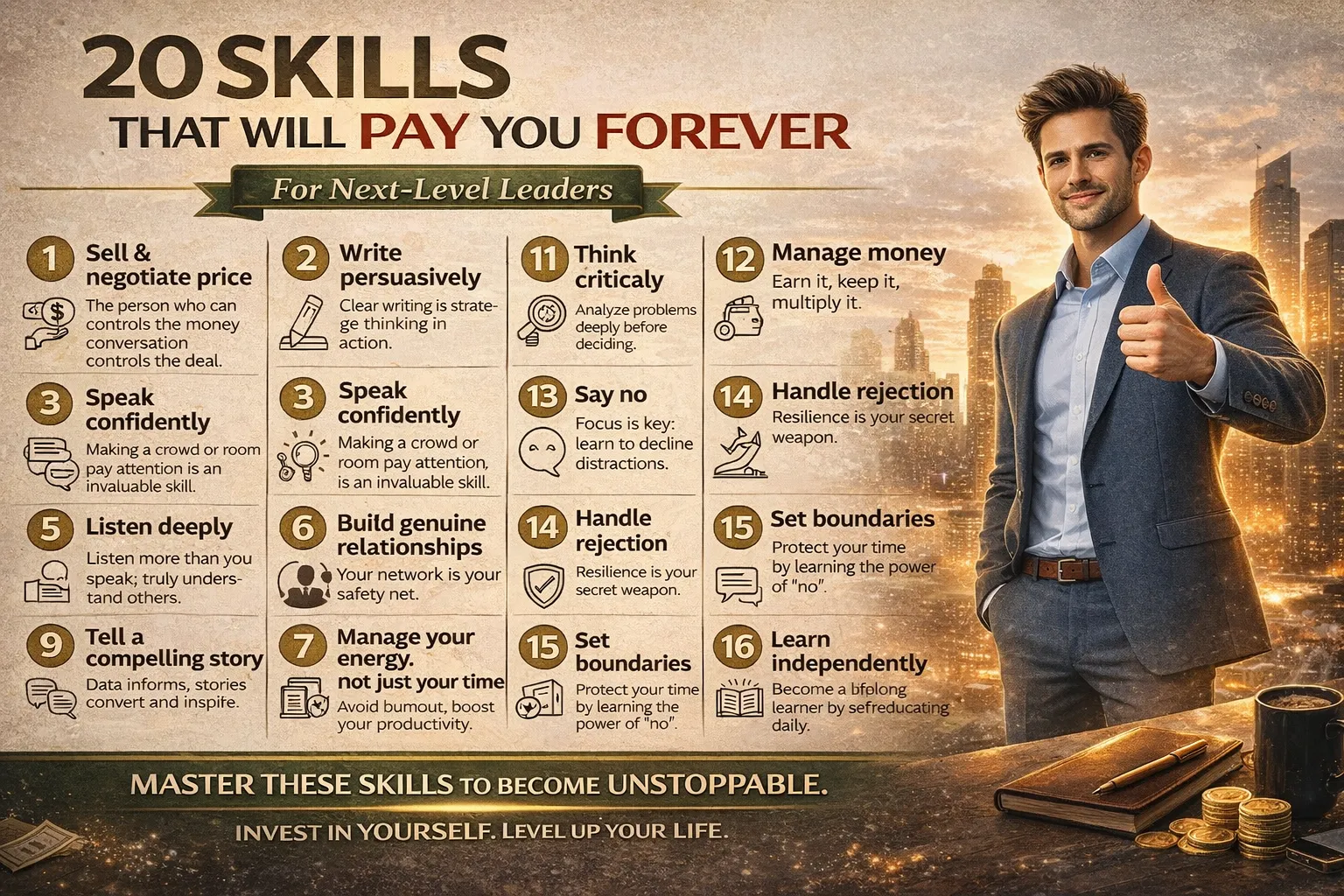
Some skills give short-term results. Others reward you for a lifetime. In a world where tools, technology, and job titles change every few years, skills are the only assets that compound over time. The image you shared highlights a powerful truth: if you master the right abilities, you will never struggle to stay relevant.
So what are the skills that continue paying you, no matter your industry, age, or location? And why do leaders, entrepreneurs, and high performers focus on them year after year?
Let’s break down the 20 skills that will pay you forever, and understand how they shape long-term success.
Why Skills Are More Valuable Than Titles?
Job titles expire. Skills don’t. Companies change, industries shift, and technologies evolve, but skills travel with you. When you invest in skills, you invest in earning power, influence, and independence.
The most successful people aren’t those with the fanciest degrees, but those who can adapt, communicate, decide, and lead under pressure. Isn’t that what true success looks like?
1. Selling and Negotiating Price
The ability to sell and negotiate controls income. The person who can confidently discuss value, pricing, and outcomes often controls the deal. Whether you are an employee, freelancer, or business owner, selling is unavoidable.
Why? Because selling is not about manipulation, it’s about communication and confidence.
2. Writing Persuasively
Clear writing is clear thinking in action. Those who write well can explain ideas, influence decisions, and build authority. Emails, proposals, content, presentations, and even messages depend on this skill.
Can you express complex ideas in simple words? If yes, you hold power.
3. Speaking Confidently
Confidence in speech changes how people perceive you. Speaking clearly in meetings, presentations, or conversations builds credibility. This skill is not about loudness, but clarity and calmness.
Would people listen if you spoke today?
4. Listening Deeply
Listening is a rare skill, yet one of the most valuable. Most people wait to speak instead of listening. Those who listen deeply understand needs, emotions, and opportunities others miss.
Isn’t understanding more powerful than talking?
5. Building Genuine Relationships
Opportunities come from people, not platforms. Strong relationships act as a safety net throughout life. Trust, consistency, and respect create long-term professional and personal growth.
Your network isn’t just contacts, it’s your support system.
6. Managing Your Energy, Not Just Time
Time management fails without energy management. Burnout kills productivity. Learning when to rest, focus, and recover keeps performance sustainable.
Do you protect your energy the way you protect your schedule?
7. Telling a Compelling Story
Facts inform, but stories inspire action. Whether in business, leadership, or marketing, storytelling connects logic with emotion. People remember stories far longer than statistics.
Can you turn information into meaning?
8. Thinking Critically
Critical thinking allows you to analyze situations before reacting. It helps avoid poor decisions, emotional choices, and surface-level thinking.
Do you pause to think deeply before deciding?
9. Saying No Without Guilt
Focus requires boundaries. Every yes costs time and energy. Saying no protects priorities and prevents distractions from stealing progress.
Are you comfortable protecting your focus?
10. Handling Rejection
Rejection is inevitable. Those who grow learn from it instead of taking it personally. Resilience turns rejection into refinement.
Can you move forward without losing confidence?
11. Strategic Thinking
Strategy is about direction, not speed. Knowing where you’re going matters more than how fast you move. Strategic thinkers see long-term consequences.
Are your daily actions aligned with long-term goals?
12. Managing Money Wisely
Earning money is one skill, keeping and growing it is another. Financial literacy creates stability, freedom, and peace of mind.
Do you control money, or does money control you?
13. Setting Healthy Boundaries
Boundaries protect time, mental health, and values. Without them, burnout and resentment follow. Saying no is not weakness, it’s wisdom.
Have you defined your limits clearly?
14. Learning Independently
Self-learning keeps you relevant. Waiting to be taught limits growth. Those who learn independently adapt faster and stay ahead.
Are you upgrading your skills regularly?
15. Decision-Making Under Pressure
Indecision costs more than mistakes. Learning to make calm, thoughtful decisions under pressure separates leaders from followers.
Can you act clearly when things get uncomfortable?
16. Emotional Control
Emotions influence outcomes. Managing reactions instead of being controlled by them builds respect and trust.
Do your emotions work for you or against you?
17. Adaptability
Change is constant. Those who resist change fall behind. Adaptable people adjust without losing their core values.
How well do you respond to unexpected change?
18. Discipline Over Motivation
Motivation fades. Discipline stays. Long-term success is built on routines, not moods.
Do you show up even when you don’t feel like it?
19. Confidence Without Arrogance
True confidence is quiet. It doesn’t need approval. It comes from preparation, experience, and self-belief.
Are you grounded in your abilities?
20. Integrity
Integrity builds trust that lasts decades. Skills bring opportunities, but integrity keeps them.
Would people trust you when it matters most?
Why These Skills Pay You Forever?
These skills compound. They improve every role you enter and every challenge you face. Unlike tools or trends, they don’t become outdated. They grow with you.
The more responsibility you carry, the more valuable these skills become.
Final Thoughts
Mastering these 20 skills doesn’t happen overnight. It’s a lifelong process. But every small improvement multiplies your earning power, influence, and confidence.
Success isn’t about chasing shortcuts, it’s about becoming someone who is always valuable.
If you invest in these skills today, the returns will follow you for the rest of your life.
Wouldn’t that be the smartest investment you can make?
If you want, I can also
✔ Create SEO meta title & description
✔ Turn this into a Pinterest or LinkedIn post
✔ Rewrite it for students, professionals, or entrepreneurs
✔ Optimize it specifically for kmrinside.in
Just tell me what you want next.

9 Free AI Courses with Certificates in 2026 (Step-by-Step Guide)
“AI Sounds Important… But Is It Really for Me?” Let’s be honest. When you hear Artificial Intelligence, what comes to...


Top 12 Powerful Free Google AI Tools You Must Use in 2026 (Complete Beginner’s Guide)
When you see words like Google AI, Gemini, Video Generation, or AI Studio, it can feel overwhelming.You may think: You’re...


5 Free Sites to Sell Digital Products and Keep More Profits
If you’ve ever thought about selling digital products but stopped halfway, you’re not alone. Maybe you asked yourself: Take a...

21 Free Must-Have Tools for Social Media Creators
If you’ve ever opened Instagram, YouTube, or LinkedIn and thought “How are they posting so consistently?”, you’re not alone. Most...
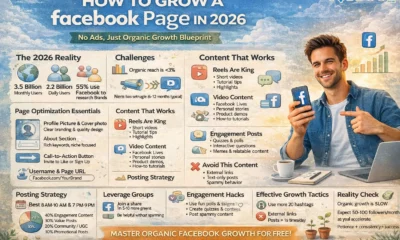

How to Grow a Facebook Page in 2026: A Simple, Proven, Beginner-Friendly Guide
If you’ve ever created a Facebook page with excitement, posted for a few days, then slowly stopped—this is for you....
20 Ways to Make Money with Google Gemini: Practical Methods Anyone Can Start
Artificial Intelligence is no longer limited to tech experts or large companies. Tools like Google Gemini are now accessible to...
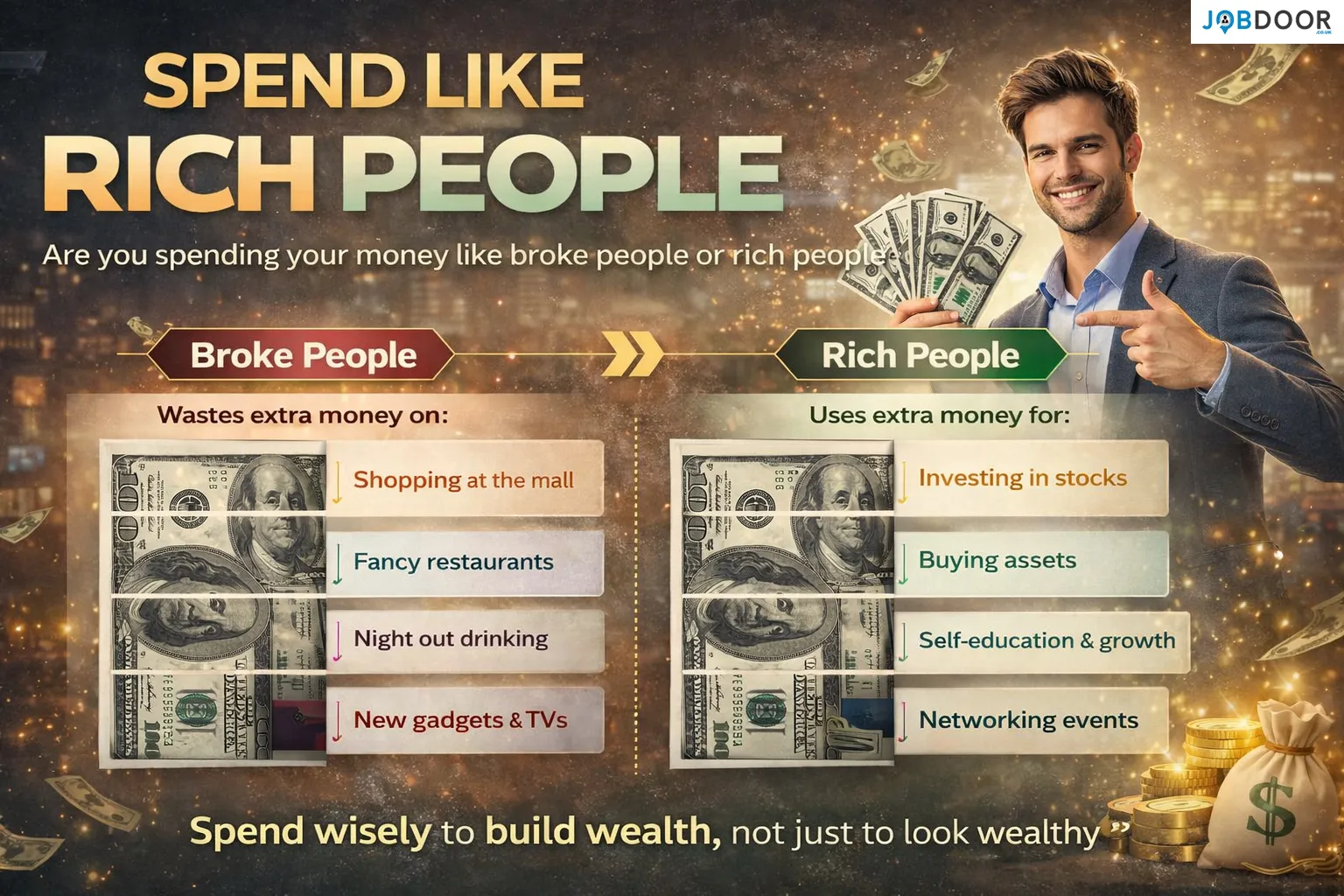
Spend Like Rich People: Are You Building Wealth or Just Looking Wealthy
Most people believe wealth is about how much money you earn. In reality, wealth is built by how you spend...
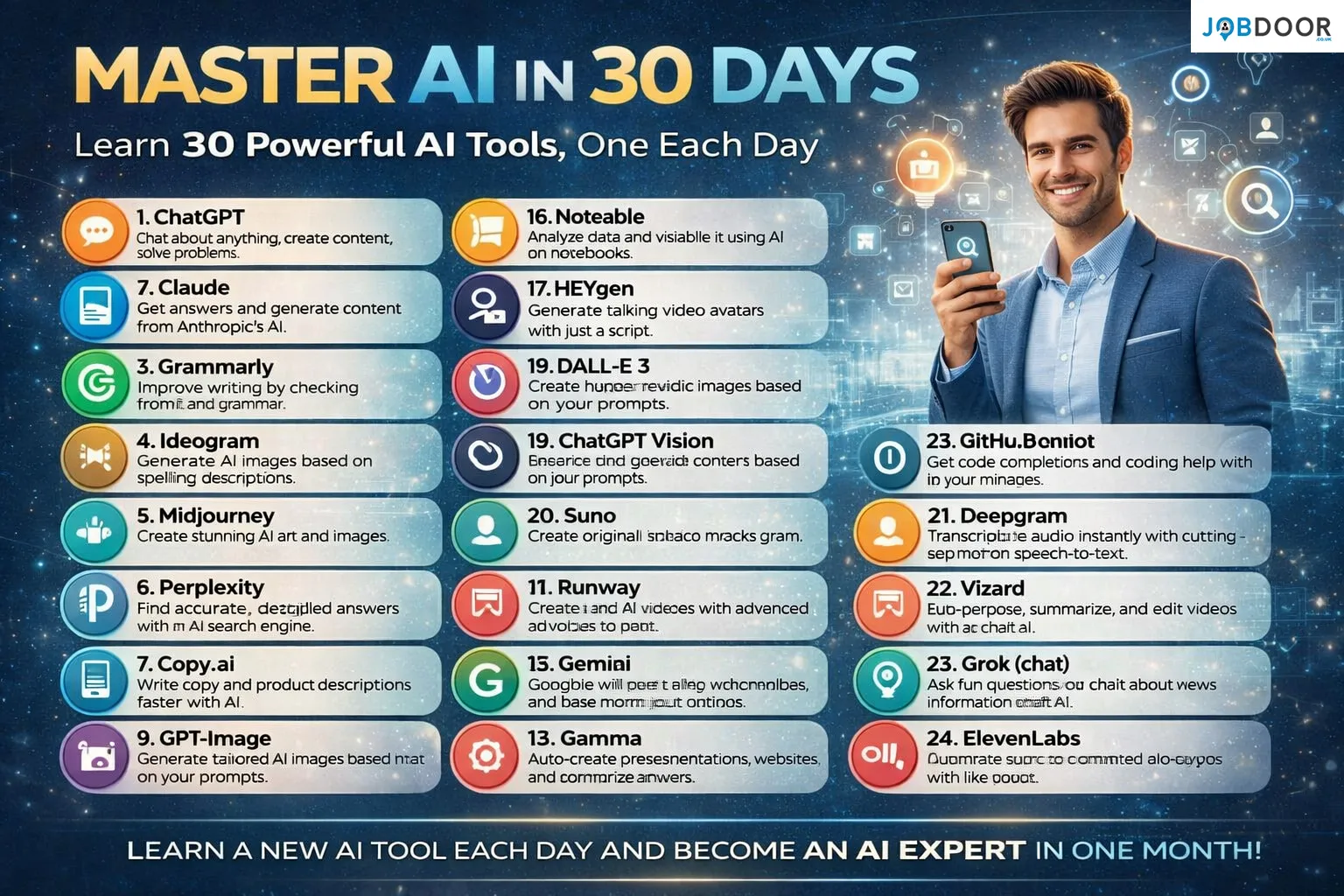
Master AI in 30 Days: Learn 30 Powerful AI Tools One Day at a Time
Artificial Intelligence is no longer limited to developers or large companies. Today, AI tools are used by students, professionals, freelancers,...
7 Skills AI Can’t Replace (Still Essential) to Future-Proof Your Career in 2026
Artificial Intelligence is transforming how work is done. Automation, machine learning, and AI tools now handle tasks that once required...
20 Skills That Will Pay You Forever and Why They Matter More Than Ever
Some skills give short-term results. Others reward you for a lifetime. In a world where tools, technology, and job titles...

26 Lucrative Passive Income Ideas to Build Wealth in 2026
Building wealth has always relied on one simple principle: earning money even when you are not actively working. For generations,...
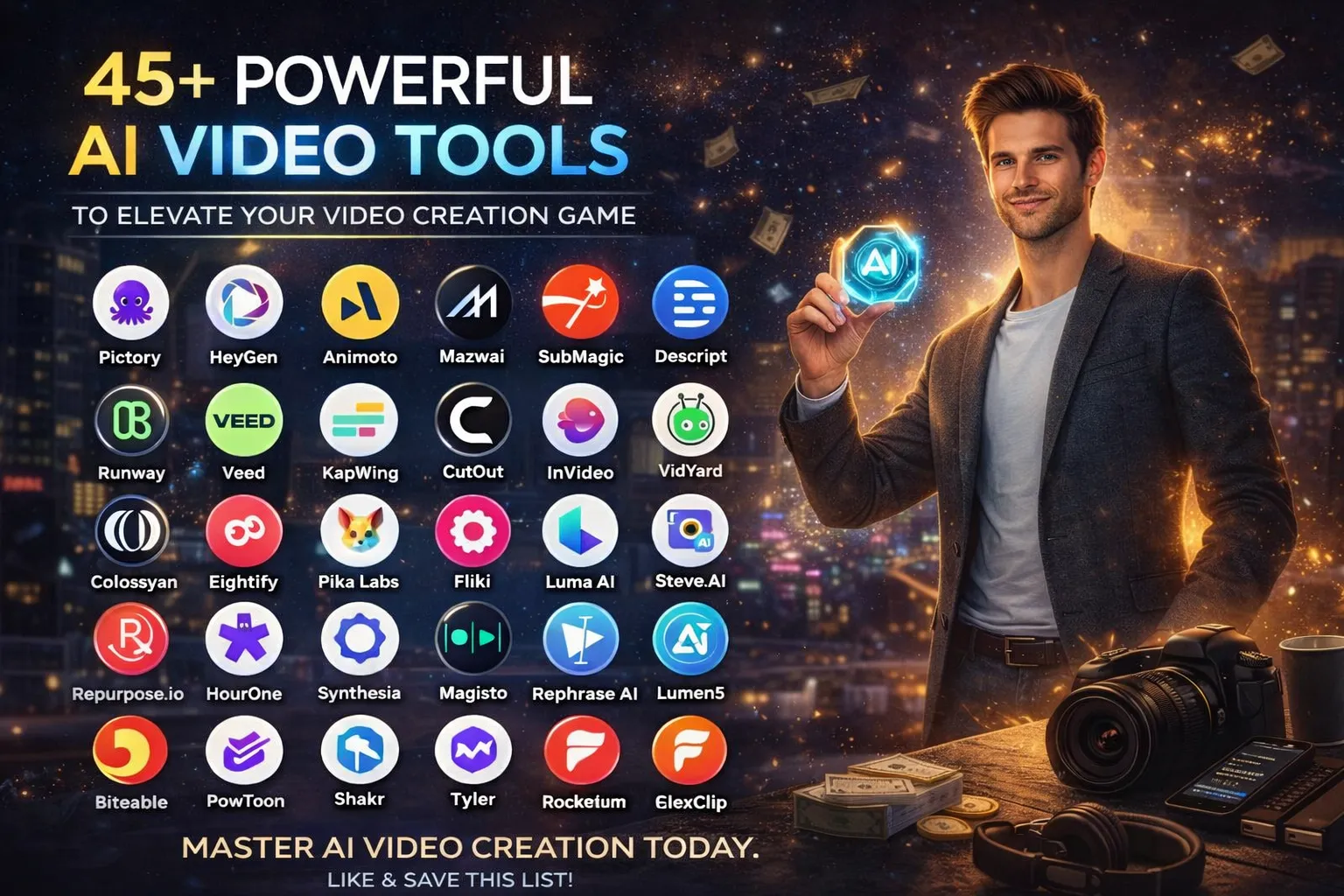
🎬 45+ Powerful AI Video Tools to Improve Your Video Creation Game
Video has become the most influential form of digital content. From YouTube and Instagram to online courses, ads, and business...
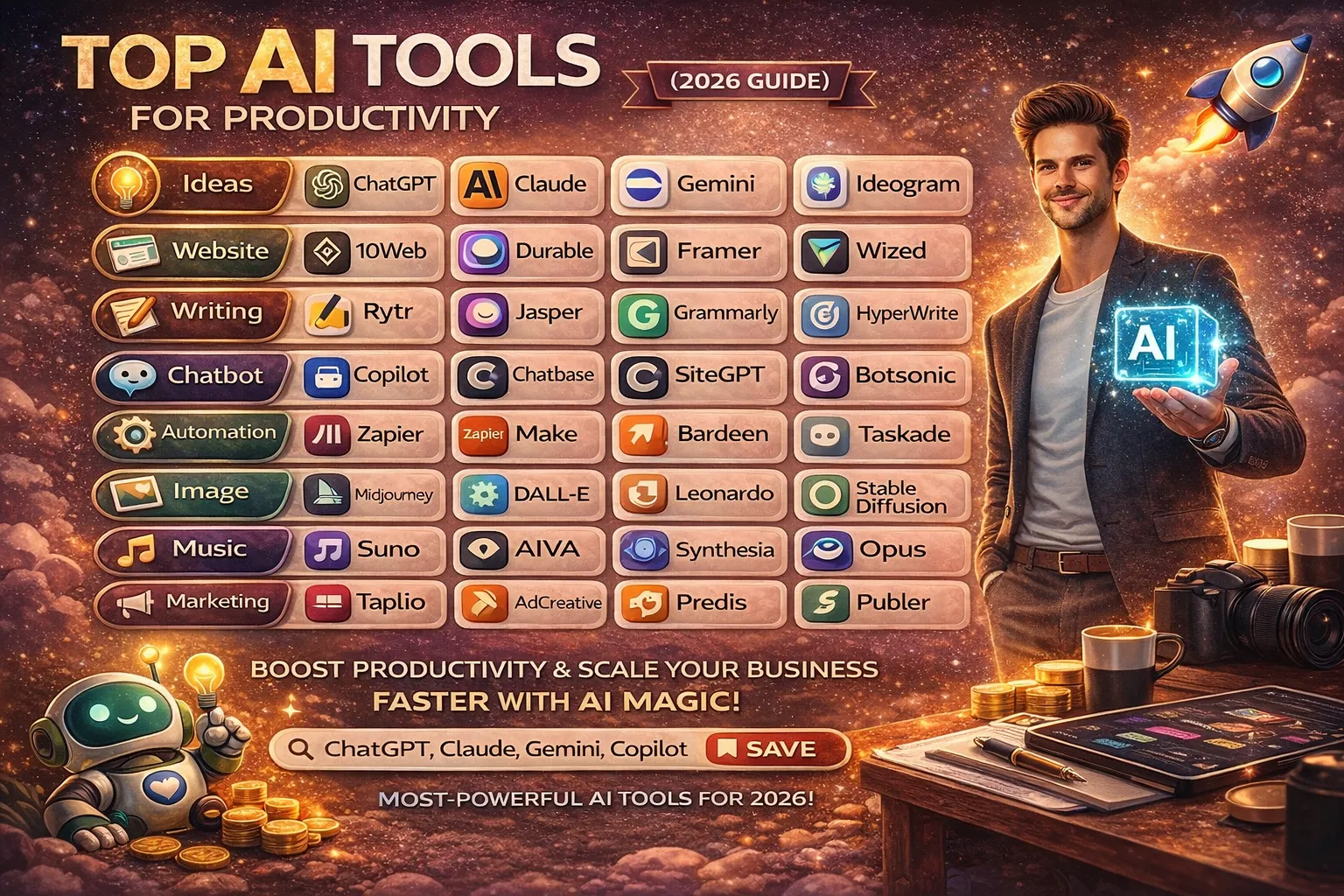
📌 36 Top AI Tools to Scale Your Business in 2026: The Complete Guide to Working Smarter
Productivity has always been the backbone of successful businesses. What has changed over the years is the speed and scale...

How to Make Money Using AI: Proven Methods Anyone Can Start Today
Artificial Intelligence is no longer a futuristic concept reserved for big tech companies. Today, AI has become a practical tool...

20 Must-Have AI Tools That Make Work 20x Easier
Productivity has always been the foundation of success. From traditional businesses to modern digital careers, those who manage time, effort,...

15 Best Second Jobs to Boost Your Income in the UK for 2026
Need extra cash without quitting your day job? Discover 15 flexible second jobs—remote, part-time, or creative—that fit your life and...
🔥 50 Practical Side Hustle Ideas That Actually Work in 2026
The landscape of work has shifted dramatically. In 2026, the “side hustle” is no longer just a way to make...
🚀 100 VIRAL YouTube Video Ideas That Can Explode Your Channel in 2026
Starting a YouTube channel is exciting—but deciding what to post consistently is where most creators struggle. Many channels fail not...
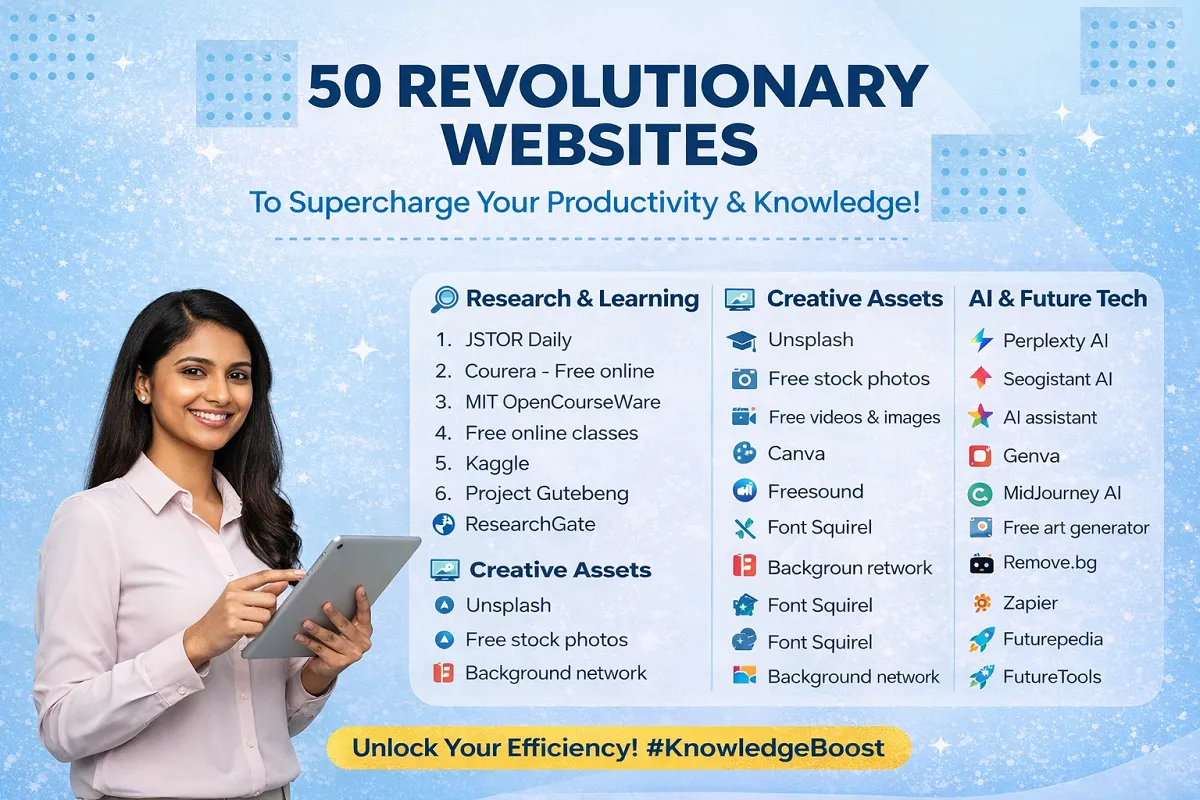
🚀 50 Remarkable Websites That Will Instantly Make You Smarter, Faster & More Productive
In today’s fast-moving digital world, working harder is no longer the answer—working smarter is. The right websites can save hours,...
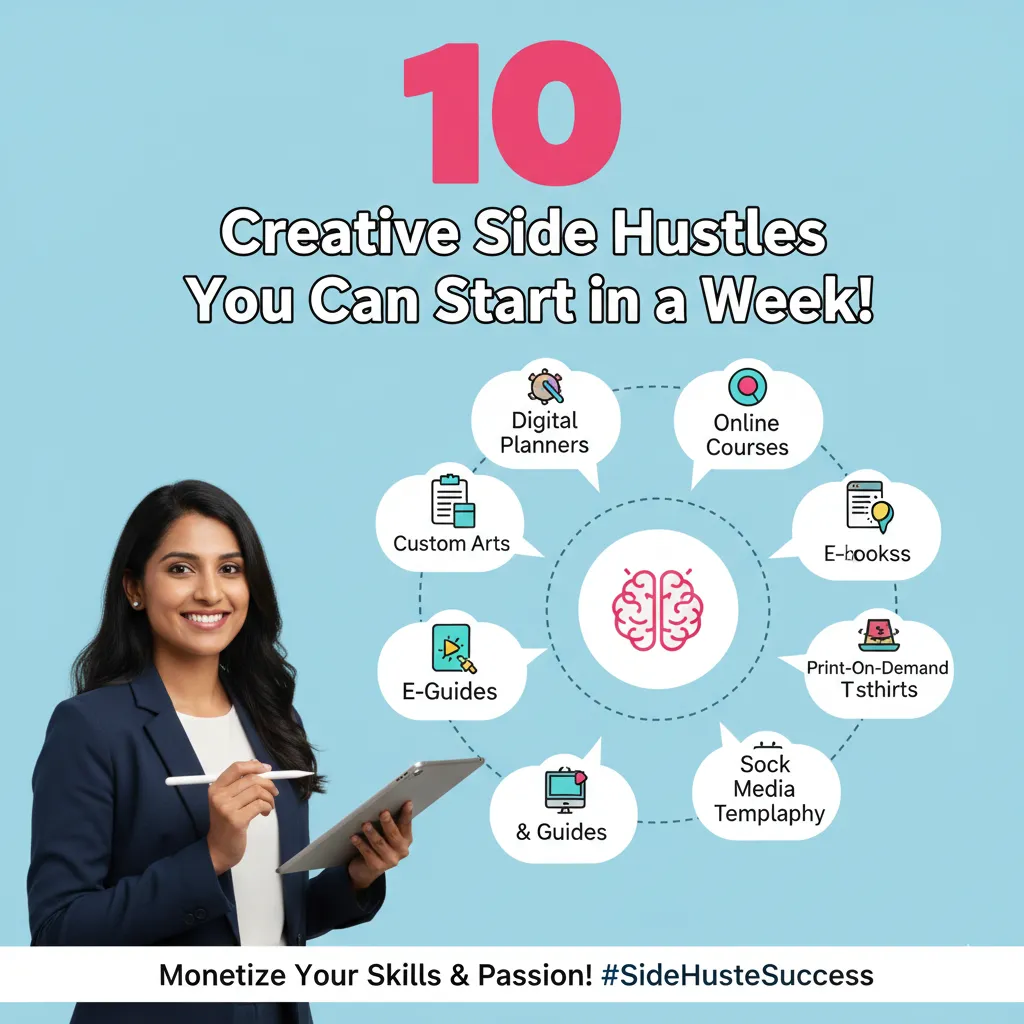
10 Creative Side Hustles You Can Start in Just 7 Days
In 2026, the “9-to-5” is no longer the only path to financial security. The digital economy has matured, and the...
-
 Career2 years ago
Career Opportunities for Seniors: 7 Jobs that are Perfect for Older Adults
-
 Job Description2 years ago
Graphic Designer Job Description: Education, Salary, Skills, Work Hours
-

 News2 years ago
Students’ question to UK PM Rishi Sunak: “What if your kids started smoking?
-
 Career2 years ago
13 Best Jobs That AI Can’t Replace: A Guide to Future-proof Careers
-

 Career2 years ago
Standard Employment Contract Template Example for UK (Word & PDF)
-

 Money2 years ago
How To Get Paid to Read Books? (9 Best & Legit Sites)
-

 Job Description2 years ago
Support Worker Job Description: Qualifications, Skills, Salary, Working Hours
-

 News2 years ago
Top 10 Richest Countries in 2024 By GDP Per Capita