
Interview Guide
What Not to Do in a Job Interview: 12 Mistakes to Avoid
Avoid these 12 common job interview behaviours that can hurt your chances, with practical advice on how to stay professional and make a better impression.
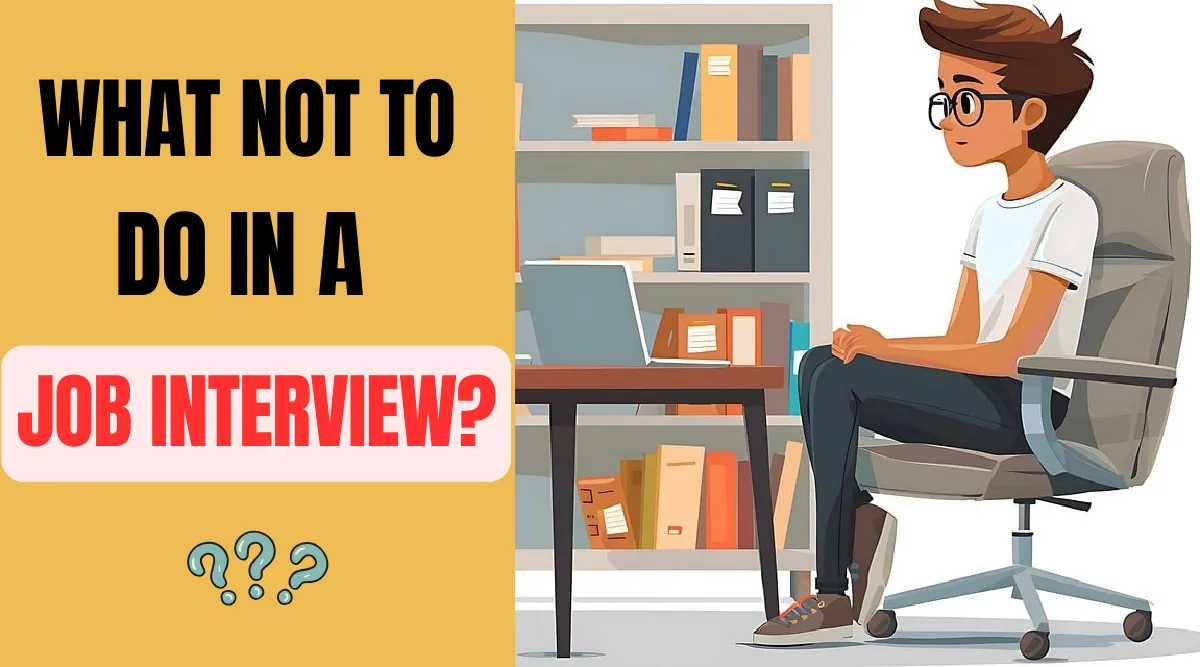
What you do during a job interview can be just as important as your qualifications and experience. Candidates sometimes make a poor impression through avoidable behaviour, even when they have the skills required for the role.
This guide focuses on what not to do during a job interview and how to handle common situations more professionally. For complete preparation before, during and after the interview, read our job interview preparation guide.
1. Do Not Arrive Late Without a Good Reason:
Arriving late can create a poor first impression and may disrupt the interviewer’s schedule. Plan your journey in advance and allow extra time for delays.
If an unavoidable delay happens:
Contact the employer as soon as possible, explain briefly and professionally, and ask what they would prefer you to do.
2. Do Not Treat the Interview Casually:
An interview is a professional conversation. Being friendly is helpful, but becoming overly informal too quickly can make the wrong impression.
Match the professional environment:
Pay attention to how the interviewer communicates and keep your language respectful and appropriate to the workplace.
3. Do Not Interrupt the Interviewer:
Interrupting repeatedly can make it appear that you are not listening. Allow the interviewer to finish the question before responding.
Listen for the full question:
Some questions contain several parts. Take a moment to make sure you understand what the interviewer is asking before answering.
4. Do Not Give One-Word Answers:
Very short answers can make it difficult for an interviewer to understand your experience. Give enough context and evidence to explain your point.
Use examples where they add value:
When discussing a skill or achievement, support your answer with a relevant example. Competency questions often work well with a structured approach such as STAR.
For detailed examples, see our guide to competency-based interview questions and answers.
5. Do Not Give an Unrelated Answer:
Prepared answers are useful, but they should not replace listening. Answer the question you were asked rather than forcing a memorised response into the conversation.
Ask for clarification when necessary:
If you are genuinely unsure what a question means, asking for clarification is better than guessing.
6. Do Not Speak Negatively About Previous Employers:
You may have left a previous role because of genuine difficulties, but avoid turning the interview into a complaint about a former employer or manager.
Keep the focus on the future:
Explain what you are looking for in your next role and how the new opportunity fits your goals.
7. Do Not Exaggerate Your Skills or Experience:
Claiming knowledge or experience you do not have can create problems when interviewers ask follow-up questions or test your understanding.
Be honest about your level:
You can discuss your willingness to learn without pretending to be an expert. Employers often value honesty and self-awareness.
8. Do Not Check Your Phone During the Interview:
Unless you are dealing with an agreed emergency, keep your phone silent and out of sight. Checking notifications can appear disrespectful and distracting.
9. Do Not Forget About Body Language:
Body language is only one part of communication, but visible signs of distraction or disengagement can affect the overall impression you make.
Keep it natural:
Do not try to perform artificial body language. Instead, focus on listening, sitting comfortably and engaging naturally with the conversation.
10. Do Not Ask Questions That Have Already Been Answered:
Questions are important, but asking something the interviewer has already explained can suggest that you were not paying attention.
Prepare questions but adapt them:
Bring a short list of questions and cross out any that are answered naturally during the interview.
11. Do Not Assume the Job Is Already Yours:
Confidence is useful, but acting as though you have already been hired can come across as overconfident.
Show interest without pressure:
Explain why you are interested in the opportunity and demonstrate your value without making assumptions about the outcome.
12. Do Not Leave Without Understanding the Next Steps:
Before the interview ends, it is reasonable to ask about the next stage and when candidates can expect to hear back.
How to Behave Professionally in a Job Interview?
- Listen carefully before answering.
- Speak clearly and honestly.
- Give relevant examples.
- Respect the interviewer’s time.
- Stay professional even when discussing difficult experiences.
- Ask thoughtful questions.
For five of the most common preparation mistakes, see 5 common job interview mistakes to avoid.
What to Do Instead of These Common Interview Behaviours?
Prepare, but stay flexible:
Prepare examples and key talking points without memorizing a script. This helps you respond naturally to follow-up questions.
Stay focused on the role:
Keep bringing your answers back to the requirements of the vacancy and the skills the employer is trying to assess.
Use the interview as a two-way conversation:
An interview helps both sides decide whether the opportunity is a good fit. Listen, answer clearly and use your questions to understand the role better.
For the full process, including preparation, common questions, remote interviews and follow-up, visit our complete job interview preparation guide.
Frequently Asked Questions:
Is it bad to be nervous in a job interview?
No. Interviewers understand that candidates can be nervous. Preparation and taking a moment before answering can help you manage nerves.
Should I tell an interviewer about a bad previous job experience?
You can answer honestly when relevant, but keep your explanation factual and professional. Avoid personal attacks or lengthy complaints.
Can I ask the interviewer to repeat a question?
Yes. Asking for a question to be repeated or clarified is better than answering something you did not understand.
Final Thoughts:
Good interview behaviour does not mean acting like a different person. It means showing respect, listening carefully, answering honestly and keeping the conversation professional. Avoiding these common behaviours can help your skills and experience receive the attention they deserve.



How to Write a CV With No Experience
Find out how to write a CV with no experience, what to include and how students, graduates and first-time job...


What Is a Job Description and What Should You Look For?
What is a job description? Understand what it means, what to look for and how to use it to decide...

Job Interview Preparation: Complete Guide to Before, During and After the Interview
A complete job interview preparation guide covering common questions, competency answers, remote interviews, interview mistakes and what to do after...
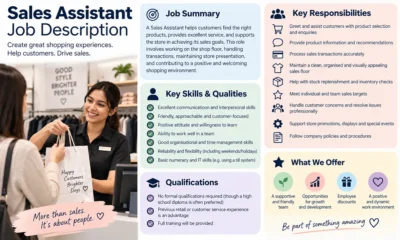

Sales Assistant Job Description: Duties, Skills, Salary and Career Guide UK
A Sales Assistant helps customers, processes purchases and supports the day-to-day running of a retail environment.


Web Developer Job Description: Duties, Skills, Salary and Career Guide UK
A Web Developer builds, maintains and improves websites and web applications. See the main duties, skills, qualifications, salary expectations and...
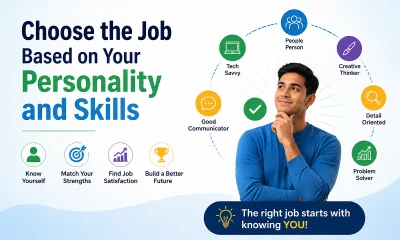

Choose an Entry-Level Jobs Based on Your Personality and Skills
Choosing your first job can be confusing. There are hundreds of entry-level jobs in the UK, but the best option...
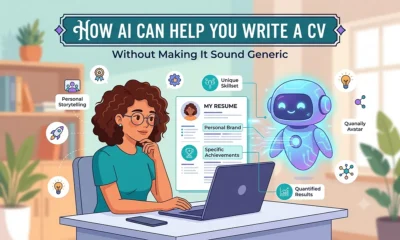

How AI Can Help You Write a CV Without Making It Sound Generic
Find out how to use AI to improve your CV, tailor your experience and write clearer applications without adding false...
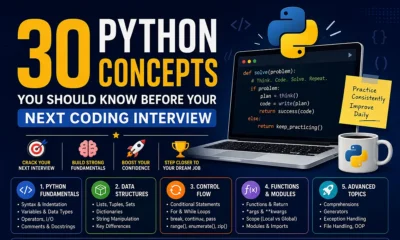

Python Interview Cheat Sheet: 30 Python Concepts You Should Know Before Your Next Coding Interview
Python is one of the most popular programming languages for beginners and professional developers. It is widely used in web...
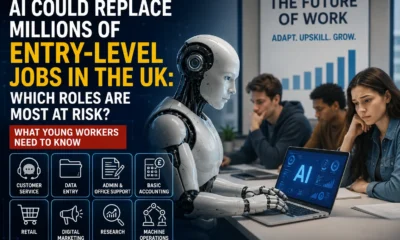

AI Could Replace Millions of Entry-Level Jobs in the UK by 2035: Which Roles Are Most at Risk?
Artificial intelligence is changing the way people work across the UK. From customer service and administration to data processing and...

How to Get a Job When There Are Fewer Vacancies
Looking for a job can become much more frustrating when there are fewer vacancies available. You may be checking job...

How UK Job Seekers Can Use LinkedIn to Find More Job Opportunities?
LinkedIn is no longer just a website for experienced professionals. It can be a useful job-search tool for students, graduates,...

Why Is It So Hard to Get a Job in the UK in 2026?
If you have been applying for jobs in the UK and getting very few replies, you are not alone. Many...


Entry-Level Jobs in the UK Compared: Pay, Difficulty, Stress and Career Growth
Starting your career can be confusing, especially when there are so many entry-level jobs available in the UK. While some...


Why Are Graduate Jobs Becoming Harder to Find in the UK?
Graduating from university is supposed to feel like the beginning of a new chapter. You finish your degree, prepare your...

Why Good Candidates Fail Job Interviews: 10 Reasons You May Not Get the Job
Find out why qualified candidates sometimes fail job interviews, why another applicant may be chosen and what you can improve...


30 Entry-Level Jobs in the UK for People With Little or No Experience
Finding your first job can feel difficult, especially when many vacancies ask for previous work experience. The good news is...

IBM Internship UK: A Complete Guide to Opportunities, Eligibility and How to Apply
An IBM internship can be an attractive opportunity for students and early-career candidates who want practical experience at a major...


How to Find Green Jobs in the UK: A Practical Guide for Job Seekers
Green jobs are becoming an important part of the UK employment market. As businesses, local authorities and industries focus more...


Top 10 Hosting Providers for Developers
Developers assess hosting differently from most other webmasters. While absolute costs and total disk space matter, the best web hosting...


HR Consultant Job Description: Duties, Skills and Career Guide UK
An HR Consultant advises organisations on people, policies, employee relations and workplace change. See duties, skills, qualifications and career routes...
-
 Career3 years ago
Career Opportunities for Seniors: 7 Jobs that are Perfect for Older Adults
-
 Jobs8 months ago
15 Best Second Jobs to Boost Your Income in the UK for 2026
-

 Career2 years ago
5 Free Job Posting Sites in the UK (For Employers)
-
 How-to7 months ago
How to Make Money with Google Gemini: Practical Methods Anyone Can Start
-
 How-to7 months ago
How to Build Passive Income and Wealth: 26 Lucrative Ideas
-
 AI & Tools7 months ago
10 Insane Ways Google Gemini Will Explode Your Productivity in 2026
-

 Job Description2 years ago
Support Worker Job Description: Duties, Skills, Salary and Career Guide UK
-

 AI & Tools7 months ago
ChatGPT vs Copilot: Which AI Is Best for You in 2026?