
Motivation
The 3-2-1 Speaking Trick That Forces You To Stop Rambling

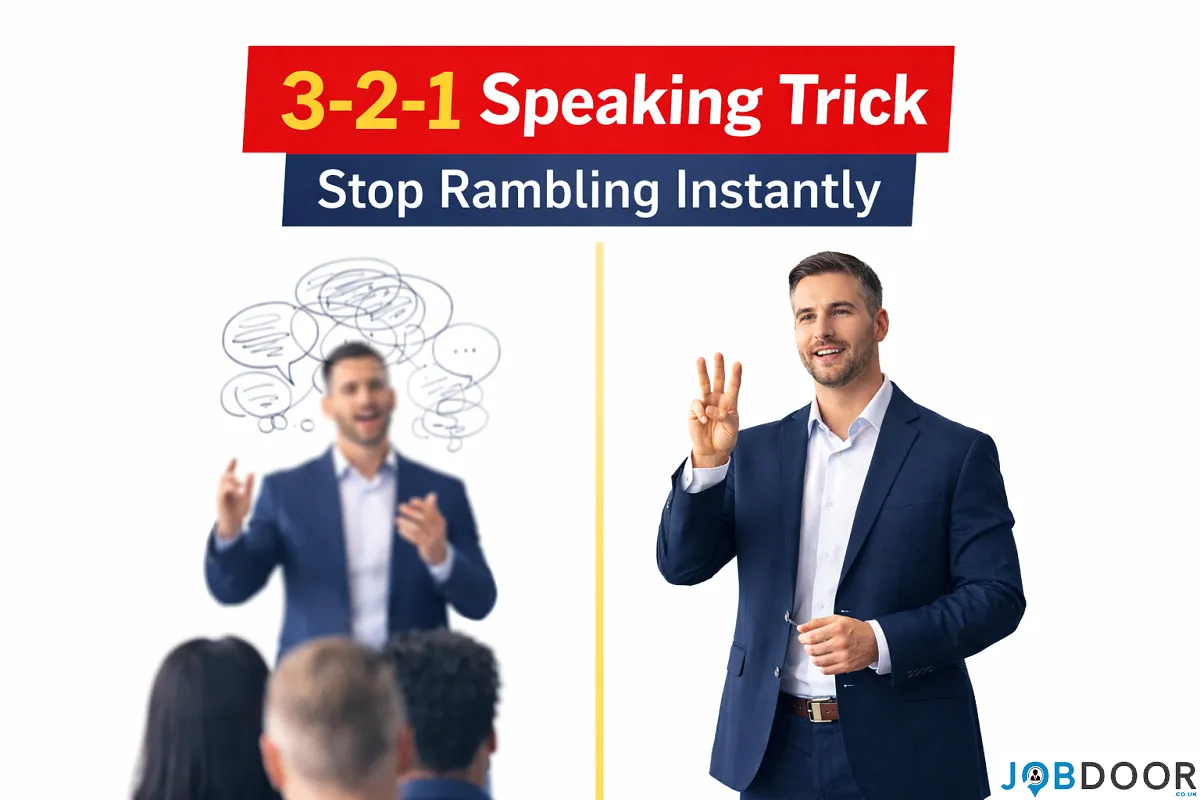
Have you ever started explaining something and then suddenly realized… you’re going in circles?
You keep talking. Adding more words. Trying harder.
But instead of becoming clearer… you become more confusing.
It happens to almost everyone.
- You ramble in conversations
- You lose your main point
- People stop paying attention
- You feel frustrated afterward
Now here’s the good news:
👉 You don’t need better English.
👉 You don’t need a big vocabulary.
👉 You just need a simple structure.
That’s where the 3-2-1 Speaking Trick comes in.
It’s one of the easiest and most powerful methods for confident speaking and learning how to stop rambling instantly.
In this guide, you’ll learn:
- What the 3-2-1 Speaking Trick is
- How to use it in real life
- Why it works (in simple terms)
- How it can improve your confidence
Let’s make your speech clear, simple, and powerful.
What Is the 3-2-1 Speaking Trick?
Let’s break it down in the easiest way possible.
👉 3-2-1 Speaking Trick = A simple way to organize your thoughts before you speak
It works like this:
- 3 Points → What are the main ideas?
- 2 Examples → Can you support your idea?
- 1 Conclusion → What is your final message?
That’s it.
No complicated rules. No stress.
Why Most People Ramble (And Don’t Even Realize It)?
Before fixing the problem, we need to understand it.
The Real Reason You Ramble:
You don’t have structure.
That’s all.
When your thoughts are unorganized:
- You keep adding extra details
- You repeat yourself
- You lose direction
Think of it like this:
👉 Speaking without structure is like driving without a map.
You’ll keep moving… but you won’t reach your destination.
How the 3-2-1 Speaking Trick Stops Rambling Instantly?
This speaking trick works because it gives your brain a clear path.
Instead of thinking:
“What should I say next?”
You already know:
- First → your points
- Then → your examples
- Finally → your conclusion
Result?
- You speak with clarity
- You sound confident
- You stop overthinking
Step-by-Step Guide: How to Use the 3-2-1 Speaking Trick
Let’s make this practical.
Step 1: Identify Your 3 Main Points
Ask yourself:
👉 What are the 3 most important things I want to say?
Keep it simple.
Example:
You’re explaining why electric cars are useful.
Your 3 points could be:
- They save fuel money
- They are eco-friendly
- They require less maintenance
Step 2: Add 2 Simple Examples
Now support your idea.
👉 Can I give 2 real or simple examples?
Example:
- Charging costs less than petrol
- Fewer moving parts = fewer repairs
Step 3: End with 1 Clear Conclusion
Finish strong.
👉 What should the listener remember?
Example:
“So overall, electric cars are cheaper and easier to maintain.”
Real-Life Example (Simple and Relatable)
Let’s say someone asks:
👉 “Should I buy a used electric car?”
Instead of rambling, use the 3-2-1 Speaking Trick:
3 Points:
- Lower running cost
- Environment-friendly
- Good for city driving
2 Examples:
- Charging is cheaper than petrol
- Less servicing needed
1 Conclusion:
“If you mostly drive in the city, a used EV is a smart choice.”
See the difference?
👉 Short
👉 Clear
👉 Confident
How This Helps in Confident Speaking?
Let’s connect this to your daily life.
When you use this method, you:
- Speak with purpose
- Avoid unnecessary words
- Feel more in control
This builds confident speaking habits naturally.
Where You Can Use the 3-2-1 Speaking Trick?
This isn’t just for presentations.
You can use it everywhere:
1. Daily Conversations
Talking to friends or family becomes clearer.
2. College or School Presentations
You stay focused and organized.
3. Job Interviews
You answer questions confidently.
4. Explaining Complex Topics (Like EV Cars)
You simplify things easily.
Speaking Clearly About EV Cars (Made Simple):
If you’re someone exploring used EV cars, this trick is perfect.
Let’s simplify a common topic.
What is an EV Car?
An EV (Electric Vehicle) is a car that runs on electricity instead of petrol or diesel.
Use the 3-2-1 Speaking Trick to Explain It:
3 Points:
- Runs on battery
- No fuel needed
- Eco-friendly
2 Examples:
- Charge at home
- Lower running cost
1 Conclusion:
“EVs are a cleaner and cheaper way to drive.”
Simple, right?
Common Mistakes to Avoid While Using This Speaking Trick:
Even simple methods can go wrong if misused.
Avoid these:
- ❌ Adding too many points
- ❌ Giving long, confusing examples
- ❌ Skipping the conclusion
- ❌ Speaking too fast
👉 Remember: Keep it short and focused.
Pro Tips to Master the 3-2-1 Speaking Trick Faster:
Want faster improvement? Follow this:
Daily Practice Routine (5 Minutes Only)
- Pick one topic (anything simple)
- Think of 3 points
- Add 2 examples
- End with 1 conclusion
Example Topics:
- Your favorite food
- Your daily routine
- Why exercise is important
Consistency builds strong speaking habits.
Why This Method Works (In Simple Terms)?
Your brain loves structure.
When you use the 3-2-1 Speaking Trick:
- You reduce confusion
- You organize thoughts faster
- You speak with clarity
It’s like turning chaos into order.
How This Improves Your Confidence Over Time?
Confidence doesn’t come first.
Clarity comes first.
Then confidence follows.
When you:
- Speak clearly
- Get understood
- See positive reactions
👉 Your confidence grows naturally.
Quick Comparison: Rambling vs Clear Speaking
| Rambling: | Clear Speaking: |
|---|---|
| No structure | Clear structure |
| Too many words | Simple sentences |
| Confusing | Easy to understand |
| Low confidence | Strong presence |
A Simple Mindset Shift You Need:
Stop trying to impress people.
Start trying to be understood.
That’s the real goal of communication.
Conclusion: Speak Less, Say More
Let’s bring everything together.
The 3-2-1 Speaking Trick is simple:
- 3 points to organize your thoughts
- 2 examples to support them
- 1 conclusion to finish clearly
That’s all you need to:
- Stop rambling
- Speak with clarity
- Build confident speaking habits
You don’t need perfect grammar.
You don’t need big words.
👉 You need structure.
Final Call to Action:
Start today.
Pick one simple topic.
Use the 3-2-1 Speaking Trick.
Speak it out loud.
It might feel awkward at first.
But with practice…
👉 You’ll speak clearly
👉 You’ll sound confident
👉 People will understand you better
And that’s how real confidence begins.
One clear sentence at a time.


Have you ever replayed a single comment in your head for hours… maybe even days?
Someone said something small. Maybe they didn’t even mean it that way. But it stayed with you. It bothered you. It affected your mood, your confidence, your peace.
You’re not alone.
Most people struggle with this. We take things personally—even when they weren’t meant for us. And slowly, it drains our mental peace, affects relationships, and holds us back from living freely.
But here’s the truth:
You don’t have to carry what was never yours.
In this guide, you’ll learn how to stop taking things personally, protect your peace, and build emotional strength—step by step, in simple language. No complicated psychology. Just real, practical advice you can start using today.
Why Do We Take Things Personally?
Before fixing the problem, let’s understand it.
Taking things personally means:
- You believe others’ words or actions are about you
- You attach meaning that may not even exist
- You feel hurt, judged, or attacked
But here’s a powerful shift:
Most of the time, it’s not about you. It’s about them.
People speak from:
- Their stress
- Their past experiences
- Their insecurities
- Their mood
Once you understand this, everything begins to change.
The Cost of Taking Things Personally:
Let’s be honest. When you take things personally, what happens?
- You overthink
- You lose confidence
- You feel anxious or angry
- You waste energy on things you can’t control
And most importantly…
You lose your peace.
So the real goal is not to “win arguments” or “prove yourself.”
The goal is simple:
👉 Protect your peace at all costs.
6 Powerful Ways to Stop Taking Things Personally:
1. Separate Facts from Your Story
When something happens, your mind creates a story.
Example:
- Fact: Someone didn’t reply to your message
- Story: “They are ignoring me. Maybe I said something wrong.”
See the difference?
Your brain fills gaps with assumptions.
What to do instead:
- Ask: What actually happened?
- Avoid jumping to conclusions
- Give neutral explanations
👉 Maybe they’re busy. Maybe they forgot. Maybe it has nothing to do with you.
This one habit alone can protect your mental peace massively.
2. Remember: People Act from Their Own World
Everyone is living in their own reality.
Their actions reflect:
- Their upbringing
- Their struggles
- Their beliefs
Not you.
Think of it like this:
If someone is rude, it says more about their inner state than your worth.
Simple mindset shift:
- Instead of: “Why did they say that to me?”
- Ask: “What might they be going through?”
This doesn’t excuse bad behavior.
But it helps you not absorb it emotionally.
3. Build Strong Self-Worth:
The stronger your self-worth, the less you take things personally.
Why?
Because you don’t depend on others to define you.
If someone criticizes you:
- Weak self-worth → You feel attacked
- Strong self-worth → You evaluate calmly
How to build self-worth:
- Keep promises to yourself
- Celebrate small wins
- Stop negative self-talk
- Surround yourself with supportive people
👉 When you know your value, others’ opinions lose power.
4. Stop Seeking Validation from Everyone:
This is a big one.
If you try to please everyone, you will:
- Overanalyze everything
- Take everything personally
- Lose yourself in the process
Let’s be real:
Not everyone will like you. And that’s okay.
Even the most successful people face criticism.
Shift your focus:
- From: “Do they like me?”
- To: “Do I like how I’m showing up?”
That’s where true mental peace begins.
5. Pause Before Reacting:
When something triggers you, your first reaction is emotional.
But reacting instantly often makes things worse.
Try this simple method:
- Pause
- Take a deep breath
- Wait before responding
Ask yourself:
- “Is this worth my energy?”
- “Will this matter in 5 days?”
Most of the time… it won’t.
👉 Silence and calmness are powerful.
Not everything deserves your reaction.
6. Set Emotional Boundaries:
Boundaries are not rude.
They are necessary.
If someone repeatedly:
- Disrespects you
- Criticizes you unfairly
- Drains your energy
You need to protect yourself.
How to set boundaries:
- Limit interaction
- Be clear and calm
- Don’t over-explain
Example:
“I don’t feel comfortable with that.”
“That doesn’t work for me.”
Simple. Respectful. Strong.
👉 Protecting your peace is your responsibility.
A Simple Daily Practice to Protect Your Peace:
Want something practical?
Try this every day:
The “Let It Go” Routine:
At the end of the day, ask yourself:
- What bothered me today?
- Did I take something personally?
Then say:
👉 “This is not mine to carry.”
And let it go.
It sounds simple. But over time, it rewires your thinking.
Common Situations & How to Handle Them:
Situation 1: Someone criticizes you
Instead of reacting:
- Ask: Is this constructive?
- If yes → Learn
- If no → Ignore
Not all criticism deserves attention.
Situation 2: Someone ignores you
Don’t assume the worst.
Repeat:
👉 “I don’t know the full story.”
Stay neutral.
Situation 3: Someone speaks rudely
Stay calm.
You can respond politely or walk away.
👉 You don’t have to match their energy.
The Truth Most People Learn Too Late:
Here it is:
Taking things personally gives others control over your emotions.
And when you stop?
You become:
- Calmer
- Stronger
- More confident
- More peaceful
This is real power.
Key Takeaways:
- Most things are not about you
- Your mind creates stories—don’t believe all of them
- Strong self-worth protects your peace
- You don’t need everyone’s approval
- Pause before reacting
- Set clear emotional boundaries
👉 The goal is simple: Stop taking things personally and protect your peace.
Conclusion:
Life becomes much lighter when you stop carrying unnecessary emotional weight.
Not every comment needs a reaction.
Not every situation needs analysis.
Not every person deserves your energy.
When you truly understand this, something shifts inside you.
You start choosing peace over proving yourself.
Calm over chaos.
Clarity over confusion.
And slowly… you become free.
So starting today, make a simple decision:
👉 I will not take things personally. I will protect my peace.
It won’t happen overnight.
But with practice, it becomes your natural way of living.
And trust me—once you experience that level of mental peace,
you’ll never want to go back.
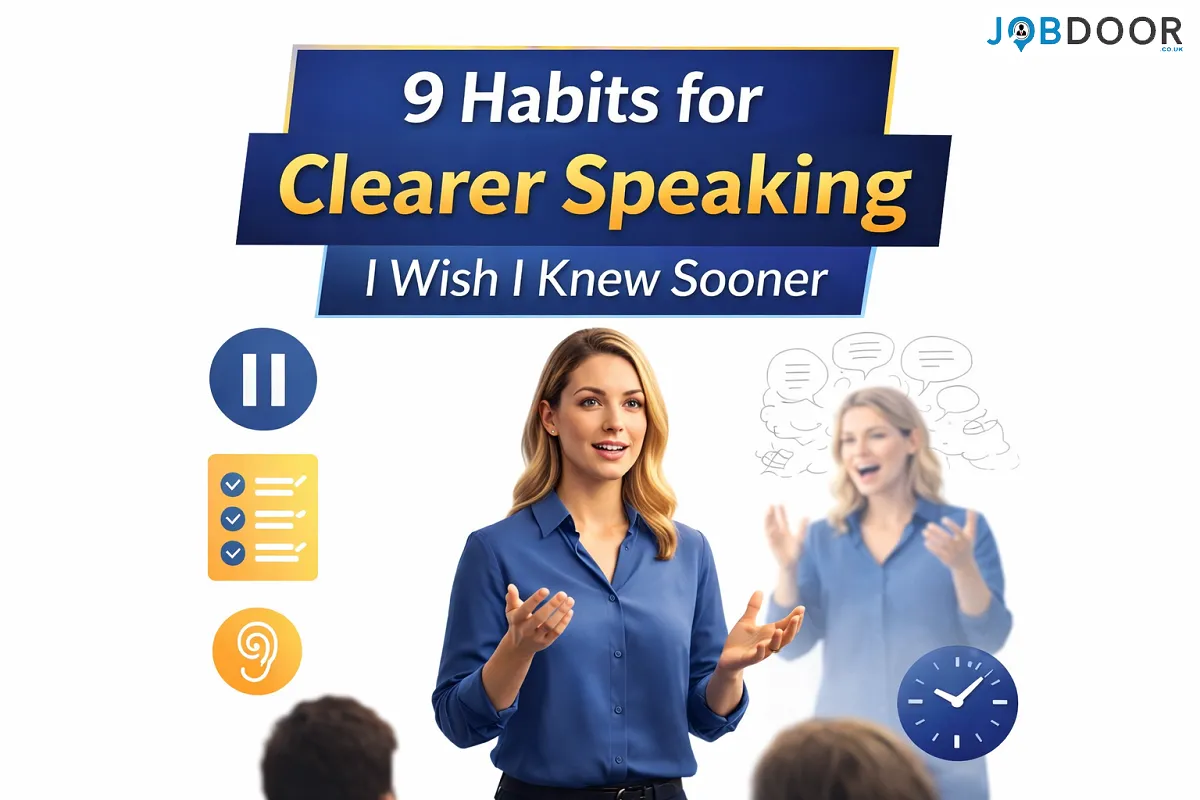
You start explaining something simple… and somehow it turns complicated.
You add more words. More details. More explanation.
But instead of becoming clearer… you start rambling.
Sound familiar?
You’re not alone.
Many people struggle with:
- Losing track while speaking
- Over-explaining simple ideas
- Feeling nervous in conversations
- Not sounding confident
Here’s the truth:
👉 Clearer speaking is not a talent. It’s a set of habits.
And once you learn the right habits, everything changes.
In this guide, you’ll discover 9 powerful habits for clearer speaking—explained in simple, easy language. No complicated theory. Just practical steps you can use daily.
We’ll also connect these habits to real-life situations—like explaining something as simple as used EV cars—so you can see how powerful clear communication really is.
Let’s begin.
What is Clearer Speaking (In Simple Words)?
Before we jump in, let’s make it simple.
👉 Clearer speaking = saying your thoughts in a way that people understand instantly.
That means:
- No confusion
- No unnecessary words
- No rambling
Think of it like this:
👉 Clear speaking is like a straight road.
👉 Rambling is like a maze.
Which one would you prefer?
Habit #1: Think Before You Speak (The 3-Second Pause)
Why This Is a Powerful Speaking Trick
Most people speak while thinking.
That’s why they ramble.
Instead, pause for 3 seconds and ask:
- What is my main point?
- How can I say it simply?
Example
Instead of:
“So I was thinking maybe we could kind of…”
Say:
“Let’s try this. It’s simpler.”
👉 Pause = clarity
Habit #2: Use the 3-2-1 Speaking Trick
This is one of the best speaking tricks to stop rambling.
How It Works
- 3 Points → What are you saying?
- 2 Examples → Support your idea
- 1 Conclusion → Final message
Example (Explaining EV Cars)
3 Points:
- Runs on electricity
- Saves fuel cost
- Eco-friendly
2 Examples:
- Charge at home
- Less maintenance
1 Conclusion:
“EVs are cheaper and cleaner for daily use.”
👉 Simple. Clear. Powerful.
Habit #3: Speak One Idea at a Time
The Problem
Trying to say everything at once.
The Solution
👉 One sentence = one idea
Example
❌ Confusing:
“EV cars are good because they save money and also help environment and…”
✅ Clear:
“EV cars save money. They also help the environment.”
👉 Short sentences build confident speaking.
Habit #4: Slow Down Your Speech
Ask Yourself
Do you speak fast when nervous?
Most people do.
Why It Hurts Clarity
- People can’t follow you
- You lose control
- You sound unsure
Fix
👉 Speak 20% slower
Example
“EV cars… are cheaper… to run.”
👉 Slower = stronger.
Habit #5: Use Simple Words (Clarity Beats Complexity)
Mistake People Make
Using big words to sound smart.
Reality
👉 Simple words = powerful communication
Example
❌ Complex:
“Electric vehicles optimize operational cost.”
✅ Simple:
“Electric cars cost less to run.”
👉 If a 10-year-old understands you, you’re doing it right.
Habit #6: Structure Your Thoughts (Start → Middle → End)
Why Structure Matters
Without structure, you wander.
With structure, you lead.
Simple Formula
- Start → What is it?
- Middle → Why it matters?
- End → What should happen?
Example
“Used EV cars are affordable (Start).
They cost less to maintain (Middle).
They’re a smart choice for city driving (End).”
👉 This habit alone improves clearer speaking instantly.
Habit #7: Cut Filler Words (Umm, Like, You Know)
Common Fillers
- Umm
- Like
- You know
- Basically
Why They Hurt
They make you sound unsure.
Fix
👉 Replace fillers with pause
Example
Instead of:
“Umm… I think EV cars are like good…”
Say:
“EV cars are good.”
👉 Silence is stronger than fillers.
Habit #8: Practice Speaking Daily (Even Alone)
Truth You Need to Know
Reading won’t improve speaking.
Speaking will.
Simple Daily Routine
- Talk in front of mirror
- Record yourself
- Explain one idea daily
Practice Topic Example
Explain:
👉 “Why should someone buy a used EV car?”
Use:
- 3 points
- 2 examples
- 1 conclusion
👉 Just 5 minutes a day.
Habit #9: Focus on Being Understood (Not Impressing)
Big Mindset Shift
Stop trying to sound smart.
Start trying to be clear.
Ask Yourself
👉 “Will they understand me easily?”
That’s what matters.
Real-Life Example: Clear Speaking About Used EV Cars
Let’s bring everything together.
Question:
👉 “Is buying a used EV car a good idea?”
Clear Answer Using These Habits:
3 Points:
- Lower running cost
- Eco-friendly
- Easy to maintain
2 Examples:
- Charging is cheaper than petrol
- Fewer moving parts
1 Conclusion:
“Used EVs are a smart and affordable choice for city use.”
👉 That’s clearer speaking in action.
Common Mistakes That Lead to Rambling
Avoid these:
- ❌ Talking without thinking
- ❌ Using long sentences
- ❌ Speaking too fast
- ❌ Over-explaining
- ❌ Trying to sound perfect
👉 Remember: Clear beats perfect.
Quick Daily Practice Plan (5 Minutes)
Follow this simple routine:
Morning (2 min)
Explain your plan for the day
Afternoon (1 min)
Explain one idea clearly
Evening (2 min)
Summarize your day
👉 Consistency builds confident speaking habits.
Why These Habits Work?
Your brain loves simplicity.
When you:
- Use structure
- Speak slowly
- Keep sentences short
👉 You reduce confusion and increase clarity.
That’s how you learn how to stop rambling naturally.
Confidence Comes From Clarity (Not Talent):
Let’s be honest.
You don’t need:
- Perfect English
- Fancy vocabulary
- Public speaking skills
👉 You need clear habits.
When people understand you:
- You feel confident
- You speak better
- You grow faster
Conclusion: Speak Less, Say More
Let’s quickly recap the 9 habits for clearer speaking:
- Think before you speak
- Use the 3-2-1 Speaking Trick
- Speak one idea at a time
- Slow down
- Use simple words
- Structure your thoughts
- Cut filler words
- Practice daily
- Focus on clarity, not impressing
Here’s the truth:
👉 Clear speaking is a skill
👉 Skills can be learned
👉 You can start today
Final Call to Action:
Don’t wait for confidence.
Build it.
Today, choose just one habit from this list.
Practice it in your next conversation.
Start small.
Because the moment you start speaking clearly…
👉 People listen
👉 People understand
👉 You feel confident
And that’s how real communication begins.
One clear sentence at a time.
Negativity doesn’t arrive loudly. It creeps in—through small doubts, silent worries, and habits you barely notice. One day, you feel stuck. Overthinking everything. Losing confidence. Comparing yourself to others. Sound familiar?
Here’s the truth: most negative thoughts are learned habits—not permanent traits. And what is learned can be unlearned.
If you’ve ever asked yourself:
- “Why do I always think the worst?”
- “Why can’t I just feel confident?”
- “Why do I keep holding myself back?”
You’re not alone.
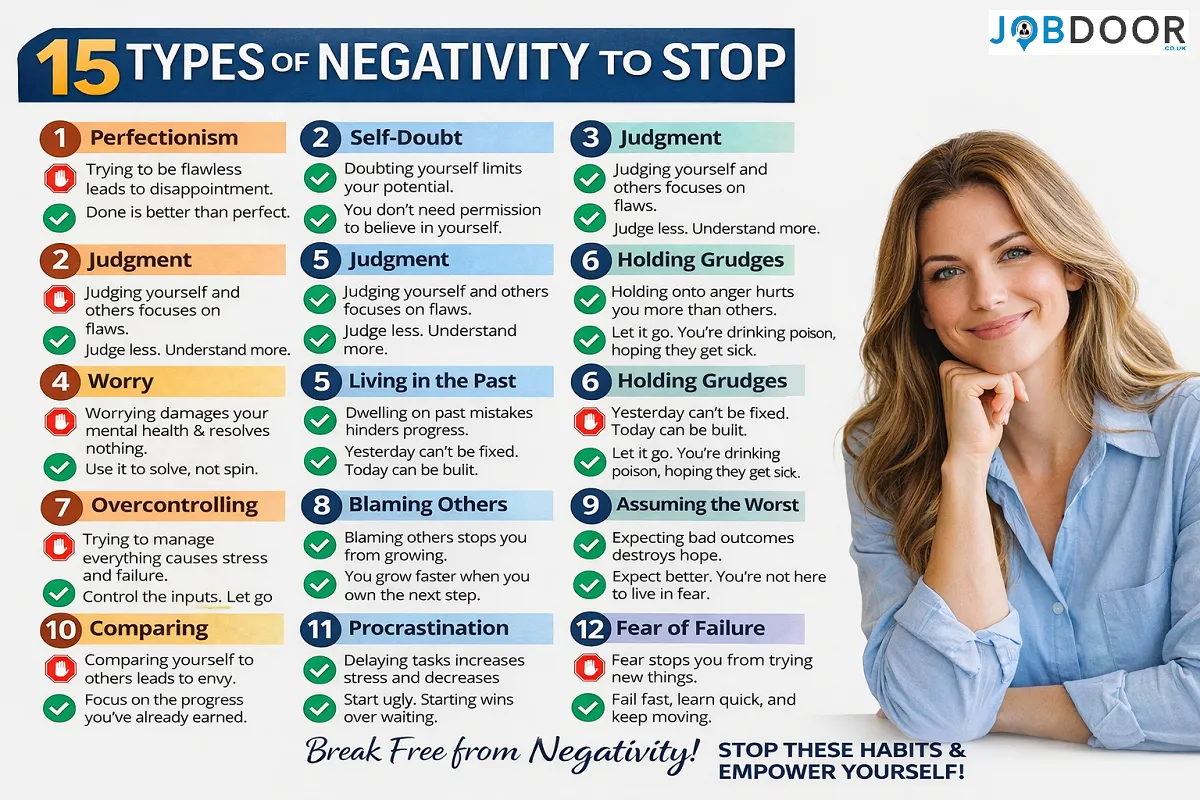
This guide breaks down 15 types of negativity to stop, in the simplest way possible. No complicated psychology. No jargon. Just clear explanations and practical shifts you can apply today.
Think of this as a reset button for your mindset.
What Is Negativity (In Simple Terms)?
Negativity is a pattern of thinking that focuses on problems, fear, doubt, or worst-case outcomes—even when better possibilities exist.
It shows up as:
- Negative thoughts about yourself
- Fear-based decisions
- Constant stress or overthinking
And here’s the catch: your brain is wired to notice negativity first. It’s a survival mechanism. But in modern life, it often does more harm than good.
Why You Must Stop Negativity Early
Unchecked negativity can:
- Drain your energy
- Lower your confidence
- Affect relationships
- Stop you from taking action
But the good news?
👉 You don’t need to fix everything at once. Just start by identifying what to stop.
15 Types of Negativity to Stop
1. Perfectionism – The Hidden Trap
Perfectionism sounds positive, but it’s not.
It tells you:
“If it’s not perfect, don’t start.”
The problem? You end up doing nothing.
Better approach:
- Done is better than perfect
- Progress beats perfection
2. Self-Doubt – The Silent Confidence Killer
Self-doubt whispers:
“You’re not good enough.”
And you believe it.
Reality check:
You don’t need permission to believe in yourself.
Try this:
- Replace “What if I fail?” with “What if I succeed?”
3. Judgment – Toward Yourself and Others
Constant judging leads to negativity.
- Judging others creates distance
- Judging yourself creates insecurity
Shift your mindset:
- Understand more
- Judge less
4. Worry – Thinking Without Solving
Worry feels like action. But it’s not.
It’s just:
👉 Thinking in circles
Ask yourself:
- Can I control this?
If yes → take action
If no → let it go
5. Living in the Past
Replaying past mistakes?
You’re not alone.
But remember:
- The past cannot be changed
- The present can be built
Simple rule:
Learn → adjust → move forward
6. Holding Grudges
Holding anger feels powerful. But it’s not.
It’s like:
👉 Drinking poison and expecting the other person to suffer
Let go, not for them—but for yourself.
7. Overcontrolling Everything
Trying to control everything leads to stress.
Because:
👉 Not everything is in your control
Focus instead on:
- Your actions
- Your effort
- Your mindset
Let outcomes happen.
8. Blaming Others
Blame feels easy.
Growth feels hard.
But here’s the truth:
👉 Blame keeps you stuck
👉 Responsibility moves you forward
Ask:
“What can I do better next time?”
9. Assuming the Worst
Ever think:
- “This won’t work”
- “Something bad will happen”
That’s negativity at work.
Flip it:
- Expect better outcomes
- Stay realistic—but hopeful
10. Comparing Yourself to Others
Comparison is one of the fastest ways to feel unhappy.
Why?
Because you’re comparing:
👉 Your real life
with
👉 Someone else’s highlight reel
Instead:
Focus on your progress.
11. Procrastination – Delaying Your Growth
You tell yourself:
“I’ll start tomorrow.”
But tomorrow becomes next week.
Truth:
- Starting messy is better than not starting
Rule:
👉 Start small. Start today.
12. Fear of Failure
Fear stops more dreams than failure ever will.
It tells you:
“Don’t try—you might fail.”
But what if:
👉 Trying is how you grow?
New mindset:
Fail fast → Learn faster → Move forward
13. Overthinking – The Energy Drainer
Overthinking creates problems that don’t exist.
You analyze…
Re-analyze…
And still feel stuck.
Solution:
- Less thinking
- More doing
Action clears confusion.
14. Complaining Without Action
Complaining feels good temporarily.
But it solves nothing.
Instead of saying:
“This is bad…”
Ask:
👉 “What can I do about it?”
15. Negative Self-Talk – Your Inner Voice Matters
This is the most dangerous type.
Because it comes from you.
- “I’m not good enough”
- “I always fail”
Would you say that to someone you love?
No.
Then don’t say it to yourself.
New rule:
👉 Speak to yourself with respect
How to Actually Stop Negativity (Step-by-Step)
Stopping negativity isn’t about being positive all the time.
It’s about being aware.
Step 1: Notice Your Thoughts
Ask:
- “Is this helping me or hurting me?”
Step 2: Challenge the Thought
Is it true?
Or just fear?
Step 3: Replace It
Swap negative thoughts with realistic ones.
Example:
- “I can’t do this” → “I’ll figure this out”
Step 4: Take Action
Even a small step breaks negative cycles.
A Simple Daily Practice to Reduce Negative Thoughts
Try this daily:
- Write 1 negative thought
- Rewrite it in a positive or neutral way
- Take 1 action
That’s it.
Consistency matters more than perfection.
Why This Matters More Than You Think
Negativity doesn’t just affect your mood.
It affects:
- Your decisions
- Your confidence
- Your future
The difference between someone stuck and someone growing?
👉 Their mindset.
Conclusion: Start Small, But Start Today
You don’t need to eliminate all negativity overnight.
Just pick one.
One habit. One thought pattern.
Start there.
Because every small shift builds momentum.
- Let go of perfection
- Stop overthinking
- Speak kindly to yourself
And slowly, your life begins to change.
Remember:
You are not your negative thoughts.
You are the one who can change them.
👉 Start today. Not tomorrow. Not next week.
One better thought at a time.


Why Is It So Hard to Get a Job in the UK in 2026?
If you have been applying for jobs in the UK and getting very few replies, you are not alone. Many...


Why Are Graduate Jobs Becoming Harder to Find in the UK?
Graduating from university is supposed to feel like the beginning of a new chapter. You finish your degree, prepare your...


Top 10 Hosting Providers for Developers
Developers assess hosting differently from most other webmasters. While absolute costs and total disk space matter, the best web hosting...


Meta and Microsoft Announce Massive Layoffs
Big tech companies like Meta Platforms and Microsoft are reducing their workforce as they spend more money on artificial intelligence...


GPT-5.5 vs Claude: Nano Banana Killer & Claude’s New Design Tool
Artificial Intelligence is evolving at an incredible pace. Every few months, new models and tools are released that push the...


Moltbook: The First Social Network for AI Agents
Artificial Intelligence is evolving rapidly. We’ve moved from simple tools to powerful AI systems that can write, design, analyze, and...


Volkswagen Uses AI Agents to Transform Its Cars in China
The automotive industry is changing faster than ever before—and at the center of this transformation is Artificial Intelligence (AI). One...


AI Is Growing Faster Than You Think
Artificial Intelligence (AI) is no longer something we only see in movies or imagine about the future. It is already...


Could AI Eliminate Humans in the Next 10 Years?
Artificial Intelligence (AI) is advancing at an incredible speed. Every day, new tools, smarter systems, and powerful technologies are being...


Meet NEO: Your New Home Robot Buddy
Imagine coming home after a long day, and instead of doing chores, managing devices, or worrying about security, everything is...


You’ve Been Using AI the Hard Way: Why Most People Use AI Inefficiently?
Artificial Intelligence is one of the most powerful tools available today. Millions of people are using AI for writing, design,...


Master AI Engineering: 20 Key Concepts Explained Simply
Artificial Intelligence (AI) is no longer a futuristic idea—it is already shaping our daily lives. From voice assistants to recommendation...

6 Ways You Are Wasting Your Time (And Don’t Even Realize It)
Time slips quietly. Not with loud warnings. Not with alarms. But in small, unnoticed habits you repeat every day. You...


How to Take Nothing Personally: 6 Powerful Ways to Protect Your Peace
Have you ever replayed a single comment in your head for hours… maybe even days? Someone said something small. Maybe...
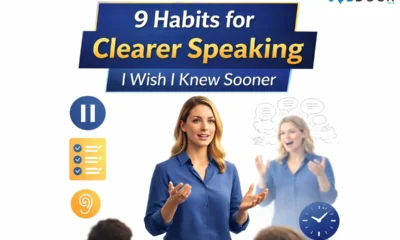

9 Habits for Clearer Speaking I Wish I Knew Sooner
You start explaining something simple… and somehow it turns complicated. You add more words. More details. More explanation. But instead...
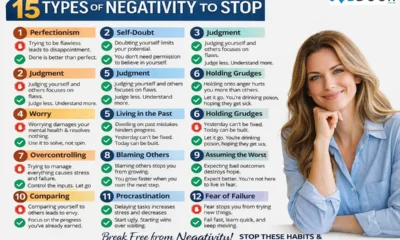

15 Types of Negativity to Stop (Before They Quietly Control Your Life)
Negativity doesn’t arrive loudly. It creeps in—through small doubts, silent worries, and habits you barely notice. One day, you feel...


6 Habits to Articulate Your Thoughts Like the Top 1%
Have you ever listened to someone speak and thought, “Wow… they make everything sound so simple and powerful”? And then...
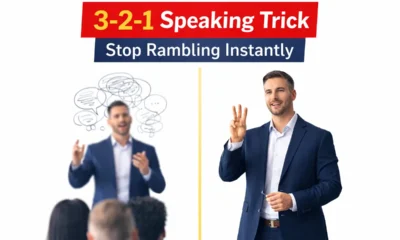

The 3-2-1 Speaking Trick That Forces You To Stop Rambling
Have you ever started explaining something and then suddenly realized… you’re going in circles? You keep talking. Adding more words....


7 Skills That Will Pay You Forever – Future-Proof Your Career
In a world where industries are changing faster than ever, one thing remains constant—skills are the real currency of success....


Hard Skills vs Soft Skills: Why You Need Both to Succeed
In today’s competitive world, success is no longer determined by just what you know—it’s also about how you apply it...
-
 Career3 years ago
Career Opportunities for Seniors: 7 Jobs that are Perfect for Older Adults
-
 Jobs7 months ago
15 Best Second Jobs to Boost Your Income in the UK for 2026
-

 Career2 years ago
5 Free Job Posting Sites in the UK (For Employers)
-
 Money7 months ago
20 Ways to Make Money with Google Gemini: Practical Methods Anyone Can Start
-
 Money7 months ago
26 Lucrative Passive Income Ideas to Build Wealth in 2026
-
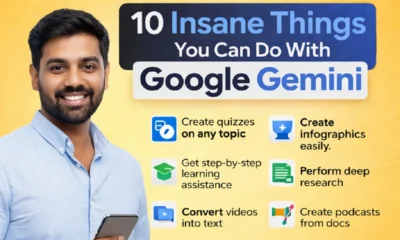
 AI & Tools7 months ago
10 Insane Ways Google Gemini Will Explode Your Productivity in 2026
-

 Job Description2 years ago
Support Worker Job Description: Qualifications, Skills, Salary, Working Hours
-

 AI & Tools7 months ago
ChatGPT vs Copilot: Which AI Is Best for You in 2026?