
Money
10 Places Where Rich People Give Away Free Money (And How You Can Get It)


Let’s be honest. The idea of getting free money sounds too good to be true. Most of us instantly think of scams, fake giveaways, or shady links that ask for our bank details.
But here’s the truth many people don’t talk about enough: rich people really do give away money—legally, openly, and in huge amounts.
Every year, billions of dollars are donated by wealthy individuals, foundations, and companies. The money is meant to support students, creators, startups, nonprofits, and everyday people who have good ideas but limited resources.
The problem is not that the money doesn’t exist. The problem is that most people don’t know where to look or how to apply.
In this guide, I’ll walk you through 10 real places where rich people give away free money, explain how these programs work, and share practical tips to increase your chances of getting selected. This article is written in simple, clear English—no complicated words, no false promises.
Let’s get started.
1. Philanthropic Foundations:
Many wealthy people set up private foundations to give back to society. These foundations focus on education, healthcare, climate, poverty reduction, women empowerment, and more.
Some well-known examples include foundations started by billionaires, business leaders, and successful entrepreneurs. These organizations give money through grants, scholarships, fellowships, and financial aid programs.
You usually don’t need to be rich or powerful to apply. In fact, many foundations are specifically designed to help people from low-income backgrounds.
How to benefit:
- Visit foundation websites and check their “Grants” or “Apply” sections
- Read eligibility rules carefully
- Apply with honest details and clear goals
This money does not need to be paid back.
2. Scholarships Funded by Wealthy Donors:
Scholarships are one of the most common ways rich people give away money.
Many successful individuals fund scholarships in their name or in memory of someone they care about. These scholarships are for students who may not afford education otherwise.
Some scholarships cover tuition only, while others also include living expenses, books, and travel costs.
The best part? You don’t always need top grades. Some scholarships are based on need, background, skills, or personal story.
How to benefit:
- Search for local and international scholarships
- Apply to multiple programs
- Write a genuine personal statement
3. Angel Investors and Startup Grants:
Not all rich people give money only to charities. Many support ideas and innovation.
Angel investors are wealthy individuals who invest in small businesses and startups. While some expect returns, others offer grants, competitions, and zero-interest funding to help people get started.
Some programs focus on young founders, women entrepreneurs, or people from developing countries.
How to benefit:
- Have a clear business or idea plan
- Join startup communities and online platforms
- Apply to grant-based startup programs
4. Social Media Giveaways by Rich Creators:
You’ve probably seen posts like “Giving away $10,000 to my followers.” These are not always fake.
Many wealthy content creators, entrepreneurs, and influencers run giveaways to support people, grow their audience, or promote positivity.
They often ask participants to comment, share a story, or submit a small form.
Important tip: Only trust verified accounts and never pay to enter.
How to benefit:
- Follow trusted creators
- Participate honestly
- Avoid anything that asks for fees or sensitive details
5. Crowdfunding Platforms:
Crowdfunding websites allow people to raise money for personal needs, education, medical bills, or creative projects.
Many wealthy donors browse these platforms looking for causes they want to support. Some even fund entire campaigns anonymously.
If your story is real and well-explained, people are willing to help.
How to benefit:
- Write your story clearly and honestly
- Add photos or proof where possible
- Share your campaign responsibly
6. Nonprofit and NGO Support Programs:
Nonprofits often receive large donations from rich individuals. They then redistribute this money through aid programs, cash support, training funds, and grants.
Some NGOs help students, some support small business owners, and others focus on emergency support.
You don’t need connections to apply. Most programs are open and transparent.
How to benefit:
- Look for NGOs working in your area
- Follow their official websites and social pages
- Apply during open application periods
7. Competitions and Challenges:
Wealthy sponsors love competitions. Why? Because they reward effort, creativity, and ideas.
These competitions can be about writing, business ideas, social impact, technology, or art. Winners receive cash prizes, mentorship, or both.
Even if you don’t win first place, many competitions offer smaller rewards or exposure.
How to benefit:
- Enter contests related to your skills
- Read rules carefully
- Submit original work
8. Emergency Relief Funds:
During crises, rich individuals and companies create emergency funds to help people directly.
These funds may support people affected by job loss, health issues, natural disasters, or financial hardship.
Applications are usually simple and quick.
How to benefit:
- Stay updated through trusted news sources
- Apply early
- Provide accurate information
9. Patronage for Creators and Artists:
Writers, artists, musicians, and developers often receive support from wealthy patrons.
Some rich people believe in funding creativity without expecting anything in return. They offer monthly support, one-time grants, or project funding.
This has been happening for centuries, and it still exists today.
How to benefit:
- Share your work online
- Build a small audience
- Be consistent and authentic
10. Local Community Programs and Trusts:
Not all free money comes from global billionaires. Many wealthy families support local community funds and trusts.
These programs are usually created to help people living in a specific city, town, or region. They may offer education support, small business funding, medical help, or emergency cash assistance.
Because these programs are local, there is often less competition compared to international grants.
How to benefit:
- Check local trust offices and community centers
- Ask schools, colleges, or NGOs about local funds
- Apply with proper documents
How to Increase Your Chances of Getting Free Money?
Knowing where to look is only half the job. The other half is how you apply.
Here are some simple but powerful tips that can make a real difference:
1. Be Honest and Clear:
Never exaggerate your story. Wealthy donors and organizations can easily spot fake or copied applications.
Write in simple language. Explain who you are, what you need, and how the money will help you.
2. Apply to Multiple Programs:
Don’t depend on just one opportunity. Apply to many relevant programs.
Even if you get rejected, you gain experience and improve your next application.
3. Follow Instructions Carefully:
Many applications are rejected simply because people don’t follow rules.
If they ask for 500 words, don’t write 1,000. If they need documents, upload them properly.
4. Stay Away from Scams:
Real free money programs never ask for upfront fees.
If someone asks you to pay to receive money, walk away.
Common Myths About Free Money:
Let’s clear a few misunderstandings:
- Myth: Only rich or smart people get grants Truth: Many programs exist for ordinary people
- Myth: Free money is always a scam Truth: Legit programs exist, but scams also exist—be careful
- Myth: You must know someone important Truth: Most programs are open to everyone
Final Thoughts:
Rich people give away free money every day. The money is already there, waiting for the right people.
You don’t need luck. You need information, effort, and patience.
If you’re willing to search, apply, and stay honest, these opportunities can truly change your life.
Don’t ignore this thinking it’s impossible. Many people just like you are already benefiting from these programs.
Start today. Apply smartly. And never stop believing that better opportunities are possible.
If you found this guide helpful, share it with someone who needs it. Good information should always be shared.














“Stop ignoring this.”
“Boost your income.”
“Get paid while you sleep.”
You’ve seen headlines like that everywhere. Screenshots of large payouts. Smiling creators. Claims of effortless money.
But here’s the truth:
There are ways to build income that continues flowing while you’re not actively working — but it’s not magic, and it’s not instant.
It’s automation + leverage + smart positioning.
In this guide, I’ll show you exactly how modern online earners are building semi-automated income streams in 2026, using strategies that are sustainable, scalable, and realistic.
No recycled ideas. No vague “start a dropshipping store” advice. Just practical systems.
What Is a “Sleepy” Side Hustle?
Let’s redefine it properly.
A “sleepy” side hustle is:
A digital asset that earns revenue with minimal daily involvement after setup and optimization.
It’s not passive from day one.
It becomes passive after:
- Systems are built
- Traffic flows consistently
- Conversions are optimized
- Automation replaces manual work
The goal is low-maintenance income, not lottery-style earnings.
Why 2026 Is the Best Time to Build Automated Income?
Three major shifts have created new opportunities:
1. AI Reduced Entry Barriers:
Content creation, product research, coding, editing — all faster than ever.
2. Global Digital Payments Expanded:
Stripe, PayPal, Wise, Gumroad, Lemon Squeezy — monetization is frictionless.
3. Search + Social Algorithms Reward Value:
You don’t need millions of followers. You need targeted relevance.
If you build smart systems now, you’re ahead of late adopters.
The 5 Most Realistic “Sleepy” Side Hustles Right Now:
Let’s skip the hype and focus on sustainable models.
1. Digital Asset Blogging (Niche Authority Sites):
Forget random blogging.
Modern SEO blogging in 2026 focuses on:
- Deep topical authority
- Problem-solving content clusters
- Long-tail search domination
- Affiliate + digital product layering
Why It Works?
Google prioritizes:
- Expertise
- Depth
- Freshness
- Structure
Instead of writing 300 shallow articles, build:
- 30 high-quality topical clusters
- Internal linking strategy
- Conversion funnels inside articles
Revenue streams:
- Affiliate commissions
- Display ads
- Digital downloads
- Email marketing
Once traffic stabilizes, income becomes predictable.
2. Automated Digital Product Sales:
This is exploding in 2026.
Examples:
- Notion templates
- Resume templates
- AI prompts packs
- Financial calculators
- Canva design kits
- Niche planners
Create once. Sell repeatedly.
The Smart Strategy:
Don’t create “general” templates.
Create hyper-specific solutions.
Example:
Instead of:
Budget planner
Create:
Budget planner for first-year college students living off-campus
Specificity sells.
Use:
- Pinterest SEO
- Short-form video content
- Email list funnels
You build once. Automate checkout. Automate delivery.
3. Faceless YouTube Automation (Done Correctly):
Not clickbait cash cow channels.
Instead:
- Educational explainer channels
- Data storytelling
- Industry breakdowns
- Tool tutorials
Why it works:
YouTube is the second largest search engine.
Ad revenue + affiliate links + digital products = stacked monetization.
Use AI for:
- Script drafting
- Research summaries
- Editing assistance
But always add human refinement.
Consistency wins here.
4. Micro SaaS Tools (No Coding Required):
This is underutilized.
You can build simple tools using:
- No-code platforms
- AI-assisted coding
- Automation tools
Examples:
- Niche pricing calculator
- Proposal generator
- Instagram caption optimizer
- Small business profit tracker
Charge:
- $5–$20 per month
100 users = real recurring income.
Recurring revenue is the ultimate “sleepy” model.
5. Print-on-Demand with Brand Positioning:
Not random t-shirts.
Instead:
- Identity-driven brands
- Community-focused niches
- Emotionally resonant messaging
Example:
Instead of:
Gym shirt
Create:
Shirts specifically for first-time dads starting fitness again
Emotion > product.
Use:
- Organic TikTok
- Instagram Reels
- Pinterest SEO
Build audience first. Sell second.
The 2026 Strategy Shift: Build Systems, Not Just Products
Most people fail because they chase products.
Successful online earners build:
1. Traffic System:
SEO
Short-form video
Email list
Pinterest
2. Conversion System:
Landing page
Offer clarity
Testimonials
Clear CTA
3. Automation System:
Email sequences
Auto-delivery
Payment integration
Analytics tracking
4. Optimization Loop:
Test → Measure → Improve
This loop creates momentum.
The “One Hour a Day” Reality Plan:
Here’s how to realistically build this while working a job:
Month 1:
- Choose one model
- Research deeply
- Validate demand
- Create MVP version
Month 2:
- Launch
- Drive small traffic
- Improve conversion
Month 3:
- Scale traffic
- Automate tasks
- Improve offer
Consistency beats intensity.
Avoid These Fake “Passive Income” Traps:
Let’s be honest.
If it sounds too easy, it is.
Avoid:
- Crypto pump schemes
- Reselling mystery “courses”
- AI spam blogs
- Over-saturated dropshipping clones
- Buying pre-made websites
Real wealth compounds.
Shortcuts collapse.
How to Actually Reach $20K+ Online?
Let’s break down math instead of hype.
Option A:
- 1,000 customers
- $20 product
= $20,000
Option B:
- 200 customers
- $100 product
= $20,000
Option C:
- 100 customers
- $200 subscription
= $20,000
The goal is not viral fame.
The goal is:
Clear offer × Clear audience × Consistent traffic
Mindset: The Hidden Multiplier
You don’t need:
- 10 income streams
- 12 businesses
- 5 platforms
You need:
One system that works.
Focus > distraction.
Build slow. Scale smart.
SEO Blueprint for Ranking Your Side Hustle Content:
If you’re blogging or building organic traffic:
Use Long-Tail Keywords
Instead of:
Make money online
Target:
Best automated online income ideas for beginners 2026
Specific = less competition.
Use Structured Content:
- Clear H2/H3 headings
- Bullet lists
- FAQs
- Internal links
Google loves structure.
Add Value Density:
Don’t fluff.
Give:
- Frameworks
- Templates
- Numbers
- Case breakdowns
Depth wins rankings.
Is “Money While You Sleep” Real?
Yes — but it’s delayed gratification.
First:
You work without income.
Then:
Income starts slowly.
Then:
It compounds.
Finally:
Maintenance replaces effort.
It’s not sleep-from-day-one.
It’s earn-while-you-rest-after-building.
Final Thoughts:
The people earning online in 2026 aren’t lucky.
They:
- Solve real problems
- Build digital assets
- Optimize relentlessly
- Think long-term
- Ignore noise
If you want automated income, stop chasing shiny trends.
Pick one strategy.
Master it.
Systematize it.
Scale it.
That’s the blueprint.
If you start today, your future self — the one waking up to payment notifications — will thank you.
Not because it was easy.
But because you built something real.
Money
How to Sell on Amazon FBA in 2026: The Complete, Future-Proof Blueprint for Beginners & Growth Sellers

Amazon FBA (Fulfillment by Amazon) is no longer just a side-hustle trend. It’s a sophisticated eCommerce ecosystem where brand building, data intelligence, logistics optimization, and customer psychology all play a role. If you want to sell on Amazon successfully in 2026, you need more than basic product research and PPC ads.
This guide goes beyond outdated tactics and walks you through modern Amazon FBA strategies, advanced positioning techniques, AI-driven optimization, and scalable systems that work today.
What Is Amazon FBA (And Why It Still Works in 2026)?
Amazon FBA allows you to:
- Send inventory to Amazon warehouses
- Let Amazon handle storage, packing, shipping
- Access Prime customers
- Outsource customer service and returns
But here’s what most people miss:
FBA is not just logistics. It’s a distribution advantage.
You are plugging into:
- 300+ million active customers
- The world’s most trusted online marketplace
- Built-in conversion infrastructure
Yet competition is tougher. So strategy matters more than ever.
Step 1: Stop “Product Hunting.” Start Solving Micro-Problems.
Old strategy:
Find high demand + low competition products.
New strategy:
Identify overlooked customer frustrations within existing categories.
How to Find Winning Micro-Opportunities?
Instead of browsing random tools, try this framework:
1. Review Mining 2.0:
Look at 3-star reviews (not 1-star).
- These customers didn’t hate the product.
- They saw potential.
- They mention fixable flaws.
Extract patterns like:
- “Wish it was slightly bigger.”
- “Cable too short.”
- “Instructions unclear.”
That’s your opportunity.
2. Niche Within a Niche:
Don’t sell:
“Yoga mat”
Sell:
“Extra thick non-slip yoga mat for knee pain recovery”
Specificity converts.
3. Use Search Intent Layers:
Instead of chasing:
- “Best water bottle”
Target:
- “Water bottle for long-distance cycling”
- “Water bottle for school kids stainless steel”
Long-tail = lower CPC + higher conversion.
Step 2: Build a Brand Before You Launch:
Amazon in 2026 rewards brands — not random listings.
Register Your Brand Early:
- Trademark your brand name.
- Enroll in Amazon Brand Registry.
- Unlock A+ content, storefront, and protection.
Create Brand Assets:
Before listing, prepare:
- Logo
- Packaging identity
- Brand story
- Product positioning angle
Ask:
What does my brand stand for?
Speed?
Minimalism?
Durability?
Eco-friendly?
Premium?
You need emotional differentiation.
Step 3: AI-Powered Product Research (Without Guesswork)
AI tools are reshaping Amazon FBA. But don’t rely blindly.
Use AI to:
- Analyze keyword clusters
- Predict seasonality
- Compare competitor listing structure
- Generate improved bullet points
- Optimize pricing models
But verify with:
- Actual sales data
- Historical trend tracking
- Amazon search volume
AI is your assistant — not your decision maker.
Step 4: Listing Optimization That Converts (Not Just Ranks)
Ranking is half the battle.
Conversion wins the war.
The 2026 Amazon Listing Structure:
1. Title Strategy:
Structure:
Primary Keyword + Benefit + Unique Feature + Use Case
Example:
Stainless Steel Insulated Water Bottle – 24hr Cold Retention – Leakproof for Gym & Travel
Avoid keyword stuffing.
Focus on clarity + scannability.
2. Bullet Points: Use the “Pain–Promise–Proof” Method:
Instead of:
- Durable material
- High quality steel
Write:
- ✔ No More Lukewarm Drinks – Keeps beverages cold for 24 hours
- ✔ Built for Daily Abuse – Premium 18/8 food-grade steel
Show benefit first.
Explain feature second.
3. Product Images: Your Real Sales Team
Include:
- Main white background image
- Lifestyle images
- Infographic explaining benefits
- Comparison chart
- Use-case image
- Dimensions clarity image
In 2026, short product videos outperform static images.
If you can:
Add:
- 15–30 second demo video
- Quick benefit reel
Step 5: Launch Strategy That Doesn’t Burn Cash
Old method:
- Massive PPC spend
- Fake rebates
- Random giveaways
New method:
Controlled velocity launch.
Phase 1: Keyword Ranking Test
- Target 5–8 main keywords
- Low budget PPC campaigns
- Analyze conversion per keyword
Phase 2: External Traffic Boost
Drive:
- Pinterest traffic
- TikTok niche audience
- Email list
- Micro-influencers
Amazon rewards listings that convert from external sources.
Step 6: Amazon PPC in 2026 – Smarter Structure
Don’t run one big campaign.
Use layered campaigns:
1. Discovery Campaign:
- Auto targeting
- Broad match
- Small budget
Purpose:
Find converting search terms.
2. Exact Match Campaign:
Move winning keywords here.
Increase bids gradually.
3. Defensive Campaign:
Bid on:
- Your brand name
- Your product ASIN
Protect your territory.
4. Product Targeting Ads:
Target competitor listings directly.
Steal traffic from weak listings.
Step 7: Profit Optimization Strategy (Advanced Sellers Only)
Revenue is vanity.
Profit is survival.
Reduce Costs by:
- Negotiating suppliers after first 2 orders
- Optimizing packaging size
- Reducing dimensional weight
- Splitting shipments strategically
- Monitoring storage fees monthly
Small savings compound massively.
Step 8: The 90-Day Scale Plan
Once you’re stable:
Month 1:
- Improve listing
- Reduce ACoS
- Increase reviews organically
Month 2:
- Launch variation (color/size)
- Bundle product
- Test price increase
Month 3:
- Add complementary product
- Build storefront
- Run brand ads
Never depend on one SKU.
Step 9: Review Strategy That’s Ethical and Powerful
Never buy reviews.
Amazon bans aggressively.
Instead:
- Use Amazon’s “Request Review” button
- Insert thank-you card (no manipulation)
- Improve product quality
- Respond to negative reviews professionally
- Track feedback patterns
Better product = better reviews.
Simple.
Step 10: Build an Exit-Ready Brand
Smart sellers think long-term.
If you build:
- Consistent revenue
- Strong brand identity
- Clean financials
- Multiple SKUs
- Good margins
You can sell your brand for 2x–4x annual profit.
That’s the real wealth strategy.
Common Mistakes Beginners Still Make:
- Choosing products based only on tools
- Ignoring branding
- Competing on price alone
- Over-ordering inventory
- Not calculating real profit after fees
- Quitting too early
Amazon FBA is not a lottery.
It’s a business.
Is Amazon FBA Still Worth It?
Yes — if you treat it professionally.
No — if you treat it like a shortcut.
The opportunity remains massive because:
- Amazon continues expanding
- Prime membership grows
- Customers trust the platform
But competition filters out lazy sellers.
Final Thoughts: The Real Amazon FBA Advantage
The biggest shift in 2026:
Winning sellers combine:
- Data intelligence
- Branding
- AI assistance
- Strong logistics
- Emotional marketing
If you follow outdated strategies, you’ll struggle.
If you build a brand with systems, research, and optimization — you win.
Quick Action Checklist:
✔ Find micro-problem product
✔ Validate demand with real data
✔ Register brand
✔ Optimize listing for conversion
✔ Structured PPC launch
✔ Monitor profit weekly
✔ Expand SKU line
✔ Think long-term
If you’re serious about selling on Amazon FBA, treat it like building an asset — not chasing quick money.
Because when done right, Amazon FBA is not just selling products.
It’s building leverage.
And leverage changes everything.

“$300 per day.”
“Build a simple website.”
“Make easy money online.”
You’ve seen headlines like this everywhere. And while most of them are exaggerated, here’s the truth:
Making $300 per day from a website is absolutely possible.
But not because you threw up a random blog, added ads, and waited.
In 2026, the game has changed. The winners are building lean, highly targeted websites designed for conversion and automation, not just traffic.
This guide breaks down exactly how to do it — step by step — using modern strategies that actually work.
First: Let’s Do the Math
Before strategy, let’s simplify the target.
$300 per day = $9,000 per month.
You don’t need millions of visitors.
Here are realistic models:
- 3 sales per day × $100 product = $300
- 10 sales per day × $30 product = $300
- 50 affiliate conversions × $6 commission = $300
- 100 ad clicks × $3 per click = $300
The key isn’t traffic volume.
It’s traffic quality + offer alignment.
The 2026 Website Strategy Shift:
Old model:
Build a blog → write 200 articles → add ads → hope for traffic.
New model:
Build a focused micro-authority site around a high-value problem and monetize strategically from day one.
This is the difference between hobby blogging and digital asset building.
Step 1: Pick a Profitable Problem (Not a Random Niche)
Most beginners choose “niches.”
Instead, choose problems people actively spend money to solve.
Examples of strong website angles:
- Remote workers improving productivity
- Parents helping kids with math
- Home gym beginners
- Side hustle beginners
- Credit score repair
- AI tools for small businesses
Ask yourself:
Does this audience already spend money?
If yes, you’re on the right track.
Step 2: Choose a Monetization Model Before Building
Don’t build first. Monetize first.
Here are the most powerful 2026 models:
1. High-Intent Affiliate Website:
This works best when targeting:
- “Best X for Y”
- “X vs Y comparison”
- “Is X worth it?”
Example:
Instead of:
Fitness blog
Build:
Home Gym Equipment Reviews for Small Apartments
High purchase intent = high earnings.
2. Digital Product Website:
Sell:
- Templates
- Guides
- Toolkits
- Calculators
- Resource bundles
Example:
Instead of:
Personal finance blog
Create:
First-Time Homebuyer Toolkit Bundle ($49)
Even 7 sales per day hits $300+.
3. Lead Generation Website:
This is highly underrated.
You build a website that:
- Ranks locally
- Captures leads
- Sells those leads to service providers
Examples:
- Roofing leads
- Legal leads
- Real estate leads
One qualified lead can sell for $20–$100+.
Low traffic. High revenue.
4. Programmatic SEO Micro Sites:
Advanced but powerful.
You create hundreds of structured pages targeting:
- City + service
- Tool + use case
- Product + location
With AI assistance and structured templates, this scales faster than ever in 2026.
Step 3: Build for Conversion, Not Just Design
Your website should be simple.
In fact, simple converts better.
Here’s the ideal structure:
Homepage
→ Problem clarity
→ Clear solution
→ Social proof
→ Strong CTA
Internal pages:
- Comparison pages
- Product reviews
- Tutorials
- Case studies
Add:
- Email capture form
- Lead magnet
- Clear call to action on every page
Most websites fail because they don’t tell visitors what to do next.
Step 4: Traffic Strategy That Actually Works in 2026
You need one primary channel.
Trying to dominate everything = failure.
Here are the strongest channels:
1. SEO (Still King):
Target long-tail keywords:
Instead of:
Make money online
Target:
How to make money online as a college student in 2026
Long-tail = less competition + higher intent.
Focus on:
- Search volume
- Ranking difficulty
- Commercial intent
Depth beats quantity.
2. Pinterest SEO (Underrated):
Pinterest drives long-term traffic.
Best for:
- Digital products
- Finance
- Home
- Productivity
- Side hustles
Create:
- High-quality vertical pins
- Link to optimized blog posts
It compounds over time.
3. Short-Form Video Funnels:
YouTube Shorts, TikTok, Instagram Reels.
Instead of:
“Follow for more tips!”
Say:
“Link in bio for full step-by-step guide.”
Drive traffic into your owned platform.
Step 5: Build an Email List From Day One:
If you want stable income, build an email list.
Offer:
- Free checklist
- Free template
- Mini guide
- Resource list
Automate:
- Welcome sequence
- Value emails
- Offer promotion
Email converts better than random website traffic.
Step 6: Optimize for Revenue Early
Most beginners wait too long to optimize.
Track:
- Click-through rate
- Conversion rate
- Time on page
- Revenue per visitor
If 100 visitors generate $50,
1,000 visitors generate $500.
Scale what works.
Step 7: The $300/Day Scaling Blueprint
Once you hit:
$20/day → Optimize
$50/day → Expand content
$100/day → Add new product
$150/day → Raise prices
$200/day → Add complementary offer
Stack income streams on one website.
Not multiple random projects.
Mistakes That Keep People Stuck:
Let’s be honest.
Most fail because they:
- Build without research
- Don’t validate monetization
- Quit too early
- Obsess over design
- Ignore SEO
- Never build email list
Online income is math + psychology + patience.
Not luck.
How Long Does It Take?
Realistically:
Month 1:
Research + Build + Launch
Month 2–3:
Traffic growth + small earnings
Month 4–6:
Optimization + scaling
Month 6–12:
Compounding income
Some hit faster.
Most take 6–12 months.
But once it works, it keeps working.
Why Simple Websites Win in 2026?
You don’t need:
- Complex funnels
- Fancy animations
- Huge teams
You need:
- Clear message
- Clear audience
- Clear offer
- Strong intent traffic
Clarity converts.
Advanced Strategy: Build for Exit Value
Think bigger.
A website making:
$300 per day = $9,000/month
= $108,000/year
Online businesses sell for 2x–4x annual profit.
That’s a six-figure asset.
The real goal isn’t daily income.
It’s building sellable digital property.
Final Thoughts:
Yes — if:
- You treat it like a business
- You solve real problems
- You focus on one system
- You commit long-term
No — if:
- You expect instant results
- You chase shiny trends
- You quit after 30 days
The internet rewards builders.
If you build one strong website with:
- Smart niche positioning
- Intent-driven content
- Strategic monetization
- Traffic system
- Email automation
$300 per day becomes achievable.
Not overnight.
But absolutely possible.
Start small. Optimize relentlessly. Scale intelligently.
That’s the real blueprint.


Why Are Graduate Jobs Becoming Harder to Find in the UK?
Graduating from university is supposed to feel like the beginning of a new chapter. You finish your degree, prepare your...

Top 10 Hosting Providers for Developers
Developers assess hosting differently from most other webmasters. While absolute costs and total disk space matter, the best web hosting...


Meta and Microsoft Announce Massive Layoffs
Big tech companies like Meta Platforms and Microsoft are reducing their workforce as they spend more money on artificial intelligence...


GPT-5.5 vs Claude: Nano Banana Killer & Claude’s New Design Tool
Artificial Intelligence is evolving at an incredible pace. Every few months, new models and tools are released that push the...


Moltbook: The First Social Network for AI Agents
Artificial Intelligence is evolving rapidly. We’ve moved from simple tools to powerful AI systems that can write, design, analyze, and...


Volkswagen Uses AI Agents to Transform Its Cars in China
The automotive industry is changing faster than ever before—and at the center of this transformation is Artificial Intelligence (AI). One...


AI Is Growing Faster Than You Think
Artificial Intelligence (AI) is no longer something we only see in movies or imagine about the future. It is already...


Could AI Eliminate Humans in the Next 10 Years?
Artificial Intelligence (AI) is advancing at an incredible speed. Every day, new tools, smarter systems, and powerful technologies are being...


Meet NEO: Your New Home Robot Buddy
Imagine coming home after a long day, and instead of doing chores, managing devices, or worrying about security, everything is...


You’ve Been Using AI the Hard Way: Why Most People Use AI Inefficiently?
Artificial Intelligence is one of the most powerful tools available today. Millions of people are using AI for writing, design,...

Master AI Engineering: 20 Key Concepts Explained Simply
Artificial Intelligence (AI) is no longer a futuristic idea—it is already shaping our daily lives. From voice assistants to recommendation...


6 Ways You Are Wasting Your Time (And Don’t Even Realize It)
Time slips quietly. Not with loud warnings. Not with alarms. But in small, unnoticed habits you repeat every day. You...


How to Take Nothing Personally: 6 Powerful Ways to Protect Your Peace
Have you ever replayed a single comment in your head for hours… maybe even days? Someone said something small. Maybe...


9 Habits for Clearer Speaking I Wish I Knew Sooner
You start explaining something simple… and somehow it turns complicated. You add more words. More details. More explanation. But instead...
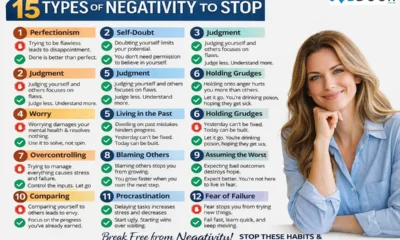

15 Types of Negativity to Stop (Before They Quietly Control Your Life)
Negativity doesn’t arrive loudly. It creeps in—through small doubts, silent worries, and habits you barely notice. One day, you feel...


6 Habits to Articulate Your Thoughts Like the Top 1%
Have you ever listened to someone speak and thought, “Wow… they make everything sound so simple and powerful”? And then...


The 3-2-1 Speaking Trick That Forces You To Stop Rambling
Have you ever started explaining something and then suddenly realized… you’re going in circles? You keep talking. Adding more words....


7 Skills That Will Pay You Forever – Future-Proof Your Career
In a world where industries are changing faster than ever, one thing remains constant—skills are the real currency of success....


Hard Skills vs Soft Skills: Why You Need Both to Succeed
In today’s competitive world, success is no longer determined by just what you know—it’s also about how you apply it...
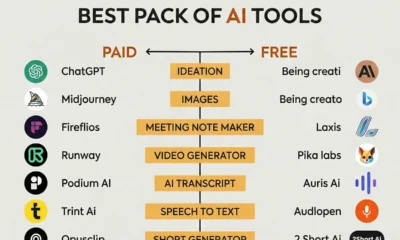

Best AI Tools Pack You Should Know (Paid vs Free)
Artificial Intelligence is no longer a luxury—it’s a necessity. Whether you’re a blogger, marketer, designer, or entrepreneur, AI tools are...
-
 Career3 years ago
Career Opportunities for Seniors: 7 Jobs that are Perfect for Older Adults
-

 Career2 years ago
5 Free Job Posting Sites in the UK (For Employers)
-
 Jobs7 months ago
15 Best Second Jobs to Boost Your Income in the UK for 2026
-
 Money7 months ago
20 Ways to Make Money with Google Gemini: Practical Methods Anyone Can Start
-
 Money7 months ago
26 Lucrative Passive Income Ideas to Build Wealth in 2026
-
 AI & Tools7 months ago
10 Insane Ways Google Gemini Will Explode Your Productivity in 2026
-

 Job Description2 years ago
Support Worker Job Description: Qualifications, Skills, Salary, Working Hours
-

 AI & Tools7 months ago
ChatGPT vs Copilot: Which AI Is Best for You in 2026?