
How-to
How to Improve Your Recruitment Strategy to Hire the Best Talent?

Even in a tight market, a good recruitment strategy is a fantastic opportunity for your company’s branding, but it should always be considered and fair.
To help you try and avoid as many pitfalls as possible we’ve compiled some tips based on client experiences which we hope will help you improve your recruitment processes.

Before You Start Recruiting:
Don’t just replace like for like:
When you have a resignation, don’t just immediately try to replicate the exact role focusing on the skills and background of the person you are replacing. Look at the makeup of your team. This could be a great time to restructure.
Have you thought about hiring outside of your industry? Successful hires can include people from so many different places who are able to demonstrate the drive and inspiration to learn and ultimately become superstars. Think about how you could attract a diverse talent pool.
Review your employee pay and terms:
Review your employee bonus payments, salary levels, right to purchase holiday, remote working and especially flexible working. Do this regularly. Are you fair and competitive? Do you offer flexible, or remote job and if so could you improve on these? Updating your policies may not break the bank, but could definitely appeal and attract some of the best people to your company.
Optimize your career page and job postings:
Make sure your career page is easy to find and navigate. Job postings should be clear, concise, and highlight the most important qualifications and responsibilities. You can also use a variety of sourcing channels to reach qualified candidates, such as job boards, social media, and industry events.
Equal Opportunities:
When you write your job description and person specification, make sure you are not being discriminatory in any way.
As employers we are all responsible for ensuring that what we do now and in future builds a culture of equality and anti discrimination. If you have a diversity and discrimination policy what does that actually mean and how does this translate when you recruit?
In practical terms, when you are compiling a job description for a new hire, focus on “competency” and not “fit and even better would be to set yourself targets to attract BAME applicants.
| Also Read: Common Competency Based Interview Questions and Answers |
| Also Check: Standard Employment Contract Template Example for UK |
Using the term “fit “ to assess whether or not a candidate will suit an organisation’s culture carries connotations of race and gender bias. This means that instead of judging a candidate on their experience and qualifications, recruiters are making decisions based on stereotypical assumptions that often stem from their gender, ethnicity or nationality”.
If you want to check your own implicit bias, you can take this further, by completing a free online test such as the one created by from Harvard University. It only takes about 15 minutes but is well worth the time.
Review internal resources before you recruit externally:
Make sure that you have considered all your internal options. Ask yourself the following questions:
Have you advertised the position internally to identify any suitable applicants? How easy is it for any frustrated employees to apply for an internal move without worrying about upsetting their line manager or jeopardising their current situation?
Is there anyone internally who might have been potentially overlooked for this position and if so why?
Could any of the job responsibilities be split and shared to other existing employees?
Where are the skills gaps in your existing workforce?
Have you carried out an internal audit of pay, employment terms, promotions and BAME representations? Is your current workforce diverse across all levels (age, gender, race)?
A diverse workforce connects companies to an increasingly multicultural marketplace and studies have shown that multicultural work forces can be more successful and more profitable. Now is not the time to be complacent about diversity and inclusion.

The Interview: Dos and Don’ts:
There are so many ways to interview candidates. More and more companies are using Zoom, and Microsoft Teams for remote interviews. All methods work but the principals for interviewing are the same.
Use an applicant tracking system (ATS):
Applicant Tracking System will help you streamline the application process, track candidates, and improve communication.
Do involve several people in the interview wherever possible:
Meeting several people is a great way to showcase the diverse range of people you work with and will give the applicant a sense of your community and company values.
Don’t cancel or postpone the interview at short notice:
Never cancel or postpone the interview unless there are strong mitigating circumstances. Delaying the interview can create even more delays at a later date. A very busy hiring manager may always be difficult to pin down so wherever possible try and stick to the original agreed timetable.
Don’t be too slow in your decision making:
Manage expectations and set out clear time frames for each stage of the process. A laboriously slow process could make the applicant question whether the company is able to make decisions and changes which will get things done.
Set aside reasonable time:
Do set aside at least 45 minutes to an hour for your first interview with the applicant. It’s important to give yourself and applicants time to get to know each other. Avoid making hasty decisions and make sure any judgements are qualified, considered and fair. Don’t waste candidates’ time with lengthy interview processes. Make sure your interviews are focused and informative.
| Also Read: How AI Can Help You Land Your Dream Job? |
| Also Read: The Best Jobs That Artificial Intelligence Can’t Replace |
Develop a strong employer brand:
Job seekers will want to understand your USP as an employer, how you compare to your competitors, why they should join you. This is your company’s reputation as a workplace. Showcase your company culture, values, and what it’s like to work there. Understanding how working with you will affect their future and knowing what it is that makes you different from competitors will help an applicant decide whether you are the right choice for them.
Talk about the market, and economics, and how you deal with any challenges?
You may be asked, inevitably, about how your company dealt with all these challenges, or your thoughts on impact of Artificial Intelligence (AI) on workforce and how AI will change job roles, for example, so be prepared to discuss these topics in detail. A strong but honest message about how you deal with these challenges inspires confidence and security.
Review and Feedback:
Give constructive feedback to unsuccessful applicants too. Feedback should be thorough and timely. If you have asked someone to meet with you then you need to show respect for that time they have spent with you. Even if a candidate is not selected for the position, thank them for their time and interest. This is so important. Keep candidates informed about the status of their application throughout the process. This will improve their experience and make your company look more professional.
Tell them why you chose the person you did and highlight any skills that were missing they might decide to learn those skills and come back to you one day in the future for work, or even as a client. They might even have a friend or relative to recommend to you and they may even end up working for one of your clients. If anything, being helpful will guarantee that the last experience they have with you is a positive one.
Author Note:
Hope these tips will help you! Kindly share this article with your friends or family who are into the recruitment process.

The idea of starting a YouTube channel excites many people.
But the moment you think about showing your face on camera, the excitement often turns into stress.
You may be thinking:
- “I’m not confident on camera.”
- “I don’t like being recognized.”
- “I don’t have the right setup or confidence.”
- “Is it even possible to succeed without showing my face?”
Yes. It is not only possible—it is common.
Faceless YouTube channels are growing faster than ever. Many successful creators earn consistently without ever appearing on screen. They focus on ideas, structure, and value, not appearances.
This guide is written for someone who knows nothing about faceless YouTube channels. No experience. No technical background. No confidence required.
By the end of this post, you will understand:
- What a faceless YouTube channel really is
- Why it works so well for beginners
- A clear 6-step system to start today
- How to stay calm, consistent, and in control
- How to grow and monetize without pressure
Let’s begin—slowly and clearly.
What Is a Faceless YouTube Channel?
A faceless YouTube channel is exactly what it sounds like.
You create and upload videos without showing your face.
Instead of your face, videos use:
- Voice-over narration
- Stock videos or images
- Screen recordings
- Animations
- Slides or visuals
The focus is on:
👉 Information, storytelling, or explanation
Not on who you are—but on what you deliver.
Why Faceless YouTube Channels Are Perfect for Beginners?
For beginners, faceless channels remove many common fears.
Key Benefits:
- No camera anxiety
- No need for makeup or setup
- More privacy
- Easier consistency
- Focus on content quality
Think of it like writing a book instead of performing on stage.
Both are powerful.
One just feels calmer.
Step 0: The Right Mindset Before You Start:
Before we talk about steps, let’s talk about mindset.
Most people fail not because YouTube is hard—but because they expect too much, too fast.
Here’s a healthier mindset:
- You are learning a skill
- Progress matters more than perfection
- Small steps compound over time
You do not need:
- Confidence today
- Perfect videos
- Viral ideas
You need:
- A clear system
- Patience
- Consistency
This guide gives you the system.
Step 1: Choose Your Faceless YouTube Niche
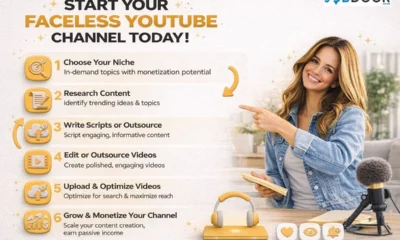
The first step in the image is Choose Your Niche.
A niche is simply:
👉 The main topic your channel focuses on.
Good Faceless YouTube Niches:
Beginner-friendly options include:
- Educational content
- Facts and explanations
- Tech tutorials
- Health and wellness tips
- Finance basics
- Motivation and storytelling
- Reviews and comparisons
How to Choose the Right Niche?
Ask yourself:
- Can I learn about this steadily?
- Are people already watching this content?
- Can this be monetized later?
If the answer is “yes” to all three, move forward.
Do not overthink this step.
You can refine later.
Step 2: Research Content That People Actually Want
The second step in the image is Research Content.
This is where many beginners feel stuck—but it’s simpler than it sounds.
Simple Content Research Method:
- Open YouTube
- Type your topic in the search bar
- Look at:
- Suggestions
- Popular videos
- Common questions
These are real searches by real people.
Your Goal Here:
You are not copying.
You are understanding demand.
Ask:
- What questions keep repeating?
- What problems are people trying to solve?
That’s your content direction.
Step 3: Write Scripts or Outsource
The image clearly mentions Write Scripts or Outsource.
Let’s remove fear here.
A script is not a movie script.
It’s simply:
👉 What you’re going to say in the video.
Simple Script Structure for Beginners:
Use this format:
- Hook – Why this matters
- Problem – What people struggle with
- Solution – Step-by-step explanation
- Closing – Simple takeaway
You don’t need fancy words.
You need clarity.
Can You Outsource Scripts?
Yes—but only after you understand the basics.
In the beginning, writing yourself helps you learn faster.
Step 4: Edit or Outsource Videos
This step scares many beginners—but it shouldn’t.
Editing for faceless channels is often simpler than camera videos.
Common Faceless Video Formats:
- Voice-over + stock clips
- Text + images
- Screen recording + narration
- Slides + background music
Beginner Advice:
Start simple.
Your first goal is:
👉 Clear audio + readable visuals
You can outsource editing later once you understand the flow.
Step 5: Upload and Optimize Your Videos
This is where SEO matters—but calmly.
The image says Upload & Optimize Videos.
What “Optimize” Means:
Optimization means:
- Using the right title
- Writing a clear description
- Adding relevant tags
That’s it.
Beginner Optimization Checklist:
- Title answers a question
- Description explains the video clearly
- Thumbnail is clean and readable
Avoid:
- Clickbait promises
- Overloading keywords
- Stressing over perfection
Consistency beats cleverness.
Step 6: Grow and Monetize Your Faceless Channel
The final step is Grow & Monetize Your Channel.
This does not happen overnight.
And that’s okay.
How Faceless Channels Grow?
- Regular uploads
- Helpful content
- Clear niche focus
Growth feels slow at first.
Then one day—it isn’t.
Common Monetization Methods?
- YouTube ads
- Affiliate links
- Digital products
- Services
- Sponsorships (later)
Focus on value first.
Money follows trust.
A Simple 30-Day Starter Plan:
Here’s a calm plan you can follow.
Week 1
- Choose niche
- Study similar channels
- Write 3 simple scripts
Week 2
- Create 2–3 videos
- Learn basic editing
- Upload consistently
Week 3
- Improve audio and clarity
- Research better titles
- Stay consistent
Week 4
- Review performance
- Adjust content
- Keep going
No rush.
No panic.
How to Track Progress?
Do not track everything.
Track only:
- Upload consistency
- Watch time trend
- Viewer feedback
Ignore:
- Subscriber count in early days
- Comparing with big channels
- Daily view checks
Progress is quiet at first.
Common Mistakes Beginners Make:
Avoid these:
- Changing niches too often
- Uploading randomly
- Over-editing
- Expecting fast income
- Quitting too early
Most successful faceless channels win by not quitting.
Why Faceless YouTube Is a Long-Term Asset?
A faceless channel:
- Grows quietly
- Builds authority
- Creates passive income potential
- Reduces personal pressure
It’s not flashy.
It’s sustainable.
And sustainability always wins.
Final Thoughts:
You do not need confidence to start.
You gain confidence by starting.
A faceless YouTube channel allows you to:
- Create without fear
- Learn without pressure
- Grow without exposure stress
Follow the steps.
Move slowly.
Stay consistent.
Your next step?
Choose your niche.
Write your first simple script.
And begin today.
Because the best time to start—quietly and confidently—is now.
If you’ve ever created a Facebook page with excitement, posted for a few days, then slowly stopped—this is for you.
You might be thinking:
- “Growing a Facebook page takes too much time.”
- “Nobody sees my posts anyway.”
- “I tried before and failed.”
You’re not lazy.
You’re not late.
You’re not bad at this.
The truth is simple: most people fail because they never had a clear system.
In 2026, growing a Facebook page is still possible. In fact, it’s easier if you know what actually works now, not what worked years ago.
In this guide, you’ll learn:
- The right mindset to grow a Facebook page without stress
- How Facebook really works in 2026 (in plain English)
- A step-by-step system to grow followers consistently
- What to post, how often, and why
- How to track progress without feeling overwhelmed
No technical jargon.
No fake promises.
Just a clear, calm path forward.
Let’s start where most guides don’t.
First: Fix Your Mindset About Growing a Facebook Page
Before tactics, tools, or tips—let’s talk mindset.
Most beginners believe:
- Growth should be fast
- Every post must go viral
- Big pages are lucky
None of that is true.
The Reality of Facebook Growth in 2026
- Growth is slow before it’s fast
- Most posts won’t explode—and that’s okay
- Facebook rewards consistency, not perfection
Think of your Facebook page like a plant.
You don’t pull it every day to check growth.
You water it. You wait. It grows.
Once this mindset clicks, everything becomes easier.
How Facebook Works in 2026 (Explained Simply)
To understand how to grow a Facebook page, you need to understand what Facebook wants.
Facebook’s goal is simple:
Keep users on the platform longer.
So Facebook promotes content that:
- Gets reactions (likes, loves)
- Gets comments
- Gets shares
- Keeps people watching (especially videos)
This is controlled by the algorithm of Facebook.
What This Means for You
If your content:
- Starts conversations
- Feels relatable
- Is easy to consume
Facebook shows it to more people, even if your page is small.
You don’t need followers first.
You need engagement first.
Step 1: Choose the Right Purpose for Your Facebook Page
One big mistake beginners make?
Creating a page without clarity.
Ask yourself one question:
“Why should someone follow my Facebook page?”
Your answer should fit into one of these categories:
- Education (tips, facts, how-to)
- Entertainment (memes, stories, humor)
- Inspiration (quotes, life lessons)
- Updates (news, niche content)
- Personal brand (your journey, learning, opinions)
👉 One page = one main theme
Confused pages don’t grow.
Clear pages do.
Step 2: Set Up Your Facebook Page the Right Way
Before posting anything, fix the basics.
Optimize Your Page (Very Important)
Make sure you have:
- A clear profile picture (logo or face)
- A simple cover photo with a message
- A short, clear bio explaining:
- Who the page is for
- What they’ll get
Example bio:
“Daily simple tips to grow online skills & confidence.”
This builds instant trust.
Step 3: What to Post on a Facebook Page in 2026
This is where most people get stuck.
So let’s make it simple.
The 4 Content Types That Grow Facebook Pages Fast
1. Short Videos (Reels)
Facebook is heavily pushing reels.
Post:
- Tips
- Facts
- Before/after
- Quick explanations
Best length: 15–45 seconds
2. Relatable Text Posts
Simple text still works.
Examples:
- Questions
- Opinions
- Short stories
Example:
“Nobody tells you this about starting online…”
3. Image + Value Posts
Use one image and strong text.
Great for:
- Quotes
- Tips
- Lessons
4. Shareable Content
Content people want to send to friends.
Think:
- “This is so true”
- “I needed this today”
Shares = free growth.
Step 4: How Often Should You Post on a Facebook Page?
This is where fear kicks in.
Relax.
You don’t need to post 10 times a day.
Beginner-Friendly Posting Schedule
- 1 post per day OR
- 4–5 posts per week
Consistency > frequency.
It’s better to post 4 times every week for 6 months
than 20 times in one week and quit.
Step 5: The Simple Content Formula That Works
Every good Facebook post follows this flow:
- Hook – Stop the scroll
- Value – Teach, relate, or entertain
- Engagement – Ask a question or invite reaction
Example:
Hook:
“Most people fail on Facebook because of this…”
Value:
Explain one simple reason.
Engagement:
“Do you agree? Yes or No?”
That’s it.
Step 6: How to Increase Facebook Followers Organically
Let’s talk about how to increase Facebook followers without ads.
Proven Organic Growth Methods
1. Comment Marketing (Very Powerful)
Comment on:
- Big pages in your niche
- Trending posts
- Viral content
Not spam.
Value comments.
People click profiles.
People follow.
2. Share Posts in Relevant Groups
Find Facebook groups related to your niche.
Share:
- Helpful posts
- Educational content
Never drop links blindly.
3. Invite Engagers
Facebook allows you to:
- Invite people who like your post
- Even if they don’t follow your page
This is underrated and effective.
Step 7: Avoid These Common Facebook Page Mistakes
Most pages die because of these errors:
- Posting without purpose
- Copy-pasting content without changes
- Focusing only on followers, not engagement
- Giving up too early
Remember:
Growth comes after consistency, not before it.
Step 8: Simple Weekly Facebook Growth Routine
You don’t need to be online all day.
30–40 Minutes Daily Is Enough
Daily
- Post once
- Reply to comments
Weekly
- Check insights
- See what worked
- Repeat similar posts
That’s a system.
Simple. Calm. Effective.
Step 9: How to Track Facebook Page Growth (Without Stress)
You don’t need tools or spreadsheets.
Use Facebook Page Insights.
Track only 3 things:
- Reach
- Engagement
- Follower growth
Ignore vanity metrics.
Focus on improvement.
If one post performs well—do more like it.
How Long Does It Take to Grow a Facebook Page?
Let’s be honest.
- First 30 days: Slow
- 2–3 months: Small wins
- 6 months: Momentum
Most people quit in the first month.
That’s why growth feels rare.
But it isn’t.
It’s just patient.
Final Motivation: This Time, Do It Differently
You don’t need:
- Fancy tools
- Paid ads
- A big team
To grow a Facebook page in 2026, you need:
- One clear theme
- One post a day
- One simple system
Now you know how to grow a Facebook page,
how Facebook works,
and how to increase Facebook followers step by step.
Don’t wait for motivation.
Start with action.
Post once today.
Then show up again tomorrow.
That’s how pages grow.


Remote work has become a norm in today’s professional world, whether you work from home occasionally or full-time, having a solid strategy can enhance productivity and maintain work-life balance. This guide covers practical tips and strategies to help you work efficiently from the comfort of your home.
1. Create a Dedicated Workspace:
A dedicated workspace is essential for fostering focus and professionalism. While not everyone has the luxury of a separate office, setting aside a specific area for work—away from distractions—is crucial.
- Choose Your Spot Wisely: Avoid working from your bed or couch. Instead, opt for a table or desk where you can sit upright and organise your tools.
- Keep It Professional: Use this space exclusively for work to reinforce a psychological boundary between personal and professional life.
If you’re employed, ensure your employer provides the necessary tools, such as laptops, remote access credentials, and IT support. For self-employed individuals, investing in quality equipment is vital for smooth operations.
2. Adopt a Professional Dress Code:
Your attire significantly influences your mindset. Dressing appropriately—even at home—can boost confidence and productivity.
- Dress for Success: Wear clothes suitable for a professional setting, especially when participating in video calls.
- Stay Comfortable Yet Professional: Strike a balance between comfort and work-appropriate attire.
3. Ensure Reliable Internet Connectivity:
A stable internet connection is non-negotiable for remote job. Slow speeds can derail productivity and create unnecessary frustration.
- Upgrade Your Speed: Choose an internet plan that supports your work needs, especially if multiple devices share the bandwidth.
- Use Ethernet or Position Wisely: Ethernet connections provide a stable alternative to Wi-Fi. If you’re relying on Wi-Fi, position yourself close to the router to optimise signal strength.
4. Communicate Boundaries with Housemates:
Setting clear boundaries with family or housemates prevents interruptions.
- Set Expectations: Inform them of your work hours and emphasise the importance of an undisturbed workspace.
- Use Visual Signals: Consider placing a “Do Not Disturb” sign or closing the door to signal when you’re in work mode.
5. Minimize Distractions:
Home environments often present distractions that can impede focus.
- Identify Your Distractions: Pinpoint common distractions, such as your phone, television, or pets.
- Create a Distraction-Free Zone: Keep unnecessary devices out of reach and choose a workspace with minimal disruptions.
6. Set Clear Daily Goals:
Having a structured plan ensures that you stay on track throughout the day.
- Start with a To-Do List: Write down your goals, deliverables, and a plan of action at the beginning of your workday.
- Review Progress Regularly: Check in with yourself or your team to ensure alignment and address challenges promptly.
7. Incorporate Social Interactions:
Working from home can sometimes feel isolating, so staying connected with others is important.
- Schedule Interactions: Plan video calls, lunch dates, or virtual hangouts to maintain a sense of connection.
- Join Online Communities: Engage in professional or hobby-related groups to broaden your social circle.
8. Master Time Management:
Efficiently managing your time ensures that you remain productive amidst distractions.
- Use Time Blocks: Allocate specific time slots for tasks, allowing breaks in between.
- Leverage Productivity Tools: Tools like calendars and task management apps can help you stay organised.
9. Take Regular Breaks:
Continuous work without breaks can lead to burnout. Incorporating pauses helps recharge your mind and body.
- Practice Movement: Use breaks to stretch, meditate, or engage in light exercise like yoga.
- Follow the Pomodoro Technique: Work in focused intervals (e.g., 25 minutes), followed by short breaks.
10. End Your Day with Reflection:
Conclude your workday by reviewing accomplishments and unwinding.
- Reflect on Progress: Spend 10–15 minutes assessing your achievements and setting goals for the next day.
- Decompress Mindfully: Transition from work to personal time with relaxation techniques or hobbies.
Final Words:
Working from home offers flexibility but requires discipline and intentionality to remain productive. By implementing these strategies, you can optimise your remote work experience and achieve professional success without compromising your well-being. Start making these changes today and transform your home into an efficient workspace.


Grow Your YouTube Channel in 60 Days: A Simple Way to Build a Profitable Channel
Starting a YouTube channel sounds exciting… until you actually try. You open YouTube.You see creators with millions of views.You hear...

20+ Best Jobs for Teens Ages 12–15 That Actually Pay Well Today!!
Finding a job between the ages of 12 and 15 can feel confusing—for teens and parents. You may be wondering:...


7 High Paying YouTube Niches with the Highest RPM (2026 Guide)
Starting a YouTube channel is exciting. But once the excitement fades, reality sets in. You begin to ask questions like:...

Grok New AI Tools for 2026 That Could Change How You Work Forever
Artificial Intelligence sounds exciting.But for many people, it also feels overwhelming. You hear words like AI tools, automation, research models,...

How to Start a Faceless YouTube Channel Today Without Showing Up!
The idea of starting a YouTube channel excites many people.But the moment you think about showing your face on camera,...


31 Jobs That Hire Teenagers: Real Ways to Earn Money
You want to earn money.Not just pocket change—but your own income, something that gives you freedom and confidence. But then...


Top 10 Facebook Reels Tips That Still Work in 2026
If you’ve tried posting on Facebook and felt disappointed by low reach, poor engagement, or zero growth—pause right here. You’re...


Paid vs Free AI Tools in 2026: Why Paying is Optional
Let’s start with a feeling most beginners won’t admit out loud. You want to: But every time you search for...

How to Grow on Instagram in 2026 Step by Step?
If you’ve ever opened Instagram, posted consistently for a few weeks, and then thought “Why is nobody seeing this?”—you’re not...


ChatGPT vs Copilot: Which AI Is Best for You in 2026?
If you’re new to AI, this decision can feel confusing. You hear people talk about ChatGPT and Copilot everywhere.Some say...
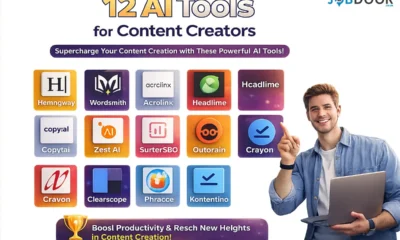

12 AI Tools for Content Creators to Create Faster, Smarter, and Stress-Free Content
Let’s talk honestly. If you’re a content creator—or trying to become one—you’ve probably felt this before: You are not alone.And...
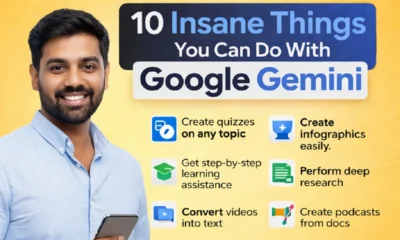

10 Insane Ways Google Gemini Will Explode Your Productivity in 2026
In the fast-paced digital landscape of 2026, time isn’t just money—it’s the ultimate competitive advantage. While many are still using...
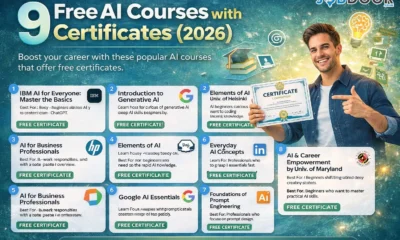

9 Free AI Courses with Certificates in 2026 (Step-by-Step Guide)
“AI Sounds Important… But Is It Really for Me?” Let’s be honest. When you hear Artificial Intelligence, what comes to...


Top 12 Powerful Free Google AI Tools You Must Use in 2026 (Complete Beginner’s Guide)
When you see words like Google AI, Gemini, Video Generation, or AI Studio, it can feel overwhelming.You may think: You’re...


5 Free Sites to Sell Digital Products and Keep More Profits
If you’ve ever thought about selling digital products but stopped halfway, you’re not alone. Maybe you asked yourself: Take a...
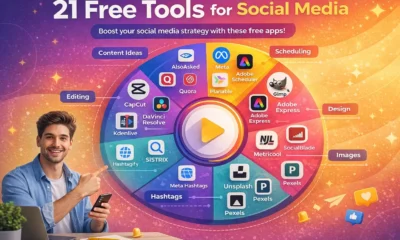

21 Free Must-Have Tools for Social Media Creators
If you’ve ever opened Instagram, YouTube, or LinkedIn and thought “How are they posting so consistently?”, you’re not alone. Most...

How to Grow a Facebook Page in 2026: A Simple, Proven, Beginner-Friendly Guide
If you’ve ever created a Facebook page with excitement, posted for a few days, then slowly stopped—this is for you....

20 Ways to Make Money with Google Gemini: Practical Methods Anyone Can Start
Artificial Intelligence is no longer limited to tech experts or large companies. Tools like Google Gemini are now accessible to...

Spend Like Rich People: Are You Building Wealth or Just Looking Wealthy
Most people believe wealth is about how much money you earn. In reality, wealth is built by how you spend...
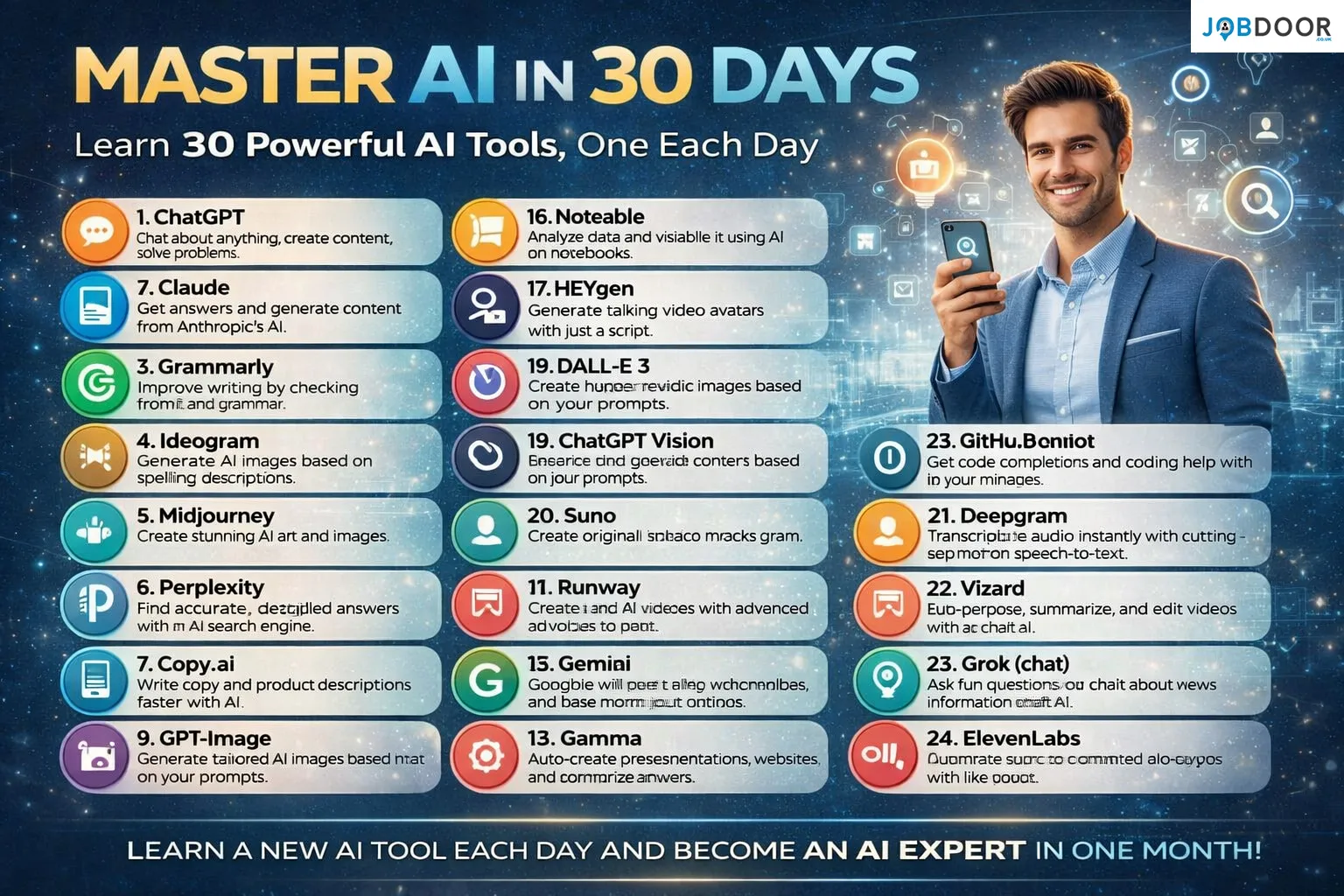
Master AI in 30 Days: Learn 30 Powerful AI Tools One Day at a Time
Artificial Intelligence is no longer limited to developers or large companies. Today, AI tools are used by students, professionals, freelancers,...
-
 Career2 years ago
Career Opportunities for Seniors: 7 Jobs that are Perfect for Older Adults
-
 Job Description2 years ago
Graphic Designer Job Description: Education, Salary, Skills, Work Hours
-

 News2 years ago
Students’ question to UK PM Rishi Sunak: “What if your kids started smoking?
-

 Career2 years ago
13 Best Jobs That AI Can’t Replace: A Guide to Future-proof Careers
-

 Career2 years ago
Standard Employment Contract Template Example for UK (Word & PDF)
-

 Money2 years ago
How To Get Paid to Read Books? (9 Best & Legit Sites)
-

 Job Description2 years ago
Support Worker Job Description: Qualifications, Skills, Salary, Working Hours
-

 News2 years ago
Top 10 Richest Countries in 2024 By GDP Per Capita