How-to
How to Choose the Best University or College in the UK?


UK universities and colleges offer an elite and high quality education providing you with the chance to pursue your interest in learning and obtain qualifications that are recognized by academics and employers around the world.
If you are selecting a course ensure that it is associated with a reputable institution or college that is accredited and that has been able to meet the stringent standards laid out by the UK government and the education sector.
There is more than 160 colleges and universities in the UK alone that are able to award degrees for a variety of programs that are recognized by authorities in the UK authorities. These are called recognized bodies.
There are more than 700 universities and colleges that do not have the power to award degrees but offer courses that lead to a recognized UK degrees. These are classified as “listed bodies”. The courses offered by these institutions are recognized by institutions that have degree-granting powers.
These accredited and listed colleges and universities have to undergo regular inspections in order to ensure that the standard of their facilities, teaching and academic education and student care is high.
Choosing the Best College or University:
Although the UK government doesn’t have an official ranking system for its higher education institutions, there are some independent ranking systems that you may use to reference.
These can be helpful but only as an information source. We suggest you look through various sources to locate an institution or college that is the right fit for you. For instance you may be interested in knowing the performance of the institution in the areas of:
- Student satisfaction
- Career prospects and industrial connections
- Student care
- Teaching standards
Besides these, there are other aspects which will aid you in identifying the best colleges for you. The content of the course as well as eligibility criteria, students from abroad, profile of the department and location are crucial aspects to take into consideration when making your list of requirements.

World University Ranking:
Rankings are usually done by newspapers, magazines websites, government agencies or academics. The 3 longest-running, most established and the most influential global rankings are Quacquarelli Symonds (QS), Times Higher Education (THE), and the Academic Ranking of World Universities (ARWU).
All of them rankings, as well as other rankings around the world, mostly assess the research performance of universities, not their teaching. Therefore, while university rankings can be useful, it is important to consider other factors such as the institution’s location, faculty, curriculum, research opportunities, campus life, and student support services before making a decision.
THE (Times Higher Education):
The Times Higher Education (THE) World University Rankings includes 1,799 universities from 104 countries and regions. This makes them the biggest and most diverse university rankings so far!
THE Ranking Criteria:
| Teaching: | 30% |
| Research: | 30% |
| Citations: | 30% |
| International Outlook: | 7.5% |
| Knowledge Transfer: | 2.5% |
| Website: | www.timeshighereducation.com |
QS (Quacquarelli Symonds):
QS World University Rankings provide an independent source of data on the academic performance of universities. QS World University rankings is considered to be one of the most widely read university rankings around the world.
QS Ranking Criteria:
| Academic Reputation: | 40% |
| Employer Reputation: | 10% |
| Faculty-student Ratio: | 20% |
| Citations per Faculty: | 20% |
| International Faculty Ratio: | 5% |
| International Student Ratio: | 5% |
| Website: | www.topuniversities.com |
ARWU (Academic Ranking of World Universities):
Academic Ranking of World Universities (ARWU) is also popularly known as the Shanghai Ranking, is also one of the most yearly publications of the world’s university rankings. ARWU is considered to be one of the top three and most widely watched university rankings, along with QS and THE.
ARWU Ranking Criteria:
| Quality of Education: | 10% |
| Quality of Faculty: | 40% |
| Research Output: | 40% |
| Per Capita Performance: | 10% |
| Website: | www.shanghairanking.com |
There are many factors that can encourage students to go abroad for study, the university rankings play a major role in their choices. Based on a survey of international students from 210 nations, 43% of them consulted ARWU in search of study options. This reveals that students are highly seeking guidance regarding the school’s academic rank.
Visit these websites for more info:
Discover Uni:
Discover Uni lets you look up and analyze information about courses in the UK. Find out what other students’ opinions were of the particular course that you are interested in and the probable costs, and the kinds of jobs or additional study that students took on after graduating.
| Website: | discoveruni.gov.uk |
QAA (Quality Assurance Agency):
QAA reviews all recognized and listed UK higher education institutions, and evaluates their quality of facilities, teaching as well as academic education.
| Website: | www.qaa.ac.uk/en |
CUG:
The Complete University Guide offers an extensive and comprehensive guide for all matters pertaining to higher education.



Have you ever wondered how some YouTube channels grow incredibly fast without ever showing a face on camera? You see dramatic storytelling videos, cinematic clips, and mysterious narratives that attract millions of views. It might feel confusing at first.
“How are they making these videos?”
“Do they need expensive equipment?”
“Do they need acting skills or video production experience?”
The truth is—you don’t need any of those things anymore.
With powerful AI video generation tools like SORA 2, anyone can create high-quality cinematic videos without filming anything in the real world. That means no camera, no actors, and no studio.
This guide will walk you through everything from mindset to strategy to execution so you can confidently start creating viral faceless YouTube videos.
By the end of this article, you will learn:
- What SORA 2 actually does
- Why faceless YouTube channels are exploding
- How to pick profitable video ideas
- A step-by-step workflow to create videos
- How to track performance and grow your channel
Even if you’re a complete beginner, this guide will help you build a clear system that removes confusion and anxiety.
Let’s start.
Why Faceless YouTube Channels Are Growing So Fast?
Before we talk about SORA 2, let’s understand something important.
Faceless channels are not a trend.
They are a content model.
A faceless YouTube channel simply means:
The creator never appears on camera.
Instead, the video uses:
- AI visuals
- Storytelling scenes
- Narration
- Text overlays
- cinematic clips
This format has several advantages.
1. Anyone Can Do It
You don’t need to be confident on camera.
You don’t need to worry about lighting, makeup, or filming locations.
All you need is ideas and creativity.
2. Videos Are Faster to Produce
Traditional video production involves:
- filming
- retakes
- editing
- lighting adjustments
With AI-generated scenes, you can create visuals in minutes instead of hours.
3. Infinite Story Possibilities
AI allows you to generate scenes that are impossible to film easily.
For example:
- mysterious forests
- cinematic crime scenes
- dramatic survival stories
- historical recreations
That’s why AI faceless channels often feel more cinematic than regular videos.
What Is SORA 2 and Why It’s Powerful?
SORA 2 is an advanced AI video generation technology that creates cinematic scenes from text descriptions.
You simply describe a scene, and the AI generates video footage.
For example:
“A lone traveler walking through a foggy forest at night holding a lantern.”
The AI can generate that scene visually.
This changes the entire game for content creators.
Instead of filming in real locations, you can generate entire video stories with AI visuals.
Key Advantages of SORA 2:
- Cinematic video generation
- realistic lighting and motion
- storytelling scenes
- no filming required
- unlimited creative environments
This means your videos can look like movie scenes, even if you’re just starting.
Step 1: The Mindset for Success (Most People Skip This)
Before we talk about tools and workflows, we need to address mindset.
Many beginners fail because they think:
- “I need to be perfect.”
- “I need professional editing.”
- “I need expensive software.”
You don’t.
You only need consistency and storytelling.
Think about YouTube like planting seeds.
You upload videos.
Some grow slowly.
Some suddenly explode.
Your job is simply to plant enough seeds.
So remember:
Your first videos are practice.
The goal is progress, not perfection.
Step 2: Choose the Right Faceless Video Niche
Your niche determines your success.
Some niches perform extremely well with AI storytelling.
Here are powerful niches that work perfectly with AI-generated scenes.
1. Mystery and Crime Stories:
People love suspense.
Examples include:
- unsolved mysteries
- crime storytelling
- dark urban legends
AI can generate dramatic visuals like:
- dark alleys
- police scenes
- mysterious figures
These videos often go viral because viewers stay curious until the end.
2. Survival and Adventure Stories:
Adventure content works extremely well with cinematic AI scenes.
Examples:
- survival in the wilderness
- solo camping stories
- extreme adventure storytelling
Scenes like:
- foggy forests
- campfires
- dangerous wildlife encounters
create immersive storytelling.
3. Historical Stories:
History channels are exploding on YouTube.
Examples:
- ancient civilizations
- historical battles
- famous historical mysteries
AI-generated scenes can recreate environments like:
- ancient cities
- battlefields
- royal palaces
which would normally require huge production budgets.
4. Sci-Fi and Futuristic Stories:
Science fiction is perfect for AI-generated visuals.
Examples:
- AI futures
- space exploration stories
- futuristic cities
AI can generate visuals that look like movie scenes.
Step 3: Creating Video Ideas That Attract Clicks
Before creating visuals, you must design the idea.
Great YouTube videos follow a simple formula:
Curiosity + Emotion + Story
Examples:
- “The Man Who Survived Alone in the Forest for 100 Days”
- “The Creepiest Unsolved Mystery in America”
- “What Happens If Humans Disappear Tomorrow?”
Ask yourself:
Would I click this video?
If the answer is yes, the idea works.
Step 4: Generating Cinematic Scenes with SORA 2
Once you have an idea, you can begin generating scenes.
The key is writing clear visual prompts.
Instead of writing vague prompts, describe the scene like a movie director.
Example Prompt
Bad prompt:
“Man walking in forest”
Better prompt:
“Cinematic scene of a lone hiker walking through a foggy forest at dawn carrying a lantern, dramatic lighting, cinematic atmosphere.”
The better your description, the better your video scenes.
Pro Tip
Generate multiple scenes for each story moment.
This helps create visual variety in the video.
Step 5: Structure Your Video Like a Story
A viral video is not random clips.
It’s a story journey.
Use this simple storytelling structure.
1. The Hook (First 10 Seconds):
Grab attention immediately.
Example:
“This man entered the forest alone… but something was already watching him.”
Viewers should feel curious instantly.
2. The Build-Up:
Introduce the situation.
Explain the background.
Slowly increase tension.
3. The Twist:
Every viral story has a moment where something unexpected happens.
Example:
- strange sound
- mysterious discovery
- unexpected danger
This keeps viewers watching.
4. The Resolution:
End the story with a satisfying conclusion.
This helps viewers remember your channel.
Step 6: Add Voice Narration
Narration brings life to faceless videos.
The tone should match the story.
For mystery videos:
- slow
- calm
- suspenseful
For adventure stories:
- energetic
- immersive
Short sentences help build tension.
Example:
“At first… everything seemed normal.”
“But then he heard it.”
“A sound coming from deep in the forest.”
That rhythm keeps viewers engaged.
Step 7: Designing a Viral Thumbnail
Your thumbnail is the first impression.
Even the best video fails without a good thumbnail.
Great thumbnails include:
- strong emotion
- dramatic visuals
- minimal text
Examples:
- shocked face expression
- mysterious animal
- dramatic lighting
Keep text short.
Example:
“SORA 2 Secrets”
or
“AI Videos That Go Viral”
Step 8: Writing Titles That Trigger Curiosity
Titles must make viewers curious.
Good titles create a question in the viewer’s mind.
Examples:
- “How I Use SORA 2 to Create Viral Faceless Videos”
- “The Secret Behind AI Viral Videos”
- “This AI Tool Can Make YouTube Videos for You”
Avoid boring titles like:
“AI Video Tutorial”
Instead create intrigue.
Step 9: Upload Strategy for Growth
Consistency matters more than perfection.
A good beginner schedule is:
- 2 videos per week
This gives the algorithm enough content to analyze.
Think of YouTube like training data.
The more videos you publish, the more YouTube understands your audience.
Step 10: Track Your Success (Simple Metrics)
Many beginners overcomplicate analytics.
Focus on only three metrics.
| Metric | Why It Matters |
|---|---|
| Click-Through Rate | Shows if your thumbnail works |
| Average View Duration | Shows if your story keeps attention |
| Subscriber Growth | Shows if people trust your content |
If viewers leave early, improve the hook.
If nobody clicks, improve the thumbnail.
Small adjustments lead to big growth.
Common Beginner Mistakes to Avoid:
Here are mistakes that slow down new creators.
Overcomplicating Production:
Remember:
Simple stories work.
Don’t aim for Hollywood.
Aim for consistent storytelling.
Uploading Too Slowly:
Growth comes from volume.
Uploading one video every two months will slow momentum.
Ignoring Thumbnails:
Even a great video fails without clicks.
Your thumbnail deserves serious attention.
The Future of AI Video Creation:
We are entering a new era of content creation.
AI video generation allows creators to build cinematic stories without studios, actors, or equipment.
This means the barrier to entry is disappearing.
What matters now is:
- creativity
- storytelling
- consistency
Those who start early will gain a massive advantage.
Conclusion:
Creating viral faceless YouTube videos might seem complicated at first.
But when you break it down, the process is surprisingly simple.
You only need a clear system.
Remember the key steps:
- Choose a strong niche
- Create curiosity-driven ideas
- Generate cinematic scenes with SORA 2
- Structure videos as stories
- Design clickable thumbnails
- Track simple metrics
Most importantly, don’t wait for perfection.
Your first video will teach you more than reading ten tutorials.
Your second video will be better.
Your tenth video might go viral.
The creators who succeed are not the most talented.
They are simply the ones who start and keep going.
So open your notebook.
Write your first video idea.
And begin creating today.

Saying goodbye at work is never easy. One day you’re sharing coffee breaks, deadlines, and inside jokes — and the next day, a colleague is packing their desk and moving on. You want to say something meaningful. But what?
Many people feel awkward writing a goodbye email to a colleague. Should it be formal or friendly? Short or detailed? Emotional or professional? The uncertainty can create stress, especially if you’re not naturally expressive with words.
Here’s the good news: writing a thoughtful farewell message doesn’t need to be complicated. You don’t need to be a poet. You just need sincerity, clarity, and the right structure.
This guide will walk you through everything — from understanding the purpose of a goodbye email to step-by-step writing formulas, real examples, subject lines, and mistakes to avoid. By the end, you’ll know exactly what to say when a coworker is leaving, and you’ll feel confident hitting “send” without second-guessing yourself.
Let’s begin.
Why a Goodbye Email Matters More Than You Think?
A farewell message may seem small, but it carries emotional and professional value.
1. It strengthens relationships
Workplaces change. Careers evolve. But strong connections remain. A simple goodbye email keeps doors open for future collaboration.
2. It shows appreciation
People want to feel valued. A few genuine words can validate years of teamwork.
3. It preserves professional reputation
How you communicate during transitions reflects your emotional intelligence and professionalism.
4. It provides closure
Whether the departure is happy or bittersweet, a goodbye message helps everyone move forward with positivity.
Think about it — have you ever received a heartfelt farewell message that stayed with you? That’s the impact you’re creating.
When Should You Send a Goodbye Email?
Timing matters. Sending too early feels awkward. Too late feels rushed.
Best moments to send:
- On the colleague’s last working day
- A day before departure
- After a farewell meeting or announcement
Avoid sending:
- Immediately after hearing the news (unless you’re very close)
- Long after they’ve already left
The goal is simple: be timely, not rushed.
How to Write a Goodbye Email to a Colleague?
Let’s remove the guesswork. Use this easy framework.
Step 1: Start with a warm greeting
Keep it natural.
Examples:
- Hi Sarah,
- Dear John,
- Hello Team, (for group messages)
Step 2: Acknowledge their departure
Be clear and positive.
Example:
- I was surprised to hear you’re moving on, but I’m excited about your next chapter.
Step 3: Express appreciation
This is the heart of your message.
Think about:
- What you learned from them
- Projects you worked on together
- Personal qualities you admire
Step 4: Share a personal memory (optional but powerful)
Specific memories feel genuine.
Example:
- I’ll always remember our late-night deadline crunches and how you kept everyone calm.
Step 5: Offer good wishes
Keep it optimistic.
Examples:
- Wishing you success in your new role
- I know you’ll do amazing things ahead
Step 6: End with a connection invitation
Leave the relationship open.
Example:
- Let’s stay in touch
- Hope our paths cross again
Simple Formula You Can Always Follow:
If you ever feel stuck, use this structure:
Greeting → Acknowledge → Appreciate → Personal note → Good wishes → Stay connected
That’s it. Simple. Effective. Memorable.
Examples of Goodbye Emails for Different Situations:
1. Short and Professional Goodbye Email:
Hi Alex,
It was a pleasure working with you. Your dedication and positive attitude made every project smoother. Wishing you all the best in your new journey — your next team is lucky to have you.
Let’s stay in touch.
Best regards,
[Your Name]
2. Friendly and Warm Farewell Message:
Hey Peter,
I can’t believe you’re leaving! Working with you has been one of the best parts of my time here. Your energy, creativity, and endless support made even stressful days enjoyable.
I’m excited to see what you accomplish next. Keep shining — and don’t forget us!
Stay in touch 😊
3. Goodbye Email to Manager:
Dear Rachel,
Thank you for your leadership and guidance. I’ve learned valuable lessons from your approach to teamwork and problem-solving. Your mentorship truly shaped my growth here.
Wishing you continued success and happiness in your new role.
Warm regards,
[Your Name]
4. Group Farewell Email to Team Member:
Hi Team,
As we say goodbye to Annie, I just want to acknowledge how much she contributed to our team. Her dedication, reliability, and kindness made a real difference.
Wishing her success and happiness in everything ahead.
Subject Line Ideas That Work:
Your subject line sets the tone.
Try these:
- Best wishes on your next adventure
- Farewell and good luck
- Thank you and goodbye
- Wishing you success ahead
- You’ll be missed
Keep it clear and warm — not dramatic.
Common Mistakes to Avoid:
Even good intentions can go wrong. Watch out for these.
1. Being overly emotional
A workplace farewell isn’t a movie script. Keep sincerity balanced with professionalism.
2. Writing generic messages
“Good luck” alone feels forgettable. Add at least one personal touch.
3. Making it about yourself
The focus should be on them — not your sadness.
4. Mentioning negative experiences
A farewell email is not the place for unresolved issues.
5. Writing too long
A heartfelt message doesn’t need paragraphs of detail. Keep it meaningful and concise.
How to Make Your Goodbye Email Feel Genuine?
Authenticity is what people remember.
Tips to sound natural:
- Write like you speak
- Use simple words
- Mention one real experience
- Avoid corporate clichés
Ask yourself: Would I say this to them in person?
If yes — you’re on the right track.
What If You Didn’t Know the Colleague Well?
It happens. Not every coworker becomes a close friend.
Keep it polite and appreciative.
Example:
Hi Daniel,
While we didn’t work closely, I appreciated your professionalism and positive presence in the team. Wishing you success and fulfillment in your next role.
Best wishes,
[Your Name]
Simple. Respectful. Enough.
Goodbye Email vs. Farewell Message — What’s the Difference?
| Goodbye Email | Farewell Message |
|---|---|
| More structured | Casual and brief |
| Sent via email | Can be chat, card, or text |
| Professional tone | Often friendly tone |
| Longer format | Short and quick |
Both are valuable. Choose based on your relationship.
Should You Add Humor?
Yes — but carefully.
Humor works if:
- You have a friendly relationship
- It reflects shared memories
- It remains respectful
Avoid sarcasm or jokes that could be misunderstood.
How to Stay Connected After a Coworker Leaves?
A goodbye email can be the start of a long-term professional connection.
Ways to stay connected:
- LinkedIn connection request
- Occasional check-in message
- Celebrating their milestones
- Networking collaboration
Remember: careers are long. Relationships matter.
Special Situations: What to Say
When the departure is sudden
Focus on appreciation and support.
When they’re retiring
Celebrate achievements and legacy.
When they’re changing careers
Encourage their courage and growth.
When you feel sad
It’s okay to acknowledge emotions — briefly and positively.
Quick Checklist Before Sending:
✔ Is your message clear and warm?
✔ Did you mention appreciation?
✔ Is the tone respectful?
✔ Did you keep it concise?
✔ Would you feel good receiving this message?
If yes — send it confidently.
Conclusion:
Workplace goodbyes are emotional, but they’re also opportunities — opportunities to express gratitude, strengthen relationships, and leave a lasting positive impression.
A thoughtful goodbye email to a colleague or coworker doesn’t require perfect writing skills. It simply requires sincerity, clarity, and a touch of kindness. By following the simple structure in this guide — greeting, acknowledgment, appreciation, personal note, and good wishes — you can create a message that feels genuine and memorable.
Remember, people may forget projects and deadlines, but they rarely forget how someone made them feel. Your farewell message could be the encouragement they carry into their next chapter.
So don’t overthink it. Start today. Write from the heart. Send that email.
You might be giving someone the perfect ending — and an even better beginning.

Your boss is leaving. And suddenly, you’re stuck wondering what to say.
Do you keep it formal? Do you express gratitude? Should you write a detailed goodbye email to your boss, or is a short message enough? For many people, this moment brings unexpected anxiety. You want to be respectful. Professional. Genuine. But the right words don’t always come easily.
Here’s the truth: saying goodbye to a boss isn’t just workplace etiquette — it’s a career opportunity. A thoughtful farewell message can strengthen your professional network, leave a lasting impression, and express appreciation for the guidance you’ve received.
The good news? You don’t need to overthink it. Writing a meaningful farewell message to a boss who is leaving is simple when you follow the right structure.
In this guide, you’ll learn exactly what to say, how to structure your message, examples for different situations, subject lines, mistakes to avoid, and confidence-building tips so you can write your farewell message without stress or awkwardness.
Let’s walk through this together.
Why Saying Goodbye to Your Boss Matters?
It may feel like just another email. But it’s much more than that.
1. It shows appreciation
Leadership shapes your growth. Acknowledging that impact reflects emotional intelligence and gratitude.
2. It strengthens your professional relationship
Today’s boss could become tomorrow’s mentor, reference, or collaborator.
3. It leaves a positive final impression
People remember how transitions are handled. A respectful farewell speaks volumes.
4. It gives you closure
Change can feel unsettling. A farewell message helps you process the transition positively.
Ask yourself: How often do we get the chance to thank someone who influenced our career?
When to Send a Goodbye Email to Your Boss?
Timing can influence how your message is received.
Best timing:
- On your boss’s last working day
- After a farewell meeting or announcement
- A day before departure
Avoid:
- Sending immediately after hearing the news
- Waiting weeks after they’ve left
The goal is thoughtful timing — not rushed, not delayed.
What to Say When Your Boss Is Leaving?
Feeling unsure? Use this easy structure.
Step 1: Start with a respectful greeting
Examples:
- Dear Mr. Sam
- Hi Sarah
- Dear [Boss’s Name]
Step 2: Acknowledge their departure
Example:
- I was saddened to hear you’ll be leaving, but I’m excited for your next chapter.
Step 3: Express gratitude
This is the most important part.
Think about:
- Leadership lessons you learned
- Support during challenges
- Career growth they helped you achieve
Step 4: Share a personal reflection (optional)
Specific moments make your message memorable.
Example:
- Your guidance during my first major project gave me confidence I didn’t know I had.
Step 5: Wish them success
Keep it positive and encouraging.
Step 6: Keep the connection open
Example:
- I hope to stay in touch and learn from your journey ahead.
The Easy Formula You Can Always Use:
Greeting → Acknowledge → Appreciate → Personal reflection → Good wishes → Stay connected
Simple. Effective. Professional.
Examples of Goodbye Messages to a Boss:
1. Professional Goodbye Email to Boss
Dear Mr. Kevin,
Thank you for your leadership, guidance, and constant encouragement. Your mentorship has played a major role in my professional growth, and I truly appreciate the opportunities you provided.
Wishing you continued success and happiness in your new journey. It was an honor working under your leadership.
Warm regards,
[Your Name]
2. Warm and Heartfelt Farewell Message:
Hi Ana,
It’s hard to imagine the team without you. Your support, patience, and positive leadership created an environment where everyone felt motivated and valued.
I’m grateful for everything I’ve learned from you. Wishing you success, happiness, and exciting opportunities ahead.
3. Short Goodbye Message to Boss:
Dear Sir,
Thank you for your support and guidance throughout my time here. Your leadership made a meaningful difference in my growth.
Wishing you all the best in your next role.
4. Goodbye Message When Boss Is Retiring:
Dear Madam,
Your leadership and dedication have left a lasting impact on the entire team. Thank you for the wisdom, patience, and inspiration you shared with us over the years.
Wishing you a joyful and fulfilling retirement — you truly deserve it.
Subject Line Ideas for Goodbye Email to Boss:
A clear subject line sets the tone.
Try:
- Thank you and best wishes
- Farewell and gratitude
- Wishing you success ahead
- Thank you for your leadership
- Best wishes on your new journey
Keep it simple and respectful.
Common Mistakes to Avoid:
Even thoughtful messages can go wrong. Avoid these.
1. Being overly emotional:
Professional warmth is good. Excessive emotional expression can feel uncomfortable.
2. Writing generic praise:
Avoid phrases that sound copied. Personal touches matter.
3. Making the message too long:
Your boss is likely receiving many messages. Keep it meaningful and concise.
4. Mentioning workplace complaints:
A farewell message should stay positive.
5. Forgetting gratitude:
This is the heart of the message. Don’t skip it.
How to Make Your Goodbye Message Feel Genuine?
Authenticity creates impact.
Tips
- Write as you naturally speak
- Mention one real learning or moment
- Avoid corporate clichés
- Focus on appreciation, not perfection
Ask yourself: Would this message make my boss feel appreciated?
What If You Didn’t Have a Close Relationship With Your Boss?
That’s completely normal.
You can keep your message respectful and brief.
Example:
Dear [Name],
While we didn’t work closely, I appreciate your leadership and the positive environment you created. Wishing you success and fulfillment in your future endeavors.
Best regards,
[Your Name]
Polite. Professional. Enough.
Goodbye Email vs. Personal Message — Which Should You Choose?
| Goodbye Email | Personal Message |
|---|---|
| Formal and structured | Friendly and brief |
| Suitable for professional distance | Ideal for close relationships |
| Longer format | Shorter, conversational |
Choose based on your relationship and workplace culture.
Should You Add Humor in a Farewell Message to Boss?
It depends.
Humor works when:
- You share a friendly rapport
- The workplace culture is relaxed
- The joke is respectful and inclusive
When unsure, stay sincere and simple.
How to Maintain the Relationship After Your Boss Leaves?
A farewell message doesn’t have to be the end.
Ways to stay connected
- Connect on LinkedIn
- Send occasional updates
- Congratulate them on milestones
- Seek mentorship guidance in the future
Careers are built on relationships — not just skills.
Special Situations and What to Say:
When the departure is sudden
Focus on appreciation and best wishes.
When your boss was a mentor
Highlight lessons learned and personal growth.
When you’re nervous writing the message
Keep it short and sincere. Simple words carry powerful meaning.
Quick Checklist Before Sending Your Message:
✔ Is your tone respectful and warm?
✔ Did you express gratitude?
✔ Is the message concise?
✔ Did you include good wishes?
✔ Would you feel proud sending this?
If yes — send it confidently.
Conclusion:
When your boss is leaving, finding the right words can feel intimidating. You may worry about sounding too formal, too emotional, or not expressive enough. But the truth is, a meaningful goodbye email or message to your boss doesn’t require perfect writing — it requires sincerity.
By following the simple structure in this guide — greeting, acknowledgment, appreciation, reflection, and good wishes — you can create a farewell message that feels genuine, respectful, and memorable. This small gesture can strengthen your professional relationship, express gratitude for their leadership, and leave a lasting positive impression.
Remember, careers evolve and workplaces change, but appreciation never goes out of style. Your message might be a brief moment in your day — yet it could be a meaningful memory for your boss.
So don’t hesitate. Take a few minutes today. Write that farewell message.
Express gratitude. Leave a positive mark. And carry the connection forward into the future.


5 AI Tools for HR Professionals: Simplify Hiring & Management
Human Resources has always been about people. But today, HR professionals are expected to manage recruitment, employee engagement, performance tracking,...


How to Make Viral AI Solo Camping ASMR Videos?
Creating AI solo camping ASMR videos has become one of the fastest-growing content niches on YouTube and short-form platforms. Videos...


7 AI Tools Every Software Engineer Should Learn Before 2026
Artificial Intelligence is no longer a futuristic concept. It is already transforming how software is built, tested, and deployed. If...


How to Use SORA 2 to Create Viral Faceless YouTube Videos?
Have you ever wondered how some YouTube channels grow incredibly fast without ever showing a face on camera? You see...


Companies Pay $10K for This AI Masterclass: Learn the Skills That Are Reshaping the Future
Companies don’t pay for tools. They pay for systems, strategy, and transformation. A high-end AI masterclass teaches employees how to...


AI for Kids: The Fun and Easy Way to Understand Artificial Intelligence
Artificial Intelligence sounds like something from a science-fiction movie. Robots. Smart computers. Machines that think like humans. For many people,...


10 AI Myths and Facts Most People Still Believe (And the Truth Behind Them)
Artificial Intelligence is everywhere right now. You hear about it in the news. You see it in social media discussions....


5 Simple Things Successful People Do Before 8 AM
Have you ever wondered why some people seem to start their day full of energy, focus, and confidence? While others...
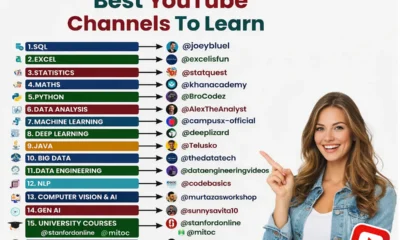

Best YouTube Channels to Learn Tech Skills for Free
Learning technology skills today is easier than ever. You don’t need expensive courses or a computer science degree anymore. YouTube...


12 Underrated Apps To Learn Something New Every Day
Let’s be honest. Most of us spend 3–5 hours a day on our phones. Scrolling social media. Watching random videos....
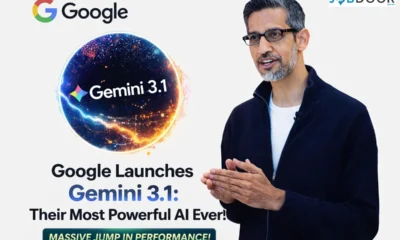

Google Launches Gemini 3.1 Pro: A Big Step Forward in Artificial Intelligence
Google has officially introduced Gemini 3.1 Pro, its newest and most powerful artificial intelligence model. This launch is part of...


How to Create Unlimited AI Videos in One Click for Free (2026 Guide)
Artificial Intelligence is changing how we create content online. Today, you don’t need expensive software, video editing skills, or hours...


How to Make AI Survival ASMR Videos in 2026: New Viral YouTube Niche
YouTube trends change very quickly. Every few months, a new content style appears and suddenly thousands of creators start using...
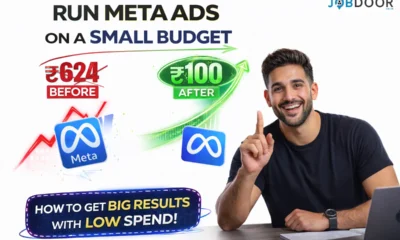

How to Run Meta Ads on a Small Budget ($100/Day Strategy That Actually Works)
Most businesses believe you need a huge advertising budget to get results from Meta Ads. That’s simply not true. In...


5 Free Facebook AI Tools to Solve 90% of Your Ad Problems
Running Facebook ads used to mean endless guesswork. You would test audiences manually, duplicate ad sets endlessly, refresh creatives every...


How to Automate Meta Ads Using Manus AI?
Meta Ads are evolving faster than ever. Manual optimization, endless A/B testing, creative fatigue, reporting stress — all of it...


How to Build Automated Online Income in 2026 – The “Sleepy” Side Hustle Blueprint
“Stop ignoring this.”“Boost your income.”“Get paid while you sleep.” You’ve seen headlines like that everywhere. Screenshots of large payouts. Smiling...


How to Sell on Amazon FBA in 2026: The Complete, Future-Proof Blueprint for Beginners & Growth Sellers
Amazon FBA (Fulfillment by Amazon) is no longer just a side-hustle trend. It’s a sophisticated eCommerce ecosystem where brand building,...


How to Outrank Your Competitors in ChatGPT? (2026 AI Guide)
You Google your brand inside ChatGPT… and nothing. Or worse — your competitors are everywhere. They’re recommended. They’re cited. They’re...


How to Get Instagram Followers with Meta Ads (Step-by-Step Funnel Strategy)
If your goal is to consistently add 20, 50, even 100+ new Instagram followers per day, and turn those followers...
-
 Career2 years ago
Career Opportunities for Seniors: 7 Jobs that are Perfect for Older Adults
-
 Money2 months ago
26 Lucrative Passive Income Ideas to Build Wealth in 2026
-
 Job Description2 years ago
Graphic Designer Job Description: Education, Salary, Skills, Work Hours
-

 Career1 year ago
5 Free Job Posting Sites in the UK (For Employers)
-

 Career2 years ago
13 Best Jobs That AI Can’t Replace: A Guide to Future-proof Careers
-

 News2 years ago
Students’ question to UK PM Rishi Sunak: “What if your kids started smoking?
-

 AI & Tools2 months ago
ChatGPT vs Copilot: Which AI Is Best for You in 2026?
-

 Career2 years ago
Standard Employment Contract Template Example for UK (Word & PDF)