
AI & Tools
AI Skills Every Job Seeker Should Learn (Without Becoming an AI Expert)
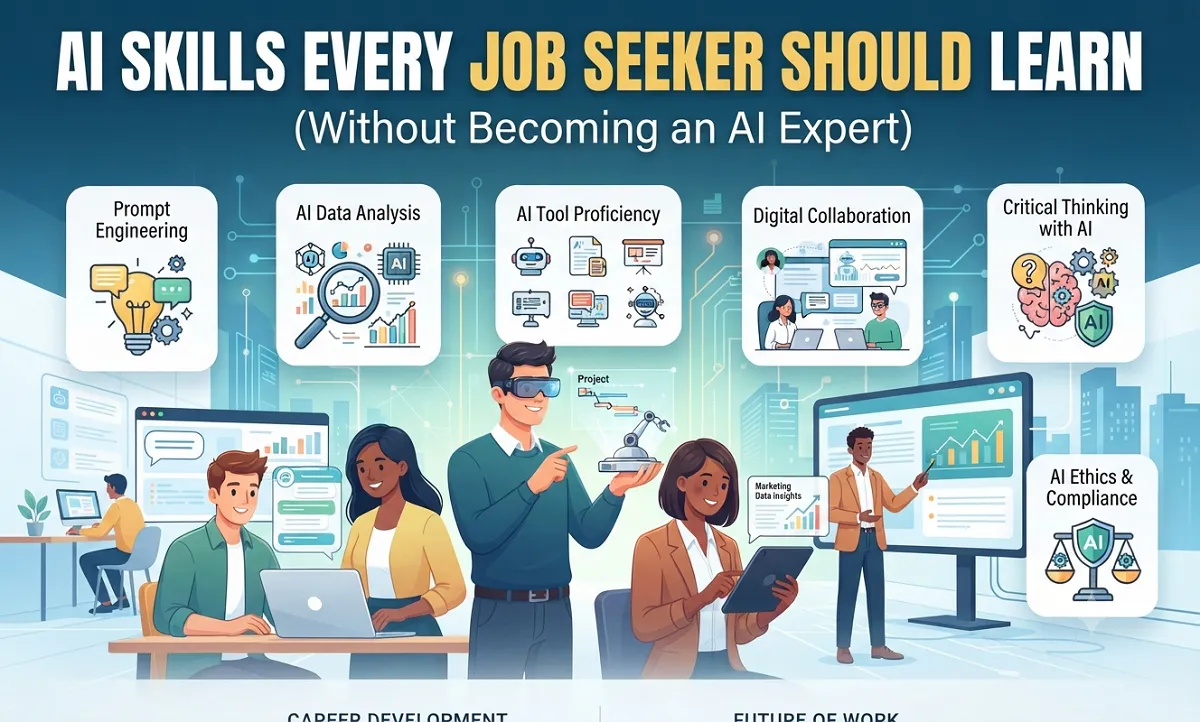
Artificial intelligence is becoming part of everyday work in many industries. You do not need to become a programmer, data scientist or AI engineer to benefit from it.
For most job seekers, the important skill is AI literacy: understanding what AI tools can do, where they can help, where they can make mistakes and how to use them responsibly.
Employers may value people who can use modern tools to improve productivity, research, communication and problem-solving. However, genuine ability matters more than simply adding “AI skills” to a CV.
What Does It Mean to Have AI Skills?
AI skills do not always mean building AI systems. For many jobs, practical AI skills include knowing how to use AI tools to support everyday tasks while checking the results carefully.
This may involve writing useful instructions, reviewing AI-generated information, improving drafts, summarising material, organising ideas and recognising when human judgement is needed.
AI Literacy Is More Important Than Becoming an AI Expert
There is a major difference between using AI effectively and working as an AI specialist.
An AI specialist may need technical knowledge of programming, machine learning, mathematics or model development. A marketing professional, administrator, recruiter, writer, project coordinator or customer service professional may instead need practical confidence using AI-supported tools.
Job seekers should focus on the level of AI knowledge that is genuinely relevant to their career goals.
1. Writing Clear Instructions for AI Tools
One of the most practical AI skills is learning how to give clear instructions.
Instead of writing a vague request, provide context, the task, relevant constraints and the format you want.
For example, a weak instruction might ask an AI tool to “improve my CV.” A stronger instruction explains the target role, provides the existing content and asks the tool to improve clarity without inventing experience.
The goal is not to memorise complicated prompt formulas. It is to communicate clearly.
2. Checking AI Output for Accuracy
AI can produce confident answers that are incomplete, outdated or incorrect. For that reason, verification is an essential skill.
Check important facts, numbers, names, dates and claims before using AI-generated information in professional work.
This is especially important when working with legal, financial, technical, medical or other high-stakes information.
3. Using AI for Research Support
AI can help organise a research process, generate questions and summarise information you already have. However, important claims should still be checked against reliable original sources.
A useful workflow is to use AI to identify what you need to investigate, then verify important information independently.
4. Improving Writing Without Losing Your Voice
AI can help improve grammar, structure and clarity. It can also help identify repetitive wording or explain whether a message is easy to understand.
However, the final writing should still reflect your own knowledge and professional voice.
Do not copy generic AI text without editing it. Add real examples, relevant context and accurate details.
5. Summarising and Organising Information
Many jobs involve large amounts of information. AI can help organise meeting notes, create first-draft summaries, group ideas and turn rough notes into structured lists.
The important skill is deciding what information matters and reviewing the result before relying on it.
6. Knowing What AI Should Not Do
Responsible AI use includes recognising situations where AI should not be trusted with the final decision.
You should be careful about sharing confidential information, personal data, company information or sensitive documents with tools that are not approved for that purpose.
Good AI users understand both the benefits and the limits of the technology.
7. Using AI to Improve Productivity
AI can support routine tasks such as drafting outlines, generating checklists, organising ideas and preparing first versions of documents.
The best approach is to identify repetitive tasks in your work and ask whether AI can reduce the time required without reducing quality or accuracy.
8. Basic Understanding of AI Automation
You do not need to build complex automation systems to understand the basic idea.
It is useful to recognise that AI can sometimes connect with other software to help move information, trigger actions or support repetitive workflows.
This awareness can help you identify opportunities to improve processes in your future workplace.
9. Understanding Data and Context
AI tools depend heavily on the information and instructions they receive. Poor input often leads to poor output.
Learning to provide relevant context, define the purpose of a task and recognise missing information is therefore a valuable workplace skill.
10. Applying Human Judgement
This may be the most important AI skill of all.
AI can generate options, but people still need to judge whether those options are accurate, useful, appropriate and ethical.
Strong professionals use AI to support their thinking rather than replacing their thinking.
AI Skills for Non-Technical Jobs
AI is relevant beyond technology roles.
Marketing and Content
AI can assist with brainstorming, first drafts, content organisation and research planning.
Administration
AI can support summaries, document drafting, checklists and information organisation.
Customer Service
AI may assist with draft responses, knowledge organisation and routine communication.
Project Management
AI can help organise tasks, summarise meetings and identify planning questions.
Sales
AI can assist with research preparation, communication drafts and information organisation.
In every case, the person using the tool remains responsible for checking the work.

How to Learn AI Skills Without Spending Months Studying
Start with practical tasks.
- Choose one AI tool relevant to your work or career goals.
- Use it for a simple, low-risk task.
- Compare the output with your own judgement.
- Practise giving clearer instructions.
- Learn how to check and improve the results.
- Gradually apply the skill to more realistic work tasks.
Consistent practical use is often more valuable than collecting certificates without understanding how the tools work.
How to Show AI Skills on a CV
Do not simply write “AI expert” unless you genuinely have specialist expertise.
Instead, describe specific tools or capabilities honestly and connect them with real work.
For example, you might describe experience using approved AI tools to support research, improve document clarity or organise information.
Only include skills you can explain and demonstrate.
How to Discuss AI Skills in an Interview
Be prepared to explain how you have actually used AI.
A strong answer may include:
- The task you were trying to improve
- How you used the tool
- How you checked the output
- What you learned from the process
Employers are often more interested in practical judgement than in impressive-sounding claims.
Common Mistakes to Avoid
Claiming Expertise You Do Not Have
Only describe skills you genuinely possess.
Trusting Every AI Answer
Important information should be checked.
Sharing Sensitive Information Carelessly
Follow workplace rules and protect confidential information.
Using AI to Replace Learning
AI can support learning, but understanding your profession remains essential.
Becoming Dependent on AI
Maintain your ability to think, write, analyse and solve problems independently.
A Simple AI Skills Development Plan
Week 1: Understand basic AI capabilities and limitations.
Week 2: Practise writing clear instructions and reviewing outputs.
Week 3: Use AI for realistic tasks related to your career.
Week 4: Document what worked, what failed and what you can genuinely demonstrate.
Related Guides for Job Seekers
- How to Use AI to Find a Job
- Best AI Prompts for Job Seekers
- How to Use AI for Interview Preparation
- AI vs Applicant Tracking Systems: What Job Seekers Need to Know
- How AI Is Changing Recruitment
Frequently Asked Questions
Do I need to become an AI expert to improve my career prospects?
No. For many roles, practical AI literacy and responsible use are more relevant than technical AI expertise.
What is the most important AI skill for beginners?
Learning to give clear instructions and critically review the results is an excellent starting point.
Can I put AI skills on my CV?
Yes, if you describe genuine skills and can explain how you have used them.
Will AI replace all jobs?
AI is changing tasks and workflows, but its effects vary widely between occupations. Developing strong professional skills alongside practical technology awareness remains a sensible approach.
Final Thoughts
The best AI skill is not knowing every new tool. It is knowing how to use technology thoughtfully.
Job seekers who understand AI’s strengths and limitations, can communicate clearly with AI tools and verify important results will be better prepared for workplaces where AI becomes part of everyday work.
You do not need to become an AI engineer. Start by becoming a capable, careful and practical user.








AI Skills Every Job Seeker Should Learn (Without Becoming an AI Expert)
Artificial intelligence is becoming part of everyday work in many industries. You do not need to become a programmer, data...


How to Get a Job in the UK: A Complete Step-by-Step Guide
Finding a job in the UK can feel difficult, especially when you are competing with many other applicants. The process...
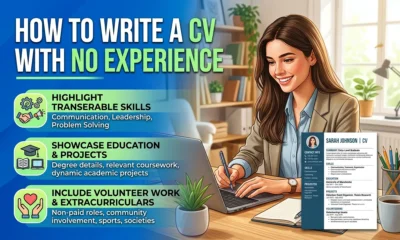

How to Write a CV With No Experience
Find out how to write a CV with no experience, what to include and how students, graduates and first-time job...


What Is a Job Description and What Should You Look For?
What is a job description? Understand what it means, what to look for and how to use it to decide...
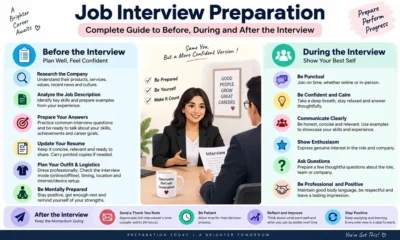

Job Interview Preparation: Complete Guide to Before, During and After the Interview
A complete job interview preparation guide covering common questions, competency answers, remote interviews, interview mistakes and what to do after...
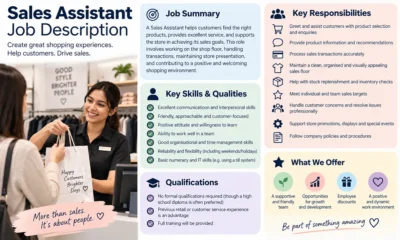

Sales Assistant Job Description: Duties, Skills, Salary and Career Guide UK
A Sales Assistant helps customers, processes purchases and supports the day-to-day running of a retail environment.


Web Developer Job Description: Duties, Skills, Salary and Career Guide UK
A Web Developer builds, maintains and improves websites and web applications. See the main duties, skills, qualifications, salary expectations and...
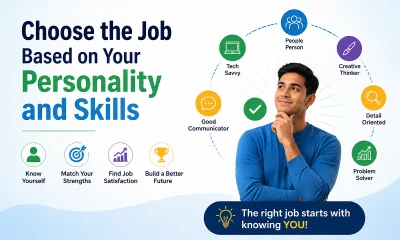

Choose an Entry-Level Job Based on Your Personality and Skills
Choosing your first job can be confusing. There are hundreds of entry-level jobs in the UK, but the best option...

How AI Can Help You Write a CV Without Making It Sound Generic
Find out how to use AI to improve your CV, tailor your experience and write clearer applications without adding false...

Python Interview Cheat Sheet: 30 Python Concepts You Should Know Before Your Next Coding Interview
Python is one of the most popular programming languages for beginners and professional developers. It is widely used in web...

AI Could Replace Millions of Entry-Level Jobs in the UK by 2035: Which Roles Are Most at Risk?
Artificial intelligence is changing the way people work across the UK. From customer service and administration to data processing and...

How to Get a Job When There Are Fewer Vacancies
Finding a job can become more difficult when fewer suitable vacancies are available. You may see the same roles repeatedly,...


How UK Job Seekers Can Use LinkedIn to Find More Job Opportunities
Use LinkedIn more effectively in your UK job search with practical advice on improving your profile, finding jobs, networking and...


Why Is It So Hard to Get a Job in the UK?
If you have been applying for jobs in the UK and getting very few replies, you are not alone. Many...


Entry-Level Jobs in the UK Compared: Pay, Difficulty, Stress and Career Growth
Starting your career can be confusing, especially when there are so many entry-level jobs available in the UK. While some...


Why Are Graduate Jobs Becoming Harder to Find in the UK?
Graduating from university is supposed to feel like the beginning of a new chapter. You finish your degree, prepare your...

Why Good Candidates Fail Job Interviews: 10 Reasons You May Not Get the Job
Find out why good candidates can fail job interviews, what may affect an employer's decision and how to improve before...


30 Entry-Level Jobs in the UK for People With Little or No Experience
Finding your first job can feel difficult, especially when many vacancies ask for previous work experience. The good news is...


IBM Internship UK: A Complete Guide to Opportunities, Eligibility and How to Apply
An IBM internship can be an attractive opportunity for students and early-career candidates who want practical experience at a major...

15 Job Advert Red Flags to Check Before Applying for a Job in the UK
Finding a job can be exciting, especially when you come across a vacancy that appears to offer good pay, flexible...
-
 Career3 years ago
Career Opportunities for Seniors: 7 Jobs that are Perfect for Older Adults
-
 Jobs8 months ago
15 Best Second Jobs to Boost Your Income in the UK for 2026
-

 Career2 years ago
5 Free Job Posting Sites in the UK (For Employers)
-
 How-to7 months ago
How to Make Money with Google Gemini: Practical Methods Anyone Can Start
-
 How-to8 months ago
How to Build Passive Income and Wealth: 26 Lucrative Ideas
-
 AI & Tools7 months ago
10 Insane Ways Google Gemini Will Explode Your Productivity in 2026
-

 Job Description2 years ago
Support Worker Job Description: Duties, Skills, Salary and Career Guide UK
-

 AI & Tools7 months ago
ChatGPT vs Microsoft Copilot: Which AI Is Best for You?