
Job Description
What Is a Job Description and What Should You Look For?
What is a job description? Understand what it means, what to look for and how to use it to decide whether a job is right for you.

A job description is a document that explains what a job involves. It usually outlines the main duties, responsibilities, skills, qualifications and experience an employer is looking for.
However, a job description is more than a list of tasks. For a job seeker, it is one of the best tools for deciding whether a role is suitable and for tailoring a CV, application and interview preparation.
What Is a Job Description?
A job description is a written summary of a particular role. Employers use it to explain what the successful candidate will be expected to do and what kind of person they are looking to hire.
You will usually find a job description on a company careers page, a recruitment website or as part of a job advertisement.
What Is Usually Included in a Job Description?
The exact format varies between employers, but most job descriptions contain several important sections.
Job title
This tells you the name of the position. The same type of work can sometimes have different titles, so read the duties as well as the heading.
Main duties and responsibilities
This section explains what you may do on a typical working day or week. Look for repeated responsibilities because they often represent the most important parts of the role.
Skills and experience
Employers may list technical skills, personal qualities, previous experience or industry knowledge. Not every requirement necessarily carries the same importance.
Qualifications
Some jobs require specific degrees, certificates, licences or professional qualifications. Check whether these are described as essential or desirable.
Working hours and location
The description may explain whether the role is full-time, part-time, remote, hybrid or based at a particular workplace.
Salary and benefits
Some employers include a salary range and benefits, while others provide this information later in the recruitment process.
How to Read a Job Description Properly
Many job seekers make the mistake of reading only the job title and applying immediately. A better approach is to read the entire description and divide the information into three groups:
- What you must have — essential qualifications, experience or legal requirements.
- What would help — desirable skills or experience.
- What you would actually do — the day-to-day responsibilities.
This makes it easier to judge whether the role genuinely suits you.
Look for Essential and Desirable Requirements
One of the most useful parts of a job description is the distinction between essential and desirable criteria.
Essential requirements are usually the things an employer considers necessary for the role. Desirable requirements can strengthen an application but may not automatically prevent you from applying.
If you meet most of the essential requirements, it may still be worth considering the role even if you do not match every desirable point.
A Simple Real-Life Example
Imagine a job advertisement for a junior marketing assistant.
- Creating social media content
- Helping with email campaigns
- Supporting marketing projects
- Good written communication
- Basic knowledge of social media platforms
- Previous marketing experience desirable
A candidate with strong communication skills and personal experience managing social media may still have relevant strengths, even without a previous full-time marketing job. The job description helps that candidate identify which experiences should be highlighted in their application.
Why Is a Job Description Important for Job Seekers?
A job description can help you make several important decisions before and during the application process.
It helps you decide whether to apply
Instead of applying purely because a job title sounds attractive, you can assess the actual work involved.
It helps you tailor your CV
Relevant skills and experience from the job description can guide what you highlight in your CV. For more CV advice, you can also read How to Bullet-proof Your CV in 8 Easy Steps.
It helps you prepare for interviews
Interview questions often relate directly to the responsibilities and skills listed for the role. Reading the description carefully gives you a useful starting point for preparation.
How Is a Job Description Different From a Person Specification?
A job description mainly explains what the job involves.
A person specification mainly explains what the employer wants in the person doing the job, such as skills, qualifications, experience and personal qualities.
The two documents are often used together, particularly in structured recruitment processes.
How Is a Job Description Different From a Job Advertisement?
A job advertisement is designed to attract applicants. A job description is usually more detailed about the actual duties and expectations of the role.
In many cases, the job advertisement contains a shortened version of information from the job description.
What Should You Look for Before Applying?
- Do you understand what the role actually involves?
- Do you meet the essential requirements?
- Which of your skills match the employer’s needs?
- Are the working location and hours suitable for you?
- Does the role offer the type of experience you want?
- Are there any requirements you need to clarify before applying?
Common Mistakes Job Seekers Make
Focusing only on the job title
Job titles can be misleading. Always check the responsibilities.
Assuming you need to match every single point
Employers sometimes list an ideal candidate rather than a perfect checklist that every applicant must meet.
Using the same CV for every job
A generic CV can fail to show why your experience is relevant to a particular role. Tailoring your application is often more effective.
Ignoring practical details
Salary, location, travel requirements and working patterns can matter just as much as the job duties.
What Does a Good Job Description Look Like?
A clear job description should help you understand the purpose of the role, the main responsibilities and the skills needed to perform it. It should not leave you guessing about the basic expectations of the job.
If a description is vague, you can look for more information on the employer’s website or ask sensible questions during the recruitment process.
What Should You Do Next?
When you find a role that interests you, save the job description and use it as a checklist while preparing your application.
- Highlight the essential requirements.
- Match them with your skills and experience.
- Update your CV to emphasise relevant strengths.
- Prepare examples that demonstrate your abilities.
- Use the same document when preparing for an interview.
If you are just starting your job search, you may also find 30 Entry-Level Jobs in the UK for People With Little or No Experience useful.
Frequently Asked Questions
What is the main purpose of a job description?
The main purpose is to explain what a role involves and what an employer expects from the person hired to do it.
Should I apply if I do not meet every requirement?
It depends on the role and the requirements. If you meet the essential criteria and have relevant strengths, a missing desirable requirement does not always mean you should rule yourself out.
Can a job description change?
Yes. Responsibilities can change as a company, department or role develops.
Is a job description the same as a person specification?
No. A job description focuses mainly on the role, while a person specification focuses mainly on the qualities and requirements of the candidate.
Final Thoughts
A job description is not simply something to glance at before clicking the apply button. It gives you valuable information about what the employer needs and where your own skills may fit.
The better you understand a job description, the easier it becomes to decide whether a role is right for you, create a relevant application and prepare for the next stage of the recruitment process.


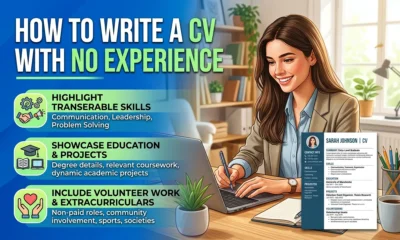

How to Write a CV With No Experience
Find out how to write a CV with no experience, what to include and how students, graduates and first-time job...


What Is a Job Description and What Should You Look For?
What is a job description? Understand what it means, what to look for and how to use it to decide...
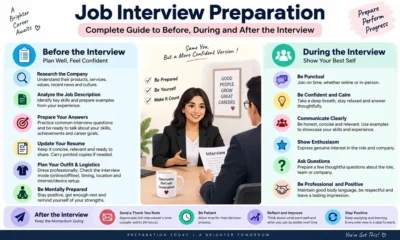

Job Interview Preparation: Complete Guide to Before, During and After the Interview
A complete job interview preparation guide covering common questions, competency answers, remote interviews, interview mistakes and what to do after...
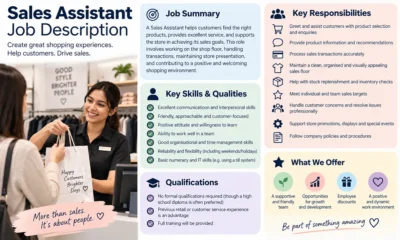

Sales Assistant Job Description: Duties, Skills, Salary and Career Guide UK
A Sales Assistant helps customers, processes purchases and supports the day-to-day running of a retail environment.


Web Developer Job Description: Duties, Skills, Salary and Career Guide UK
A Web Developer builds, maintains and improves websites and web applications. See the main duties, skills, qualifications, salary expectations and...
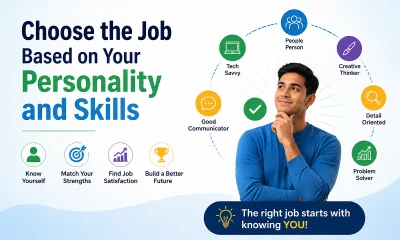

Choose an Entry-Level Jobs Based on Your Personality and Skills
Choosing your first job can be confusing. There are hundreds of entry-level jobs in the UK, but the best option...

How AI Can Help You Write a CV Without Making It Sound Generic
Find out how to use AI to improve your CV, tailor your experience and write clearer applications without adding false...
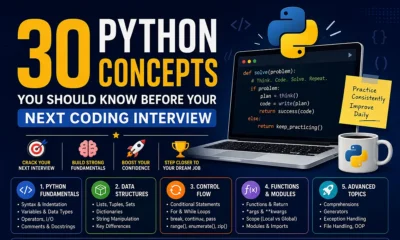

Python Interview Cheat Sheet: 30 Python Concepts You Should Know Before Your Next Coding Interview
Python is one of the most popular programming languages for beginners and professional developers. It is widely used in web...
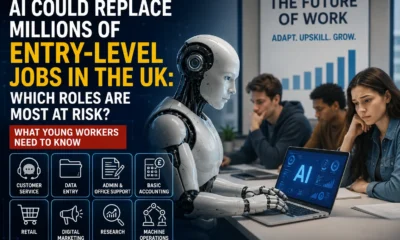

AI Could Replace Millions of Entry-Level Jobs in the UK by 2035: Which Roles Are Most at Risk?
Artificial intelligence is changing the way people work across the UK. From customer service and administration to data processing and...

How to Get a Job When There Are Fewer Vacancies
Looking for a job can become much more frustrating when there are fewer vacancies available. You may be checking job...

How UK Job Seekers Can Use LinkedIn to Find More Job Opportunities?
LinkedIn is no longer just a website for experienced professionals. It can be a useful job-search tool for students, graduates,...


Why Is It So Hard to Get a Job in the UK in 2026?
If you have been applying for jobs in the UK and getting very few replies, you are not alone. Many...


Entry-Level Jobs in the UK Compared: Pay, Difficulty, Stress and Career Growth
Starting your career can be confusing, especially when there are so many entry-level jobs available in the UK. While some...


Why Are Graduate Jobs Becoming Harder to Find in the UK?
Graduating from university is supposed to feel like the beginning of a new chapter. You finish your degree, prepare your...

Why Good Candidates Fail Job Interviews: 10 Reasons You May Not Get the Job
Find out why qualified candidates sometimes fail job interviews, why another applicant may be chosen and what you can improve...


30 Entry-Level Jobs in the UK for People With Little or No Experience
Finding your first job can feel difficult, especially when many vacancies ask for previous work experience. The good news is...

IBM Internship UK: A Complete Guide to Opportunities, Eligibility and How to Apply
An IBM internship can be an attractive opportunity for students and early-career candidates who want practical experience at a major...

How to Find Green Jobs in the UK: A Practical Guide for Job Seekers
Green jobs are becoming an important part of the UK employment market. As businesses, local authorities and industries focus more...

Top 10 Hosting Providers for Developers
Developers assess hosting differently from most other webmasters. While absolute costs and total disk space matter, the best web hosting...


HR Consultant Job Description: Duties, Skills and Career Guide UK
An HR Consultant advises organisations on people, policies, employee relations and workplace change. See duties, skills, qualifications and career routes...
-
 Career3 years ago
Career Opportunities for Seniors: 7 Jobs that are Perfect for Older Adults
-
 Jobs8 months ago
15 Best Second Jobs to Boost Your Income in the UK for 2026
-

 Career2 years ago
5 Free Job Posting Sites in the UK (For Employers)
-
 How-to7 months ago
How to Make Money with Google Gemini: Practical Methods Anyone Can Start
-
 How-to7 months ago
How to Build Passive Income and Wealth: 26 Lucrative Ideas
-
 AI & Tools7 months ago
10 Insane Ways Google Gemini Will Explode Your Productivity in 2026
-

 Job Description2 years ago
Support Worker Job Description: Duties, Skills, Salary and Career Guide UK
-

 AI & Tools7 months ago
ChatGPT vs Copilot: Which AI Is Best for You in 2026?