
Job Description
Graphic Designer Job Description: Duties, Skills, Salary and Career Guide UK
A Graphic Designer creates visual content that communicates ideas through layouts, typography, images and brand design.

A Graphic Designer creates visual content that communicates ideas through layouts, typography, images and brand design. This guide explains the main duties, skills, qualifications, salary factors and practical steps for finding Graphic Designer jobs in the UK.
What Does a Graphic Designer Do?
The exact role changes between employers and sectors, so always read the full vacancy. Our guide to what a job description is and what to look for can help you compare opportunities.
Key Duties and Responsibilities
- Creating visual concepts and layouts
- Preparing digital or print design assets
- Working from briefs and brand guidelines
- Presenting ideas and revising work from feedback
Day-to-day responsibilities
Daily work often combines routine tasks with communication, problem solving and changing priorities.
How the role varies
Different employers may use the same title for different levels of responsibility. Compare several current adverts before deciding what skills you need.
Essential Skills
- Typography and visual communication
- Design software
- Creativity and problem solving
- Portfolio and presentation skills
Transferable skills matter
Reliability, teamwork, communication and problem solving can strengthen your application when you have limited direct experience.
Qualifications and Training
A degree can help, but employers frequently place strong emphasis on a relevant portfolio and practical skills.
Building experience
Projects, placements, part-time work and volunteering can provide useful evidence of your abilities.
Salary and Working Hours
£25,000 to £55,000+ depending on experience, specialism and location.
Working patterns depend on the employer and sector. Check each vacancy for shift, evening, weekend or flexible-working requirements.
How to Become a Graphic Designer
Build the right skills
Review current vacancies and focus on requirements that appear repeatedly.
Tailor your CV
Use specific examples of relevant work. See CV vs resume if you need help understanding the difference.
Prepare for interviews
Prepare examples that demonstrate your skills and avoid common problems with our guide to job interview mistakes.
How to Find Jobs
Use employer websites, job boards and professional networks. See how UK job seekers can use LinkedIn and how to get a job when there are fewer vacancies for broader guidance.
Career Progression
Progression may involve moving into senior, specialist or supervisory responsibilities as your skills and experience grow.
Frequently Asked Questions
Do I need experience?
Not always. Entry-level opportunities may value transferable skills and willingness to learn.
What should I include in my application?
Match your examples to the requirements listed in the vacancy.
Final Thoughts
A Graphic Designer career can be a strong option when the daily work suits your interests and strengths. Read real vacancies, build evidence and tailor each application carefully.


How to Start a Career in Transport and Logistics in the UK
Planning a career in transport and logistics in the UK? See entry-level roles, apprenticeships, qualifications, skills and practical steps to...


Rolls-Royce Internship UK: Eligibility, Opportunities & How to Apply
Find Rolls-Royce internships in the UK with practical guidance on eligibility, opportunities, applications, assessments, skills and preparation.


JLR Internships in the UK: How to Find and Apply
Find JLR internships and undergraduate placements in the UK, with practical guidance on eligibility, applications, career areas, assessments and preparation.


Technology Internships in the UK: How to Find and Prepare
Find technology internships in the UK with practical guidance on choosing a tech career area, building skills, finding employers and...


Deloitte Internship UK: How to Apply and Prepare
A practical guide to Deloitte internships in the UK, covering programmes, eligibility, applications, assessments, skills, student visas and preparation.

How to Prepare for a Remote Interview: Complete Guide
Prepare for a remote or video interview with practical advice on technology, camera setup, communication, notes and handling technical problems.

How to Stay Employable: 12 Long-Term Career Strategies
No one can guarantee permanent employment. Employers change, industries evolve and personal circumstances can affect a career at any stage....


How AI Is Changing Recruitment: What Job Seekers Should Expect
Artificial intelligence is changing recruitment, but not in the simple way many headlines suggest. Employers may use AI to organise...


How to Use AI to Identify Your Transferable Skills
Changing careers can feel difficult because job titles often make people focus on what they have not done instead of...

How to Use AI Responsibly When Applying for Jobs
AI can help job seekers save time when researching roles, improving a CV, preparing a cover letter and practising for...
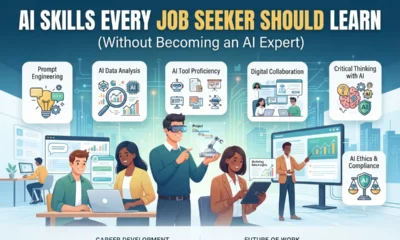

AI Skills Every Job Seeker Should Learn (Without Becoming an AI Expert)
Artificial intelligence is becoming part of everyday work in many industries. You do not need to become a programmer, data...

How to Get a Job in the UK: A Complete Step-by-Step Guide
Finding a job in the UK can feel difficult, especially when you are competing with many other applicants. The process...
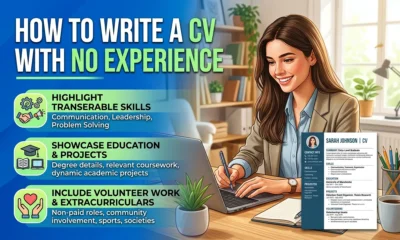

How to Write a CV With No Experience
Find out how to write a CV with no experience, what to include and how students, graduates and first-time job...


What Is a Job Description and What Should You Look For?
What is a job description? Understand what it means, what to look for and how to use it to decide...
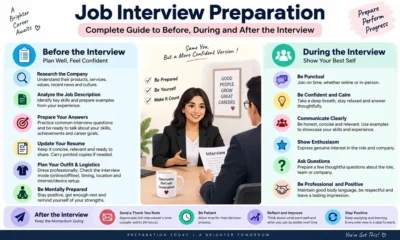

Job Interview Preparation: Complete Guide to Before, During and After the Interview
A complete job interview preparation guide covering common questions, competency answers, remote interviews, interview mistakes and what to do after...
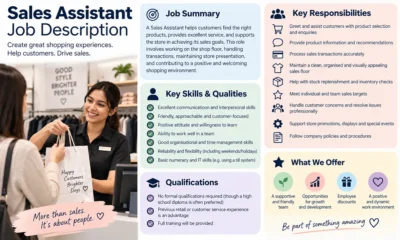

Sales Assistant Job Description: Duties, Skills, Salary and Career Guide UK
A Sales Assistant helps customers, processes purchases and supports the day-to-day running of a retail environment.


Web Developer Job Description: Duties, Skills, Salary and Career Guide UK
A Web Developer builds, maintains and improves websites and web applications. See the main duties, skills, qualifications, salary expectations and...
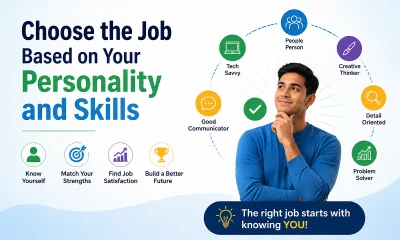

Choose an Entry-Level Job Based on Your Personality and Skills
Choosing your first job can be confusing. There are hundreds of entry-level jobs in the UK, but the best option...

How AI Can Help You Write a CV Without Making It Sound Generic
Find out how to use AI to improve your CV, tailor your experience and write clearer applications without adding false...

Python Interview Cheat Sheet: 30 Python Concepts You Should Know Before Your Next Coding Interview
Python is one of the most popular programming languages for beginners and professional developers. It is widely used in web...
-
 Career3 years ago
Career Opportunities for Seniors: 7 Jobs that are Perfect for Older Adults
-
 Jobs8 months ago
Second Jobs in the UK: 15 Practical Ways to Earn Extra Income
-

 Career2 years ago
5 Free Job Posting Sites in the UK (For Employers)
-
 How-to8 months ago
How to Use Google Gemini for Freelance Work and Career Skills
-
 How-to8 months ago
Passive Income Ideas: Build Long-Term Income Streams
-

 AI & Tools8 months ago
How to Use Google Gemini for Productivity at Work
-

 Job Description2 years ago
Support Worker Job Description: Duties, Skills, Salary and Career Guide UK
-

 AI & Tools8 months ago
ChatGPT vs Microsoft Copilot: Which AI Is Best for You?