
Internships
Technology Internships in the UK: How to Find and Prepare
Find technology internships in the UK with practical guidance on choosing a tech career area, building skills, finding employers and preparing strong applications.

Technology internships in the UK can give students practical experience in software development, data, cybersecurity, cloud computing, artificial intelligence, IT and other fast-changing areas of the technology industry.
However, technology is a broad field.
A student who enjoys coding may not necessarily enjoy cybersecurity. Someone interested in artificial intelligence may prefer data science over software engineering. Another student may enjoy technology but prefer product management, UX design or technical consulting rather than programming.
That is why choosing the right technology internship matters.
The best opportunity is not simply the one with the most famous company name. It should also give you experience in an area of technology that matches your interests, skills and long-term career goals.
This guide covers the main types of technology internships in the UK, companies worth monitoring, the reality of working in technology and how to decide which technology career path may suit you.
Quick Overview of Technology Internships UK
| Internship Area | Typical Work | Best For Students Who Enjoy | Key Skills |
|---|---|---|---|
| Software Engineering | Building and improving software | Coding and problem-solving | Programming and logical thinking |
| Data and Analytics | Working with information and patterns | Numbers and analysis | Data analysis and problem-solving |
| Cybersecurity | Protecting systems and information | Investigating technical problems | Security awareness and analytical thinking |
| Cloud Computing | Working with cloud-based systems | Infrastructure and technology | Technical knowledge and problem-solving |
| Artificial Intelligence | Working with intelligent systems and data | Mathematics and technology | Programming and analytical skills |
| IT and Infrastructure | Supporting technology systems | Understanding how systems work | Technical troubleshooting |
| Product Management | Helping develop technology products | Technology and business | Communication and problem-solving |
| UX and Design | Improving digital user experiences | Creativity and technology | Design thinking and user understanding |
The exact responsibilities and entry requirements can vary significantly between employers and individual internship programmes.
What Is a Technology Internship?
A technology internship is a work experience opportunity where students gain exposure to professional technology teams and projects.
Depending on the role, an intern may:
- Write or test software
- Analyse data
- Investigate technical problems
- Work with cloud platforms
- Support cybersecurity projects
- Participate in product development
- Attend technical meetings
- Work with experienced engineers and specialists
Large technology employers may offer structured student programmes across several areas. For example, Microsoft Careers states that its global university internships span different job families and solution areas, while Amazon University Talent highlights student opportunities across software development, science, technical engineering and non-technical fields.
Technology internships can therefore be useful not only for gaining experience but also for identifying the specific area of technology you want to pursue.
What Will You Actually Do as a Technology Intern?
The work will depend on the team.
However, a technology internship may involve a mixture of independent work, meetings and technical problem-solving.
A typical week could include:
| Activity | Example |
|---|---|
| Team meetings | Discussing progress and technical priorities |
| Coding or development | Building or improving a feature |
| Testing | Checking whether software works correctly |
| Problem-solving | Investigating a technical issue |
| Documentation | Recording how a system or feature works |
| Learning | Understanding new tools or technologies |
| Project work | Completing a specific technical task |
| Code or work reviews | Receiving feedback from experienced colleagues |
At companies such as Amazon, student technology roles can involve real technical challenges and project ownership rather than purely observational work.
The exact experience can vary, so students should read individual job descriptions carefully.
Who Is a Technology Internship Best For?
Technology internships can suit students who enjoy understanding how things work and solving problems.
You may be a strong match if you:
- Enjoy logical problem-solving
- Like computers and technology
- Are comfortable learning new tools
- Enjoy investigating why something is not working
- Can work patiently on complex problems
- Like improving systems or processes
You do not need to be interested in every area of technology.
A person can enjoy technology while disliking programming.
For example:
- Someone who enjoys analysing information may prefer data.
- Someone who enjoys investigating threats may prefer cybersecurity.
- Someone interested in people and digital products may prefer UX.
- Someone who enjoys business and technology may prefer product management.
Choosing the right technology path is more important than simply choosing the broad label of “tech.”
Best Companies to Monitor for Technology Internships in the UK
Large technology companies and technology-focused employers can offer structured opportunities across different career areas.
Students should always check official careers websites for current openings and eligibility requirements.
IBM Internship UK
IBM Careers provides entry-level and internship opportunities across technology and other fields.
IBM states that its internship programmes give interns opportunities to contribute to projects and collaborate on work that can have an impact across industries.
Technology-focused students may monitor opportunities connected with areas such as:
- Software development
- Artificial intelligence
- Data
- Cloud technology
- Technology consulting
The specific opportunities available can change.
Microsoft Internship UK
Microsoft Careers is worth monitoring for students interested in software, cloud technology, artificial intelligence and other technology careers.
Microsoft’s university internship programmes are designed for students across different academic levels and technology-related career paths.
Students should focus on matching their skills to the requirements of individual roles.
Amazon Internship UK
Amazon University Talent offers student opportunities across several technical areas.
These can include areas such as:
- Software development
- Applied science
- Machine learning
- Data
- Technical engineering
Amazon describes its student internship opportunities as providing practical experience and project responsibility, with roles across different technology and business functions.
Google Internship UK
Google is another company students may monitor for technology-related student opportunities.
Potential areas may include:
- Software engineering
- Data
- Product development
- Cloud technology
- Artificial intelligence
The availability and eligibility requirements of programmes can change, so students should rely on official careers information when applying.
Other Technology Employers Worth Monitoring
Students should also look beyond the most famous global companies.
Technology opportunities can be found at:
- Financial technology companies
- Cybersecurity businesses
- Cloud service providers
- Software companies
- Telecommunications companies
- Technology consultancies
- Start-ups
A smaller employer may sometimes provide broader exposure to different areas of technology.
Types of Technology Internships in the UK
Technology is not one career path.
Understanding the main areas can help you choose a more suitable internship.
Software Engineering Internships
Software engineering involves designing, building, testing and improving software.
Possible tasks may include:
- Writing code
- Testing software
- Fixing bugs
- Working with development teams
- Reviewing technical solutions
This may suit students who enjoy programming and logical problem-solving.
Data and Analytics Internships
Data internships involve working with information to identify patterns and support decisions.
Possible work may include:
- Analysing datasets
- Creating reports
- Identifying trends
- Supporting data projects
This may suit students who enjoy numbers, patterns and analytical thinking.
Cybersecurity Internships
Cybersecurity focuses on protecting systems, networks and information.
Possible areas may include:
- Security monitoring
- Risk analysis
- Investigating technical issues
- Supporting security projects
This may suit students who enjoy investigating problems and understanding how systems can be protected.
Cloud Computing Internships
Cloud technology involves systems and services delivered through large-scale computing infrastructure.
Possible work may include:
- Supporting cloud projects
- Working with infrastructure
- Learning cloud platforms
- Analysing system performance
This may suit students interested in infrastructure and large-scale technology systems.
Artificial Intelligence and Machine Learning Internships
AI and machine learning roles can involve software, data and mathematical problem-solving.
Possible areas include:
- Machine learning
- Data analysis
- Applied science
- AI research
Amazon, for example, highlights university opportunities across science and software development that include advanced technology areas such as machine learning and data analytics.
These roles may require stronger mathematical or technical foundations depending on the position.
IT and Infrastructure Internships
IT internships may involve supporting and maintaining technology systems.
Possible areas include:
- Networks
- Hardware
- Systems
- Technical support
- Infrastructure
This can suit students who enjoy practical troubleshooting.
Product Management Internships
Product roles combine technology with business and customer needs.
Possible tasks may include:
- Researching users
- Supporting product decisions
- Working with engineers
- Analysing product performance
This may suit students who enjoy technology but do not necessarily want to spend most of their career coding.
UX and Technology Design Internships
UX focuses on improving how people interact with digital products.
Possible work may include:
- User research
- Design
- Testing digital experiences
- Working with product teams
This may suit students who combine creativity with an interest in technology.
Technology Internship Comparison Table
| Career Area | Coding | Mathematics | Creativity | Communication | Technical Depth |
|---|---|---|---|---|---|
| Software Engineering | Very High | High | High | Medium | Very High |
| Data and Analytics | Medium to High | Very High | Medium | Medium | High |
| Cybersecurity | Medium to High | High | Medium | Medium | Very High |
| Cloud Computing | High | Medium | Medium | Medium | Very High |
| AI and Machine Learning | Very High | Very High | High | Medium | Very High |
| IT and Infrastructure | Medium | Medium | Low to Medium | Medium | High |
| Product Management | Low to Medium | Medium | High | Very High | High |
| UX and Design | Low | Low to Medium | Very High | High | Medium to High |
These are general comparisons. Individual roles can differ substantially.
How Competitive Are Technology Internships?
Technology internships can be highly competitive, particularly at well-known global companies.
General Difficulty Guide
| Factor | General Level |
|---|---|
| Competition for major programmes | ⭐⭐⭐⭐⭐ |
| Technical requirements | ⭐⭐⭐⭐ |
| Problem-solving expectations | ⭐⭐⭐⭐⭐ |
| Communication requirements | ⭐⭐⭐ |
| Previous professional experience | ⭐⭐ to ⭐⭐⭐ |
| Importance of practical skills | ⭐⭐⭐⭐⭐ |
These are general career-guidance estimates rather than official employer ratings.
Competition is not only about academic grades.
Applicants may also need to demonstrate:
- Technical ability
- Problem-solving
- Genuine interest
- Relevant projects
- Ability to work with others
Microsoft’s student guidance specifically highlights passion for technology and relevant experience gained through activities such as projects, hackathons, internships and student groups.
Skills You Need Before Applying
The required skills depend on the internship.
However, several foundations can be useful.
Technical Fundamentals
You should understand the basic skills relevant to your chosen area.
For example:
- Programming for software roles
- Statistics for data roles
- Networking concepts for cybersecurity
- Cloud fundamentals for infrastructure roles
Problem-Solving
Technology work often involves identifying problems and finding practical solutions.
Practise breaking larger problems into smaller steps.
Ability to Learn
Technology changes quickly.
You do not need to know every programming language or platform.
However, you should be comfortable learning new tools.
Communication
Technology professionals rarely work alone.
You may need to:
- Explain your ideas
- Ask questions
- Discuss problems
- Work with non-technical colleagues
Skills You Can Gain During a Technology Internship
A good technology internship can help you develop more than technical knowledge.
You may gain experience in:
- Professional software development
- Team collaboration
- Technical communication
- Code or project reviews
- Problem-solving
- Industry tools
- Project planning
You may also gain a clearer understanding of which area of technology suits you best.
Common Degree Backgrounds
| Technology Area | Common Degree Backgrounds |
|---|---|
| Software Engineering | Computer Science, Software Engineering |
| Data and Analytics | Data Science, Mathematics, Computer Science |
| Cybersecurity | Cybersecurity, Computer Science, IT |
| Cloud Computing | Computer Science, IT, Engineering |
| AI and Machine Learning | Computer Science, Mathematics, Data Science |
| IT and Infrastructure | IT, Computer Science, Engineering |
| Product Management | Technology, Business and other disciplines |
| UX and Design | Design, Technology, Psychology and related subjects |
Some employers accept applicants from a broader range of academic backgrounds.
Always check the individual role requirements.
Is a Technology Career Right for You?
Rate yourself from 1 to 5 for each statement.
| Question | Your Score |
|---|---|
| I enjoy solving complex problems | /5 |
| I am interested in technology | /5 |
| I am comfortable learning new tools | /5 |
| I can work patiently on difficult problems | /5 |
| I enjoy understanding how systems work | /5 |
Your Result
21–25: Technology may be a strong career match.
16–20: You may have strong potential but should explore specific technology areas.
11–15: Explore technology careers further before specialising.
5–10: Another career path may currently match your interests more closely.
This is a career reflection tool, not a scientific assessment.
The Reality of Working in Technology
Technology careers can offer exciting work, but students should understand the challenges as well.
Advantages
Technology careers can offer:
- Constant learning
- Different career paths
- Opportunities to solve complex problems
- Exposure to new tools and systems
- Potential to work across many industries
Challenges
Technology can also involve:
- Continuous learning
- Complex technical problems
- Debugging and troubleshooting
- Changing tools and platforms
- Strong competition for major roles
A student who enjoys technology in theory may still need to consider whether they enjoy the day-to-day process of solving difficult problems.
How to Prepare for a Technology Internship
This is where technology internships should be prepared for differently from other career areas.
Build One or Two Strong Technical Projects
You do not need ten unfinished projects.
It is usually better to build one or two projects that demonstrate:
- What problem you solved
- What technology you used
- How you approached the challenge
- What you learned
For example:
Software: Build a useful application.
Data: Analyse a real dataset.
Cybersecurity: Complete legal and safe security labs or challenges.
Cloud: Build and deploy a small cloud-based project.
The goal is to demonstrate practical thinking rather than simply collecting certificates.
Practise Explaining Your Technical Work
Students often focus only on building a project.
You should also be able to explain:
- What the project does
- Why you built it
- What problems you faced
- How you solved them
- What you would improve
This is valuable during technical interviews.
Strengthen Your Fundamentals
Before trying to learn every new technology trend, strengthen your basics.
Depending on your target role, focus on:
- Programming fundamentals
- Data structures
- Algorithms
- Databases
- Networks
- Operating systems
The exact topics should match the roles you plan to apply for.
Participate in Practical Activities
Depending on your interests, consider:
- Hackathons
- Coding challenges
- Student technology societies
- University technical projects
Microsoft specifically identifies activities such as student groups, hackathons and projects as ways students can demonstrate interest and relevant experience.
Common Mistakes Students Make When Applying
Trying to Learn Every Technology
Technology is too broad to master everything.
Choose a direction and build depth.
Focusing Only on Certificates
Certificates can demonstrate learning.
However, employers may also want evidence that you can apply what you have learned.
Building Projects Without Understanding Them
Never present a project that you cannot explain.
Interviewers may ask detailed questions about your contribution.
Applying for Every Technical Role
Software engineering, cybersecurity and data science require different strengths.
Apply strategically.
Ignoring Communication Skills
Even highly technical roles involve teamwork and communication.
What to Do If You Don’t Get a Technology Internship
If you do not receive an internship offer, continue building relevant experience.
For Software Engineering
- Build a complete project
- Improve an existing project
- Contribute to appropriate open-source work
For Data
- Analyse publicly available datasets
- Create a clear data project
- Practise explaining your findings
For Cybersecurity
- Develop your understanding through legal and safe training environments
- Study security fundamentals
- Practise analytical problem-solving
For Cloud Technology
- Build a small cloud project
- Understand basic infrastructure concepts
- Document what you learn
The important thing is to continue developing practical evidence of your abilities.
Frequently Asked Questions About Technology Internships UK
Do I Need a Computer Science Degree?
Not always.
Requirements vary by employer and role.
However, many technical internships require relevant knowledge or demonstrable technical skills.
Do I Need to Know Several Programming Languages?
Usually, depth is more useful than claiming basic knowledge of many languages.
Focus on the skills required for the role.
Are Technology Internships Only for Programmers?
No.
Technology companies also offer opportunities in areas such as:
- Product management
- UX
- Data
- Technical business roles
- Infrastructure
Are Technology Internships Difficult to Get?
Major programmes can be highly competitive.
However, opportunities also exist at smaller companies and organisations.
Can a Technology Internship Lead to a Graduate Job?
It can provide relevant experience and, in some organisations, strong performance may lead to future full-time opportunities. Amazon, for example, states that strong performance in student internships can lead to full-time opportunities.
A permanent role is not guaranteed unless an employer specifically states otherwise.
Final Thoughts
Technology internships in the UK can provide valuable experience for students interested in software, data, cybersecurity, cloud computing, AI, IT and digital products.
The most important decision is choosing the area of technology that suits you.
Before applying:
- Identify the technology area that genuinely interests you.
- Build practical evidence of your skills.
- Strengthen your technical fundamentals.
- Practise explaining your work clearly.
- Apply for roles that match your abilities.
- Continue building experience even if you do not get an internship immediately.
A technology internship can help you enter the industry, but it can also help you answer a more important question:
What type of technology work do I actually want to do every day?
For a broader overview of opportunities across different industries, see:
UK Internships: A Complete Guide to Internship Opportunities for Students and Graduates




How to Start a Career in Transport and Logistics in the UK
Planning a career in transport and logistics in the UK? See entry-level roles, apprenticeships, qualifications, skills and practical steps to...


Rolls-Royce Internship UK: Eligibility, Opportunities & How to Apply
Find Rolls-Royce internships in the UK with practical guidance on eligibility, opportunities, applications, assessments, skills and preparation.


JLR Internships in the UK: How to Find and Apply
Find JLR internships and undergraduate placements in the UK, with practical guidance on eligibility, applications, career areas, assessments and preparation.


Technology Internships in the UK: How to Find and Prepare
Find technology internships in the UK with practical guidance on choosing a tech career area, building skills, finding employers and...


Deloitte Internship UK: How to Apply and Prepare
A practical guide to Deloitte internships in the UK, covering programmes, eligibility, applications, assessments, skills, student visas and preparation.


How to Prepare for a Remote Interview: Complete Guide
Prepare for a remote or video interview with practical advice on technology, camera setup, communication, notes and handling technical problems.

How to Stay Employable: 12 Long-Term Career Strategies
No one can guarantee permanent employment. Employers change, industries evolve and personal circumstances can affect a career at any stage....


How AI Is Changing Recruitment: What Job Seekers Should Expect
Artificial intelligence is changing recruitment, but not in the simple way many headlines suggest. Employers may use AI to organise...


How to Use AI to Identify Your Transferable Skills
Changing careers can feel difficult because job titles often make people focus on what they have not done instead of...

How to Use AI Responsibly When Applying for Jobs
AI can help job seekers save time when researching roles, improving a CV, preparing a cover letter and practising for...


AI Skills Every Job Seeker Should Learn (Without Becoming an AI Expert)
Artificial intelligence is becoming part of everyday work in many industries. You do not need to become a programmer, data...


How to Get a Job in the UK: A Complete Step-by-Step Guide
Finding a job in the UK can feel difficult, especially when you are competing with many other applicants. The process...


How to Write a CV With No Experience
Find out how to write a CV with no experience, what to include and how students, graduates and first-time job...


What Is a Job Description and What Should You Look For?
What is a job description? Understand what it means, what to look for and how to use it to decide...


Job Interview Preparation: Complete Guide to Before, During and After the Interview
A complete job interview preparation guide covering common questions, competency answers, remote interviews, interview mistakes and what to do after...
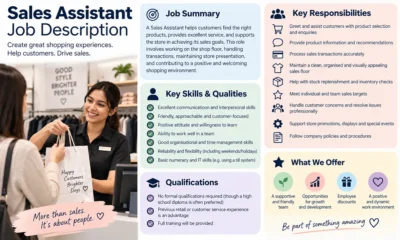

Sales Assistant Job Description: Duties, Skills, Salary and Career Guide UK
A Sales Assistant helps customers, processes purchases and supports the day-to-day running of a retail environment.


Web Developer Job Description: Duties, Skills, Salary and Career Guide UK
A Web Developer builds, maintains and improves websites and web applications. See the main duties, skills, qualifications, salary expectations and...
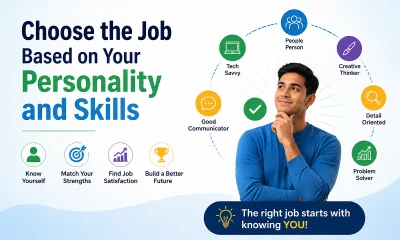

Choose an Entry-Level Job Based on Your Personality and Skills
Choosing your first job can be confusing. There are hundreds of entry-level jobs in the UK, but the best option...

How AI Can Help You Write a CV Without Making It Sound Generic
Find out how to use AI to improve your CV, tailor your experience and write clearer applications without adding false...


Python Interview Cheat Sheet: 30 Python Concepts You Should Know Before Your Next Coding Interview
Python is one of the most popular programming languages for beginners and professional developers. It is widely used in web...
-
 Career3 years ago
Career Opportunities for Seniors: 7 Jobs that are Perfect for Older Adults
-
 Jobs8 months ago
Second Jobs in the UK: 15 Practical Ways to Earn Extra Income
-

 Career2 years ago
5 Free Job Posting Sites in the UK (For Employers)
-
 How-to8 months ago
How to Use Google Gemini for Freelance Work and Career Skills
-
 How-to8 months ago
Passive Income Ideas: Build Long-Term Income Streams
-

 AI & Tools8 months ago
How to Use Google Gemini for Productivity at Work
-

 Job Description2 years ago
Support Worker Job Description: Duties, Skills, Salary and Career Guide UK
-

 AI & Tools8 months ago
ChatGPT vs Microsoft Copilot: Which AI Is Best for You?