
Career
7 Skills That Will Pay You Forever – Future-Proof Your Career

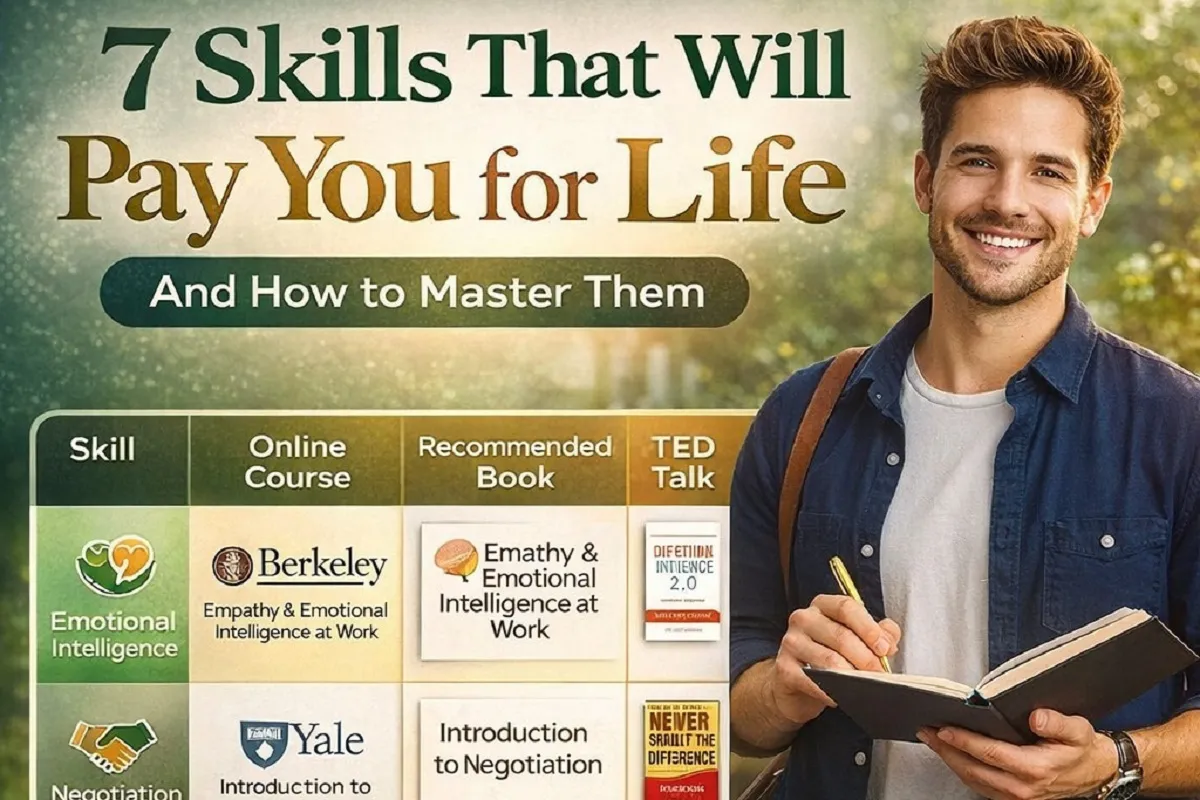
In a world where industries are changing faster than ever, one thing remains constant—skills are the real currency of success. Degrees may open doors, but it’s your abilities that keep you relevant and valuable.
In this comprehensive guide, we’ll break down each skill, why it matters, and how you can start mastering it today.
Why These Skills Matter More Than Ever?
Technology is evolving, jobs are being automated, and competition is increasing globally. The people who thrive are those who invest in timeless, high-value skills.
These skills:
- Are transferable across industries
- Increase earning potential
- Help you adapt to change
- Build long-term career security
Let’s explore each one in detail.
1. Emotional Intelligence (EQ):
What It Is?
Emotional Intelligence is your ability to understand, manage, and influence emotions—both yours and others’.
Why It Matters?
In workplaces today, technical skills alone are not enough. Employers value people who can collaborate, handle stress, and build relationships.
Key Benefits:
- Better communication
- Strong leadership ability
- Improved conflict resolution
- Higher job satisfaction
How to Learn?
- Practice self-awareness
- Observe your emotional reactions
- Improve listening skills
- Read books like Emotional Intelligence by Daniel Goleman
👉 Pro Tip: People with high EQ often earn more because they manage people better.
2. Negotiation:
What It Is?
Negotiation is the skill of reaching agreements that benefit all parties involved.
Why It Matters?
Whether it’s salary, business deals, or daily decisions—negotiation impacts your financial growth directly.
Key Benefits:
- Higher salary and better deals
- Stronger business relationships
- Increased confidence
How to Learn?
- Practice real-life scenarios
- Study techniques like win-win negotiation
- Learn from experts and TED Talks
👉 Pro Tip: If you don’t negotiate, you leave money on the table.
3. Artificial Intelligence (AI):
What It Is?
AI involves creating systems that can learn, analyze, and make decisions like humans.
Why It Matters?
AI is transforming industries—from healthcare to marketing to finance.
Key Benefits:
- High-paying job opportunities
- Future-proof career
- Ability to automate tasks
How to Learn?
- Start with Python programming
- Explore machine learning basics
- Take online courses (Harvard, Coursera, etc.)
👉 Pro Tip: Even basic AI knowledge gives you a competitive edge.
4. Creative Thinking:
What It Is?
Creative thinking is the ability to generate new ideas and innovative solutions.
Why It Matters?
Automation can replace routine tasks—but it cannot replace creativity.
Key Benefits:
- Innovation and problem-solving
- Better decision-making
- Unique career opportunities
How to Learn?
- Brainstorm regularly
- Explore different perspectives
- Engage in creative activities
👉 Pro Tip: Creativity is what sets you apart in a crowded market.
5. Critical Thinking:
What It Is?
Critical thinking is the ability to analyze information logically and make sound decisions.
Why It Matters?
In an age of misinformation, this skill is more valuable than ever.
Key Benefits:
- Better problem-solving
- Smarter decisions
- Strong analytical ability
How to Learn?
- Ask “why” and “how” questions
- Evaluate multiple perspectives
- Read and analyze complex topics
👉 Pro Tip: Critical thinkers are trusted leaders.
6. Prompt Engineering:
What It Is?
Prompt engineering is the ability to communicate effectively with AI tools like ChatGPT.
Why It Matters?
AI tools are becoming part of everyday work. Knowing how to use them efficiently is a game-changer.
Key Benefits:
- Increased productivity
- Better results from AI tools
- High demand in tech and marketing fields
How to Learn?
- Practice writing better prompts
- Experiment with AI tools
- Study real-world use cases
👉 Pro Tip: Those who master AI tools will outperform others.
7. Strategic Leadership:
What It Is?
Strategic leadership is the ability to plan, guide, and execute long-term goals effectively.
Why It Matters?
Organizations need leaders who can think ahead and drive results.
Key Benefits:
- Career advancement
- Team management skills
- Business growth impact
How to Learn?
- Study successful leaders
- Take leadership courses
- Practice decision-making
👉 Pro Tip: Leadership is not a position—it’s a skill you build over time.
How to Start Learning These Skills Today?
You don’t need expensive degrees to master these skills. Here’s a simple roadmap:
Step 1: Choose One Skill
Focus on one skill at a time to avoid overwhelm.
Step 2: Use Free & Paid Resources
- Online courses (Coursera, edX, Udemy)
- Books and podcasts
- YouTube and TED Talks
Step 3: Practice Daily
Skills grow with consistency, not theory.
Step 4: Apply in Real Life
Use what you learn in your job, business, or daily interactions.
The Secret to Long-Term Success:
The real power lies not in learning one skill—but in combining multiple skills.
Example:
- AI + Creative Thinking = Innovation
- Emotional Intelligence + Leadership = Strong Teams
- Negotiation + Critical Thinking = Better Decisions
👉 The more skills you stack, the more valuable you become.
Common Mistakes to Avoid:
- Trying to learn everything at once
- Not practicing what you learn
- Ignoring soft skills
- Giving up too early
Consistency beats intensity every time.
Final Thoughts:
The world doesn’t reward degrees—it rewards value. And value comes from skills that solve problems, improve lives, and drive results.
These 7 skills are not trends—they are timeless assets that will continue to pay you for years to come.
Start today. Learn consistently. Apply wisely.
Because the best investment you can ever make… is in yourself.
FAQs:
1. Which skill should I learn first?
Start with Emotional Intelligence or AI, depending on your career goals.
2. Are these skills useful for students?
Absolutely. The earlier you start, the better your future.
3. Can I learn these skills for free?
Yes, many free resources are available online.


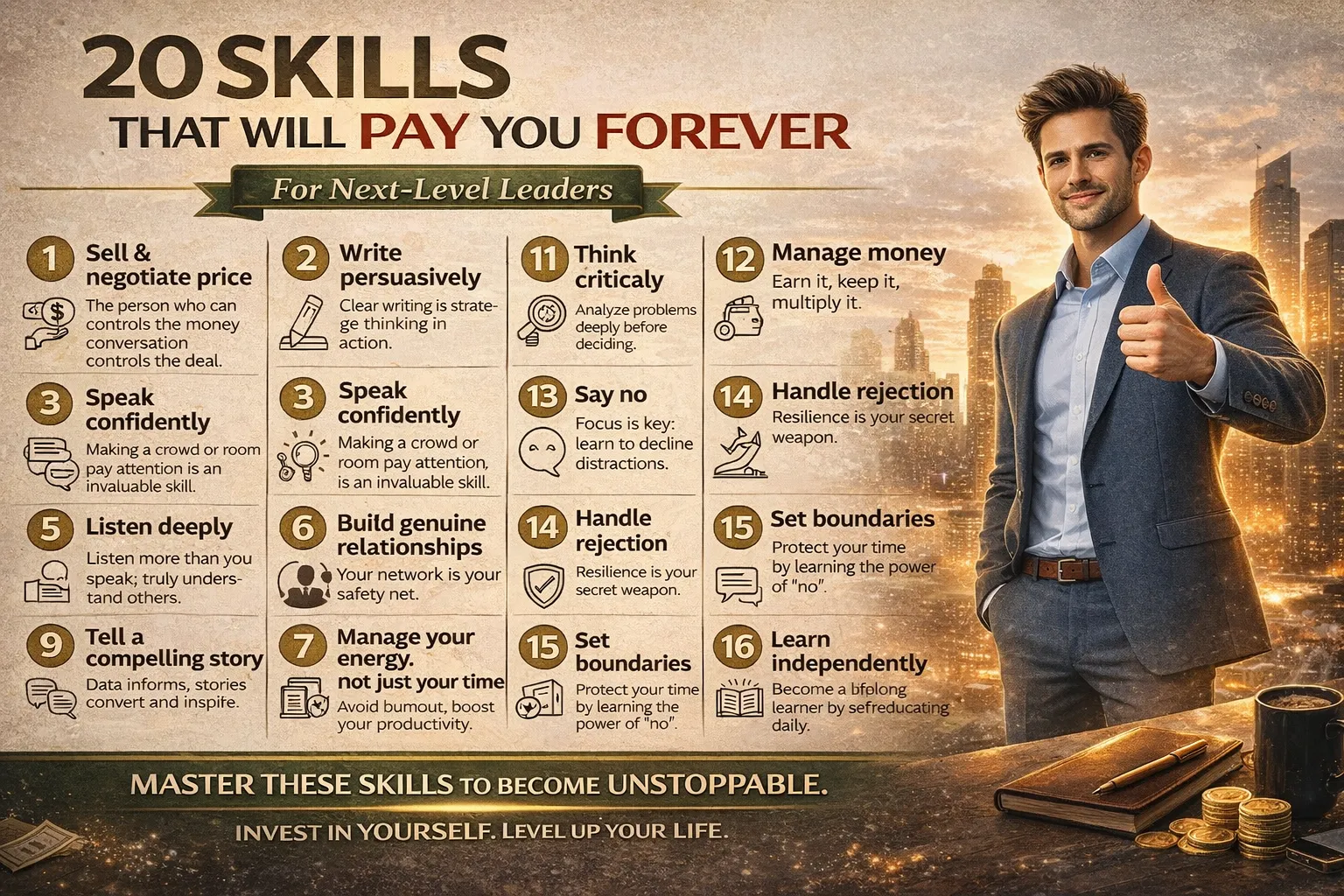


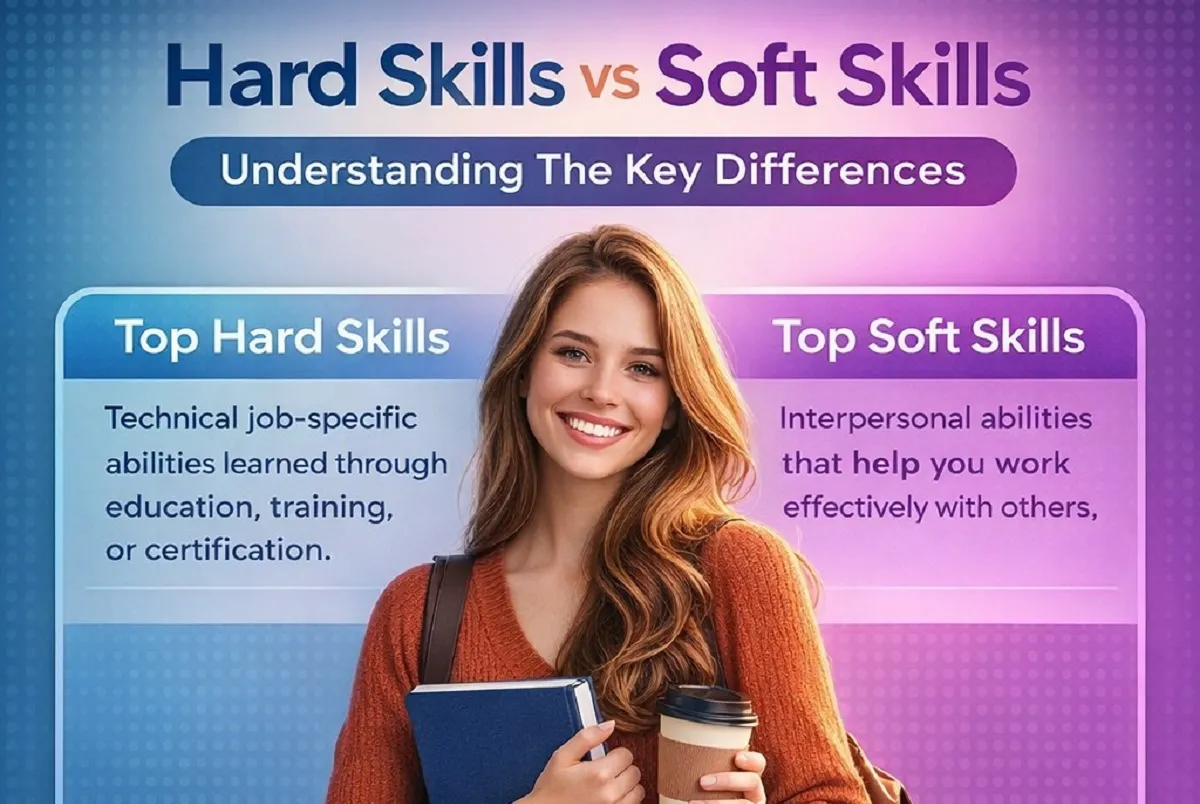
In today’s competitive world, success is no longer determined by just what you know—it’s also about how you apply it and how you interact with others. This is where hard skills and soft skills come into play.
Whether you’re a student, job seeker, entrepreneur, or working professional, understanding the difference between these two skill sets—and how to develop them—can transform your career.
In this detailed guide, we’ll break down everything you need to know about hard skills vs soft skills, their importance, examples, and how to master both for long-term success.
What Are Hard Skills?
Hard skills are technical abilities or knowledge that you can learn through education, training, or hands-on experience. These are measurable and often specific to a job or industry.
Key Characteristics of Hard Skills:
- Learnable through courses or training
- Measurable and testable
- Often listed on resumes
- Job-specific
Examples of Hard Skills:
- Software Development
- Degrees & Certifications
- Artificial Intelligence
- Networking & Wireless Systems
- SEO / SEM Marketing
- Business Analysis
- Foreign Language Proficiency
- Machine Learning
- Cybersecurity
- Data Analysis
These skills are typically acquired through formal education, certification programs, or on-the-job training.
What Are Soft Skills?
Soft skills are personal attributes and interpersonal abilities that help you work effectively with others and navigate your professional environment.
Unlike hard skills, soft skills are harder to measure but are equally—if not more—important.
Key Characteristics of Soft Skills:
- Personality-driven
- Difficult to quantify
- Transferable across industries
- Essential for teamwork and leadership
Examples of Soft Skills:
- Communication
- Problem Solving
- Time Management
- Decision Making
- Leadership
- Negotiation
- Organization
- Teamwork
- Creativity
- Flexibility
Soft skills reflect your attitude, emotional intelligence, and behavior in real-world situations.
Hard Skills vs Soft Skills: Key Differences
| Feature | Hard Skills | Soft Skills |
|---|---|---|
| Nature | Technical | Behavioral |
| Learnability | Easy to learn | Takes time to develop |
| Measurement | Easily measurable | Hard to measure |
| Purpose | Perform tasks | Work with people |
| Examples | Coding, SEO | Communication, Leadership |
Both skill types complement each other. You can’t rely on just one.
Why Hard Skills Are Important?
Hard skills are your entry ticket into any profession.
1. Job Qualification:
Most employers first look at your technical abilities. Without the required hard skills, you won’t even qualify for many roles.
2. Productivity:
They enable you to perform specific tasks efficiently—whether it’s coding a website or analyzing data.
3. Career Growth:
Advanced technical expertise can lead to promotions, higher salaries, and specialization.
Why Soft Skills Matter Even More Today?
While hard skills may get you hired, soft skills help you grow and succeed.
1. Workplace Collaboration:
Good communication and teamwork are essential in modern workplaces.
2. Leadership Development:
Leadership is built on soft skills like empathy, decision-making, and conflict resolution.
3. Adaptability:
In a rapidly changing world, flexibility and problem-solving are invaluable.
4. Customer Interaction:
Whether you’re in sales, marketing, or service, soft skills directly impact client relationships.
The Perfect Balance: Why You Need Both
Relying only on hard skills can make you technically sound but socially ineffective. On the other hand, relying only on soft skills may leave you lacking expertise.
Example:
- A software developer with excellent coding skills (hard skill) but poor communication (soft skill) may struggle in team projects.
- A manager with great leadership (soft skill) but no industry knowledge (hard skill) may make poor decisions.
👉 Success lies in balancing both.
Top In-Demand Hard Skills in 2026:
With the rise of technology, certain hard skills are becoming increasingly valuable:
1. Artificial Intelligence & Machine Learning:
AI is transforming industries—from healthcare to finance.
2. Data Analysis:
Companies rely on data-driven decisions.
3. Cybersecurity:
With increasing cyber threats, security experts are in high demand.
4. Digital Marketing (SEO/SEM):
Online presence is crucial for businesses.
5. Software Development:
Still one of the most sought-after skills globally.
Top In-Demand Soft Skills:
Employers today prioritize candidates with strong interpersonal abilities.
1. Communication:
Clear and effective communication is non-negotiable.
2. Problem Solving:
Organizations value individuals who can find solutions.
3. Adaptability:
Change is constant—those who adapt succeed.
4. Leadership:
Even non-managers need leadership qualities.
5. Emotional Intelligence:
Understanding people is key to collaboration.
How to Develop Hard Skills?
Building hard skills requires structured learning and practice.
1. Take Online Courses:
Platforms like Coursera, Udemy, and LinkedIn Learning offer specialized training.
2. Get Certified:
Certifications validate your expertise and improve credibility.
3. Practice Consistently:
Apply your knowledge through real-world projects.
4. Stay Updated:
Technology evolves—keep learning new tools and trends.
How to Improve Soft Skills?
Soft skills take time but can be developed with conscious effort.
1. Practice Communication:
Speak clearly, listen actively, and engage in conversations.
2. Seek Feedback:
Constructive criticism helps you grow.
3. Work in Teams:
Collaboration improves interpersonal skills.
4. Read & Observe:
Learn from leaders, mentors, and successful individuals.
5. Step Out of Comfort Zone:
New challenges build confidence and adaptability.
Common Mistakes People Make:
1. Ignoring Soft Skills:
Many focus only on technical knowledge and neglect communication.
2. Overvaluing Degrees:
A degree alone doesn’t guarantee success without practical skills.
3. Not Updating Skills:
Outdated skills can limit career growth.
4. Lack of Self-Awareness:
Understanding your strengths and weaknesses is essential.
How to Showcase Skills on Your Resume?
Hard Skills:
- List under a dedicated “Skills” section
- Mention tools, technologies, and certifications
Soft Skills:
- Demonstrate through achievements
- Example: “Led a team of 5 to complete a project ahead of schedule”
👉 Don’t just list—prove them with results.
Future of Skills: What Lies Ahead?
The future belongs to individuals who combine technical expertise with human intelligence.
Trends to Watch:
- Automation replacing routine tasks
- Growing importance of creativity and innovation
- Increased demand for emotional intelligence
- Hybrid roles requiring both skill sets
Final Thoughts:
In the modern world, success is not about choosing between hard skills and soft skills—it’s about mastering both.
Hard skills will help you get your foot in the door, but soft skills will determine how far you go.
If you want to build a strong, future-proof career:
- Keep learning new technical skills
- Continuously improve your personality and communication
- Stay adaptable and open to change
Because in the end, it’s not just what you know—it’s how you use it and how you connect with others that truly matters.
FAQs:
1. Which is more important: hard skills or soft skills?
Both are equally important. Hard skills get you hired, soft skills help you grow.
2. Can soft skills be learned?
Yes, with practice, feedback, and experience.
3. Are hard skills becoming less important?
No, but they must be complemented with soft skills.

Let’s be honest.
Most of us spend 3–5 hours a day on our phones. Scrolling social media. Watching random videos. Jumping from one app to another.
But imagine something different.
What if your phone helped you become smarter every single day?
Not with boring lectures. Not with complicated courses. But with simple, bite-sized lessons you actually enjoy.
That’s exactly what microlearning apps are designed for.
Microlearning means learning small pieces of knowledge in short sessions, often just 5–15 minutes at a time. This approach makes it easier to stay consistent and build real skills over time.
The problem?
Most blog posts recommend the same apps over and over — Duolingo, Coursera, Khan Academy.
You already know those.
So in this guide, we’ll explore 12 rare, underrated apps that most people have never heard of, but that can teach you something new every day.
These apps can help you learn:
- Critical thinking
- Coding
- Visual knowledge
- General intelligence
- Creativity
- Business and life skills
And the best part?
Many lessons take less than 10 minutes a day.
Let’s dive in.
Why Microlearning Apps Work So Well?
Before we explore the apps, let’s answer a simple question.
Why do these learning apps actually work?
Because they remove the biggest barrier to learning:
Time.
Instead of forcing you to study for hours, they deliver knowledge in short, focused lessons.
Benefits include:
- Easier to stay consistent
- Less mental fatigue
- Faster learning progress
- Learning anywhere (bus, lunch break, etc.)
Think of it like daily exercise for your brain.
Small steps. Big results.
12 Underrated Apps To Learn Something New Every Day:
1. Imprint – Learn Big Ideas Through Visual Stories
If you love beautiful visuals and quick explanations, Imprint is incredible.
Instead of long articles or boring lectures, it teaches complex topics using interactive visual storytelling.
Topics include:
- Psychology
- Philosophy
- Science
- Business
- History
The app breaks big ideas into 5–10 minute visual lessons.
For example, you might learn:
- Why humans procrastinate
- How successful people think
- The psychology behind habits
Many people call it “Netflix for knowledge.”
Best For:
Visual learners who want deep ideas explained simply.
2. Learny – Daily Micro Knowledge:
Learny is a daily brain training and knowledge app that delivers quick lessons and facts to help you become smarter every day.
Instead of traditional courses, it focuses on microlearning.
That means:
- Small learning sessions
- Personalized knowledge paths
- Quick brain exercises
You might learn:
- Random science facts
- Historical insights
- Logic puzzles
- Memory training
Best For:
People who want a few minutes of learning every day.
3. Mimo – Learn Coding in Small Lessons
Coding sounds intimidating.
But Mimo makes it surprisingly simple.
Instead of long tutorials, it teaches programming through small interactive exercises.
You can learn:
- Python
- HTML
- JavaScript
- SQL
Lessons feel like mini games, not classes.
Many learners say it’s one of the easiest ways to start coding.
Best For:
Beginners who want to learn programming from zero.
4. Brainscape – Learn Anything Faster
Brainscape uses science-backed flashcards to help you learn faster.
It uses a technique called spaced repetition.
Simple explanation:
The app shows you information right before you’re about to forget it.
This improves memory dramatically.
You can learn:
- Languages
- Science
- Business
- Test preparation
Brainscape focuses on efficient learning based on cognitive science.
Best For:
People who want better memory and faster learning.
5. SoloLearn – Learn Tech Skills for Free
SoloLearn is one of the best underrated apps for learning tech skills.
It offers bite-sized lessons in:
- Python
- Java
- C++
- Data science
- Web development
Each lesson includes:
- Quick explanations
- Coding exercises
- Community discussions
Why It’s Great:
You can complete many lessons in under 5 minutes.
Best For:
Future developers or tech enthusiasts.
6. EdApp – Micro Courses That Take Minutes
EdApp is designed for microlearning courses.
Instead of traditional courses, it offers short learning modules with quizzes and interactive lessons.
Features include:
- Gamified learning
- Push notifications
- Interactive quizzes
Many organizations use EdApp for employee training because of its short, engaging lessons.
Best For:
People who enjoy structured mini-courses.
7. BeFreed – AI Learning Companion
BeFreed is a modern AI-powered learning platform that creates personalized learning experiences.
Instead of fixed courses, the AI recommends topics based on:
- Your goals
- Your interests
- Your knowledge level
This makes learning more personal and efficient.
Best For:
People who want custom learning paths.
8. Quizizz – Learning Through Games
Quizizz transforms learning into a quiz game.
You answer questions and compete with others.
Topics include:
- Science
- History
- Geography
- Business
- Technology
The fun part?
It feels like playing a game, not studying.
Best For:
People who love gamified learning.
9. GeoGebra – Learn Math Visually
Math can feel difficult when it’s just numbers.
GeoGebra changes that.
It teaches math through interactive visuals and simulations.
You can explore:
- Algebra
- Geometry
- Calculus
- Statistics
Instead of memorizing formulas, you see how math works.
Best For:
Visual learners who struggle with math.
10. Jellypod – Learn Through Podcasts
Not everyone likes reading.
Some people learn better by listening.
Jellypod allows you to create AI-powered educational podcasts based on topics you want to learn.
You can learn while:
- Walking
- Driving
- Cooking
- Exercising
Best For:
Audio learners.
11. Forage – Real Career Simulations
Forage is very different from normal learning apps.
It lets you experience real job simulations from companies.
For example:
- Marketing projects
- Finance analysis
- Tech problem solving
You learn by doing real work tasks.
Best For:
Students exploring careers.
12. Instanerd – Curiosity-Based Learning
Instanerd focuses on curiosity-driven learning.
It offers quick explanations for interesting questions like:
- Why do we dream?
- How does inflation work?
- Why do humans procrastinate?
Each topic takes just a few minutes to understand.
Best For:
Curious minds who love random knowledge.
How to Build a Daily Learning Habit (Simple System)?
Having great apps isn’t enough.
You also need a simple system.
Here’s one that works for almost everyone.
Step 1: Choose Only 1–2 Apps
Too many apps = overwhelm.
Start with just two.
Example:
- Imprint (ideas)
- Mimo (coding)
Step 2: Learn 10 Minutes Daily
Set a rule:
10 minutes every day.
That’s it.
Consistency beats intensity.
Step 3: Stack Learning With Habits
Attach learning to something you already do.
Examples:
- After breakfast
- During commute
- Before bed
This makes the habit automatic.
Step 4: Track Your Progress
Seeing progress motivates you.
Many apps track:
- Streaks
- Points
- Completed lessons
Protect your streak.
Best App Combinations (Recommended):
Here are some great combinations:
For curiosity:
- Imprint
- Learny
For career growth:
- Mimo
- Forage
For general knowledge:
- Instanerd
- Quizizz
For brain training:
- Brainscape
- EdApp
Common Mistakes When Using Learning Apps:
Avoid these mistakes.
1. Installing Too Many Apps:
More apps = less focus.
Pick 2 or 3 max.
2. Learning Without Action:
Knowledge becomes powerful when you use it.
Example:
- Practice coding
- Discuss ideas
- Apply concepts
3. Skipping Days:
Consistency matters more than speed.
Even 5 minutes counts.
Conclusion: Your Future Self Will Thank You
Learning something new every day doesn’t require hours of studying.
You don’t need expensive courses.
You don’t even need a laptop.
All you need is your smartphone and a few minutes a day.
Apps like Imprint, Mimo, Brainscape, and Learny prove that learning can be simple, fun, and even addictive.
Remember this powerful idea:
Small knowledge daily creates massive growth over time.
Just imagine where you’ll be in one year if you learn something new every day.
- New skills
- New ideas
- New confidence
So here’s your challenge.
Pick one app from this list.
Install it today.
And commit to 10 minutes of learning starting now.
Your smarter future self is waiting.
If you’ve read even a few career blogs, you’ve seen the same advice again and again.
Learn content writing.
Learn graphic design.
Learn digital marketing.
And at some point, you think:
“Okay… but everyone already knows this. What now?”
That feeling is valid.
The internet keeps recycling the same beginner skills, while quietly ignoring newer, less crowded opportunities. Skills that don’t look flashy on Instagram—but actually create leverage.
This article is for people who:
- Are tired of generic advice
- Want skills with less competition
- Prefer quiet, long-term value over hype
- Want control, not constant hustle
In this guide, you’ll learn 5 overlooked digital skills you can learn at home, why they matter, who they’re for, and how to start without overwhelm.
No buzzwords. No trend-chasing. Just practical direction.
Why “Popular Skills” Are Becoming Harder to Monetize?
Let’s be honest for a moment.
Popular skills aren’t useless—but they are crowded.
When everyone learns the same thing:
- Prices drop
- Competition rises
- Anxiety increases
That’s why the smarter move today is not popular skills, but supporting, system-level skills.
Skills that:
- Sit behind the scenes
- Are hard to replace
- Are learned by fewer people
That’s where stability lives.
1. No-Code Automation (Making Tools Talk to Each Other):
What This Skill Really Is?
No-code automation means connecting apps so work happens automatically, without writing code.
Example:
- When someone fills a form → data goes to a spreadsheet → email is sent automatically.
Tools do the work. You design the flow.
Why This Skill Is Powerful (and Ignored)?
Most people:
- Hate repetitive tasks
- Don’t know automation exists
- Think it requires programming
It doesn’t.
Businesses lose hours daily on manual work. Automation fixes that quietly.
Tools You’d Learn:
- Zapier
- Make (formerly Integromat)
- Airtable
Who This Skill Is Perfect For?
- Organized thinkers
- Process lovers
- People who enjoy efficiency
This skill pays well because it saves time, not because it looks creative.
2. Data Cleanup & Organization (The Skill Nobody Wants—but Everyone Needs):
What It Is?
This skill involves:
- Cleaning messy spreadsheets
- Organizing data
- Removing duplicates
- Making information usable
Not analysis. Not coding. Just clarity.
Why This Skill Is Underrated?
Data is everywhere.
Clean data is rare.
Most businesses have information—but it’s unusable. They need someone who can bring order.
Why Beginners Can Learn This Easily?
- Learn Google Sheets or Excel basics
- Practice sorting, filtering, formatting
- Build patience and precision
It’s calm work. Focused work.
And surprisingly valuable.
3. AI Prompt Design (Talking to AI the Right Way):
What This Skill Actually Is
AI prompt design means knowing how to ask AI tools the right questions to get high-quality results.
Most people type vague prompts and get poor outputs.
A prompt designer:
- Structures instructions clearly
- Adds context
- Guides outcomes
Why This Is a New Opportunity?
AI tools are everywhere now.
But most people use them badly.
Those who know how to guide AI properly save:
- Time
- Money
- Effort
This skill is about thinking clearly, not being technical.
Who This Is For?
- Writers
- Managers
- Researchers
- Anyone working with AI tools daily
It’s a thinking skill. And thinking skills age well.
4. Digital Product Operations (Running the Backend Nobody Sees):
What This Skill Means?
Digital product operations involves managing:
- Product uploads
- File organization
- Customer access
- Updates and versions
It’s the engine room behind online products.
Why This Skill Is Rare?
Everyone wants to:
- Create
- Sell
- Promote
Very few want to maintain systems.
But creators desperately need help keeping things running smoothly.
What You’d Learn?
- File management
- Platform dashboards
- Version control (simple, not technical)
- Customer access workflows
This skill brings stability and long-term work.
5. Knowledge Management (Turning Information Into Systems):
What Is Knowledge Management?
It’s the skill of:
- Organizing notes
- Structuring information
- Building personal or team knowledge systems
Think:
- Notion dashboards
- Documentation systems
- Learning libraries
Why This Skill Is Becoming Valuable?
Information overload is real.
People don’t lack information.
They lack structure.
Those who can turn chaos into clarity are quietly in demand.
Who This Is Perfect For?
- Deep thinkers
- Note-takers
- People who love systems
It’s not loud work. But it’s respected work.
How to Choose the Right “Unpopular” Skill for You?
Ask yourself:
- Do I enjoy structure or creativity?
- Do I prefer solving problems quietly?
- Do I like improving systems?
Choose the skill that feels mentally calm, not exciting.
Calm skills are sustainable skills.
A Simple Learning System:
Use this 3–2–1 system:
- 3 days a week: learning
- 2 days a week: practice
- 1 day a week: review
Track:
- What confused you
- What clicked
- What improved
This reduces anxiety and builds confidence naturally.
Why These Skills Give You an Advantage?
These skills:
- Have less competition
- Are harder to replace
- Support other roles
- Age well over time
They don’t depend on trends.
They depend on thinking and structure.
Conclusion:
The internet rewards noise.
The real world rewards reliability.
You don’t need another popular skill.
You need one overlooked skill you can grow steadily.
Pick one from this list.
Learn it slowly.
Apply it calmly.
That’s how real careers are built—without panic.
👉 Choose the skill that feels boring but useful. Start today.


7 Skills That Will Pay You Forever – Future-Proof Your Career
In a world where industries are changing faster than ever, one thing remains constant—skills are the real currency of success....

Hard Skills vs Soft Skills: Why You Need Both to Succeed
In today’s competitive world, success is no longer determined by just what you know—it’s also about how you apply it...

Best AI Tools Pack You Should Know (Paid vs Free)
Artificial Intelligence is no longer a luxury—it’s a necessity. Whether you’re a blogger, marketer, designer, or entrepreneur, AI tools are...
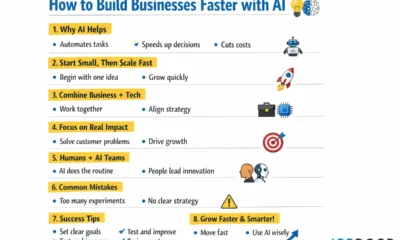

How to Build Businesses Faster with AI?
1. What is the main idea? The article explains that AI (Artificial Intelligence) can help companies build new businesses much...
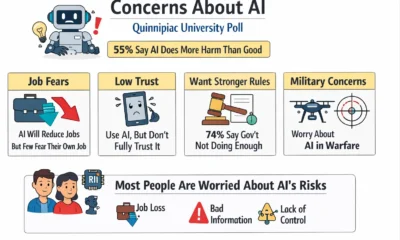

Majority of Americans Believe AI Will Cause More Harm Than Good
A recent survey by Quinnipiac University shows that many people in the United States are worried about artificial intelligence (AI)....

5 AI Tools for HR Professionals: Simplify Hiring & Management
Human Resources has always been about people. But today, HR professionals are expected to manage recruitment, employee engagement, performance tracking,...


How to Make Viral AI Solo Camping ASMR Videos?
Creating AI solo camping ASMR videos has become one of the fastest-growing content niches on YouTube and short-form platforms. Videos...

7 AI Tools Every Software Engineer Should Learn Before 2026
Artificial Intelligence is no longer a futuristic concept. It is already transforming how software is built, tested, and deployed. If...


How to Use SORA 2 to Create Viral Faceless YouTube Videos?
Have you ever wondered how some YouTube channels grow incredibly fast without ever showing a face on camera? You see...


Companies Pay $10K for This AI Masterclass: Learn the Skills That Are Reshaping the Future
Companies don’t pay for tools. They pay for systems, strategy, and transformation. A high-end AI masterclass teaches employees how to...
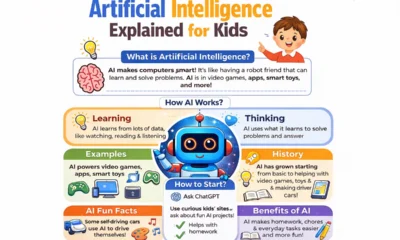

AI for Kids: The Fun and Easy Way to Understand Artificial Intelligence
Artificial Intelligence sounds like something from a science-fiction movie. Robots. Smart computers. Machines that think like humans. For many people,...


10 AI Myths and Facts Most People Still Believe (And the Truth Behind Them)
Artificial Intelligence is everywhere right now. You hear about it in the news. You see it in social media discussions....

5 Simple Things Successful People Do Before 8 AM
Have you ever wondered why some people seem to start their day full of energy, focus, and confidence? While others...
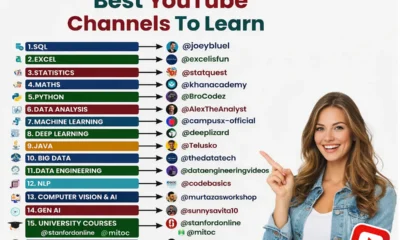

Best YouTube Channels to Learn Tech Skills for Free
Learning technology skills today is easier than ever. You don’t need expensive courses or a computer science degree anymore. YouTube...

12 Underrated Apps To Learn Something New Every Day
Let’s be honest. Most of us spend 3–5 hours a day on our phones. Scrolling social media. Watching random videos....

Google Launches Gemini 3.1 Pro: A Big Step Forward in Artificial Intelligence
Google has officially introduced Gemini 3.1 Pro, its newest and most powerful artificial intelligence model. This launch is part of...


How to Create Unlimited AI Videos in One Click for Free (2026 Guide)
Artificial Intelligence is changing how we create content online. Today, you don’t need expensive software, video editing skills, or hours...


How to Make AI Survival ASMR Videos in 2026: New Viral YouTube Niche
YouTube trends change very quickly. Every few months, a new content style appears and suddenly thousands of creators start using...


How to Run Meta Ads on a Small Budget ($100/Day Strategy That Actually Works)
Most businesses believe you need a huge advertising budget to get results from Meta Ads. That’s simply not true. In...

5 Free Facebook AI Tools to Solve 90% of Your Ad Problems
Running Facebook ads used to mean endless guesswork. You would test audiences manually, duplicate ad sets endlessly, refresh creatives every...
-
 Career2 years ago
Career Opportunities for Seniors: 7 Jobs that are Perfect for Older Adults
-

 Career1 year ago
5 Free Job Posting Sites in the UK (For Employers)
-
 Money3 months ago
26 Lucrative Passive Income Ideas to Build Wealth in 2026
-
 Job Description2 years ago
Graphic Designer Job Description: Education, Salary, Skills, Work Hours
-
 Jobs3 months ago
15 Best Second Jobs to Boost Your Income in the UK for 2026
-

 AI & Tools3 months ago
ChatGPT vs Copilot: Which AI Is Best for You in 2026?
-
 News1 year ago
UK Government Offers £300 to Households: How to Claim Your Payment?
-
 Career2 years ago
13 Best Jobs That AI Can’t Replace: A Guide to Future-proof Careers