
Career
5 Simple Job Hunting Tips for Fresh Graduates


So, you’re ready to step into the professional world after your graduation – exciting times ahead! Job hunting can be overwhelming, but worry not, I’m going to share with you 5 simple, yet useful job hunting tips that will help you navigate this challenging yet rewarding journey with confidence and ease. From crafting a stellar resume to acing your interviews, I’ll cover it all. So, grab a cup of coffee, sit back, and remember, you’ve got all the potential in the world, and with the right approach, you’ll land that perfect job in no time. Stay positive and let’s make your job hunting experience a success!
5 Simple Job Hunting Tips for Recent Graduates
1. Be honest with yourself:
You’ve now got your qualification, so it’s time to talk about your experience and build your CV. Talk about what you have learned and the skills you have gained but be sure to differentiate what you learnt at Uni, and what you learned professionally. I always say, “don’t be afraid to sell yourself!” but I always follow that up with, “don’t try and over sell”. You might be qualified, but you probably won’t be experienced in the industry you’ve just graduated from.
This also applies to applying to jobs at your level. If you apply to jobs that require more experience than you have, be prepared for disappointment. When you graduate, you are going to need to start at the bottom and work your way up.
When applying for a junior role, always remember that the hirer probably doesn’t expect you to know everything. They expect you to have enough knowledge to go in with something, but they will want to train you and teach you the ways their company rolls. This fires back to “don’t over sell yourself”, you don’t want to be a “know-it-all”. Most of the time, hirers know what experience you’re going to graduate with and they know what was entailed in your degree. What they won’t know if you how passionate you are about the industry, how much work experience you did and what additional training classes you completed.
Never forget that your drive, interest, knowledge and experience will be as valuable to the company as the successes they hope you’ll achieve and that you’ll be wanting to find a company that fits you culturally as well as suits your career choice. Think about what you’d like in a company, and what kind of environment you’re looking for. Some prefer easy going without much pressure, and some thrive in a fast paced environment whilst under pressure. Most employers base their hires on experience and personality, so be yourself! You don’t want to pretend to love sports, or put on a posh accent. They’ll hire you for you, and if they don’t? Then it’s not meant to be.
| Also Read: Advice for Safe Job-Seeking in the UK |
| Also Read: How to Create a Winning LinkedIn Profile for Job Search? |
2. Gain some work experience:
The second most valuable thing you can do while at Uni is Work experience. Work experience is a wonderful way to get first-hand experience as a trainee, into the industry you’d like to get into. You can use it to build skills, contacts and experience which will become very useful when you’re looking for your first job. Many people get their first industry jobs from work experience they have on their CV. It looks good to your future employer because you have volunteered your free time to gain experience, it shows passion.
Gaining work experience is like adding valuable tools to your job search toolkit. When you have hands-on experience in a particular field, it not only boosts your resume but also showcases your skills and capabilities to potential employers. Employers often look for candidates who have practical knowledge and exposure to the industry, and having work experience can set you apart from other applicants.
By gaining work experience, you get the opportunity to learn new skills, build a professional network, and understand the dynamics of the work environment. This helps you grow both personally and professionally, making you a more attractive candidate for job positions. So, don’t underestimate the importance of work experience – it can truly make a difference in landing your dream job!
3. Take all the advice you can get:
You are going to meet so many people that know a lot. Learn to learn from other people’s specialisms, experiences, mistakes and successes. Take as much advice from you peers, managers, and teachers. They’ll be able to give you some good solid hands on advice that they have also had to learn from, which will hopefully benefit you.
Use creative ways to get your application to stand out when applying to roles in the creative industry, show off all your charitable volunteering work if you’re looking into the charity sector, and send your CV in cake form to the bakery you’ve always wanted to work in. After you send your CV, give them a call to follow up. That’ll help you stand out and keep you on their radar.
4. Stay active on social networking sites:
Social media is a fantastic platform to connect with old, current and (hopefully) future colleagues and employers. Websites like LinkedIn mean you can learn about job roles, companies, and live jobs that you can apply for with your profile. LinkedIn also have groups and hold seminars that can help you as a job seeker. That is why we always recommend that job seekers must use LinkedIn.
Facebook can also be a good platform to connect professionally as well as personally. There are groups on Facebook that you can join that allow employers to post job requirements to a targeted audience rather than a platform such as LinkedIn which publishes job ads to all sectors.
Networking events are also a brilliant way to learn about new emerging things about your industry, such as the Recruitment Industry Expo for recruiters, or The London Textiles Fair for fashion labels, and clothing.
5. Learn new skills:
During that quiet period of your job search, try and always keep up to date with your skills. Attend training courses, keep networking and always keep a fresh batch of skills for your next employer. This goes with your job search too, practice for your interviews using interview questions online, talking with friends and family and prep with your recruitment consultant.
You know how important it is to stay competitive in the job market, right? Well, learning new skills is a must when it comes to landing a job. Imagine being able to showcase a diverse set of skills on your resume – employers love that!
| Also Read: 10 Best Remote Jobs You Can Do While on Vacation |
| Also Read: Which Courses Have the Best Job Opportunities in the UK? |
By learning new skills, you not only expand your knowledge but also show potential employers that you are adaptable and willing to grow. Whether it’s mastering a new software program, taking up a language course, or learning a new coding language, each new skill makes you a more attractive candidate.
So, my friend, don’t be afraid to step out of your comfort zone and start learning something new today. It might just be the key to unlocking exciting job opportunities and taking your career to new heights. Good Luck!


Let’s be honest.
Most of us spend 3–5 hours a day on our phones. Scrolling social media. Watching random videos. Jumping from one app to another.
But imagine something different.
What if your phone helped you become smarter every single day?
Not with boring lectures. Not with complicated courses. But with simple, bite-sized lessons you actually enjoy.
That’s exactly what microlearning apps are designed for.
Microlearning means learning small pieces of knowledge in short sessions, often just 5–15 minutes at a time. This approach makes it easier to stay consistent and build real skills over time.
The problem?
Most blog posts recommend the same apps over and over — Duolingo, Coursera, Khan Academy.
You already know those.
So in this guide, we’ll explore 12 rare, underrated apps that most people have never heard of, but that can teach you something new every day.
These apps can help you learn:
- Critical thinking
- Coding
- Visual knowledge
- General intelligence
- Creativity
- Business and life skills
And the best part?
Many lessons take less than 10 minutes a day.
Let’s dive in.
Why Microlearning Apps Work So Well?
Before we explore the apps, let’s answer a simple question.
Why do these learning apps actually work?
Because they remove the biggest barrier to learning:
Time.
Instead of forcing you to study for hours, they deliver knowledge in short, focused lessons.
Benefits include:
- Easier to stay consistent
- Less mental fatigue
- Faster learning progress
- Learning anywhere (bus, lunch break, etc.)
Think of it like daily exercise for your brain.
Small steps. Big results.
12 Underrated Apps To Learn Something New Every Day:
1. Imprint – Learn Big Ideas Through Visual Stories
If you love beautiful visuals and quick explanations, Imprint is incredible.
Instead of long articles or boring lectures, it teaches complex topics using interactive visual storytelling.
Topics include:
- Psychology
- Philosophy
- Science
- Business
- History
The app breaks big ideas into 5–10 minute visual lessons.
For example, you might learn:
- Why humans procrastinate
- How successful people think
- The psychology behind habits
Many people call it “Netflix for knowledge.”
Best For:
Visual learners who want deep ideas explained simply.
2. Learny – Daily Micro Knowledge:
Learny is a daily brain training and knowledge app that delivers quick lessons and facts to help you become smarter every day.
Instead of traditional courses, it focuses on microlearning.
That means:
- Small learning sessions
- Personalized knowledge paths
- Quick brain exercises
You might learn:
- Random science facts
- Historical insights
- Logic puzzles
- Memory training
Best For:
People who want a few minutes of learning every day.
3. Mimo – Learn Coding in Small Lessons
Coding sounds intimidating.
But Mimo makes it surprisingly simple.
Instead of long tutorials, it teaches programming through small interactive exercises.
You can learn:
- Python
- HTML
- JavaScript
- SQL
Lessons feel like mini games, not classes.
Many learners say it’s one of the easiest ways to start coding.
Best For:
Beginners who want to learn programming from zero.
4. Brainscape – Learn Anything Faster
Brainscape uses science-backed flashcards to help you learn faster.
It uses a technique called spaced repetition.
Simple explanation:
The app shows you information right before you’re about to forget it.
This improves memory dramatically.
You can learn:
- Languages
- Science
- Business
- Test preparation
Brainscape focuses on efficient learning based on cognitive science.
Best For:
People who want better memory and faster learning.
5. SoloLearn – Learn Tech Skills for Free
SoloLearn is one of the best underrated apps for learning tech skills.
It offers bite-sized lessons in:
- Python
- Java
- C++
- Data science
- Web development
Each lesson includes:
- Quick explanations
- Coding exercises
- Community discussions
Why It’s Great:
You can complete many lessons in under 5 minutes.
Best For:
Future developers or tech enthusiasts.
6. EdApp – Micro Courses That Take Minutes
EdApp is designed for microlearning courses.
Instead of traditional courses, it offers short learning modules with quizzes and interactive lessons.
Features include:
- Gamified learning
- Push notifications
- Interactive quizzes
Many organizations use EdApp for employee training because of its short, engaging lessons.
Best For:
People who enjoy structured mini-courses.
7. BeFreed – AI Learning Companion
BeFreed is a modern AI-powered learning platform that creates personalized learning experiences.
Instead of fixed courses, the AI recommends topics based on:
- Your goals
- Your interests
- Your knowledge level
This makes learning more personal and efficient.
Best For:
People who want custom learning paths.
8. Quizizz – Learning Through Games
Quizizz transforms learning into a quiz game.
You answer questions and compete with others.
Topics include:
- Science
- History
- Geography
- Business
- Technology
The fun part?
It feels like playing a game, not studying.
Best For:
People who love gamified learning.
9. GeoGebra – Learn Math Visually
Math can feel difficult when it’s just numbers.
GeoGebra changes that.
It teaches math through interactive visuals and simulations.
You can explore:
- Algebra
- Geometry
- Calculus
- Statistics
Instead of memorizing formulas, you see how math works.
Best For:
Visual learners who struggle with math.
10. Jellypod – Learn Through Podcasts
Not everyone likes reading.
Some people learn better by listening.
Jellypod allows you to create AI-powered educational podcasts based on topics you want to learn.
You can learn while:
- Walking
- Driving
- Cooking
- Exercising
Best For:
Audio learners.
11. Forage – Real Career Simulations
Forage is very different from normal learning apps.
It lets you experience real job simulations from companies.
For example:
- Marketing projects
- Finance analysis
- Tech problem solving
You learn by doing real work tasks.
Best For:
Students exploring careers.
12. Instanerd – Curiosity-Based Learning
Instanerd focuses on curiosity-driven learning.
It offers quick explanations for interesting questions like:
- Why do we dream?
- How does inflation work?
- Why do humans procrastinate?
Each topic takes just a few minutes to understand.
Best For:
Curious minds who love random knowledge.
How to Build a Daily Learning Habit (Simple System)?
Having great apps isn’t enough.
You also need a simple system.
Here’s one that works for almost everyone.
Step 1: Choose Only 1–2 Apps
Too many apps = overwhelm.
Start with just two.
Example:
- Imprint (ideas)
- Mimo (coding)
Step 2: Learn 10 Minutes Daily
Set a rule:
10 minutes every day.
That’s it.
Consistency beats intensity.
Step 3: Stack Learning With Habits
Attach learning to something you already do.
Examples:
- After breakfast
- During commute
- Before bed
This makes the habit automatic.
Step 4: Track Your Progress
Seeing progress motivates you.
Many apps track:
- Streaks
- Points
- Completed lessons
Protect your streak.
Best App Combinations (Recommended):
Here are some great combinations:
For curiosity:
- Imprint
- Learny
For career growth:
- Mimo
- Forage
For general knowledge:
- Instanerd
- Quizizz
For brain training:
- Brainscape
- EdApp
Common Mistakes When Using Learning Apps:
Avoid these mistakes.
1. Installing Too Many Apps:
More apps = less focus.
Pick 2 or 3 max.
2. Learning Without Action:
Knowledge becomes powerful when you use it.
Example:
- Practice coding
- Discuss ideas
- Apply concepts
3. Skipping Days:
Consistency matters more than speed.
Even 5 minutes counts.
Conclusion: Your Future Self Will Thank You
Learning something new every day doesn’t require hours of studying.
You don’t need expensive courses.
You don’t even need a laptop.
All you need is your smartphone and a few minutes a day.
Apps like Imprint, Mimo, Brainscape, and Learny prove that learning can be simple, fun, and even addictive.
Remember this powerful idea:
Small knowledge daily creates massive growth over time.
Just imagine where you’ll be in one year if you learn something new every day.
- New skills
- New ideas
- New confidence
So here’s your challenge.
Pick one app from this list.
Install it today.
And commit to 10 minutes of learning starting now.
Your smarter future self is waiting.
If you’ve read even a few career blogs, you’ve seen the same advice again and again.
Learn content writing.
Learn graphic design.
Learn digital marketing.
And at some point, you think:
“Okay… but everyone already knows this. What now?”
That feeling is valid.
The internet keeps recycling the same beginner skills, while quietly ignoring newer, less crowded opportunities. Skills that don’t look flashy on Instagram—but actually create leverage.
This article is for people who:
- Are tired of generic advice
- Want skills with less competition
- Prefer quiet, long-term value over hype
- Want control, not constant hustle
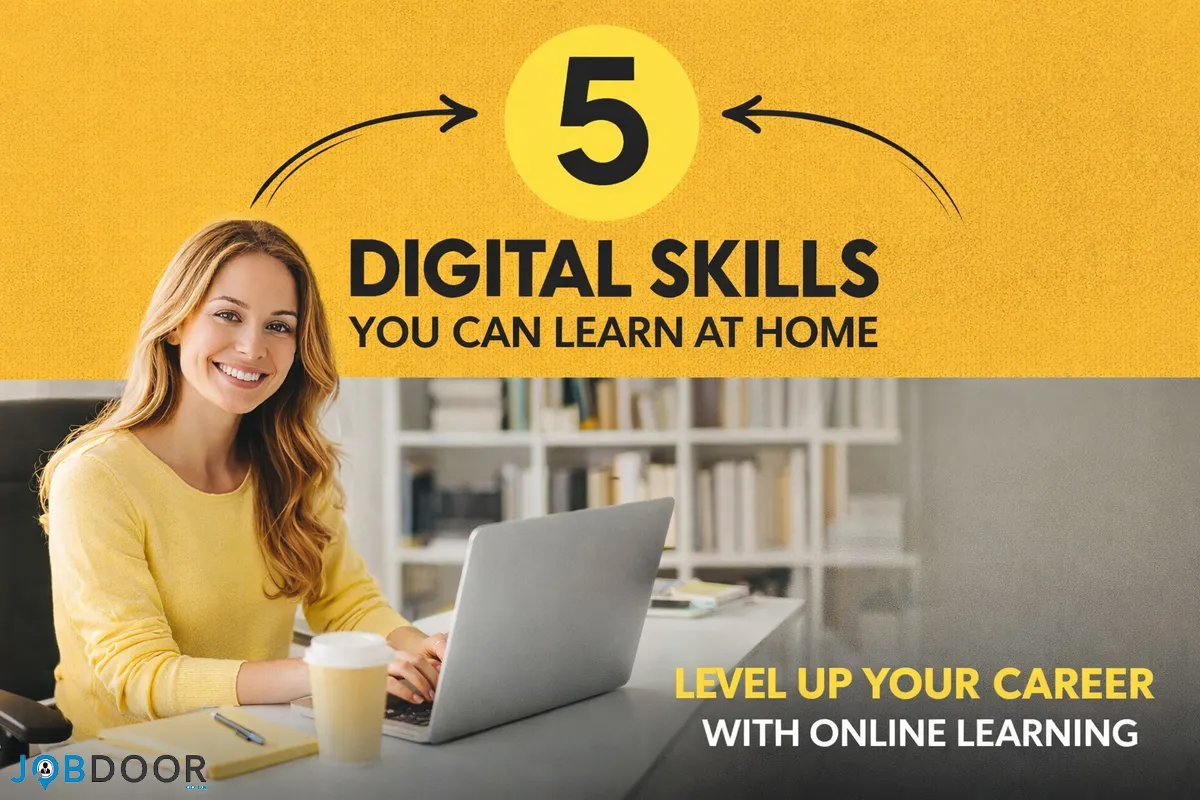
In this guide, you’ll learn 5 overlooked digital skills you can learn at home, why they matter, who they’re for, and how to start without overwhelm.
No buzzwords. No trend-chasing. Just practical direction.
Why “Popular Skills” Are Becoming Harder to Monetize?
Let’s be honest for a moment.
Popular skills aren’t useless—but they are crowded.
When everyone learns the same thing:
- Prices drop
- Competition rises
- Anxiety increases
That’s why the smarter move today is not popular skills, but supporting, system-level skills.
Skills that:
- Sit behind the scenes
- Are hard to replace
- Are learned by fewer people
That’s where stability lives.
1. No-Code Automation (Making Tools Talk to Each Other):
What This Skill Really Is?
No-code automation means connecting apps so work happens automatically, without writing code.
Example:
- When someone fills a form → data goes to a spreadsheet → email is sent automatically.
Tools do the work. You design the flow.
Why This Skill Is Powerful (and Ignored)?
Most people:
- Hate repetitive tasks
- Don’t know automation exists
- Think it requires programming
It doesn’t.
Businesses lose hours daily on manual work. Automation fixes that quietly.
Tools You’d Learn:
- Zapier
- Make (formerly Integromat)
- Airtable
Who This Skill Is Perfect For?
- Organized thinkers
- Process lovers
- People who enjoy efficiency
This skill pays well because it saves time, not because it looks creative.
2. Data Cleanup & Organization (The Skill Nobody Wants—but Everyone Needs):
What It Is?
This skill involves:
- Cleaning messy spreadsheets
- Organizing data
- Removing duplicates
- Making information usable
Not analysis. Not coding. Just clarity.
Why This Skill Is Underrated?
Data is everywhere.
Clean data is rare.
Most businesses have information—but it’s unusable. They need someone who can bring order.
Why Beginners Can Learn This Easily?
- Learn Google Sheets or Excel basics
- Practice sorting, filtering, formatting
- Build patience and precision
It’s calm work. Focused work.
And surprisingly valuable.
3. AI Prompt Design (Talking to AI the Right Way):
What This Skill Actually Is
AI prompt design means knowing how to ask AI tools the right questions to get high-quality results.
Most people type vague prompts and get poor outputs.
A prompt designer:
- Structures instructions clearly
- Adds context
- Guides outcomes
Why This Is a New Opportunity?
AI tools are everywhere now.
But most people use them badly.
Those who know how to guide AI properly save:
- Time
- Money
- Effort
This skill is about thinking clearly, not being technical.
Who This Is For?
- Writers
- Managers
- Researchers
- Anyone working with AI tools daily
It’s a thinking skill. And thinking skills age well.
4. Digital Product Operations (Running the Backend Nobody Sees):
What This Skill Means?
Digital product operations involves managing:
- Product uploads
- File organization
- Customer access
- Updates and versions
It’s the engine room behind online products.
Why This Skill Is Rare?
Everyone wants to:
- Create
- Sell
- Promote
Very few want to maintain systems.
But creators desperately need help keeping things running smoothly.
What You’d Learn?
- File management
- Platform dashboards
- Version control (simple, not technical)
- Customer access workflows
This skill brings stability and long-term work.
5. Knowledge Management (Turning Information Into Systems):
What Is Knowledge Management?
It’s the skill of:
- Organizing notes
- Structuring information
- Building personal or team knowledge systems
Think:
- Notion dashboards
- Documentation systems
- Learning libraries
Why This Skill Is Becoming Valuable?
Information overload is real.
People don’t lack information.
They lack structure.
Those who can turn chaos into clarity are quietly in demand.
Who This Is Perfect For?
- Deep thinkers
- Note-takers
- People who love systems
It’s not loud work. But it’s respected work.
How to Choose the Right “Unpopular” Skill for You?
Ask yourself:
- Do I enjoy structure or creativity?
- Do I prefer solving problems quietly?
- Do I like improving systems?
Choose the skill that feels mentally calm, not exciting.
Calm skills are sustainable skills.
A Simple Learning System:
Use this 3–2–1 system:
- 3 days a week: learning
- 2 days a week: practice
- 1 day a week: review
Track:
- What confused you
- What clicked
- What improved
This reduces anxiety and builds confidence naturally.
Why These Skills Give You an Advantage?
These skills:
- Have less competition
- Are harder to replace
- Support other roles
- Age well over time
They don’t depend on trends.
They depend on thinking and structure.
Conclusion:
The internet rewards noise.
The real world rewards reliability.
You don’t need another popular skill.
You need one overlooked skill you can grow steadily.
Pick one from this list.
Learn it slowly.
Apply it calmly.
That’s how real careers are built—without panic.
👉 Choose the skill that feels boring but useful. Start today.
“AI Sounds Important… But Is It Really for Me?”
Let’s be honest.
When you hear Artificial Intelligence, what comes to mind?
Complex math? Coding? Long hours? Expensive courses?
You’re not wrong to feel confused or even intimidated.
Many students and beginners think free AI courses are low quality, too technical, or a waste of time. Some even tried one before… and quietly quit halfway.
Here’s the truth most people don’t tell you:
You don’t need to be smart, technical, or experienced to learn AI. You just need the right starting point.
In this guide, I’ll walk you through:
- What AI really means?
- The right mindset for learning AI without stress
- 9 genuinely free AI courses with certificates in 2026
- How to choose the right course for you
- How to track your progress and stay consistent
No jargon.
No pressure.
Just a clear path forward.
Let’s begin.
What Is AI?
Artificial Intelligence (AI) simply means teaching computers to think and learn like humans—at least a little.
AI is already around you:
- Google search suggestions
- YouTube recommendations
- Chatbots
- Face recognition on phones
- Spam email filters
You don’t need to build AI to benefit from it.
First, you just need to understand how it works and how it’s used.
That’s exactly what these free AI courses with certificates help you do.
The Right Mindset Before You Start Any AI Course:
Most beginners fail not because AI is hard—but because they start with the wrong mindset.
Common Fears (Totally Normal):
- “Free courses won’t be respected”
- “I’m not good at math”
- “I don’t have a technical background”
- “What if I don’t understand anything?”
Take a breath.
The Correct Beginner Mindset:
- You are learning concepts, not becoming a scientist
- Progress matters more than speed
- Certificates are proof of effort, not perfection
Think of AI like learning to drive.
You don’t start with a Formula 1 car.
You start with basics.
Why Free AI Courses with Certificates Are Worth It in 2026?
Let’s clear this doubt once and for all.
Yes, free AI courses can be valuable.
When they come from trusted platforms.
They help you:
- Understand AI fundamentals
- Improve your resume
- Build confidence
- Decide if AI is right for your career
And most importantly…
You lose nothing except time—and you gain clarity.
Now, let’s get to the list you came for.
9 Best Free AI Courses with Certificates in 2026:
Below are carefully chosen courses that are:
- Free (or free with certificate option)
- Beginner-friendly
- Recognized globally
- Easy to follow at your own pace
1. AI for Everyone – Andrew Ng:
Platform: Coursera
This is one of the best starting points for absolute beginners.
What You’ll Learn?
- What AI can and cannot do
- How AI is used in real businesses
- Common myths about AI
Why It’s Beginner-Friendly?
- No coding
- No math
- Pure concepts, explained simply
Certificate:
- Free to learn
- Certificate available via financial aid
Best for: Non-technical learners, students, managers
2. Introduction to Artificial Intelligence – IBM:
Platform: IBM (via Coursera)
What You’ll Learn?
- Basics of AI, ML, and deep learning
- AI use cases in real industries
- Ethics of AI
Key Highlights:
- Taught by a global tech company
- Beginner-level explanations
- Short modules
Certificate:
- Free with financial aid
Best for: Resume builders and corporate learners
3. Google AI for Beginners:
Platform: Google
Google offers simple learning paths under its AI initiative.
What You’ll Learn?
- Machine learning basics
- AI tools used by Google
- Real-world examples
Why It’s Powerful?
- Trusted brand
- Clean explanations
- Practical insights
Certificate:
- Free certificate available
Best for: Students and job seekers
4. Introduction to AI – Microsoft Learn:
Platform: Microsoft
What You’ll Learn?
- AI workloads
- Machine learning basics
- Responsible AI concepts
Why Beginners Love It?
- Short lessons
- Interactive learning
- Clear structure
Certificate:
- Free completion badge
Best for: Beginners who like step-by-step learning
5. AI Basics for Everyone – Udemy (Free):
Platform: Udemy
What You’ll Learn?
- AI terminology
- How AI impacts jobs
- Everyday AI tools
Things to Know:
- Certificate available
- Course quality varies (check ratings)
Best for: Casual learners and fast starters
6. Elements of AI:
Provider: University of Helsinki
This course is famous worldwide.
What You’ll Learn?
- How AI works
- Societal impact of AI
- Logical thinking behind AI
Why It’s Special?
- No coding required
- Used by governments and universities
- Extremely beginner-friendly
Certificate:
- Free certificate
Best for: First-time learners
7. AI Foundations – LinkedIn Learning:
Platform: LinkedIn
What You’ll Learn?
- AI fundamentals
- Career relevance
- Business use cases
Certificate:
- Free certificate during trial period
Best for: Professionals and fresh graduates
8. Machine Learning Crash Course:
Platform: Google Developers
What You’ll Learn?
- Core ML concepts
- Visual explanations
- Practical understanding
Note:
- Slightly technical
- Still beginner-friendly
Certificate:
- Free completion badge
Best for: Curious learners ready to go deeper
9. AI Ethics and Responsible AI:
Platform: Microsoft / IBM
What You’ll Learn?
- Ethical AI use
- Bias and fairness
- Real-world implications
Why It Matters?
AI is not just about technology—it’s about responsibility.
Certificate:
- Free
Best for: Students and future professionals
How to Choose the Right Free AI Course?
Ask yourself three simple questions:
- Do I want concepts or coding?
- Concepts → AI for Everyone
- Coding later → Google or IBM
- Do I need a certificate?
- Yes → Coursera, Microsoft, Google
- How much time can I give daily?
- 30 minutes is enough
👉 Choose ONE course. Not three.
Step-by-Step System to Complete Any AI Course Successfully:
Step 1: Block Small Time Slots
- 20–30 minutes a day
- Same time every day
Step 2: Learn, Don’t Rush
- Pause videos
- Take notes
- Rewatch if needed
Step 3: Apply Light Learning
- Explain concepts in your own words
- Share what you learn with a friend
Step 4: Finish and Claim Certificate
- Certificates boost confidence
- Add them to LinkedIn or resume
How to Track Your AI Learning Progress?
You don’t need fancy tools.
Just track:
- Course started
- Lessons completed
- Date finished
- Certificate earned
Use:
- A notebook
- Google Docs
- Notes app
Consistency beats intensity.
Common Mistakes Beginners Make (Avoid These):
- Starting too many courses
- Quitting halfway
- Comparing yourself to experts
- Expecting instant results
Remember:
You’re building knowledge, not racing.
Conclusion: Start Your AI Journey Today, Not “Someday”
AI is no longer optional.
But learning AI does not have to be hard, expensive, or scary.
With these 9 free AI courses with certificates in 2026, you now have:
- A clear starting point
- Trusted platforms
- Zero financial risk
- A step-by-step system to succeed
Don’t wait for confidence.
Confidence comes from starting.
Choose one free AI course today.
Spend just 20 minutes.
Finish what you start.
Your future self will thank you.
Start now. AI is waiting.

5 AI Tools for HR Professionals: Simplify Hiring & Management
Human Resources has always been about people. But today, HR professionals are expected to manage recruitment, employee engagement, performance tracking,...

How to Make Viral AI Solo Camping ASMR Videos?
Creating AI solo camping ASMR videos has become one of the fastest-growing content niches on YouTube and short-form platforms. Videos...

7 AI Tools Every Software Engineer Should Learn Before 2026
Artificial Intelligence is no longer a futuristic concept. It is already transforming how software is built, tested, and deployed. If...


How to Use SORA 2 to Create Viral Faceless YouTube Videos?
Have you ever wondered how some YouTube channels grow incredibly fast without ever showing a face on camera? You see...


Companies Pay $10K for This AI Masterclass: Learn the Skills That Are Reshaping the Future
Companies don’t pay for tools. They pay for systems, strategy, and transformation. A high-end AI masterclass teaches employees how to...
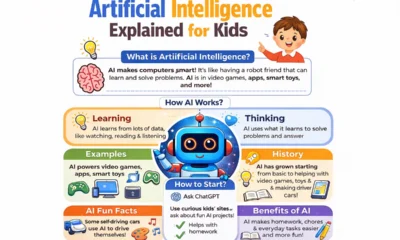

AI for Kids: The Fun and Easy Way to Understand Artificial Intelligence
Artificial Intelligence sounds like something from a science-fiction movie. Robots. Smart computers. Machines that think like humans. For many people,...


10 AI Myths and Facts Most People Still Believe (And the Truth Behind Them)
Artificial Intelligence is everywhere right now. You hear about it in the news. You see it in social media discussions....

5 Simple Things Successful People Do Before 8 AM
Have you ever wondered why some people seem to start their day full of energy, focus, and confidence? While others...
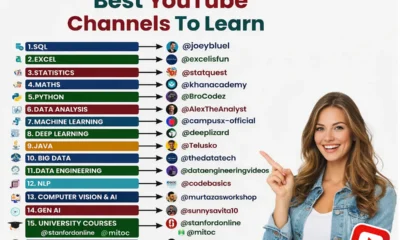

Best YouTube Channels to Learn Tech Skills for Free
Learning technology skills today is easier than ever. You don’t need expensive courses or a computer science degree anymore. YouTube...

12 Underrated Apps To Learn Something New Every Day
Let’s be honest. Most of us spend 3–5 hours a day on our phones. Scrolling social media. Watching random videos....

Google Launches Gemini 3.1 Pro: A Big Step Forward in Artificial Intelligence
Google has officially introduced Gemini 3.1 Pro, its newest and most powerful artificial intelligence model. This launch is part of...


How to Create Unlimited AI Videos in One Click for Free (2026 Guide)
Artificial Intelligence is changing how we create content online. Today, you don’t need expensive software, video editing skills, or hours...


How to Make AI Survival ASMR Videos in 2026: New Viral YouTube Niche
YouTube trends change very quickly. Every few months, a new content style appears and suddenly thousands of creators start using...


How to Run Meta Ads on a Small Budget ($100/Day Strategy That Actually Works)
Most businesses believe you need a huge advertising budget to get results from Meta Ads. That’s simply not true. In...

5 Free Facebook AI Tools to Solve 90% of Your Ad Problems
Running Facebook ads used to mean endless guesswork. You would test audiences manually, duplicate ad sets endlessly, refresh creatives every...

How to Automate Meta Ads Using Manus AI?
Meta Ads are evolving faster than ever. Manual optimization, endless A/B testing, creative fatigue, reporting stress — all of it...


How to Build Automated Online Income in 2026 – The “Sleepy” Side Hustle Blueprint
“Stop ignoring this.”“Boost your income.”“Get paid while you sleep.” You’ve seen headlines like that everywhere. Screenshots of large payouts. Smiling...


How to Sell on Amazon FBA in 2026: The Complete, Future-Proof Blueprint for Beginners & Growth Sellers
Amazon FBA (Fulfillment by Amazon) is no longer just a side-hustle trend. It’s a sophisticated eCommerce ecosystem where brand building,...

How to Outrank Your Competitors in ChatGPT? (2026 AI Guide)
You Google your brand inside ChatGPT… and nothing. Or worse — your competitors are everywhere. They’re recommended. They’re cited. They’re...


How to Get Instagram Followers with Meta Ads (Step-by-Step Funnel Strategy)
If your goal is to consistently add 20, 50, even 100+ new Instagram followers per day, and turn those followers...
-
 Career2 years ago
Career Opportunities for Seniors: 7 Jobs that are Perfect for Older Adults
-
 Money2 months ago
26 Lucrative Passive Income Ideas to Build Wealth in 2026
-
 Job Description2 years ago
Graphic Designer Job Description: Education, Salary, Skills, Work Hours
-

 Career1 year ago
5 Free Job Posting Sites in the UK (For Employers)
-

 News2 years ago
Students’ question to UK PM Rishi Sunak: “What if your kids started smoking?
-
 Career2 years ago
13 Best Jobs That AI Can’t Replace: A Guide to Future-proof Careers
-

 AI & Tools2 months ago
ChatGPT vs Copilot: Which AI Is Best for You in 2026?
-

 Career2 years ago
Standard Employment Contract Template Example for UK (Word & PDF)