
Career
Choose an Entry-Level Jobs Based on Your Personality and Skills
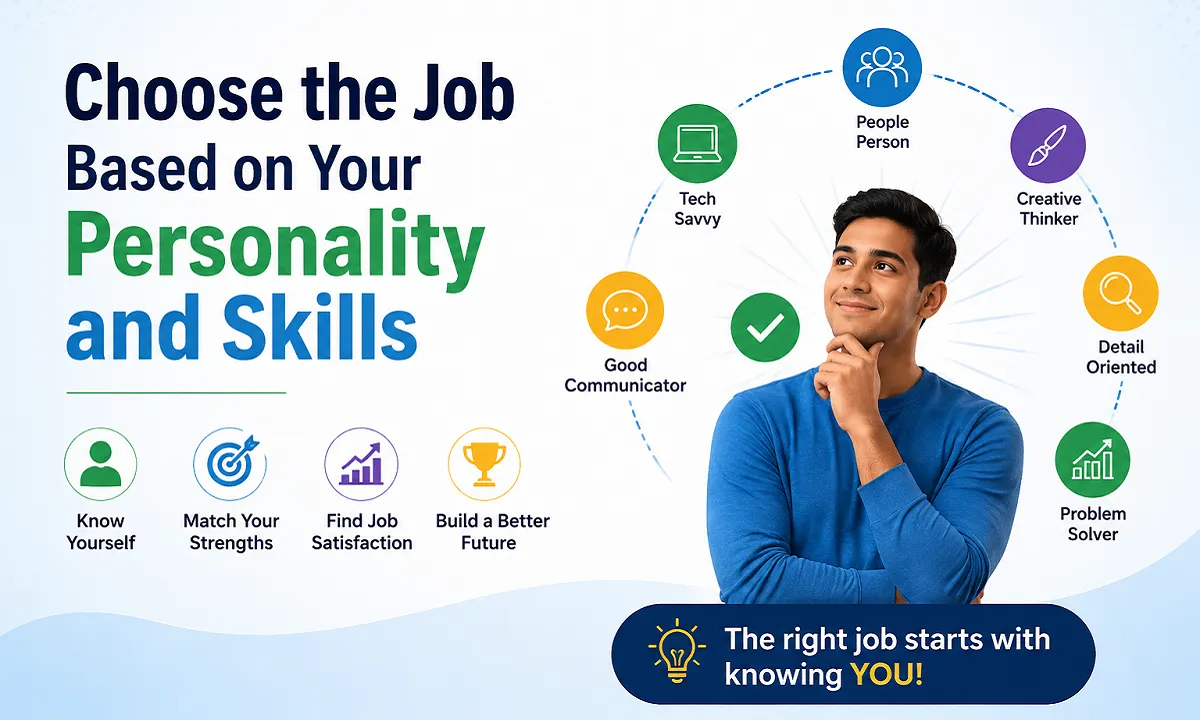
Choosing your first job can be confusing. There are hundreds of entry-level jobs in the UK, but the best option is not always the one that pays the most or appears easiest to get.
A job that suits one person may feel stressful or frustrating to another.
Some people enjoy talking to customers all day. Others prefer working quietly and independently. Some people enjoy solving problems, while others prefer practical work, creativity or helping people.
That is why your personality, natural strengths and preferred way of working can be useful starting points when choosing an entry-level job.
This guide can help you identify the types of jobs that may suit you based on your personality and skills.
Quick Guide: Choose an Entry-Level Job Based on Your Personality
| If You Are… | Entry-Level Jobs to Consider | Why It May Suit You |
|---|---|---|
| Outgoing and sociable | Customer Service Assistant, Sales Assistant, Receptionist | Regular interaction with people |
| Quiet and independent | Data Entry Clerk, Stock Assistant, Warehouse Operative | More focused and independent work |
| Caring and patient | Care Assistant, Healthcare Support Worker, Teaching Assistant | Helping and supporting others |
| Creative | Social Media Assistant, Digital Marketing Manager, Content Assistant | Opportunities to create and communicate ideas |
| Interested in technology | Junior IT Support, Technical Support Assistant | Problem-solving and working with technology |
| Highly organised | Administrative Assistant, Recruitment Administrator, Accounts Assistant | Planning, managing information and keeping things organised |
| Physically active | Warehouse Operative, Delivery Driver, Hospitality Assistant | More movement and practical work |
| A natural problem-solver | IT Support, Customer Support, Operations Assistant | Finding solutions to problems |
| Good with children | Teaching Assistant, Nursery Assistant | Supporting children’s learning and development |
| Interested in business | Sales Assistant, Admin Assistant, Junior Marketing Assistant | Understanding how organisations operate |
Remember, these are suggestions rather than strict rules. Your personality is only one factor when choosing a career.

1. If You Are Outgoing and Enjoy Talking to People:
Do you enjoy meeting new people? Are you comfortable starting conversations and helping others?
If so, jobs involving regular communication may suit you.
Customer Service Assistant:
Customer service assistants communicate with customers, answer questions and help solve problems.
This role may suit you if you:
- Enjoy talking to different people
- Are patient
- Can remain calm under pressure
- Like helping people find solutions
Possible career progression:
Customer Service Assistant → Senior Customer Service Adviser → Team Leader → Customer Service Manager
Sales Assistant:
Sales roles often involve speaking with customers, understanding their needs and helping them choose products or services.
This could suit you if you:
- Are confident communicating
- Enjoy meeting people
- Like working towards goals
- Are comfortable explaining products
Possible career progression
Sales Assistant → Sales Executive → Account Manager → Business Development Manager
Receptionist:
Receptionists are often the first people visitors speak to when entering a business.
You may greet visitors, answer calls and manage appointments.
This role could suit you if you are:
- Friendly
- Professional
- Organised
- Comfortable communicating with different people
Possible career progression:
Receptionist → Senior Receptionist → Administrative Assistant → Office Manager
Hospitality Assistant:
Hospitality roles involve helping guests and customers in hotels, restaurants, cafés and event venues.
This may suit you if you enjoy a busy environment and regular interaction with people.
2. If You Are Quiet and Prefer Working Independently:
Not everyone enjoys spending the entire day speaking with customers or working in large groups.
If you prefer focused work and more independence, consider jobs where concentration and attention to detail are important.
Data Entry Clerk:
Data entry work involves entering, checking and updating information.
This role may suit you if you:
- Prefer focused work
- Pay attention to detail
- Are comfortable using computers
- Enjoy organised tasks
Possible career progression:
Data Entry Clerk → Administrative Assistant → Data Administrator → Operations or Data Specialist
Stock Assistant:
Stock assistants help organise products and manage inventory.
Depending on the workplace, you may spend much of your time checking stock, organising deliveries and replenishing products.
This could suit you if you prefer practical work without constant customer interaction.
Warehouse Operative:
Warehouse work can suit people who prefer staying active and completing practical tasks.
Typical duties may include:
- Picking orders
- Packing products
- Organising stock
- Preparing deliveries
Possible career progression:
Warehouse Operative → Team Leader → Warehouse Supervisor → Logistics Manager
3. If You Enjoy Helping and Supporting Other People:
Some people find the greatest satisfaction in work that directly helps others.
If you are patient, caring and responsible, support-based careers may be worth considering.
Care Assistant:
Care assistants help people with everyday activities and provide practical support.
This role may suit you if you:
- Are patient
- Enjoy helping others
- Are responsible
- Can communicate with empathy
Possible career progression:
Care Assistant → Senior Care Worker → Specialist Support Role → Healthcare Career
Healthcare Support Worker:
Healthcare support workers assist patients and healthcare professionals.
This can be a good starting point for people interested in working in healthcare.
Teaching Assistant:
Teaching assistants support teachers and pupils in schools.
This role may suit you if you enjoy helping people develop and succeed.
You may help:
- Individual students
- Small groups
- Classroom activities
- Children with additional needs
Nursery Assistant:
Nursery assistants help care for young children and support their early learning.
This may suit people who are patient, energetic and comfortable working with children.
4. If You Are Creative and Enjoy Sharing Ideas:
If you enjoy writing, creating content, thinking of ideas or working with digital platforms, creative entry-level jobs may suit you.
Social Media Assistant:
Social media assistants help businesses manage their presence on platforms such as Instagram, Facebook, LinkedIn and TikTok.
You may help with:
- Creating posts
- Scheduling content
- Responding to messages
- Monitoring engagement
Possible career progression:
Social Media Assistant → Social Media Executive → Social Media Manager → Digital Marketing Manager
Junior Digital Marketing Assistant:
Digital marketing assistants support online marketing campaigns.
You may gain experience in:
- Social media
- SEO
- Content
- Email marketing
- Online advertising
This role may suit you if you enjoy both creativity and technology.
Content Assistant:
Content assistants may support the creation and organisation of written, visual or digital content.
This can be suitable for people who enjoy writing, researching and communicating ideas.
5. If You Enjoy Technology and Solving Technical Problems:
Technology careers can offer strong long-term opportunities, but not every job requires you to be an expert before you start.
Some entry-level positions allow you to develop skills while working.
Junior IT Support Technician:
IT support workers help people solve basic technical problems.
You may assist with:
- Computer issues
- Software problems
- User accounts
- Basic technical troubleshooting
This role may suit you if you:
- Enjoy technology
- Like solving problems
- Are patient
- Are willing to keep learning
Possible career progression:
IT Support → Systems Administrator → Network Engineer → Cybersecurity or IT Management
Technical Support Assistant:
Technical support roles often involve helping customers or employees solve technology-related problems.
This could suit you if you enjoy both technology and communication.
Digital Operations Assistant:
Digital operations roles can involve supporting the systems and processes that help an organisation operate.
This may suit someone who enjoys technology but also likes organised business processes.
6. If You Are Highly Organised:
Some people naturally enjoy planning, arranging information and making sure everything runs smoothly.
If this sounds like you, administrative and operational roles could be a good fit.
Administrative Assistant:
Administrative assistants support offices and teams.
Typical tasks may include:
- Managing documents
- Answering emails
- Updating records
- Scheduling meetings
- Organising information
Possible career progression:
Administrative Assistant → Senior Administrator → Office Manager → Operations Manager
Junior Recruitment Administrator:
Recruitment administrators support businesses during the hiring process.
You may help organise applications, schedule interviews and communicate with candidates.
This could suit you if you enjoy organisation and communication.
Junior Accounts Assistant:
Accounts assistants help with basic financial administration.
This may suit you if you:
- Are organised
- Pay attention to detail
- Are comfortable with numbers
With further training, this can lead to bookkeeping and accounting careers.
7. If You Prefer an Active Job:
Some people do not want to spend every day sitting at a desk.
If you prefer movement and practical work, consider physically active entry-level roles.
Warehouse Operative:
Warehouse roles often involve moving products and preparing orders.
This may suit people who enjoy staying physically active during the working day.
Delivery Driver:
Delivery work involves travelling between locations and managing deliveries.
This can suit people who prefer independent work and do not want to remain in one workplace throughout the day.
Driving requirements depend on the type of vehicle and employer.
Hospitality Assistant:
Hospitality work can be physically active and fast-paced.
Depending on the role, you may spend much of the day moving between customers, tables or different areas of a venue.
8. If You Are a Natural Problem-Solver:
Do you enjoy finding answers when something goes wrong?
Problem-solving is useful across almost every industry.
However, some jobs make this skill a central part of the role.
Junior IT Support:
IT support involves identifying and resolving technical problems.
This may suit people who enjoy working through challenges step by step.
Customer Support Adviser:
Customer support workers regularly deal with problems that customers need help solving.
This could suit you if you enjoy:
- Listening
- Understanding problems
- Finding solutions
- Communicating clearly
Operations Assistant:
Operations assistants help solve practical problems within an organisation.
The role can involve improving processes, managing information and supporting different teams.
9. If You Enjoy Working With Children:
If you are patient, energetic and enjoy helping young people, education and childcare roles may be worth considering.
Teaching Assistant:
Teaching assistants work with teachers and pupils to support learning.
This may be suitable if you enjoy helping children improve and develop.
Nursery Assistant:
Nursery work focuses on supporting young children’s care, activities and early learning.
This could suit people who are caring, patient and comfortable working in an active environment.
10. If You Are Interested in Business and Career Growth:
Some people are interested in understanding how companies work and want a role that could eventually lead to management or specialist positions.
Sales Assistant:
Sales can help you develop skills in:
- Communication
- Negotiation
- Customer understanding
- Business development
Administrative Assistant:
Administration can provide an overview of how an organisation operates.
You may work with different departments and develop useful workplace skills.
Junior Digital Marketing Assistant:
Marketing can provide opportunities to understand:
- Customers
- Business strategy
- Online promotion
- Brand communication
Personality-to-Job Scorecard:
Use this table as a quick starting point when comparing entry-level jobs.
| Personality Type | Best Job Matches | Why It May Suit You |
|---|---|---|
| People Person | Customer Service, Sales, Reception | Regular interaction with people |
| Independent Worker | Data Entry, Stock, Warehouse | More focused and practical work |
| Caring Person | Care Assistant, Healthcare Support | Directly helping and supporting others |
| Creative Thinker | Social Media, Digital Marketing, Content | Creating and communicating ideas |
| Tech Enthusiast | IT Support, Technical Support | Working with technology and solving problems |
| Organiser | Admin, Recruitment, Accounts | Managing tasks and information |
| Active Person | Warehouse, Delivery, Hospitality | More movement during the working day |
| Problem-Solver | IT Support, Customer Support, Operations | Identifying and solving challenges |
| Child-Friendly | Teaching Assistant, Nursery Assistant | Supporting children and young people |
| Business-Minded | Sales, Administration, Marketing | Understanding customers and organisations |
How to Choose the Right Entry-Level Job?
Personality can be useful when choosing a job, but it should not be the only thing you consider.
Before applying, think about the following.
1. Your Current Skills:
Look at what you can already do.
You may have developed useful skills through education, volunteering, hobbies or personal projects.
2. Your Long-Term Career Goals:
Your first job does not have to be your final career.
However, choosing a role that helps you develop useful skills can make future career moves easier.
For example, an entry-level IT support job could lead towards cybersecurity, networking or systems administration.
3. The Type of Working Environment You Prefer:
Ask yourself:
- Do I prefer working indoors or outdoors?
- Do I enjoy working with people?
- Would I prefer independent work?
- Do I like sitting at a desk?
- Do I want an active job?
Your answers can help narrow your options.
4. Working Hours:
Some jobs may involve:
- Weekends
- Evenings
- Shift work
- Early mornings
Consider whether the working pattern suits your lifestyle and other commitments.
5. Local Job Opportunities:
A job may sound suitable, but there also needs to be reasonable demand in your area.
Check job listings and apprenticeship opportunities near you.
Frequently Asked Questions:
Can personality really help you choose a job?
Yes, to an extent.
Understanding whether you enjoy people, technology, creativity, organisation or practical work can help you identify roles that may feel more comfortable.
However, personality should be combined with skills, qualifications, career goals and job availability.
What is the best entry-level job for an introvert?
There is no single answer.
However, roles involving focused or independent work may appeal to some introverted people, including data-related, stock, warehouse and technical support roles.
What is the best entry-level job for someone who enjoys talking to people?
Customer service, sales, reception and hospitality can be suitable options for people who enjoy regular communication.
What if I do not know what type of job suits me?
Start by identifying what you enjoy and what you dislike.
Think about whether you prefer:
People or independent work
Technology or practical work
Creativity or organisation
Active work or office work
You can also gain experience through temporary jobs, volunteering or apprenticeships before making a longer-term career decision.
Final Thoughts:
There is no single “best” entry-level job in the UK.
The right job depends on the type of work you enjoy, your existing skills, your lifestyle and where you want your career to go.
An outgoing person may enjoy customer service or sales, while someone who prefers focused work may feel more comfortable in IT support, data-related or operational roles.
The most important thing is to avoid choosing a job simply because other people think it is the best option.
Your first job should ideally give you experience, useful skills and a clearer understanding of the type of work that suits you.
Start by understanding your strengths, compare different roles and use your first job as a stepping stone towards the career you want to build.








Choose an Entry-Level Jobs Based on Your Personality and Skills
Choosing your first job can be confusing. There are hundreds of entry-level jobs in the UK, but the best option...


Python Interview Cheat Sheet: 30 Python Concepts You Should Know Before Your Next Coding Interview
Python is one of the most popular programming languages for beginners and professional developers. It is widely used in web...


AI Could Replace Millions of Entry-Level Jobs in the UK by 2035: Which Roles Are Most at Risk?
Artificial intelligence is changing the way people work across the UK. From customer service and administration to data processing and...


How to Get a Job When There Are Fewer Vacancies
Looking for a job can become much more frustrating when there are fewer vacancies available. You may be checking job...


Why Is It So Hard to Get a Job in the UK in 2026?
If you have been applying for jobs in the UK and getting very few replies, you are not alone. Many...


Entry-Level Jobs in the UK Compared: Pay, Difficulty, Stress and Career Growth
Starting your career can be confusing, especially when there are so many entry-level jobs available in the UK. While some...


Why Are Graduate Jobs Becoming Harder to Find in the UK?
Graduating from university is supposed to feel like the beginning of a new chapter. You finish your degree, prepare your...


30 Entry-Level Jobs in the UK for People With Little or No Experience
Finding your first job can feel difficult, especially when many vacancies ask for previous work experience. The good news is...


IBM Internship UK: A Complete Guide to Opportunities, Eligibility and How to Apply
An IBM internship can be an attractive opportunity for students and early-career candidates who want practical experience at a major...


How to Find Green Jobs in the UK: A Practical Guide for Job Seekers
Green jobs are becoming an important part of the UK employment market. As businesses, local authorities and industries focus more...


Top 10 Hosting Providers for Developers
Developers assess hosting differently from most other webmasters. While absolute costs and total disk space matter, the best web hosting...


Meta and Microsoft Announce Massive Layoffs
Big tech companies like Meta Platforms and Microsoft are reducing their workforce as they spend more money on artificial intelligence...


GPT-5.5 vs Claude: Nano Banana Killer & Claude’s New Design Tool
Artificial Intelligence is evolving at an incredible pace. Every few months, new models and tools are released that push the...


Moltbook: The First Social Network for AI Agents
Artificial Intelligence is evolving rapidly. We’ve moved from simple tools to powerful AI systems that can write, design, analyze, and...


Volkswagen Uses AI Agents to Transform Its Cars in China
The automotive industry is changing faster than ever before—and at the center of this transformation is Artificial Intelligence (AI). One...


AI Is Growing Faster Than You Think
Artificial Intelligence (AI) is no longer something we only see in movies or imagine about the future. It is already...


Could AI Eliminate Humans in the Next 10 Years?
Artificial Intelligence (AI) is advancing at an incredible speed. Every day, new tools, smarter systems, and powerful technologies are being...


Meet NEO: Your New Home Robot Buddy
Imagine coming home after a long day, and instead of doing chores, managing devices, or worrying about security, everything is...


You’ve Been Using AI the Hard Way: How to Use AI Efficiently?
Artificial Intelligence is one of the most powerful tools available today. Millions of people are using AI for writing, design,...


Master AI Engineering: 20 Key Concepts Explained Simply
Artificial Intelligence (AI) is no longer a futuristic idea—it is already shaping our daily lives. From voice assistants to recommendation...
-
 Career3 years ago
Career Opportunities for Seniors: 7 Jobs that are Perfect for Older Adults
-
 Jobs7 months ago
15 Best Second Jobs to Boost Your Income in the UK for 2026
-

 Career2 years ago
5 Free Job Posting Sites in the UK (For Employers)
-
 How-to7 months ago
How to Make Money with Google Gemini: Practical Methods Anyone Can Start
-
 How-to7 months ago
How to Build Passive Income and Wealth: 26 Lucrative Ideas
-

 AI & Tools7 months ago
10 Insane Ways Google Gemini Will Explode Your Productivity in 2026
-

 Job Description2 years ago
Support Worker Job Description: Qualifications, Skills, Salary, Working Hours
-

 AI & Tools7 months ago
ChatGPT vs Copilot: Which AI Is Best for You in 2026?