
Career
Break Free From Poverty Thinking & Build Real Wealth
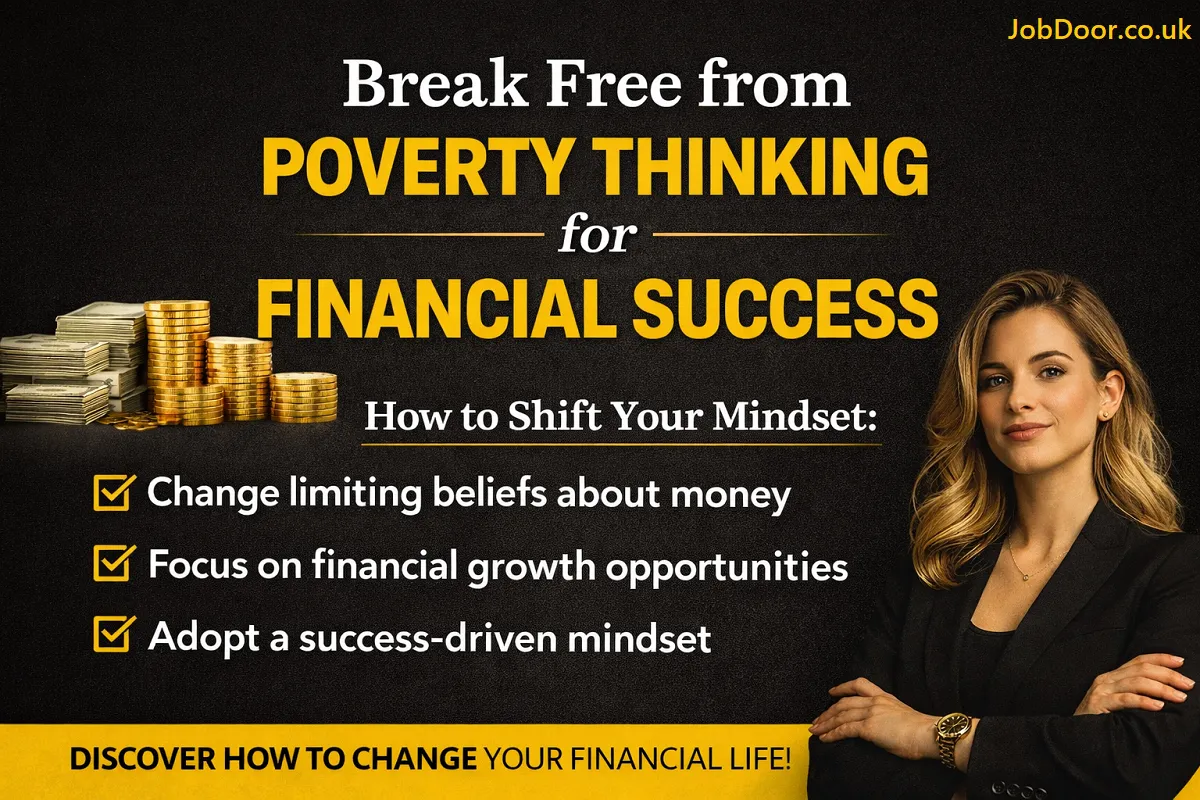
Many people work hard their entire lives yet struggle financially. The problem is not always income — often, it is mindset. A poverty mindset silently shapes decisions, limits opportunities, and keeps people trapped in survival mode instead of growth mode.
Shifting your thinking can be the turning point between financial stress and financial stability. When you begin to see money as a tool for growth rather than something scarce and stressful, your habits, opportunities, and results begin to change.
This guide explains how to break free from poverty thinking, adopt a wealth-building mindset, and create sustainable financial success.
What Is a Poverty Mindset?
A poverty mindset is a pattern of beliefs rooted in fear, scarcity, and limitation. It causes individuals to focus on short-term survival instead of long-term growth.
Common signs include:
- Constant fear of running out of money
- Avoiding investments due to risk anxiety
- Believing wealth is only for “lucky” people
- Living paycheck to paycheck without a plan
- Prioritizing consumption over asset building
This mindset is often shaped by upbringing, environment, financial struggles, and lack of financial education.
The good news is that mindset is learned — and anything learned can be unlearned and replaced.
Why Mindset Matters More Than Income?
Many high earners still struggle financially, while some moderate earners steadily build wealth. The difference lies in habits and thinking.
Your mindset influences:
- Spending behavior
- Risk tolerance
- Investment decisions
- Career growth choices
- Long-term financial planning
A growth-oriented financial mindset focuses on opportunities, skill development, and asset creation rather than immediate gratification.
Step 1: Challenge Limiting Money Beliefs
The first step toward financial success is identifying the beliefs holding you back.
Ask yourself:
- Do I believe money is hard to earn?
- Do I feel guilty wanting financial success?
- Do I think rich people are unethical?
- Do I fear losing money more than I value gaining it?
These beliefs create internal resistance that blocks financial progress.
How to replace limiting beliefs?
- Replace “I can’t afford it” with “How can I afford it?”
- Focus on learning instead of fearing mistakes
- Surround yourself with growth-oriented individuals
- Study successful people who built wealth ethically
Changing beliefs changes behavior — and behavior drives results.
Step 2: Focus on Financial Education
Traditional education rarely teaches practical money management. As a result, many people enter adulthood without understanding savings, investments, taxes, or asset building.
Financial education empowers you to make confident decisions.
Key areas to learn:
- Budgeting and cash flow management
- Debt management strategies
- Investing fundamentals
- Passive income ideas
- Asset vs liability understanding
Even 20 minutes of daily financial learning can dramatically improve long-term outcomes.
Step 3: Shift From Spending to Building Assets
One of the biggest differences between financially struggling individuals and financially successful ones is how money is used.
A poverty mindset prioritizes consumption:
- Upgrading lifestyle quickly
- Buying depreciating items
- Spending to impress others
A wealth mindset prioritizes asset creation:
- Investing in skills
- Building savings and investments
- Creating multiple income streams
Before making purchases, ask:
Will this increase my future income or reduce my financial stress?
This simple question can transform spending habits.
Step 4: Develop Long-Term Thinking
Short-term thinking keeps people trapped in cycles of financial stress. Long-term thinking builds security and freedom.
Instead of focusing only on monthly survival, begin planning for:
- Emergency funds
- Retirement savings
- Investment growth
- Career advancement
- Skill monetization
Small consistent actions over time create powerful financial momentum.
Step 5: Embrace Growth Opportunities
A poverty mindset avoids risk entirely, while a wealth mindset manages risk intelligently.
Growth opportunities may include:
- Learning new high-income skills
- Starting a side business
- Investing gradually
- Networking with growth-oriented individuals
- Taking calculated career risks
Progress rarely happens inside comfort zones.
The goal is not reckless risk — but informed, strategic growth.
Step 6: Build Confidence Around Money
Financial confidence grows through action and knowledge.
Start small:
- Track expenses for awareness
- Save consistently, even if amounts are small
- Learn one investment concept weekly
- Set achievable financial goals
Confidence reduces fear, and reduced fear improves decision-making.
Step 7: Surround Yourself With the Right Environment
Your environment strongly influences your mindset.
If surrounded by negativity, scarcity thinking, or fear of success, growth becomes harder.
Instead:
- Follow educational financial content
- Connect with growth-focused communities
- Read books on money psychology
- Limit exposure to comparison-driven social media
Your mental environment shapes your financial behavior.
Daily Habits That Strengthen a Wealth Mindset:
Consistent habits create lasting change.
Try incorporating:
- Daily financial learning
- Weekly budget reviews
- Monthly goal tracking
- Income diversification planning
- Gratitude for current progress
Small daily improvements create significant long-term transformation.
The Emotional Side of Financial Growth:
Breaking poverty thinking is not just about money — it is emotional.
It involves:
- Letting go of fear
- Healing financial stress patterns
- Building patience and discipline
- Learning delayed gratification
Financial success is as much psychological as it is practical.
Final Thoughts: Financial Freedom Starts in the Mind
Your financial future is not determined solely by income, background, or circumstances. It is heavily influenced by beliefs, habits, and decisions.
When you shift from scarcity to growth thinking:
- Opportunities become visible
- Confidence increases
- Smart risks feel manageable
- Long-term planning becomes natural
- Wealth building becomes achievable
Financial success is not an overnight transformation — it is a gradual process of mindset, learning, and consistent action.
The most powerful investment you can make is in your thinking.












How AI Is Changing Recruitment: What Job Seekers Should Expect
Artificial intelligence is changing recruitment, but not in the simple way many headlines suggest. Employers may use AI to organise...


How to Use AI to Identify Your Transferable Skills
Changing careers can feel difficult because job titles often make people focus on what they have not done instead of...

How to Use AI Responsibly When Applying for Jobs
AI can help job seekers save time when researching roles, improving a CV, preparing a cover letter and practising for...
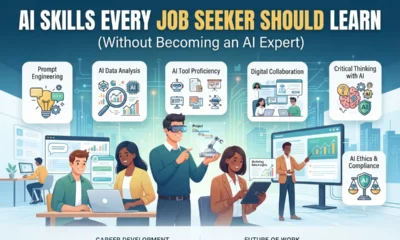

AI Skills Every Job Seeker Should Learn (Without Becoming an AI Expert)
Artificial intelligence is becoming part of everyday work in many industries. You do not need to become a programmer, data...


How to Get a Job in the UK: A Complete Step-by-Step Guide
Finding a job in the UK can feel difficult, especially when you are competing with many other applicants. The process...
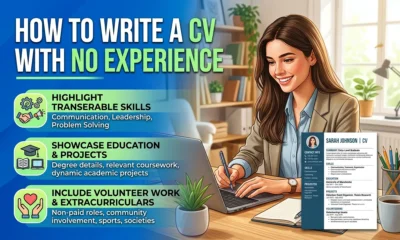

How to Write a CV With No Experience
Find out how to write a CV with no experience, what to include and how students, graduates and first-time job...


What Is a Job Description and What Should You Look For?
What is a job description? Understand what it means, what to look for and how to use it to decide...
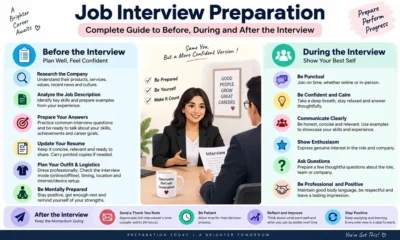

Job Interview Preparation: Complete Guide to Before, During and After the Interview
A complete job interview preparation guide covering common questions, competency answers, remote interviews, interview mistakes and what to do after...
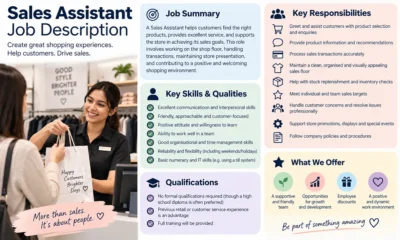

Sales Assistant Job Description: Duties, Skills, Salary and Career Guide UK
A Sales Assistant helps customers, processes purchases and supports the day-to-day running of a retail environment.


Web Developer Job Description: Duties, Skills, Salary and Career Guide UK
A Web Developer builds, maintains and improves websites and web applications. See the main duties, skills, qualifications, salary expectations and...
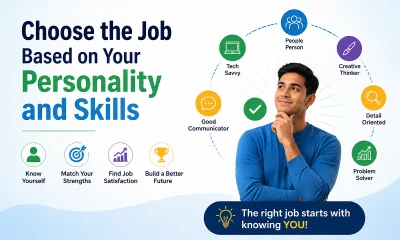

Choose an Entry-Level Job Based on Your Personality and Skills
Choosing your first job can be confusing. There are hundreds of entry-level jobs in the UK, but the best option...
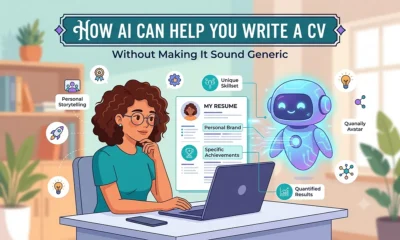

How AI Can Help You Write a CV Without Making It Sound Generic
Find out how to use AI to improve your CV, tailor your experience and write clearer applications without adding false...
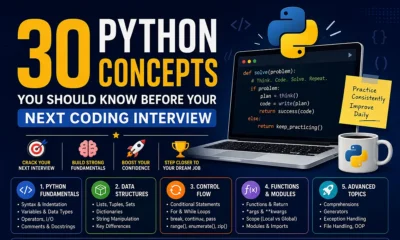

Python Interview Cheat Sheet: 30 Python Concepts You Should Know Before Your Next Coding Interview
Python is one of the most popular programming languages for beginners and professional developers. It is widely used in web...


AI Could Replace Millions of Entry-Level Jobs in the UK by 2035: Which Roles Are Most at Risk?
Artificial intelligence is changing the way people work across the UK. From customer service and administration to data processing and...


How to Get a Job When There Are Fewer Vacancies
Finding a job can become more difficult when fewer suitable vacancies are available. You may see the same roles repeatedly,...


How UK Job Seekers Can Use LinkedIn to Find More Job Opportunities
Use LinkedIn more effectively in your UK job search with practical advice on improving your profile, finding jobs, networking and...


Why Is It So Hard to Get a Job in the UK?
If you have been applying for jobs in the UK and getting very few replies, you are not alone. Many...


Entry-Level Jobs in the UK Compared: Pay, Difficulty, Stress and Career Growth
Starting your career can be confusing, especially when there are so many entry-level jobs available in the UK. While some...


Why Are Graduate Jobs Becoming Harder to Find in the UK?
Graduating from university is supposed to feel like the beginning of a new chapter. You finish your degree, prepare your...

Why Good Candidates Fail Job Interviews: 10 Reasons You May Not Get the Job
Find out why good candidates can fail job interviews, what may affect an employer's decision and how to improve before...
-
 Career3 years ago
Career Opportunities for Seniors: 7 Jobs that are Perfect for Older Adults
-
 Jobs8 months ago
15 Best Second Jobs to Boost Your Income in the UK for 2026
-

 Career2 years ago
5 Free Job Posting Sites in the UK (For Employers)
-
 How-to8 months ago
How to Make Money with Google Gemini: Practical Methods Anyone Can Start
-
 How-to8 months ago
How to Build Passive Income and Wealth: 26 Lucrative Ideas
-

 AI & Tools8 months ago
10 Insane Ways Google Gemini Will Explode Your Productivity in 2026
-

 Job Description2 years ago
Support Worker Job Description: Duties, Skills, Salary and Career Guide UK
-

 AI & Tools8 months ago
ChatGPT vs Microsoft Copilot: Which AI Is Best for You?