
AI & Tools
How to Use AI Responsibly When Applying for Jobs
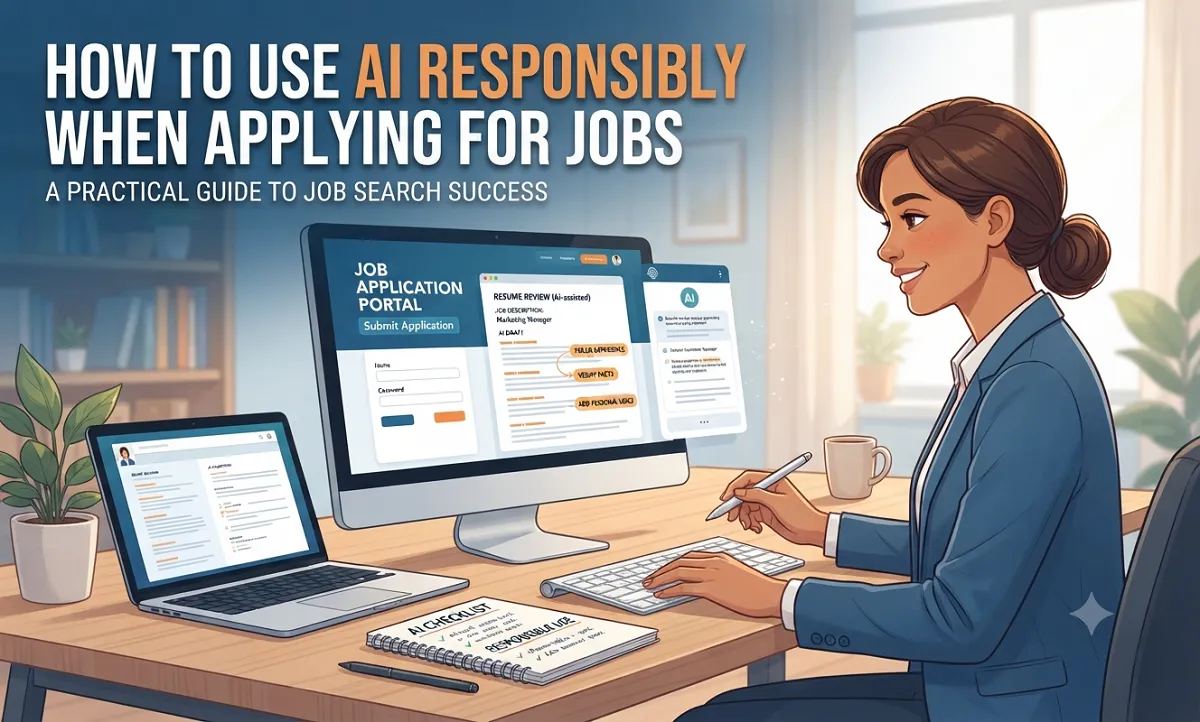
AI can help job seekers save time when researching roles, improving a CV, preparing a cover letter and practising for interviews. However, using AI during a job search also creates an important responsibility: the final application must remain accurate and genuinely represent you.
The best approach is to use AI as an assistant rather than as a replacement for your experience, judgement or effort. This guide explains how to use AI responsibly when applying for jobs while keeping your applications honest, personal and professional.
What Does Responsible AI Use Mean for Job Seekers?
Responsible use means using AI to support genuine work without allowing it to invent, exaggerate or misrepresent your background.
Before submitting anything created or improved with AI, you should be able to answer three questions:
- Is every important claim accurate?
- Does this genuinely represent my experience and abilities?
- Could I confidently explain this information in an interview?
If the answer to any of these questions is no, the content needs further work.
Good Ways to Use AI During a Job Search
Understanding a Job Description
AI can help organise a long job description into responsibilities, essential requirements and desirable skills. This can make it easier to understand what the employer is actually looking for.
You can ask AI to identify information already present in the description without adding assumptions.
Improving the Clarity of Your CV
AI can help make genuine experience easier to understand. It may suggest clearer wording, remove repetition or help organise information.
The facts must still come from you.
Creating a First Draft of a Cover Letter
AI can help you structure a first draft, but a strong cover letter should include your own reasons for applying and genuine examples from your background.
Preparing for Interviews
AI can generate practice questions, simulate follow-up questions and help you identify areas that need more preparation.
Use the tool to practise your own answers rather than memorising an AI-written script.
Organising Your Job Search
AI can help create application trackers, weekly plans and checklists. These are practical uses that can save time without affecting the truthfulness of your applications.
What You Should Never Ask AI to Invent
AI should not be used to create a false version of your professional background.
Never submit invented:
- Job titles
- Employers or employment dates
- Qualifications or certificates
- Professional skills you do not possess
- Projects you did not complete
- Achievements you cannot support
- References or professional relationships
AI can make invented information sound convincing. That does not make it true, and inaccurate claims can create serious problems later in the recruitment process.
Why AI Hallucinations Matter in Job Applications
AI tools can sometimes generate information that sounds plausible but is incorrect. This is often called a hallucination.
In a job application, even a small inaccurate detail can become a problem. An interviewer may ask you to explain an achievement or skill that you did not actually provide.
For this reason, never assume AI-generated details are correct simply because they sound professional.
Protecting Your Personal Information
Think carefully before pasting personal information into an AI tool.
Depending on the tool and your settings, information may be processed or stored in different ways. Avoid sharing unnecessary sensitive details, confidential employer information or private information about other people.
When preparing a CV or application, share only the information necessary for the task and follow the privacy requirements of the tools you use.
How to Keep an AI-Assisted CV Personal
A CV should sound professional, but it should also accurately reflect your career.
Use AI to improve presentation rather than replace your voice completely.
A good process is:
- Write down your real experience and achievements.
- Choose the information most relevant to the role.
- Ask AI to improve clarity or structure.
- Check every statement.
- Edit the final wording so it accurately reflects how you would explain your work.
Read our related guide: How AI Can Help You Write a CV Without Making It Sound Generic.
How to Avoid Generic AI Cover Letters
One of the biggest problems with AI-generated cover letters is that many of them use the same broad phrases.
Instead of asking AI to write everything from nothing, provide:
- The role you are applying for
- Your genuine relevant experience
- A specific reason you are interested in the opportunity
- The skills or examples you want to highlight
Then review the result carefully and remove anything that could apply equally to hundreds of applicants.
Should You Tell an Employer That You Used AI?
There is no single answer for every employer or application process. Requirements can vary.
If an employer, university or assessment specifically asks whether AI tools were used, answer honestly and follow the instructions provided.
In general, the most important principle is that you remain responsible for the final content you submit.
Using AI for Application Questions
Application questions are designed to help employers understand your experience and judgement.
AI can help you organise your thoughts, but the answer should be based on your own experience.
A useful approach is to write your main points first and then ask AI to help improve clarity. Check that the final answer still directly answers the question.
Using AI for Online Assessments
Be especially careful with assessments.
Employers may provide rules about the use of external tools. If instructions say that AI or other assistance is not permitted, you should follow those requirements.
Do not assume that AI use is acceptable simply because the tool is available.
How to Check AI Output Before Submitting
Use this simple review checklist:
- Check every job title and date.
- Check every qualification and skill.
- Remove exaggerated claims.
- Check that examples are genuinely yours.
- Remove generic language.
- Make sure the answer addresses the actual question.
- Read the final version aloud to see whether it sounds natural.
Responsible AI Prompts for Job Seekers
The wording of your prompt can help reduce the risk of inaccurate output.
For example:
“Improve the clarity of the following CV bullet points. Keep all facts exactly as provided. Do not invent achievements, responsibilities or skills.”
Or:
“Compare my genuine experience below with this job description. Identify relevant connections, but do not claim that I have experience or qualifications not included in my information.”
These instructions make it clear that AI should work with your existing information rather than create new facts.
Common Mistakes When Using AI for Job Applications
Submitting the First Draft
AI output is a starting point, not automatically a finished application.
Using the Same Content for Every Job
Tailor applications around the actual requirements of each role.
Trusting AI Research Without Verification
Check important information about employers, roles and industries using reliable sources.
Adding Skills Just Because AI Suggested Them
Only claim abilities you genuinely possess and can discuss.
Making the Application Sound Too Polished and Impersonal
Professional writing does not need to sound artificial. Simple and specific language is often more effective.
A Practical Responsible AI Workflow
Step 1: Do Your Own Initial Research
Read the vacancy and understand the employer before asking AI to assist.
Step 2: Provide Accurate Information
Give AI genuine details about your background and goals.
Step 3: Ask for a Specific Type of Help
Request support with clarity, structure, practice or organisation.
Step 4: Review the Output
Check facts and remove anything inaccurate or generic.
Step 5: Make the Final Decision Yourself
You are responsible for what you submit.
Related AI and Job Search Guides
- How to Use AI to Find a Job
- Best AI Prompts for Job Seekers
- How to Use AI for Interview Preparation
- AI Skills Every Job Seeker Should Learn
- How AI Is Changing Recruitment
Frequently Asked Questions
Is it okay to use AI to write a job application?
AI can be used as a writing and organisation assistant where permitted, but the final application should remain accurate and genuinely represent your own experience.
Can AI write my CV for me?
AI can help improve structure and wording, but you should provide the factual information and check every statement before using it.
Should I use AI during an online job assessment?
Follow the assessment rules. If external assistance or AI tools are not permitted, do not use them.
What is the biggest risk of using AI for job applications?
Submitting inaccurate, invented or generic information is one of the biggest risks. Always review the final content carefully.
Final Thoughts
AI can be a valuable job-search assistant when used carefully. It can save time, improve organisation and help you practise. However, it cannot take responsibility for your application.
Your experience, judgement and honesty remain central to a successful job search. Use AI to strengthen those qualities, not to replace them.


How to Use AI to Identify Your Transferable Skills
Changing careers can feel difficult because job titles often make people focus on what they have not done instead of...

How to Use AI Responsibly When Applying for Jobs
AI can help job seekers save time when researching roles, improving a CV, preparing a cover letter and practising for...

AI Skills Every Job Seeker Should Learn (Without Becoming an AI Expert)
Artificial intelligence is becoming part of everyday work in many industries. You do not need to become a programmer, data...


How to Get a Job in the UK: A Complete Step-by-Step Guide
Finding a job in the UK can feel difficult, especially when you are competing with many other applicants. The process...

How to Write a CV With No Experience
Find out how to write a CV with no experience, what to include and how students, graduates and first-time job...


What Is a Job Description and What Should You Look For?
What is a job description? Understand what it means, what to look for and how to use it to decide...
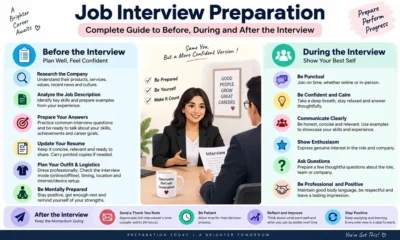

Job Interview Preparation: Complete Guide to Before, During and After the Interview
A complete job interview preparation guide covering common questions, competency answers, remote interviews, interview mistakes and what to do after...
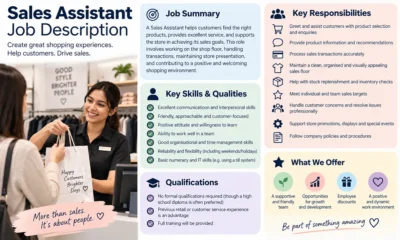

Sales Assistant Job Description: Duties, Skills, Salary and Career Guide UK
A Sales Assistant helps customers, processes purchases and supports the day-to-day running of a retail environment.


Web Developer Job Description: Duties, Skills, Salary and Career Guide UK
A Web Developer builds, maintains and improves websites and web applications. See the main duties, skills, qualifications, salary expectations and...
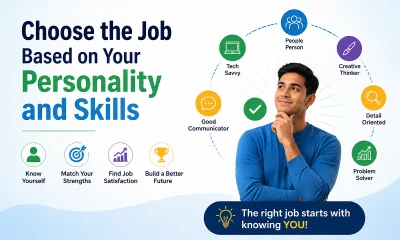

Choose an Entry-Level Job Based on Your Personality and Skills
Choosing your first job can be confusing. There are hundreds of entry-level jobs in the UK, but the best option...
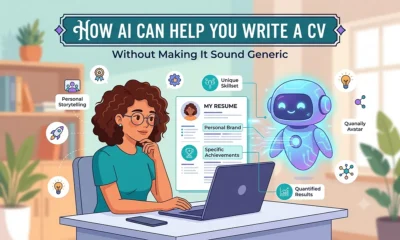

How AI Can Help You Write a CV Without Making It Sound Generic
Find out how to use AI to improve your CV, tailor your experience and write clearer applications without adding false...
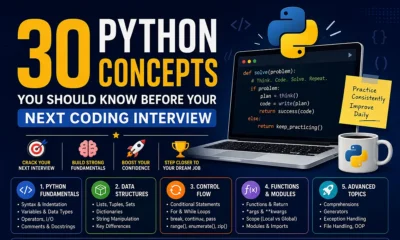

Python Interview Cheat Sheet: 30 Python Concepts You Should Know Before Your Next Coding Interview
Python is one of the most popular programming languages for beginners and professional developers. It is widely used in web...
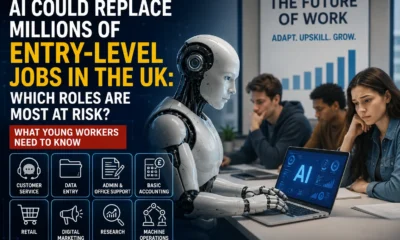

AI Could Replace Millions of Entry-Level Jobs in the UK by 2035: Which Roles Are Most at Risk?
Artificial intelligence is changing the way people work across the UK. From customer service and administration to data processing and...

How to Get a Job When There Are Fewer Vacancies
Finding a job can become more difficult when fewer suitable vacancies are available. You may see the same roles repeatedly,...


How UK Job Seekers Can Use LinkedIn to Find More Job Opportunities
Use LinkedIn more effectively in your UK job search with practical advice on improving your profile, finding jobs, networking and...


Why Is It So Hard to Get a Job in the UK?
If you have been applying for jobs in the UK and getting very few replies, you are not alone. Many...


Entry-Level Jobs in the UK Compared: Pay, Difficulty, Stress and Career Growth
Starting your career can be confusing, especially when there are so many entry-level jobs available in the UK. While some...


Why Are Graduate Jobs Becoming Harder to Find in the UK?
Graduating from university is supposed to feel like the beginning of a new chapter. You finish your degree, prepare your...

Why Good Candidates Fail Job Interviews: 10 Reasons You May Not Get the Job
Find out why good candidates can fail job interviews, what may affect an employer's decision and how to improve before...


30 Entry-Level Jobs in the UK for People With Little or No Experience
Finding your first job can feel difficult, especially when many vacancies ask for previous work experience. The good news is...
-
 Career3 years ago
Career Opportunities for Seniors: 7 Jobs that are Perfect for Older Adults
-
 Jobs8 months ago
15 Best Second Jobs to Boost Your Income in the UK for 2026
-

 Career2 years ago
5 Free Job Posting Sites in the UK (For Employers)
-
 How-to8 months ago
How to Make Money with Google Gemini: Practical Methods Anyone Can Start
-
 AI & Tools7 months ago
10 Insane Ways Google Gemini Will Explode Your Productivity in 2026
-

 Job Description2 years ago
Support Worker Job Description: Duties, Skills, Salary and Career Guide UK
-

 AI & Tools7 months ago
ChatGPT vs Microsoft Copilot: Which AI Is Best for You?
-

 Career3 years ago
13 Best Jobs That AI Can’t Replace: A Guide to Future-proof Careers