
Jobs
Best Remote Job Sites: Where to Find Legitimate Work-from-Home Jobs
Find legitimate remote job sites for full-time, freelance and flexible work, plus practical tips for searching, applying and avoiding remote job scams.

Remote work can give job seekers access to opportunities beyond their local area, but finding a legitimate remote role can take time. The right job board can make the search more focused by helping you filter roles by skills, industry, location and employment type.
Instead of applying to every remote vacancy you see, use a small number of relevant platforms and combine them with direct company applications and professional networking.
Best Remote Job Sites to Use
These platforms serve different types of job seekers. Some focus mainly on remote work, while others are broader freelance, startup or professional platforms.
1. FlexJobs
FlexJobs focuses on flexible, remote and freelance opportunities. It can be useful for people who want a more focused search rather than browsing a general job board.
Best for: Remote, flexible and freelance roles across multiple industries.
2. Remote.co
Remote.co is built around remote work and includes roles across areas such as customer service, marketing, design, technology and other professional fields.
Best for: Job seekers who want a remote-focused job board.
3. We Work Remotely
We Work Remotely is a well-known remote job board with opportunities across technology, customer support, marketing, design and other categories.
Best for: Professionals looking for remote-first opportunities.
4. Remote OK
Remote OK lists remote opportunities and provides filters that can help job seekers narrow results by role and other criteria.
Best for: People searching across a broad range of remote roles, particularly digital and technology positions.
5. Upwork
Upwork is primarily a freelance marketplace rather than a traditional remote employment board. It can be useful if you want project-based work, contract assignments or a way to build experience before moving into a longer-term role.
Best for: Freelancers and professionals offering specific services.
6. Freelancer
Freelancer connects clients with professionals for project-based work across areas such as writing, design, marketing, development and business services.
Best for: Freelancers looking for individual projects and contract work.
7. Wellfound
Wellfound focuses on startup careers. Many startup employers offer remote or distributed positions, making the platform useful for people interested in smaller, fast-moving companies.
Best for: Job seekers interested in startups and technology companies.
8. Virtual Vocations
Virtual Vocations focuses on telecommuting and remote opportunities across different professional categories. It can be useful for people who want a remote-focused search rather than a general employment site.
Best for: People searching for remote roles across multiple industries.
9. Dynamite Jobs
Dynamite Jobs is focused on remote opportunities and includes roles across areas such as marketing, operations, customer support, technology and other professional functions.
Best for: Professionals specifically targeting remote companies.
10. LinkedIn
LinkedIn is not a remote-only job board, but it is one of the most useful platforms for combining job search with professional networking. Use the remote-work filter, follow target employers and connect with relevant recruiters or hiring managers.
Best for: Job seekers who want to combine applications, networking and employer research.
Which Remote Job Site Should You Use?
| Platform type | Useful for | Best approach |
|---|---|---|
| Remote-focused job boards | Remote employment | Filter by your role and experience |
| Freelance marketplaces | Projects and contract work | Build a focused service profile |
| Startup platforms | Startup careers | Research the company before applying |
| Professional networks | Jobs and networking | Combine applications with direct outreach |
How to Search for Remote Jobs More Effectively
Using ten job boards at once can create more noise than useful opportunities. A better approach is to build a simple search system.
1. Choose Your Target Role
Start with two or three realistic job titles. For example, instead of searching for “any remote job,” you might search for remote customer support, junior business analyst or digital marketing roles.
2. Use Specific Keywords
Combine your job title with useful terms such as remote, work from home, distributed, hybrid or the specific skill you offer.
3. Check Location Restrictions
A job described as remote does not necessarily mean you can work from anywhere. Some employers require candidates to live in a particular country, region or time zone.
4. Research the Employer
Before applying, check the employer’s official website, job description and company information. Be cautious if a recruiter asks for money, sensitive personal information or unusual payment arrangements during the application process.
5. Tailor Your CV
Highlight the skills that match the job description. For remote positions, useful evidence can include independent work, communication, digital tools, project management and the ability to meet deadlines without constant supervision.
6. Track Your Applications
Keep a simple record of the company, role, application date, source, closing date and follow-up status. This prevents duplicate applications and makes follow-up easier.
How to Spot Remote Job Scams
Remote job searches require the same caution as any other job search, but online-only communication can make scams harder to identify.
- Be cautious if you are asked to pay money to get a job.
- Verify that the vacancy appears on the employer’s official website when possible.
- Be careful with requests for bank details or identity documents before a legitimate hiring process has reached the appropriate stage.
- Watch for unrealistic pay claims combined with very little information about the work.
- Do not download unknown software or open suspicious attachments simply because someone claims to be a recruiter.
- Research the employer and recruiter independently rather than relying only on information sent to you.
Remote Jobs Are Not Only for Technology Professionals
Many people associate remote work with software development, but remote roles exist across a much wider range of fields.
- Customer service
- Sales
- Marketing
- Recruitment
- Accounting and finance
- Administration
- Writing and editing
- Design
- Project coordination
- Business analysis
- Education and training
The important question is not simply whether a job can be done remotely. It is whether your skills match the work and whether the employer’s operating model supports remote employees.
Skills That Can Help You Get a Remote Job
Remote employers often look for evidence that candidates can work independently while communicating effectively with a team.
- Written communication: Clear emails, messages and documentation.
- Time management: The ability to organise work and meet deadlines.
- Digital literacy: Confidence using collaboration, communication and productivity tools.
- Problem-solving: The ability to handle routine issues without waiting for constant instructions.
- Collaboration: Working effectively with people in different locations and time zones.
- AI literacy: Using AI tools responsibly for research, drafting, analysis and repetitive tasks when appropriate.
For more career guidance, see our step-by-step guide to getting a job in the UK and our guide to using LinkedIn for job opportunities.
A Simple Weekly Remote Job Search Routine
- Choose a small set of target roles.
- Check two or three relevant job platforms.
- Save suitable vacancies rather than applying immediately to everything.
- Research each employer.
- Tailor your CV and application.
- Apply through the appropriate channel.
- Follow up where appropriate.
- Review which applications produced responses and improve your approach.
Frequently Asked Questions
What is the best website for finding remote jobs?
There is no single best site for everyone. Remote-focused boards can be useful for remote employment, while LinkedIn, startup platforms and freelance marketplaces serve different needs.
Are all jobs on remote job boards fully remote?
No. Some positions have location, country, time-zone or occasional office requirements. Always read the full job description before applying.
Can beginners find remote jobs?
Yes, although entry-level remote roles can be competitive. Focus on roles that match your current skills and show evidence of reliability, communication and independent work.
Should I use several remote job sites?
Yes, but keep the number manageable. Using a few relevant platforms consistently is usually better than trying to monitor every job board.
Final Thoughts
Remote job sites can make your search easier, but a successful remote job search requires more than finding a vacancy and clicking Apply.
Choose platforms that match your target role, check location requirements, research employers, tailor your applications and keep track of your progress. Most importantly, build skills that show you can communicate clearly, manage your time and deliver useful work independently.


How to Start a Career in Engineering in the UK
Thinking about engineering as a career in the UK? Here is a practical guide to engineering fields, qualifications, apprenticeships, skills,...


How to Start a Career in Cybersecurity in the UK
Thinking about a cybersecurity career in the UK? Here is a practical guide to skills, qualifications, entry-level roles, applications and...


How to Start a Career in Transport and Logistics in the UK
Planning a career in transport and logistics in the UK? See entry-level roles, apprenticeships, qualifications, skills and practical steps to...


Rolls-Royce Internship UK: Eligibility, Opportunities & How to Apply
Find Rolls-Royce internships in the UK with practical guidance on eligibility, opportunities, applications, assessments, skills and preparation.
JLR Internships in the UK: How to Find and Apply
Find JLR internships and undergraduate placements in the UK, with practical guidance on eligibility, applications, career areas, assessments and preparation.


Technology Internships in the UK: How to Find and Prepare
Find technology internships in the UK with practical guidance on choosing a tech career area, building skills, finding employers and...


Deloitte Internship UK: How to Apply and Prepare
A practical guide to Deloitte internships in the UK, covering programmes, eligibility, applications, assessments, skills, student visas and preparation.


How to Prepare for a Remote Interview: Complete Guide
Prepare for a remote or video interview with practical advice on technology, camera setup, communication, notes and handling technical problems.

How to Stay Employable: 12 Long-Term Career Strategies
No one can guarantee permanent employment. Employers change, industries evolve and personal circumstances can affect a career at any stage....


How AI Is Changing Recruitment: What Job Seekers Should Expect
Artificial intelligence is changing recruitment, but not in the simple way many headlines suggest. Employers may use AI to organise...


How to Use AI to Identify Your Transferable Skills
Changing careers can feel difficult because job titles often make people focus on what they have not done instead of...

How to Use AI Responsibly When Applying for Jobs
AI can help job seekers save time when researching roles, improving a CV, preparing a cover letter and practising for...


AI Skills Every Job Seeker Should Learn (Without Becoming an AI Expert)
Artificial intelligence is becoming part of everyday work in many industries. You do not need to become a programmer, data...


How to Get a Job in the UK: A Complete Step-by-Step Guide
Finding a job in the UK can feel difficult, especially when you are competing with many other applicants. The process...


How to Write a CV With No Experience
Find out how to write a CV with no experience, what to include and how students, graduates and first-time job...


What Is a Job Description and What Should You Look For?
What is a job description? Understand what it means, what to look for and how to use it to decide...
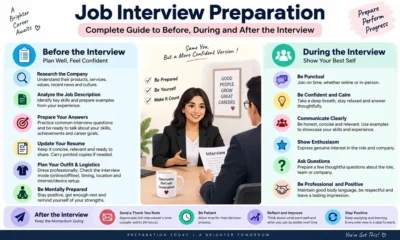

Job Interview Preparation: Complete Guide to Before, During and After the Interview
A complete job interview preparation guide covering common questions, competency answers, remote interviews, interview mistakes and what to do after...
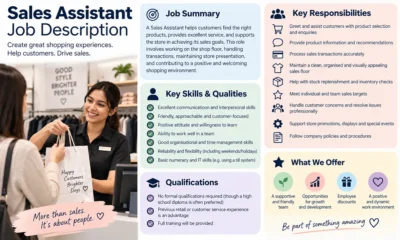

Sales Assistant Job Description: Duties, Skills, Salary and Career Guide UK
A Sales Assistant helps customers, processes purchases and supports the day-to-day running of a retail environment.


Web Developer Job Description: Duties, Skills, Salary and Career Guide UK
A Web Developer builds, maintains and improves websites and web applications. See the main duties, skills, qualifications, salary expectations and...
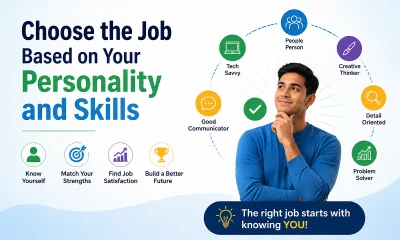

Choose an Entry-Level Job Based on Your Personality and Skills
Choosing your first job can be confusing. There are hundreds of entry-level jobs in the UK, but the best option...
-
 Career3 years ago
Career Opportunities for Seniors: 7 Jobs that are Perfect for Older Adults
-
 Jobs8 months ago
Second Jobs in the UK: 15 Practical Ways to Earn Extra Income
-

 Career2 years ago
5 Free Job Posting Sites in the UK (For Employers)
-
 How-to8 months ago
How to Use Google Gemini for Freelance Work and Career Skills
-
 How-to8 months ago
Passive Income Ideas: Build Long-Term Income Streams
-

 AI & Tools8 months ago
How to Use Google Gemini for Productivity at Work
-

 Job Description2 years ago
Support Worker Job Description: Duties, Skills, Salary and Career Guide UK
-

 AI & Tools8 months ago
ChatGPT vs Microsoft Copilot: Which AI Is Best for You?