
Career
How to Start a Career in Science and Research in the UK
Planning a science or research career in the UK? Compare career paths, qualifications, apprenticeships, skills and practical ways to get started.
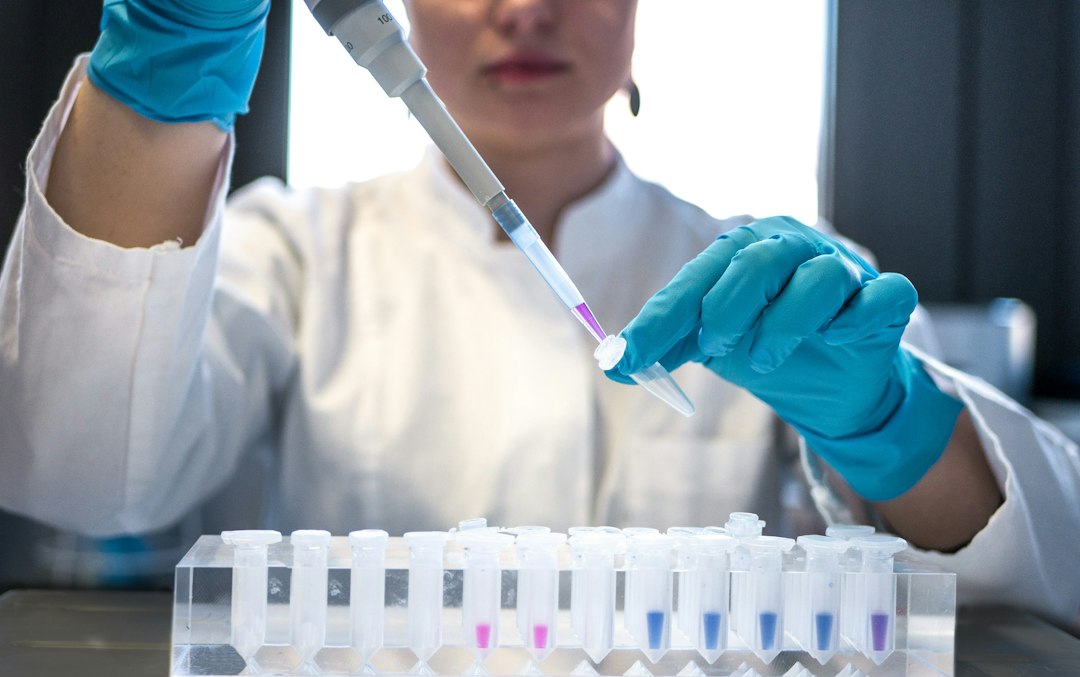
If you enjoy asking questions, solving problems, working with evidence or understanding how things work, a career in science and research could be a strong option. The UK science and research sector covers laboratories, universities, healthcare, pharmaceuticals, environmental work, manufacturing, government and many other areas.
You do not have to follow one fixed route. University is common for professional research roles, but apprenticeships, college courses, laboratory technician jobs and work-based routes can also help you build a career.
This guide explains how to start a career in science and research in the UK, which jobs you can consider, what qualifications and skills may be useful, and how to gain experience.
What Does a Career in Science and Research Include?
Research Scientist
Research scientists plan experiments, investigate scientific questions, analyse results and communicate their findings. The National Careers Service lists university study, apprenticeships and work-based routes, with many research scientists continuing to postgraduate study such as a PhD.
Laboratory Technician
Laboratory technicians carry out tests on samples for scientific research, product development and medical diagnosis. Routes include university or college study, apprenticeships and direct application.
Biology and Life Sciences
Biology careers can cover areas such as genetics, ecology, microbiology, biotechnology and biomedical research. Biologists can also start through laboratory work and progress through further study.
Clinical and Healthcare Science
Clinical scientists use science in healthcare and can work in areas such as pathology, genetics, imaging and other specialist services. Routes can include higher, degree and postgraduate apprenticeships as well as university study.
Environmental and Applied Science
Science skills are also used in environmental monitoring, pollution testing, food science, materials, energy and other applied fields. The National Careers Service has a dedicated science and research category covering a wide range of roles.
Popular Science and Research Jobs in the UK
| Career area | Example roles | Useful strengths |
|---|---|---|
| Research | Research scientist, research assistant, scientific officer | Analysis, problem solving, scientific writing |
| Laboratories | Laboratory technician, laboratory assistant | Accuracy, practical skills, safety |
| Biology | Biologist, microbiologist, ecologist | Science knowledge, research, observation |
| Healthcare science | Clinical scientist, healthcare science roles | Science, analysis, teamwork |
| Environment | Environmental scientist, geotechnician | Data, fieldwork, problem solving |
| Applied science | Materials, quality control and technical roles | Testing, data, attention to detail |
Do You Need a Degree for a Science Career?
It depends on the role. Many professional scientist and research positions require a relevant degree, while technician roles can have more flexible entry routes.
For research scientist roles, a science degree is usually expected and many scientists continue to postgraduate study.
For laboratory technician roles, options include foundation degrees, higher national diplomas, degrees, college courses and apprenticeships.
Before choosing a course, check several current job adverts for the career you want. This can help you avoid spending time and money on qualifications that are not relevant to your target role.
Consider a Science Apprenticeship
Apprenticeships can combine paid employment with structured study. Apprentices work as employees, receive a wage and spend part of their normal working time on training and study.
Science-related apprenticeships can range from laboratory technician routes to higher and degree-level scientific training. The official apprenticeship service highlights areas including laboratory science, environmental health and other health and science careers.
Research careers can also have advanced apprenticeship routes, including Scientist Level 6, Biomedical Scientist Level 6, Nuclear Scientist Level 6, Materials Science Technologist Level 6 and Research Scientist Level 7.
If you are considering an apprenticeship, search regularly because vacancies change throughout the year. Apprenticeship systems also differ across England, Scotland, Wales and Northern Ireland.
Build Experience Before Applying
Look for Laboratory Experience
College, university and research placements can help you understand laboratory routines, equipment, safety procedures and scientific record keeping.
Volunteer or Join Science Projects
Science clubs, environmental groups, community projects and university societies can give you useful examples of teamwork, investigation and communication.
Apply for Internships and Placements
Look for summer placements, industrial placements, research assistant opportunities and internships related to your subject. Even a short placement can help you understand which type of scientific work suits you.
Build a Small Evidence Portfolio
Scientists do not normally use a portfolio in the same way as designers, but you can keep evidence of relevant projects. This might include a research project, laboratory report, data analysis exercise, poster presentation, coding project or science communication work.
Skills You Should Build
Scientific Thinking
Learn to form questions, consider evidence, test ideas and draw conclusions carefully.
Data and Analysis
Basic statistics, spreadsheets and data visualisation are useful across many science jobs. Some roles may also require programming or specialist software.
Attention to Detail
Small errors can affect experiments, measurements and reports. Careful working is therefore important.
Communication
Scientists need to explain findings to colleagues, managers, customers, students or the public. Written and spoken communication both matter.
Teamwork
Modern research is often collaborative. You may work with scientists from different disciplines as well as technicians, engineers, healthcare professionals or business teams.
Digital Skills
Most scientific workplaces use computers for data, documentation and communication. Building confidence with spreadsheets, data tools and relevant software can improve your flexibility.
How to Choose the Right Science Career
Do not choose a scientific career only because you are good at a particular school subject. Think about the work you would actually like to do.
- If you enjoy experiments and investigation, consider laboratory or research work.
- If you like biology and living systems, consider life sciences or biomedical areas.
- If you prefer practical technical work, look at laboratory technician or applied science roles.
- If you care about environmental issues, consider environmental science and related careers.
- If you enjoy healthcare but prefer science to direct patient care, investigate healthcare science roles.
Read real job descriptions and compare daily tasks, qualifications, working environments and progression.
How to Write a CV for a Science Job
Keep your CV clear and evidence-based. Show employers what you have done rather than simply listing subjects you studied.
Include:
- A short profile matched to the role
- Relevant qualifications and training
- Laboratory, research or technical experience
- Projects and practical work
- Data, software and technical skills
- Work experience and volunteering
- Results or outcomes where you have measurable examples
For general CV advice, see Jobdoor’s guide on how to write a CV.
How to Find Your First Science or Research Job
- Choose a science area you want to target.
- Review current job adverts and note common requirements.
- Identify any qualification or skills gaps.
- Build relevant practical experience through projects, placements or volunteering.
- Prepare a focused CV.
- Search company, university, NHS, government and research organisation vacancies.
- Check apprenticeship opportunities if you want an earn-and-study route.
- Apply consistently and improve your applications from feedback.
Do not focus only on famous universities or large research organisations. Smaller laboratories, manufacturers, testing companies, environmental organisations and local employers can provide valuable experience.
Can You Move Into Science From Another Career?
Yes, although the route depends heavily on the job. A career changer may already have useful skills in data analysis, project management, technical work, communication or quality control.
Some roles may require a relevant science qualification, while others may allow you to build experience first and study alongside work. Research the exact requirements of your target role before deciding on a career-change course.
What Can You Expect From a Science Career?
Science work varies greatly. A laboratory technician may spend much of the day preparing samples and operating equipment, while a research scientist may spend more time designing experiments, analysing results and writing reports. Some roles involve shift work, fieldwork or protective clothing.
Research can also involve long projects and results that are uncertain. If you enjoy curiosity, careful testing and problem solving, that can be part of the appeal.
Common Mistakes to Avoid
- Choosing a degree without checking career requirements
- Assuming every science job requires a PhD
- Ignoring technician and apprenticeship routes
- Having no practical experience to discuss
- Listing technical skills without showing how you used them
- Applying only to famous organisations
- Using the same CV for every science role
- Ignoring communication and teamwork skills
FAQs About Starting a Science and Research Career in the UK
Can I work in science without a degree?
Yes. Technician roles and some apprenticeships can provide routes into science without starting with a university degree. The exact requirements depend on the role.
Do research scientists need a PhD?
Many research scientists continue to postgraduate study, but the exact requirement depends on the employer and research area.
Are science apprenticeships available in the UK?
Yes. Science and health apprenticeships include laboratory and other technical routes, while higher-level options can lead into professional scientific careers.
What is a good first science job?
Laboratory technician, laboratory assistant, trainee technician and research support roles can be useful starting points, depending on your qualifications.
Is science a good career for career changers?
It can be, especially when your existing skills transfer well. Start by checking the requirements of a specific role rather than assuming you need to start your career again from zero.
Final Thoughts
Starting a career in science and research in the UK can take several forms. You might go to university, take an apprenticeship, study at college, begin as a laboratory technician or build experience through placements and work.
The best route depends on the scientific area you want to enter. Choose the target role first, check its requirements, build relevant skills and gain practical experience wherever possible.


How to Start a Career in Science and Research in the UK
Planning a science or research career in the UK? Compare career paths, qualifications, apprenticeships, skills and practical ways to get...


How to Start a Career in Law in the UK
Thinking about a career in law? This guide explains UK legal career routes, qualifications, solicitor and barrister pathways, apprenticeships, skills,...


How to Start a Career in Education in the UK
Thinking about a career in education? Compare teaching and non-teaching roles, qualifications, apprenticeships, experience, skills and practical steps for getting...


How to Start a Career in Marketing in the UK
Marketing is a broad career field that combines communication, creativity, research, data and business thinking. It includes traditional marketing as...


How to Start a Career in Healthcare in the UK
Healthcare is one of the UK’s broadest career areas. It includes doctors and nurses, but also healthcare assistants, laboratory staff,...


How to Start a Career in Human Resources (HR) in the UK
Photo by Vitaly Gariev on Unsplash Human resources, usually called HR, is a people-focused career that combines communication, organisation, business...


How to Start a Career in Construction in the UK
Construction is one of the UK’s broadest career sectors. It includes hands-on trades such as bricklaying, carpentry and plumbing, as...


How to Start a Career in Energy and Utilities in the UK
Planning a career in energy and utilities in the UK? See job options, apprenticeships, qualifications, skills and practical steps to...


How to Start a Career in Media and Communications in the UK
Planning a media and communications career in the UK? Compare job options, entry routes, apprenticeships, skills, experience and practical steps...


How to Start a Career in Environmental and Sustainability Jobs in the UK
Environmental and sustainability careers are becoming an important part of many UK workplaces. Jobs in this area can involve protecting...


How to Start a Career in Cybersecurity in the UK
Thinking about a cybersecurity career in the UK? Here is a practical guide to skills, qualifications, entry-level roles, applications and...


How to Start a Career in Engineering in the UK
Thinking about engineering as a career in the UK? Here is a practical guide to engineering fields, qualifications, apprenticeships, skills,...


How to Start a Career in Government and Public Services in the UK
Thinking about a career in government or public services? This guide covers job options, entry routes, apprenticeships, skills, applications and...


Rolls-Royce Internship UK: Eligibility, Opportunities & How to Apply
Find Rolls-Royce internships in the UK with practical guidance on eligibility, opportunities, applications, assessments, skills and preparation.


How to Start a Career in Transport and Logistics in the UK
Planning a career in transport and logistics in the UK? See entry-level roles, apprenticeships, qualifications, skills and practical steps to...
JLR Internships in the UK: How to Find and Apply
Find JLR internships and undergraduate placements in the UK, with practical guidance on eligibility, applications, career areas, assessments and preparation.


How to Start a Career in Architecture and Design in the UK
How to Start a Career in Architecture and Design in the UK Architecture and design careers combine creativity with practical...


Technology Internships in the UK: How to Find and Prepare
Find technology internships in the UK with practical guidance on choosing a tech career area, building skills, finding employers and...


Deloitte Internship UK: How to Apply and Prepare
A practical guide to Deloitte internships in the UK, covering programmes, eligibility, applications, assessments, skills, student visas and preparation.


How to Start a Career in Arts and Culture in the UK
How to Start a Career in Arts and Culture in the UK A career in arts and culture is not...
-
 Career3 years ago
Flexible Jobs for Older Adults in the UK: 7 Career Options
-
 Jobs8 months ago
Second Jobs in the UK: 15 Practical Ways to Earn Extra Income
-
 How-to8 months ago
How to Use Google Gemini for Freelance Work and Career Skills
-

 Career2 years ago
Free Job Posting Sites in the UK: Options for Employers
-
 How-to8 months ago
Passive Income Ideas: Build Long-Term Income Streams
-

 AI & Tools8 months ago
How to Use Google Gemini for Productivity at Work
-

 Job Description2 years ago
Support Worker Job Description: Duties, Skills, Salary and Career Guide UK
-

 AI & Tools8 months ago
ChatGPT vs Microsoft Copilot: Which AI Is Best for You?