
How-to
How to Stay Mentally Sharp and Focused at Work
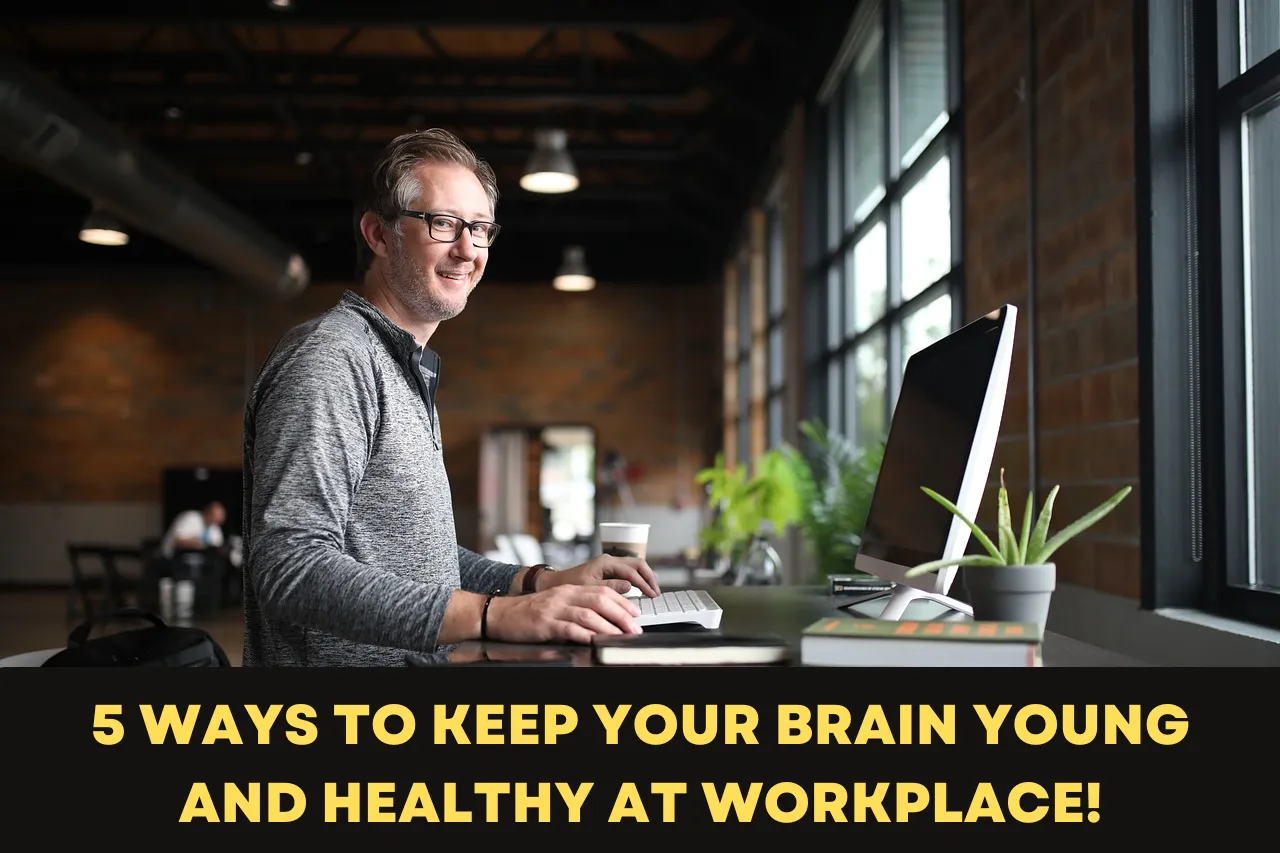
Work can demand constant attention, problem-solving and communication. Long hours, repetitive tasks and a busy schedule can leave you feeling mentally tired. The goal is not to make your brain “younger”, but to build everyday habits that support focus, energy and mental wellbeing at work.
Here are five practical ways to stay mentally sharp and work with more clarity, whether you work in an office, from home or in a hybrid role.
5 Ways to Stay Mentally Sharp at Work
1. Keep Learning New Skills
Learning gives you a reason to think differently and solve new problems. It can also make your working day more varied and help you stay confident as your role changes.
You do not need to enrol on a long course. Try learning a new software feature, improving a workplace skill, reading about your industry, attending a short training session or taking on a project that stretches your abilities.
A simple approach is to choose one useful skill each month and set aside regular time to practise it.
2. Take Short Breaks From Concentrated Work
Working continuously for hours can make it harder to maintain attention. Short breaks give you an opportunity to step away from a task and return with a clearer mind.
- Stand up and move around between tasks.
- Get some fresh air if possible.
- Look away from your screen regularly.
- Use a short break to drink water or have a snack.
- Switch between demanding and less demanding tasks where your role allows it.
Breaks should support your work rather than become another source of distraction. Keep them simple and return to the task with a clear next action.
3. Add More Movement to Your Working Day
Physical activity is useful for overall health and can also help you feel more alert during the working day. You do not need a complicated exercise routine to reduce long periods of sitting.
Consider walking during a suitable phone call, taking the stairs, stretching between tasks or going for a short walk during lunch. If you work from home, standing up regularly and moving away from your desk can help break up long periods of sitting.
Choose activities that fit your circumstances and any advice you have received from a qualified health professional.
4. Manage Workplace Stress Before It Builds Up
Some pressure at work is normal, but ongoing stress can make it difficult to concentrate and manage everyday tasks. Instead of trying to ignore every source of pressure, identify what is creating the most difficulty and decide what you can control.
- Break large projects into smaller tasks.
- Write down your priorities at the start of the day.
- Set realistic deadlines and raise problems early.
- Take your agreed breaks and use your annual leave.
- Speak to your manager or an appropriate workplace support service when workload becomes difficult to manage.
Simple breathing or mindfulness exercises may also help some people create a short pause between a stressful situation and their response. If workplace stress is seriously affecting your wellbeing, consider seeking appropriate professional support.
5. Protect Your Focus and Work-Life Boundaries
Constant notifications, unnecessary meetings and switching between tasks can make concentrated work harder. Protecting periods of focused work can help you use your attention more effectively.
- Turn off non-essential notifications while completing focused tasks.
- Group similar tasks together when possible.
- Keep a short daily list rather than trying to remember everything.
- Set clear expectations about when you are available for messages.
- When working from home, create a clear end-of-work routine where possible.
Good boundaries are particularly important when work and personal time take place in the same location.
Daily Habits That Can Support Better Focus
| Part of the day | Simple habit | Purpose |
|---|---|---|
| Start of work | Choose your top priorities | Creates a clear direction |
| During focused work | Reduce unnecessary notifications | Limits distractions |
| Between tasks | Stand, stretch or walk briefly | Breaks up long periods of sitting |
| Lunch or break | Step away from your workstation | Creates mental distance from work |
| End of work | Review unfinished tasks and plan the next step | Makes it easier to switch off |
How to Stay Mentally Sharp When Working From Home
Remote work can make it easier to create a comfortable routine, but it can also blur the line between work and personal time. A few simple habits can help.
- Keep a consistent start and finish time where possible.
- Use a dedicated workspace if you have one.
- Take proper breaks instead of working through the entire day.
- Stay connected with colleagues through appropriate meetings or messages.
- Leave your workspace when your working day is finished.
For more practical advice, see our guide on how to work effectively from home.
What to Do When Your Concentration Drops
Everyone has days when concentration is lower than usual. Rather than forcing yourself through a difficult task for hours, try identifying the reason.
| Possible issue | Practical response |
|---|---|
| Too many distractions | Reduce notifications and move to a quieter setting |
| Unclear priorities | Write down the next one or two actions |
| Large or complex task | Divide it into smaller steps |
| Mental fatigue | Take a suitable short break before returning |
| Too many meetings | Protect focused work time where possible |
| Ongoing stress | Discuss workload or support with the appropriate person |
Build a Workplace Routine You Can Actually Maintain
You do not need to change everything at once. Start with one or two habits that fit naturally into your working day.
- Choose one focus habit: For example, plan your priorities before opening your inbox.
- Add regular movement: Build short periods of movement into your normal routine.
- Protect breaks: Avoid treating every break as extra work time.
- Review your workload: Notice which tasks or situations repeatedly create unnecessary pressure.
- Adjust the routine: Keep what works and change what does not.
When Workplace Stress Needs More Attention
Simple workplace habits are not a replacement for professional help. If stress, low mood, sleep problems, anxiety or difficulty concentrating continue or significantly affect your everyday life, consider speaking with a qualified health professional or an appropriate workplace support service.
Employers may also have occupational health, employee assistance or wellbeing resources available. Check what support your organisation provides.
Frequently Asked Questions
How can I improve my concentration at work?
Start by reducing avoidable distractions, setting clear priorities, taking suitable breaks and dividing complex work into smaller tasks. Your working environment and workload can also affect concentration.
Does taking breaks reduce productivity?
A short, purposeful break can be useful when you have been concentrating for a long period. The best approach depends on the work you do, so find a routine that helps you return to tasks with good focus.
How can I stay focused when working from home?
Create a consistent routine, reduce notifications, take proper breaks and keep a clear boundary between working time and personal time.
Can learning new skills help me at work?
Regular learning can keep your work varied, strengthen useful skills and help you adapt when your role or industry changes. Focus on skills that are relevant to your career goals.
Final Thoughts
Staying mentally sharp at work is less about finding a single trick and more about building sustainable habits. Make time for learning, take sensible breaks, move regularly, manage pressure and protect your ability to focus.
The most useful routine is one you can maintain consistently alongside your real workload and responsibilities.




How to Start a Career in Law in the UK
Thinking about a career in law? This guide explains UK legal career routes, qualifications, solicitor and barrister pathways, apprenticeships, skills,...


How to Start a Career in Education in the UK
Thinking about a career in education? Compare teaching and non-teaching roles, qualifications, apprenticeships, experience, skills and practical steps for getting...


How to Start a Career in Marketing in the UK
Marketing is a broad career field that combines communication, creativity, research, data and business thinking. It includes traditional marketing as...


How to Start a Career in Healthcare in the UK
Healthcare is one of the UK’s broadest career areas. It includes doctors and nurses, but also healthcare assistants, laboratory staff,...


How to Start a Career in Human Resources (HR) in the UK
Photo by Vitaly Gariev on Unsplash Human resources, usually called HR, is a people-focused career that combines communication, organisation, business...


How to Start a Career in Construction in the UK
Construction is one of the UK’s broadest career sectors. It includes hands-on trades such as bricklaying, carpentry and plumbing, as...


How to Start a Career in Energy and Utilities in the UK
Planning a career in energy and utilities in the UK? See job options, apprenticeships, qualifications, skills and practical steps to...


How to Start a Career in Media and Communications in the UK
Planning a media and communications career in the UK? Compare job options, entry routes, apprenticeships, skills, experience and practical steps...


How to Start a Career in Environmental and Sustainability Jobs in the UK
Environmental and sustainability careers are becoming an important part of many UK workplaces. Jobs in this area can involve protecting...


How to Start a Career in Cybersecurity in the UK
Thinking about a cybersecurity career in the UK? Here is a practical guide to skills, qualifications, entry-level roles, applications and...


How to Start a Career in Engineering in the UK
Thinking about engineering as a career in the UK? Here is a practical guide to engineering fields, qualifications, apprenticeships, skills,...


How to Start a Career in Government and Public Services in the UK
Thinking about a career in government or public services? This guide covers job options, entry routes, apprenticeships, skills, applications and...


Rolls-Royce Internship UK: Eligibility, Opportunities & How to Apply
Find Rolls-Royce internships in the UK with practical guidance on eligibility, opportunities, applications, assessments, skills and preparation.


How to Start a Career in Transport and Logistics in the UK
Planning a career in transport and logistics in the UK? See entry-level roles, apprenticeships, qualifications, skills and practical steps to...
JLR Internships in the UK: How to Find and Apply
Find JLR internships and undergraduate placements in the UK, with practical guidance on eligibility, applications, career areas, assessments and preparation.


How to Start a Career in Architecture and Design in the UK
How to Start a Career in Architecture and Design in the UK Architecture and design careers combine creativity with practical...


Technology Internships in the UK: How to Find and Prepare
Find technology internships in the UK with practical guidance on choosing a tech career area, building skills, finding employers and...


Deloitte Internship UK: How to Apply and Prepare
A practical guide to Deloitte internships in the UK, covering programmes, eligibility, applications, assessments, skills, student visas and preparation.


How to Start a Career in Arts and Culture in the UK
How to Start a Career in Arts and Culture in the UK A career in arts and culture is not...


How to Start a Career in Automotive in the UK
How to Start a Career in Automotive in the UK The UK automotive industry offers many different career paths, from...
-
 Career3 years ago
Flexible Jobs for Older Adults in the UK: 7 Career Options
-
 Jobs8 months ago
Second Jobs in the UK: 15 Practical Ways to Earn Extra Income
-
 How-to8 months ago
How to Use Google Gemini for Freelance Work and Career Skills
-

 Career2 years ago
Free Job Posting Sites in the UK: Options for Employers
-
 How-to8 months ago
Passive Income Ideas: Build Long-Term Income Streams
-

 AI & Tools8 months ago
How to Use Google Gemini for Productivity at Work
-

 Job Description2 years ago
Support Worker Job Description: Duties, Skills, Salary and Career Guide UK
-

 AI & Tools8 months ago
ChatGPT vs Microsoft Copilot: Which AI Is Best for You?