
Motivation
Best Books for Students: Must-Reads for Academic Success

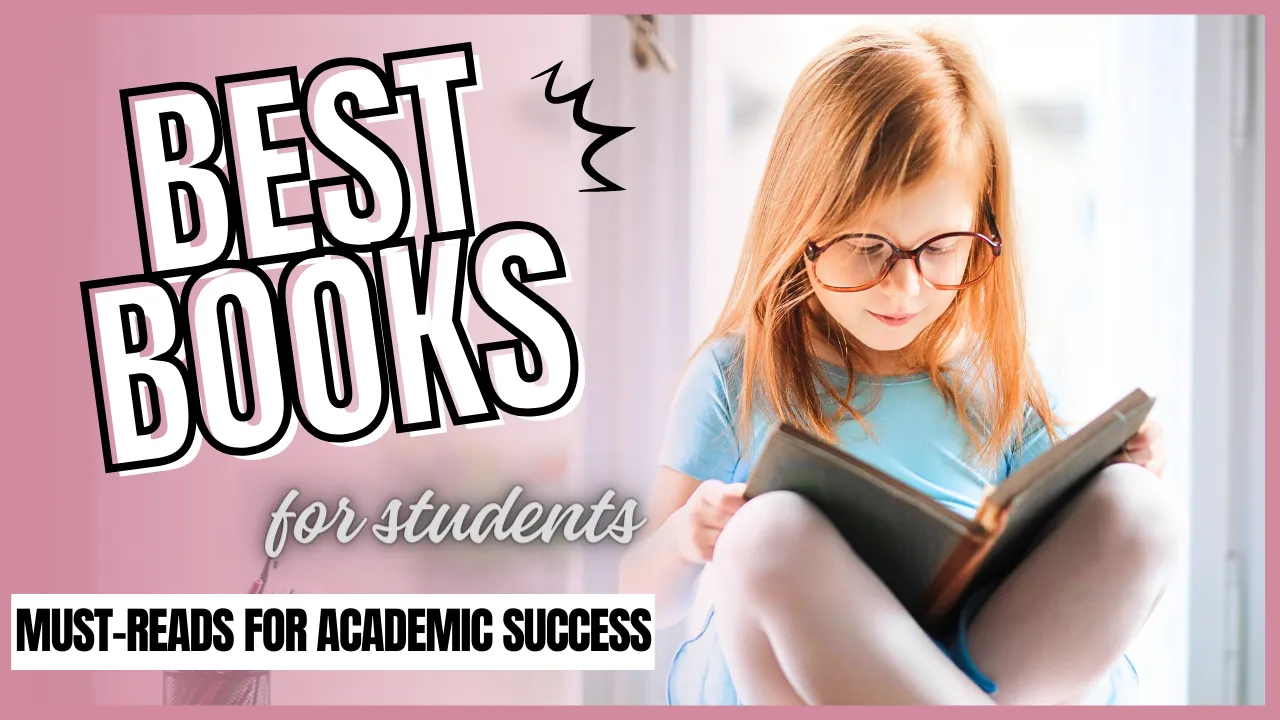

Are you a student who loves to read? Or maybe you’re looking for a way to improve your reading skills? Whatever your reason, we’ve got you covered with our list of the Best Books for Students. From classic literature to modern-day bestsellers, these books are sure to capture your attention and keep you engaged from beginning to end.
Reading is an essential part of any student’s academic journey, but it can also be a fun and enjoyable pastime. Whether you’re looking for a book to help you escape reality or one that will challenge your thinking, our list has something for everyone. So, grab a cup of coffee, find a cozy spot, and get ready to dive into some of the best books out there.
✅ Essential Classics for Students:
As a student, it’s important to read and understand the classics. These books have stood the test of time and continue to be relevant today. Here are some essential classics that every student should read:
To Kill a Mockingbird by Harper Lee:
This Pulitzer Prize-winning novel is a must-read for every student. It deals with themes of racism, injustice, and the loss of innocence. The book is set in the 1930s and follows the story of a young girl named Scout Finch as she grows up in a small Southern town and it’s based on a true story.
How to Win Friends and Influence People by Dale Carnegie:
How to Win Friends and Influence People is a timeless guide to effective communication and relationship-building. Focused on principles that transcend generations, the book imparts valuable lessons on understanding others, fostering genuine connections, and persuading with empathy. Through relatable anecdotes and practical advice, Carnegie’s classic remains a cornerstone for personal and professional success, emphasizing the transformative power of positive interpersonal skills.
The 5 AM Club by Robin Sharma:
The 5 AM Club is a transformative guide that champions the significance of early morning routines for personal development. Robin Sharma introduces the concept of the 5 AM formula, emphasizing its potential to enhance productivity, focus, and overall life satisfaction. Through compelling storytelling and practical insights, the book inspires readers to adopt a disciplined morning routine for achieving peak performance and holistic success.
1984 by George Orwell:
1984 is a dystopian novel that explores themes of government control, propaganda, and the loss of individuality. The book is set in a future society where the government has complete control over every aspect of people’s lives.
Brave New World by Aldous Huxley:
Brave New World is a dystopian novel that explores themes of science, technology, and the dangers of a society that values pleasure over individuality. The book is set in a future society where people are genetically engineered and conditioned to be happy and content with their lives.
Reading these essential classics will not only expand your knowledge of literature but also help you understand the world around you. So grab a copy of these books and start reading today!
✅ Top Non-Fiction Reads for Academic Growth:
When it comes to academic growth, reading non-fiction books can be incredibly helpful. Not only do they provide valuable information, but they can also inspire you to think critically and creatively. Here are some of the best non-fiction books for students that can help you grow academically.
Biographies That Inspire:
Biographies are a great way to learn about the lives of people who have achieved great things. Here are some of the best biographies that can inspire you to achieve your own goals:
Becoming by Michelle Obama: This memoir by the former First Lady of the United States Michelle Obama is an inspiring story of a woman who overcame obstacles to become a lawyer, public servant, and advocate for women’s rights.
Steve Jobs by Walter Isaacson: This biography of Steve Jobs, the co-founder of Apple, is a fascinating look at the life of a man who changed the world of technology.
The Immortal Life of Henrietta Lacks by Rebecca Skloot: This book tells the story of Henrietta Lacks, a woman whose cells were used without her knowledge to create the first immortal human cell line. It raises important ethical questions about medical research and informed consent.
✅ Science and Technology Explorations:
Science and technology are constantly evolving, and reading about the latest discoveries can help you stay up-to-date. Here are some of the best non-fiction books on science and technology:
The Selfish Gene by Richard Dawkins: This book is a classic in the field of evolutionary biology, exploring the idea that genes are the driving force behind evolution.
The Emperor’s New Mind by Roger Penrose: This book explores the relationship between consciousness and the laws of physics, challenging traditional views on the nature of the mind.
The Innovators by Walter Isaacson: This book tells the story of the pioneers of the digital revolution, from Ada Lovelace to Bill Gates.
✅ Understanding History and Society:
Reading about history and society can help you understand the world around you and the forces that shape it. Here are some of the best non-fiction books on history and society:
A People’s History of the United States by Howard Zinn: This book offers a different perspective on American history, focusing on the experiences of ordinary people rather than the actions of politicians and elites.
The New Jim Crow by Michelle Alexander: This book explores the ways in which the criminal justice system in the United States has perpetuated racial inequality, particularly through the War on Drugs.
The Better Angels of Our Nature by Steven Pinker: This book argues that violence has declined throughout human history, and explores the reasons why.
Reading non-fiction books can be a great way to learn new things and grow academically. Whether you’re interested in science, history, or biographies, there’s a non-fiction book out there that can inspire you.
✅ Modern Novels Every Student Should Read:
As a student, reading modern novels can be a great way to gain insight into the world around you and develop your critical thinking skills. Here are two subsections of modern novels every student should read:
Contemporary Fiction:
Contemporary fiction novels are a great way to stay up-to-date with current social issues and trends. Some highly recommended contemporary fiction novels for students include:
| The Immortalists by Chloe Benjamin |
| The Water Dancer by Ta-Nehisi Coates |
| The Testaments by Margaret Atwood |
| The Nickel Boys by Colson Whitehead |
| Normal People by Sally Rooney |
These novels tackle topics such as race, gender, identity, and power dynamics in modern society. They offer thought-provoking insights and can help students develop empathy and understanding for diverse perspectives.
Young Adult Favorites:
Young adult novels are not just for teenagers. Many young adult novels deal with complex themes and offer valuable life lessons that can resonate with readers of all ages. Some highly recommended young adult novels for students include:
| The Hate U Give by Angie Thomas |
| Eleanor and Park by Rainbow Rowell |
| The Fault in Our Stars by John Green |
| The Hunger Games by Suzanne Collins |
| Divergent by Veronica Roth |
These novels deal with topics such as social justice, mental health, love, and personal growth. They offer relatable characters and engaging plots that can keep students hooked and invested in reading.
In conclusion, reading modern novels can be a great way for students to broaden their horizons and gain valuable insights into the world around them. By exploring contemporary fiction and young adult favorites, students can develop their critical thinking skills and gain a deeper understanding of themselves and others.
✅ Self-Improvement Books for Personal Development:
If you are looking to improve yourself and your personal development, there are a variety of self-improvement books available that can help you achieve your goals. Here are two categories of self-improvement books that you may find helpful:
Motivational Literature:
Motivational literature can help you find inspiration and motivation to achieve your goals. Some of the best motivational literature includes:
| The 7 Habits of Highly Effective People by Stephen Covey |
| Think and Grow Rich by Napoleon Hill |
| The Power of Positive Thinking by Norman Vincent Peale |
These books can help you develop a positive mindset, set goals, and stay motivated to achieve them.
✅ Time Management and Productivity:
If you struggle with time management and productivity, there are a number of books that can help you develop better habits.
1. “Getting Things Done” by David Allen is a popular book that teaches readers how to manage their time and tasks more effectively.
2. “The One Thing” by Gary Keller and Jay Papasan is another useful book that helps readers focus on their most important tasks and eliminate distractions.
3. “Atomic Habits” by James Clear provides practical advice for developing good habits and breaking bad ones.
By reading self-improvement books in these categories, you can develop the skills and mindset necessary to achieve your personal and professional goals.
✅ Literary Anthologies and Collections:
If you’re looking for a variety of different authors and styles, literary anthologies and collections are a great option. Here are a few recommendations:
The Norton Anthology of English Literature:
This anthology is a classic for a reason. It covers a wide range of English literature from the Middle Ages to the 21st century, and includes not only well-known authors but also lesser-known ones. Each volume is packed with helpful notes and introductions to help you understand the context of each work.
The Best American Short Stories:
This annual collection is a great way to stay up-to-date with the best short fiction being published in the United States. Each volume is edited by a different well-known author, so you get a variety of perspectives and styles.
The Vintage Book of Contemporary American Poetry:
This anthology is a great way to discover new poets and explore the diversity of contemporary American poetry. It includes work by both established and emerging poets, and covers a wide range of styles and themes.
The Penguin Book of Contemporary British Poetry:
Similar to the Vintage Book of Contemporary American Poetry, this anthology is a great way to explore the diversity of contemporary British poetry. It includes work by both established and emerging poets, and covers a wide range of styles and themes.
The Norton Anthology of African American Literature:
This anthology is a comprehensive collection of African American literature from the 18th century to the present day. It includes not only well-known authors like Langston Hughes and Toni Morrison, but also lesser-known ones who are equally deserving of attention.
Overall, literary anthologies and collections are a great way to explore different authors and styles, and to discover new voices and perspectives.
✅ Guides to Navigating Student Life:
As a student, you need to be equipped with the right tools to navigate your academic journey successfully. Here are some helpful guides to help you navigate student life.
Study Skills and Strategies:
Developing effective study skills and strategies is crucial to your academic success. Here are some books that can help you improve your study skills:
1. “How to Read a Book” by Mortimer J. Adler and Charles Van Doren: This book provides practical tips on how to read and understand complex texts.
2. “Make It Stick: The Science of Successful Learning” by Peter C. Brown, Henry L. Roediger III, and Mark A. McDaniel: This book offers evidence-based strategies for effective learning and retention.
3. “The Study Skills Handbook” by Stella Cottrell: This book covers a range of study skills, including time management, note-taking, and exam preparation.
Health and Wellness:
Maintaining good health and wellness is essential for academic success. Here are some books that can help you take care of your physical and mental health:
1. “The Body Book: The Law of Hunger, the Science of Strength, and Other Ways to Love Your Amazing Body” by Cameron Diaz: This book provides practical advice on how to maintain a healthy lifestyle.
2. “The Happiness Advantage: The Seven Principles of Positive Psychology That Fuel Success and Performance at Work” by Shawn Achor: This book offers insights into the science of happiness and how it can improve your academic performance.
3. “Mindfulness: An Eight-Week Plan for Finding Peace in a Frantic World” by Mark Williams and Danny Penman: This book provides a step-by-step guide to mindfulness meditation, which can help reduce stress and improve mental health.
By incorporating these books into your student life, you can develop the skills and strategies necessary to achieve academic success while maintaining good health and wellness.


Have you ever replayed a single comment in your head for hours… maybe even days?
Someone said something small. Maybe they didn’t even mean it that way. But it stayed with you. It bothered you. It affected your mood, your confidence, your peace.
You’re not alone.
Most people struggle with this. We take things personally—even when they weren’t meant for us. And slowly, it drains our mental peace, affects relationships, and holds us back from living freely.
But here’s the truth:
You don’t have to carry what was never yours.
In this guide, you’ll learn how to stop taking things personally, protect your peace, and build emotional strength—step by step, in simple language. No complicated psychology. Just real, practical advice you can start using today.
Why Do We Take Things Personally?
Before fixing the problem, let’s understand it.
Taking things personally means:
- You believe others’ words or actions are about you
- You attach meaning that may not even exist
- You feel hurt, judged, or attacked
But here’s a powerful shift:
Most of the time, it’s not about you. It’s about them.
People speak from:
- Their stress
- Their past experiences
- Their insecurities
- Their mood
Once you understand this, everything begins to change.
The Cost of Taking Things Personally:
Let’s be honest. When you take things personally, what happens?
- You overthink
- You lose confidence
- You feel anxious or angry
- You waste energy on things you can’t control
And most importantly…
You lose your peace.
So the real goal is not to “win arguments” or “prove yourself.”
The goal is simple:
👉 Protect your peace at all costs.
6 Powerful Ways to Stop Taking Things Personally:
1. Separate Facts from Your Story
When something happens, your mind creates a story.
Example:
- Fact: Someone didn’t reply to your message
- Story: “They are ignoring me. Maybe I said something wrong.”
See the difference?
Your brain fills gaps with assumptions.
What to do instead:
- Ask: What actually happened?
- Avoid jumping to conclusions
- Give neutral explanations
👉 Maybe they’re busy. Maybe they forgot. Maybe it has nothing to do with you.
This one habit alone can protect your mental peace massively.
2. Remember: People Act from Their Own World
Everyone is living in their own reality.
Their actions reflect:
- Their upbringing
- Their struggles
- Their beliefs
Not you.
Think of it like this:
If someone is rude, it says more about their inner state than your worth.
Simple mindset shift:
- Instead of: “Why did they say that to me?”
- Ask: “What might they be going through?”
This doesn’t excuse bad behavior.
But it helps you not absorb it emotionally.
3. Build Strong Self-Worth:
The stronger your self-worth, the less you take things personally.
Why?
Because you don’t depend on others to define you.
If someone criticizes you:
- Weak self-worth → You feel attacked
- Strong self-worth → You evaluate calmly
How to build self-worth:
- Keep promises to yourself
- Celebrate small wins
- Stop negative self-talk
- Surround yourself with supportive people
👉 When you know your value, others’ opinions lose power.
4. Stop Seeking Validation from Everyone:
This is a big one.
If you try to please everyone, you will:
- Overanalyze everything
- Take everything personally
- Lose yourself in the process
Let’s be real:
Not everyone will like you. And that’s okay.
Even the most successful people face criticism.
Shift your focus:
- From: “Do they like me?”
- To: “Do I like how I’m showing up?”
That’s where true mental peace begins.
5. Pause Before Reacting:
When something triggers you, your first reaction is emotional.
But reacting instantly often makes things worse.
Try this simple method:
- Pause
- Take a deep breath
- Wait before responding
Ask yourself:
- “Is this worth my energy?”
- “Will this matter in 5 days?”
Most of the time… it won’t.
👉 Silence and calmness are powerful.
Not everything deserves your reaction.
6. Set Emotional Boundaries:
Boundaries are not rude.
They are necessary.
If someone repeatedly:
- Disrespects you
- Criticizes you unfairly
- Drains your energy
You need to protect yourself.
How to set boundaries:
- Limit interaction
- Be clear and calm
- Don’t over-explain
Example:
“I don’t feel comfortable with that.”
“That doesn’t work for me.”
Simple. Respectful. Strong.
👉 Protecting your peace is your responsibility.
A Simple Daily Practice to Protect Your Peace:
Want something practical?
Try this every day:
The “Let It Go” Routine:
At the end of the day, ask yourself:
- What bothered me today?
- Did I take something personally?
Then say:
👉 “This is not mine to carry.”
And let it go.
It sounds simple. But over time, it rewires your thinking.
Common Situations & How to Handle Them:
Situation 1: Someone criticizes you
Instead of reacting:
- Ask: Is this constructive?
- If yes → Learn
- If no → Ignore
Not all criticism deserves attention.
Situation 2: Someone ignores you
Don’t assume the worst.
Repeat:
👉 “I don’t know the full story.”
Stay neutral.
Situation 3: Someone speaks rudely
Stay calm.
You can respond politely or walk away.
👉 You don’t have to match their energy.
The Truth Most People Learn Too Late:
Here it is:
Taking things personally gives others control over your emotions.
And when you stop?
You become:
- Calmer
- Stronger
- More confident
- More peaceful
This is real power.
Key Takeaways:
- Most things are not about you
- Your mind creates stories—don’t believe all of them
- Strong self-worth protects your peace
- You don’t need everyone’s approval
- Pause before reacting
- Set clear emotional boundaries
👉 The goal is simple: Stop taking things personally and protect your peace.
Conclusion:
Life becomes much lighter when you stop carrying unnecessary emotional weight.
Not every comment needs a reaction.
Not every situation needs analysis.
Not every person deserves your energy.
When you truly understand this, something shifts inside you.
You start choosing peace over proving yourself.
Calm over chaos.
Clarity over confusion.
And slowly… you become free.
So starting today, make a simple decision:
👉 I will not take things personally. I will protect my peace.
It won’t happen overnight.
But with practice, it becomes your natural way of living.
And trust me—once you experience that level of mental peace,
you’ll never want to go back.
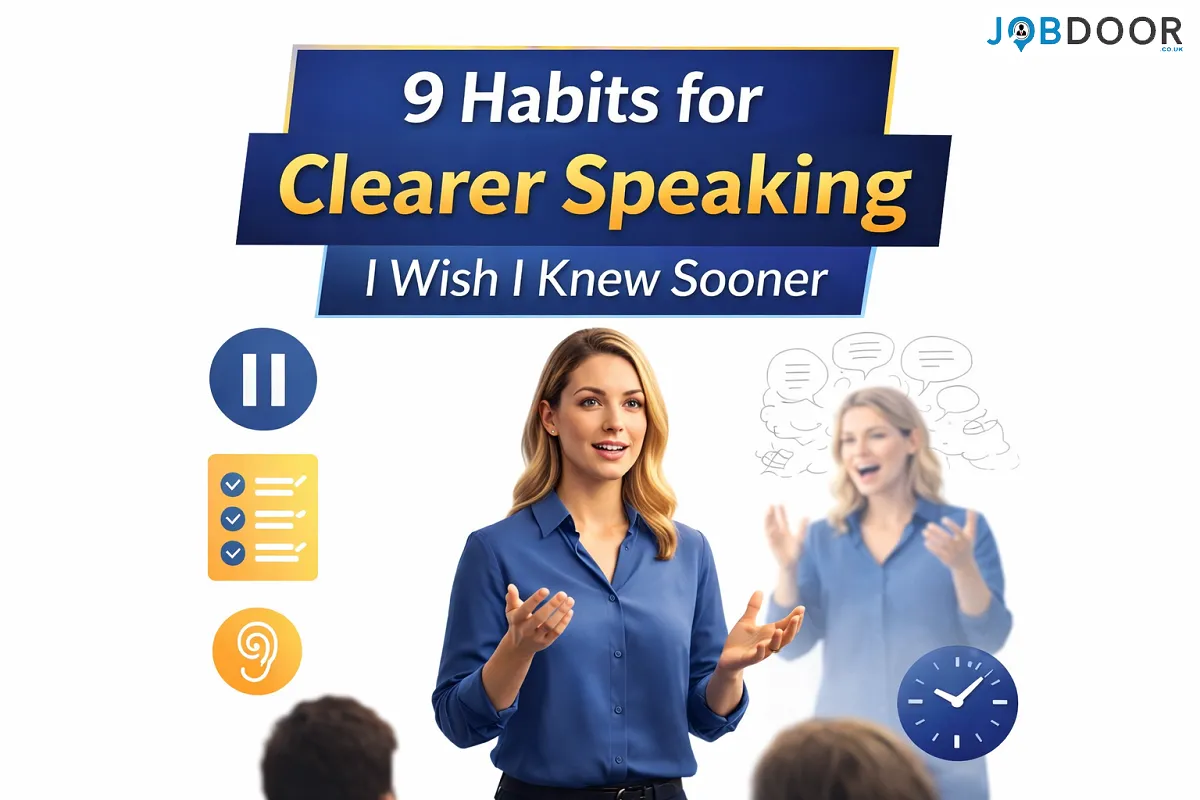
You start explaining something simple… and somehow it turns complicated.
You add more words. More details. More explanation.
But instead of becoming clearer… you start rambling.
Sound familiar?
You’re not alone.
Many people struggle with:
- Losing track while speaking
- Over-explaining simple ideas
- Feeling nervous in conversations
- Not sounding confident
Here’s the truth:
👉 Clearer speaking is not a talent. It’s a set of habits.
And once you learn the right habits, everything changes.
In this guide, you’ll discover 9 powerful habits for clearer speaking—explained in simple, easy language. No complicated theory. Just practical steps you can use daily.
We’ll also connect these habits to real-life situations—like explaining something as simple as used EV cars—so you can see how powerful clear communication really is.
Let’s begin.
What is Clearer Speaking (In Simple Words)?
Before we jump in, let’s make it simple.
👉 Clearer speaking = saying your thoughts in a way that people understand instantly.
That means:
- No confusion
- No unnecessary words
- No rambling
Think of it like this:
👉 Clear speaking is like a straight road.
👉 Rambling is like a maze.
Which one would you prefer?
Habit #1: Think Before You Speak (The 3-Second Pause)
Why This Is a Powerful Speaking Trick
Most people speak while thinking.
That’s why they ramble.
Instead, pause for 3 seconds and ask:
- What is my main point?
- How can I say it simply?
Example
Instead of:
“So I was thinking maybe we could kind of…”
Say:
“Let’s try this. It’s simpler.”
👉 Pause = clarity
Habit #2: Use the 3-2-1 Speaking Trick
This is one of the best speaking tricks to stop rambling.
How It Works
- 3 Points → What are you saying?
- 2 Examples → Support your idea
- 1 Conclusion → Final message
Example (Explaining EV Cars)
3 Points:
- Runs on electricity
- Saves fuel cost
- Eco-friendly
2 Examples:
- Charge at home
- Less maintenance
1 Conclusion:
“EVs are cheaper and cleaner for daily use.”
👉 Simple. Clear. Powerful.
Habit #3: Speak One Idea at a Time
The Problem
Trying to say everything at once.
The Solution
👉 One sentence = one idea
Example
❌ Confusing:
“EV cars are good because they save money and also help environment and…”
✅ Clear:
“EV cars save money. They also help the environment.”
👉 Short sentences build confident speaking.
Habit #4: Slow Down Your Speech
Ask Yourself
Do you speak fast when nervous?
Most people do.
Why It Hurts Clarity
- People can’t follow you
- You lose control
- You sound unsure
Fix
👉 Speak 20% slower
Example
“EV cars… are cheaper… to run.”
👉 Slower = stronger.
Habit #5: Use Simple Words (Clarity Beats Complexity)
Mistake People Make
Using big words to sound smart.
Reality
👉 Simple words = powerful communication
Example
❌ Complex:
“Electric vehicles optimize operational cost.”
✅ Simple:
“Electric cars cost less to run.”
👉 If a 10-year-old understands you, you’re doing it right.
Habit #6: Structure Your Thoughts (Start → Middle → End)
Why Structure Matters
Without structure, you wander.
With structure, you lead.
Simple Formula
- Start → What is it?
- Middle → Why it matters?
- End → What should happen?
Example
“Used EV cars are affordable (Start).
They cost less to maintain (Middle).
They’re a smart choice for city driving (End).”
👉 This habit alone improves clearer speaking instantly.
Habit #7: Cut Filler Words (Umm, Like, You Know)
Common Fillers
- Umm
- Like
- You know
- Basically
Why They Hurt
They make you sound unsure.
Fix
👉 Replace fillers with pause
Example
Instead of:
“Umm… I think EV cars are like good…”
Say:
“EV cars are good.”
👉 Silence is stronger than fillers.
Habit #8: Practice Speaking Daily (Even Alone)
Truth You Need to Know
Reading won’t improve speaking.
Speaking will.
Simple Daily Routine
- Talk in front of mirror
- Record yourself
- Explain one idea daily
Practice Topic Example
Explain:
👉 “Why should someone buy a used EV car?”
Use:
- 3 points
- 2 examples
- 1 conclusion
👉 Just 5 minutes a day.
Habit #9: Focus on Being Understood (Not Impressing)
Big Mindset Shift
Stop trying to sound smart.
Start trying to be clear.
Ask Yourself
👉 “Will they understand me easily?”
That’s what matters.
Real-Life Example: Clear Speaking About Used EV Cars
Let’s bring everything together.
Question:
👉 “Is buying a used EV car a good idea?”
Clear Answer Using These Habits:
3 Points:
- Lower running cost
- Eco-friendly
- Easy to maintain
2 Examples:
- Charging is cheaper than petrol
- Fewer moving parts
1 Conclusion:
“Used EVs are a smart and affordable choice for city use.”
👉 That’s clearer speaking in action.
Common Mistakes That Lead to Rambling
Avoid these:
- ❌ Talking without thinking
- ❌ Using long sentences
- ❌ Speaking too fast
- ❌ Over-explaining
- ❌ Trying to sound perfect
👉 Remember: Clear beats perfect.
Quick Daily Practice Plan (5 Minutes)
Follow this simple routine:
Morning (2 min)
Explain your plan for the day
Afternoon (1 min)
Explain one idea clearly
Evening (2 min)
Summarize your day
👉 Consistency builds confident speaking habits.
Why These Habits Work?
Your brain loves simplicity.
When you:
- Use structure
- Speak slowly
- Keep sentences short
👉 You reduce confusion and increase clarity.
That’s how you learn how to stop rambling naturally.
Confidence Comes From Clarity (Not Talent):
Let’s be honest.
You don’t need:
- Perfect English
- Fancy vocabulary
- Public speaking skills
👉 You need clear habits.
When people understand you:
- You feel confident
- You speak better
- You grow faster
Conclusion: Speak Less, Say More
Let’s quickly recap the 9 habits for clearer speaking:
- Think before you speak
- Use the 3-2-1 Speaking Trick
- Speak one idea at a time
- Slow down
- Use simple words
- Structure your thoughts
- Cut filler words
- Practice daily
- Focus on clarity, not impressing
Here’s the truth:
👉 Clear speaking is a skill
👉 Skills can be learned
👉 You can start today
Final Call to Action:
Don’t wait for confidence.
Build it.
Today, choose just one habit from this list.
Practice it in your next conversation.
Start small.
Because the moment you start speaking clearly…
👉 People listen
👉 People understand
👉 You feel confident
And that’s how real communication begins.
One clear sentence at a time.
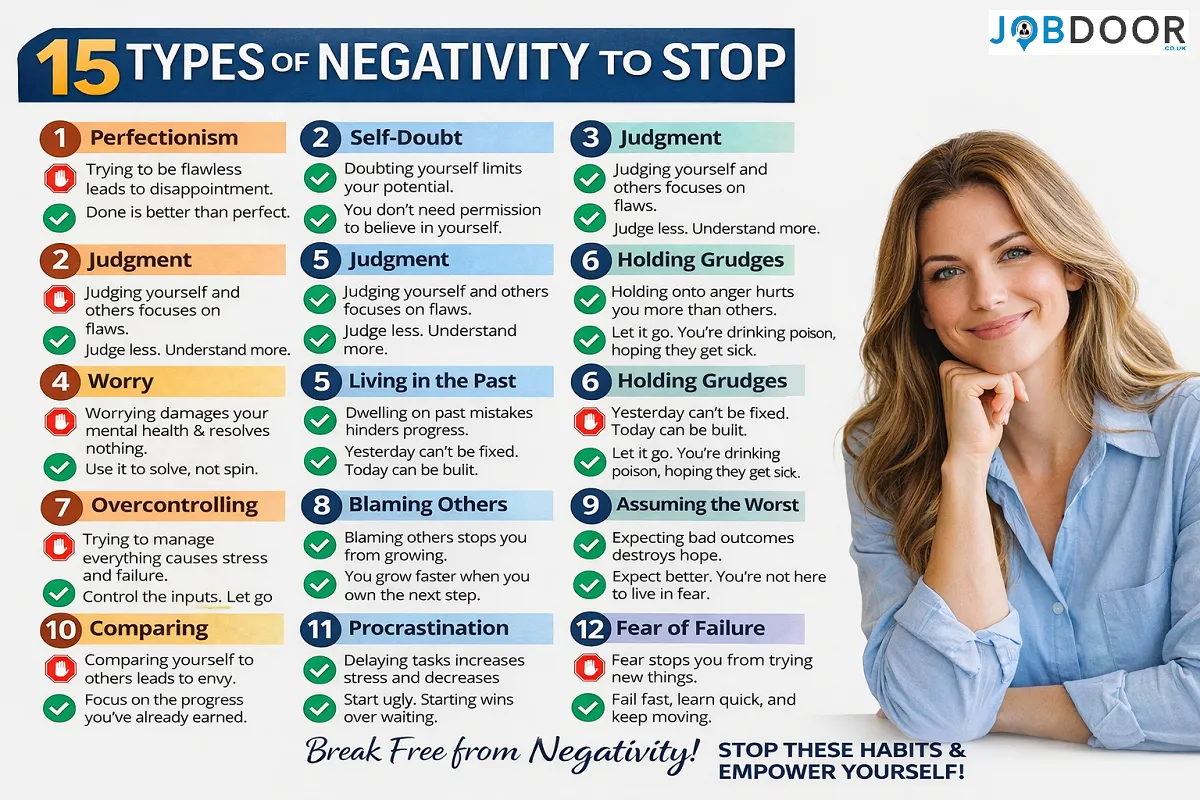
Negativity doesn’t arrive loudly. It creeps in—through small doubts, silent worries, and habits you barely notice. One day, you feel stuck. Overthinking everything. Losing confidence. Comparing yourself to others. Sound familiar?
Here’s the truth: most negative thoughts are learned habits—not permanent traits. And what is learned can be unlearned.
If you’ve ever asked yourself:
- “Why do I always think the worst?”
- “Why can’t I just feel confident?”
- “Why do I keep holding myself back?”
You’re not alone.
This guide breaks down 15 types of negativity to stop, in the simplest way possible. No complicated psychology. No jargon. Just clear explanations and practical shifts you can apply today.
Think of this as a reset button for your mindset.
What Is Negativity (In Simple Terms)?
Negativity is a pattern of thinking that focuses on problems, fear, doubt, or worst-case outcomes—even when better possibilities exist.
It shows up as:
- Negative thoughts about yourself
- Fear-based decisions
- Constant stress or overthinking
And here’s the catch: your brain is wired to notice negativity first. It’s a survival mechanism. But in modern life, it often does more harm than good.
Why You Must Stop Negativity Early
Unchecked negativity can:
- Drain your energy
- Lower your confidence
- Affect relationships
- Stop you from taking action
But the good news?
👉 You don’t need to fix everything at once. Just start by identifying what to stop.
15 Types of Negativity to Stop
1. Perfectionism – The Hidden Trap
Perfectionism sounds positive, but it’s not.
It tells you:
“If it’s not perfect, don’t start.”
The problem? You end up doing nothing.
Better approach:
- Done is better than perfect
- Progress beats perfection
2. Self-Doubt – The Silent Confidence Killer
Self-doubt whispers:
“You’re not good enough.”
And you believe it.
Reality check:
You don’t need permission to believe in yourself.
Try this:
- Replace “What if I fail?” with “What if I succeed?”
3. Judgment – Toward Yourself and Others
Constant judging leads to negativity.
- Judging others creates distance
- Judging yourself creates insecurity
Shift your mindset:
- Understand more
- Judge less
4. Worry – Thinking Without Solving
Worry feels like action. But it’s not.
It’s just:
👉 Thinking in circles
Ask yourself:
- Can I control this?
If yes → take action
If no → let it go
5. Living in the Past
Replaying past mistakes?
You’re not alone.
But remember:
- The past cannot be changed
- The present can be built
Simple rule:
Learn → adjust → move forward
6. Holding Grudges
Holding anger feels powerful. But it’s not.
It’s like:
👉 Drinking poison and expecting the other person to suffer
Let go, not for them—but for yourself.
7. Overcontrolling Everything
Trying to control everything leads to stress.
Because:
👉 Not everything is in your control
Focus instead on:
- Your actions
- Your effort
- Your mindset
Let outcomes happen.
8. Blaming Others
Blame feels easy.
Growth feels hard.
But here’s the truth:
👉 Blame keeps you stuck
👉 Responsibility moves you forward
Ask:
“What can I do better next time?”
9. Assuming the Worst
Ever think:
- “This won’t work”
- “Something bad will happen”
That’s negativity at work.
Flip it:
- Expect better outcomes
- Stay realistic—but hopeful
10. Comparing Yourself to Others
Comparison is one of the fastest ways to feel unhappy.
Why?
Because you’re comparing:
👉 Your real life
with
👉 Someone else’s highlight reel
Instead:
Focus on your progress.
11. Procrastination – Delaying Your Growth
You tell yourself:
“I’ll start tomorrow.”
But tomorrow becomes next week.
Truth:
- Starting messy is better than not starting
Rule:
👉 Start small. Start today.
12. Fear of Failure
Fear stops more dreams than failure ever will.
It tells you:
“Don’t try—you might fail.”
But what if:
👉 Trying is how you grow?
New mindset:
Fail fast → Learn faster → Move forward
13. Overthinking – The Energy Drainer
Overthinking creates problems that don’t exist.
You analyze…
Re-analyze…
And still feel stuck.
Solution:
- Less thinking
- More doing
Action clears confusion.
14. Complaining Without Action
Complaining feels good temporarily.
But it solves nothing.
Instead of saying:
“This is bad…”
Ask:
👉 “What can I do about it?”
15. Negative Self-Talk – Your Inner Voice Matters
This is the most dangerous type.
Because it comes from you.
- “I’m not good enough”
- “I always fail”
Would you say that to someone you love?
No.
Then don’t say it to yourself.
New rule:
👉 Speak to yourself with respect
How to Actually Stop Negativity (Step-by-Step)
Stopping negativity isn’t about being positive all the time.
It’s about being aware.
Step 1: Notice Your Thoughts
Ask:
- “Is this helping me or hurting me?”
Step 2: Challenge the Thought
Is it true?
Or just fear?
Step 3: Replace It
Swap negative thoughts with realistic ones.
Example:
- “I can’t do this” → “I’ll figure this out”
Step 4: Take Action
Even a small step breaks negative cycles.
A Simple Daily Practice to Reduce Negative Thoughts
Try this daily:
- Write 1 negative thought
- Rewrite it in a positive or neutral way
- Take 1 action
That’s it.
Consistency matters more than perfection.
Why This Matters More Than You Think
Negativity doesn’t just affect your mood.
It affects:
- Your decisions
- Your confidence
- Your future
The difference between someone stuck and someone growing?
👉 Their mindset.
Conclusion: Start Small, But Start Today
You don’t need to eliminate all negativity overnight.
Just pick one.
One habit. One thought pattern.
Start there.
Because every small shift builds momentum.
- Let go of perfection
- Stop overthinking
- Speak kindly to yourself
And slowly, your life begins to change.
Remember:
You are not your negative thoughts.
You are the one who can change them.
👉 Start today. Not tomorrow. Not next week.
One better thought at a time.

How to Get a Job When There Are Fewer Vacancies
Looking for a job can become much more frustrating when there are fewer vacancies available. You may be checking job...

Why Is It So Hard to Get a Job in the UK in 2026?
If you have been applying for jobs in the UK and getting very few replies, you are not alone. Many...


Why Are Graduate Jobs Becoming Harder to Find in the UK?
Graduating from university is supposed to feel like the beginning of a new chapter. You finish your degree, prepare your...


Top 10 Hosting Providers for Developers
Developers assess hosting differently from most other webmasters. While absolute costs and total disk space matter, the best web hosting...


Meta and Microsoft Announce Massive Layoffs
Big tech companies like Meta Platforms and Microsoft are reducing their workforce as they spend more money on artificial intelligence...


GPT-5.5 vs Claude: Nano Banana Killer & Claude’s New Design Tool
Artificial Intelligence is evolving at an incredible pace. Every few months, new models and tools are released that push the...


Moltbook: The First Social Network for AI Agents
Artificial Intelligence is evolving rapidly. We’ve moved from simple tools to powerful AI systems that can write, design, analyze, and...


Volkswagen Uses AI Agents to Transform Its Cars in China
The automotive industry is changing faster than ever before—and at the center of this transformation is Artificial Intelligence (AI). One...


AI Is Growing Faster Than You Think
Artificial Intelligence (AI) is no longer something we only see in movies or imagine about the future. It is already...


Could AI Eliminate Humans in the Next 10 Years?
Artificial Intelligence (AI) is advancing at an incredible speed. Every day, new tools, smarter systems, and powerful technologies are being...


Meet NEO: Your New Home Robot Buddy
Imagine coming home after a long day, and instead of doing chores, managing devices, or worrying about security, everything is...


You’ve Been Using AI the Hard Way: Why Most People Use AI Inefficiently?
Artificial Intelligence is one of the most powerful tools available today. Millions of people are using AI for writing, design,...


Master AI Engineering: 20 Key Concepts Explained Simply
Artificial Intelligence (AI) is no longer a futuristic idea—it is already shaping our daily lives. From voice assistants to recommendation...

6 Ways You Are Wasting Your Time (And Don’t Even Realize It)
Time slips quietly. Not with loud warnings. Not with alarms. But in small, unnoticed habits you repeat every day. You...


How to Take Nothing Personally: 6 Powerful Ways to Protect Your Peace
Have you ever replayed a single comment in your head for hours… maybe even days? Someone said something small. Maybe...

9 Habits for Clearer Speaking I Wish I Knew Sooner
You start explaining something simple… and somehow it turns complicated. You add more words. More details. More explanation. But instead...

15 Types of Negativity to Stop (Before They Quietly Control Your Life)
Negativity doesn’t arrive loudly. It creeps in—through small doubts, silent worries, and habits you barely notice. One day, you feel...


6 Habits to Articulate Your Thoughts Like the Top 1%
Have you ever listened to someone speak and thought, “Wow… they make everything sound so simple and powerful”? And then...
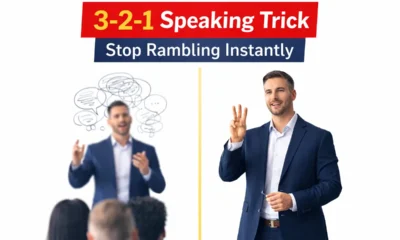

The 3-2-1 Speaking Trick That Forces You To Stop Rambling
Have you ever started explaining something and then suddenly realized… you’re going in circles? You keep talking. Adding more words....


7 Skills That Will Pay You Forever – Future-Proof Your Career
In a world where industries are changing faster than ever, one thing remains constant—skills are the real currency of success....
-
 Career3 years ago
Career Opportunities for Seniors: 7 Jobs that are Perfect for Older Adults
-
 Jobs7 months ago
15 Best Second Jobs to Boost Your Income in the UK for 2026
-

 Career2 years ago
5 Free Job Posting Sites in the UK (For Employers)
-
 Money7 months ago
20 Ways to Make Money with Google Gemini: Practical Methods Anyone Can Start
-
 Money7 months ago
26 Lucrative Passive Income Ideas to Build Wealth in 2026
-
 AI & Tools7 months ago
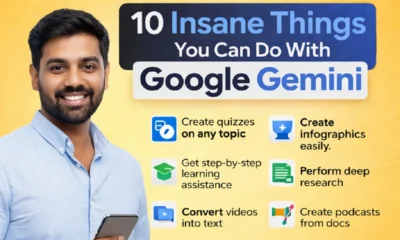
10 Insane Ways Google Gemini Will Explode Your Productivity in 2026
-

 Job Description2 years ago
Support Worker Job Description: Qualifications, Skills, Salary, Working Hours
-

 AI & Tools7 months ago
ChatGPT vs Copilot: Which AI Is Best for You in 2026?