
Career
Careers Less Exposed to AI Automation in the UK
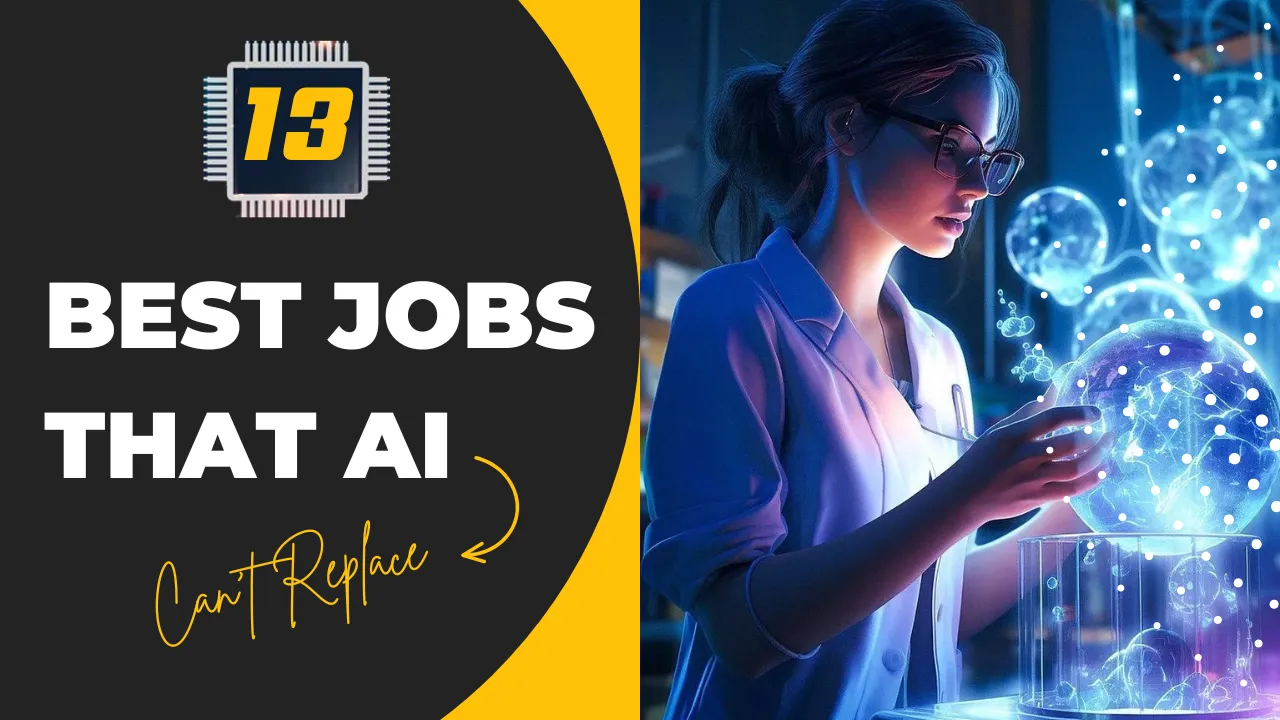
Artificial intelligence is changing how many people work. Some tasks are becoming automated, while other roles are changing because employees can use AI tools to work faster. This does not mean that particular careers are completely safe from change. A more useful question for job seekers is which careers still depend heavily on human judgement, physical work, trust, creativity, communication or responsibility.
For UK students and job seekers, this can be a useful way to think about career planning. Instead of looking for a job that AI can never affect, look for a career where human skills remain important and where you can keep developing alongside technology.
What Makes a Career More Resilient to AI?
AI is particularly useful for tasks involving patterns, information processing, drafting and repetitive digital work. Careers can be less straightforward to automate when they involve several of the following:
- Direct human interaction and trust
- Complex judgement and responsibility
- Physical work in changing environments
- Empathy, negotiation and communication
- Creative direction and original decision-making
- Leadership and collaboration
- Situations where every case is different
13 Careers With Strong Human-Skill Requirements
The careers below are not guaranteed to remain unchanged. AI can assist people working in almost every field. The point is that these roles involve human responsibilities or working conditions that can be difficult to automate fully.
1. Nurses and Healthcare Professionals
Healthcare combines technical knowledge with communication, practical care and decisions based on individual patient needs. Nurses and other healthcare professionals often work in situations where they must respond to changing circumstances and communicate with patients, families and colleagues.
AI can support healthcare through information, administration and decision-support tools, but professionals remain responsible for applying their training and providing care. Many healthcare careers also have specific qualification and registration requirements. See our guide to starting a healthcare career in the UK for more detail.
2. Mental Health Professionals
Counsellors, therapists and other mental health professionals rely heavily on communication, empathy, professional judgement and a strong understanding of individual circumstances. Technology may support assessment, administration or access to information, but the work involves a human relationship built around the person’s needs.
3. Teachers and Education Professionals
Teachers do more than deliver information. They manage classrooms, adapt explanations, encourage students, assess progress and respond to different learning needs. AI can help with lesson planning and educational resources, but teachers still make decisions about how to support individual learners. If education interests you, see our guide to starting a career in education in the UK.
4. Social Workers
Social work involves working with people and families facing complicated personal, financial and social circumstances. Professionals need communication skills, judgement, safeguarding awareness and the ability to build trust. These responsibilities make the role difficult to reduce to a simple automated process.
5. Skilled Tradespeople
Electricians, plumbers, carpenters, heating engineers and other skilled tradespeople often work in different homes, buildings and sites where conditions can vary from one job to another. The work can involve physical access, diagnosis, practical problem-solving and safe installation or repair. Our UK construction career guide covers another practical route in this area.
6. Construction Professionals
Construction combines planning and technical knowledge with physical environments, safety responsibilities and coordination between different teams. Engineers, site managers, surveyors and other construction professionals may use digital tools and AI, but their work still requires decisions based on real-world conditions.
7. Emergency Responders
Paramedics, firefighters and other emergency responders work in unpredictable situations. They need to assess conditions quickly, communicate with people under pressure and take responsibility for actions in real time. Technology can provide useful support, but emergency work depends on trained people being able to respond to what is happening on the ground.
8. Legal Professionals
Lawyers and other legal professionals increasingly use technology for research, document review and administrative work. However, legal work can also involve client relationships, negotiation, strategy, interpretation and professional responsibility. AI can change how legal teams work without removing the need for qualified people to make and communicate important decisions.
9. Engineers
Engineers use software, modelling and automation extensively, but engineering also involves designing solutions for real-world requirements, managing constraints and taking responsibility for technical decisions. Civil, mechanical, electrical and other engineering careers can therefore evolve alongside AI rather than simply being replaced by it. See our guide to starting an engineering career in the UK.
10. Managers and Team Leaders
Managers coordinate people, resolve disagreements, set priorities and communicate decisions. Leadership often depends on understanding a team’s circumstances and balancing competing needs. AI can provide analysis and recommendations, but managers remain responsible for how people and projects are led.
11. Sales and Business Development Professionals
Sales technology can automate research, emails and parts of the customer journey. However, many sales roles still depend on relationships, negotiation, listening and understanding what a customer actually needs. Complex business-to-business sales can require trust and judgement that go beyond automated communication.
12. Creative Directors and Creative Professionals
AI can generate images, text, music and other creative material, so creative careers are changing rather than being untouched by technology. People are still needed to set creative direction, understand an audience, make editorial choices, develop a brand and decide what work is appropriate for a particular purpose.
13. Researchers and Specialist Professionals
Researchers and specialists often deal with questions that do not have simple answers. AI can help search information, analyse data and generate ideas, but professionals still need to define useful questions, evaluate evidence, identify limitations and decide how findings should be used.
Human Skills That Can Strengthen Your Career
Choosing a career with human interaction is only part of the picture. Job seekers can also build skills that complement AI rather than compete directly with it. Our guide to AI skills for job seekers covers practical ways to build that capability.
| Skill | Why it matters | How to build it |
|---|---|---|
| Communication | Helps you work with customers, colleagues and teams | Presentations, writing and group projects |
| Critical thinking | Helps you assess information and make decisions | Research, analysis and problem-solving tasks |
| Adaptability | Helps you respond when tools and processes change | Keep updating your knowledge and try new tools |
| Leadership | Supports team coordination and decision-making | Take responsibility for projects and activities |
| Digital skills | Helps you use AI and other technology effectively | Practise relevant software and workplace tools |
| Emotional intelligence | Supports relationships, teamwork and difficult conversations | Practise active listening and constructive feedback |
How to Choose a Career in the Age of AI
- Look at tasks, not just job titles: Find out what people actually do in the role.
- Check how technology is changing the work: Consider which tasks are being automated and which still require people.
- Build useful technical skills: Learning to use relevant digital and AI tools can make you more effective.
- Develop human strengths: Improve communication, judgement, teamwork, creativity and problem-solving.
- Gain practical experience: Projects, placements, volunteering and part-time work can help you understand the career.
- Keep learning: A career plan should allow you to update your skills as technology changes.
Should You Avoid Careers Affected by AI?
Not necessarily. AI is likely to affect tasks across many occupations, including roles that still need people. A career can change significantly without disappearing. In many cases, the valuable skill is knowing how to use technology while providing judgement, context, communication or specialist expertise. Building a mix of hard and soft skills can help you adapt as job requirements change.
For example, a marketing professional may use AI to draft ideas and analyse information but still need to understand customers, set strategy and make final decisions. A software professional may use AI-assisted development tools while still designing systems, reviewing code and solving complex technical problems.
Final Thoughts
There is no reliable list of jobs that AI can never affect. Technology can change the tasks within almost any occupation. A stronger approach for UK job seekers is to choose a career that matches their interests while building skills that remain useful when technology changes.
Healthcare, education, skilled trades, construction, emergency services, law, engineering, management, sales, creative work and research all contain areas where human judgement and interaction remain important. The goal is not to compete with AI at tasks it performs well. It is to become a professional who can use technology while bringing skills that technology cannot easily replace. For broader career planning, our guide to staying employable as work changes is also useful.
For more career guidance, see our career skills that stay valuable in the age of AI and our guide to entry-level jobs in the UK.








How to Start a Career in Sports and Leisure in the UK
A practical guide to sports and leisure careers in the UK, covering jobs, qualifications, apprenticeships, skills, experience, CVs and career...


How to Start a Career in Travel and Tourism in the UK
Travel and tourism is a broad career sector with opportunities in travel agencies, airports, airlines, visitor attractions, tours, hotels, heritage...


How to Start a Career in Property and Real Estate in the UK
Property and real estate is a broad career field covering residential property, commercial buildings, land, development, valuation, lettings, property management...


How to Start a Career in Hospitality in the UK
Thinking about hospitality as a career in the UK? Compare hotel, restaurant and guest service roles, entry routes, skills, apprenticeships...


How to Start a Career in Retail in the UK
Thinking about a retail career in the UK? Compare retail roles, entry routes, apprenticeships, skills, experience, CV tips and ways...


How to Start a Career in Science and Research in the UK
Planning a science or research career in the UK? Compare career paths, qualifications, apprenticeships, skills and practical ways to get...


How to Start a Career in Law in the UK
Thinking about a career in law? This guide explains UK legal career routes, qualifications, solicitor and barrister pathways, apprenticeships, skills,...


How to Start a Career in Education in the UK
Thinking about a career in education? Compare teaching and non-teaching roles, qualifications, apprenticeships, experience, skills and practical steps for getting...


How to Start a Career in Marketing in the UK
Marketing is a broad career field that combines communication, creativity, research, data and business thinking. It includes traditional marketing as...


How to Start a Career in Healthcare in the UK
Healthcare is one of the UK’s broadest career areas. It includes doctors and nurses, but also healthcare assistants, laboratory staff,...


How to Start a Career in Human Resources (HR) in the UK
Photo by Vitaly Gariev on Unsplash Human resources, usually called HR, is a people-focused career that combines communication, organisation, business...


How to Start a Career in Construction in the UK
Construction is one of the UK’s broadest career sectors. It includes hands-on trades such as bricklaying, carpentry and plumbing, as...


How to Start a Career in Energy and Utilities in the UK
Planning a career in energy and utilities in the UK? See job options, apprenticeships, qualifications, skills and practical steps to...


How to Start a Career in Media and Communications in the UK
Planning a media and communications career in the UK? Compare job options, entry routes, apprenticeships, skills, experience and practical steps...


How to Start a Career in Environmental and Sustainability Jobs in the UK
Environmental and sustainability careers are becoming an important part of many UK workplaces. Jobs in this area can involve protecting...


How to Start a Career in Cybersecurity in the UK
Thinking about a cybersecurity career in the UK? Here is a practical guide to skills, qualifications, entry-level roles, applications and...


How to Start a Career in Engineering in the UK
Thinking about engineering as a career in the UK? Here is a practical guide to engineering fields, qualifications, apprenticeships, skills,...


How to Start a Career in Government and Public Services in the UK
Thinking about a career in government or public services? This guide covers job options, entry routes, apprenticeships, skills, applications and...


Rolls-Royce Internship UK: Eligibility, Opportunities & How to Apply
Find Rolls-Royce internships in the UK with practical guidance on eligibility, opportunities, applications, assessments, skills and preparation.


How to Start a Career in Transport and Logistics in the UK
Planning a career in transport and logistics in the UK? See entry-level roles, apprenticeships, qualifications, skills and practical steps to...
-
 Career3 years ago
Flexible Jobs for Older Adults in the UK: 7 Career Options
-
 Jobs8 months ago
Second Jobs in the UK: 15 Practical Ways to Earn Extra Income
-
 How-to8 months ago
How to Use Google Gemini for Freelance Work and Career Skills
-

 Career2 years ago
Free Job Posting Sites in the UK: Options for Employers
-
 How-to8 months ago
How to Build Passive Income: 20 Income-Producing Assets for Long-Term Financial Growth
-

 AI & Tools8 months ago
How to Use Google Gemini for Productivity at Work
-

 Job Description3 years ago
Support Worker Job Description: Duties, Skills, Salary and Career Guide UK
-

 AI & Tools8 months ago
ChatGPT vs Microsoft Copilot: Which AI Is Best for You?